




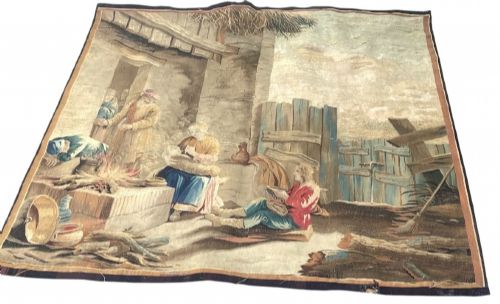
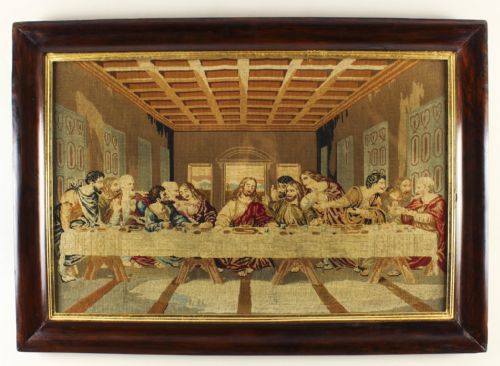
Flemish Wool Tapestry Panel
These flemish wool tapestry panel pieces bring centuries of European textile artistry into modern interiors through woven scenes of verdure and historic narratives.
Flemish Wool Tapestry Panel
A flemish wool tapestry panel represents historical weaving traditions originating from the workshops of Flanders during the Renaissance and Baroque periods. Buyers search for these pieces to acquire tangible fragments of European textile art that bring rich texture and muted historic palettes to interior spaces.
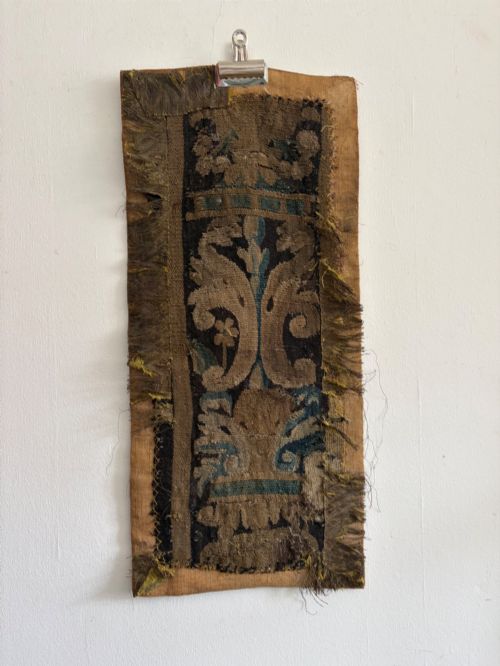
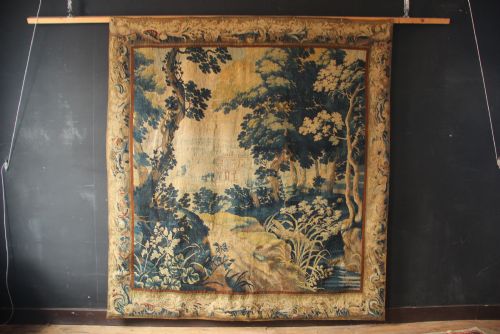
The selections available here span multiple centuries, ranging from sixteenth-century origins through seventeenth-century baroque examples and eighteenth-century verdure designs. You are most likely to encounter verdure landscapes featuring foliage and trees, alongside fragments mounted to linen or incorporated into folding screens and cushion covers.
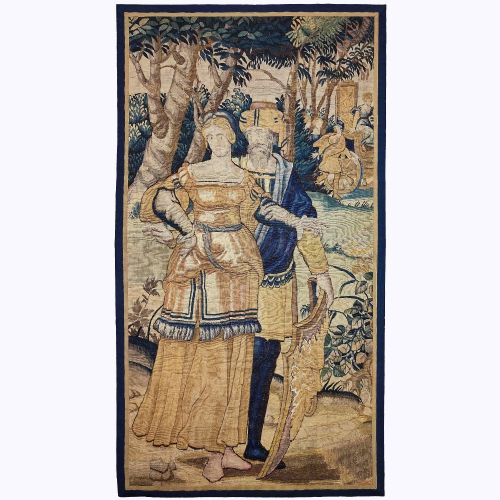
Forms vary from large wall hangings and horizontal panels to narrow borders and figural compositions depicting historic scenes such as the Last Supper. The surviving pieces demonstrate the evolution of weaving techniques across the sixteenth, seventeenth, and eighteenth centuries, with occasional nineteenth-century interpretations.
Materials and construction
These textiles utilise wool as the primary structural material, often combined with silk threads to achieve subtle tonal gradations and highlights within the woven design. Linen frequently serves as a backing or mounting support for fragile fragments and border pieces to ensure structural stability.
The physical construction relies on intricate hand-weaving techniques developed across Flemish workshops, where artisans built imagery thread by thread. Certain panels incorporate wooden frames, brass elements, or gold leaf finishes when mounted or framed as decorative objects and folding screens.
Current listings span the sixteenth century through the nineteenth century, incorporating wool, silk, linen, wood, brass, and gold leaf across various wall hangings and screens.
Evaluating quality and execution
The distinction between tiers of work rests upon the fineness of the weave, the complexity of the narrative or landscape design, and the survival of the original colour palette. Superior examples display dense pictorial depth within verdure foliage and intricate detailing in figural representations.
Preservation of the materials and the integrity of the composition dictate the standing of individual panels. Pieces that retain their original scale and cohesive design without excessive later intervention represent the upper echelon of surviving textile art.
The Flemish Wool Tapestry Panel Glossary
- Verdure tapestry
- A type of woven wall hanging dominated by lush botanical landscapes, foliage, and trees. These scenes often feature stylised woodlands populated by birds or distant architecture.
- Tapestry fragment
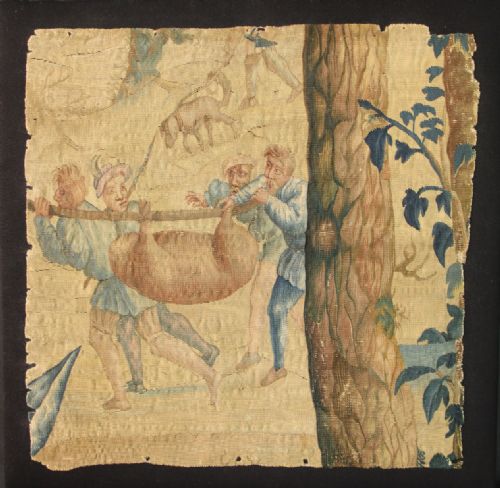
- A surviving portion of a larger historical textile that has been separated from its original context over time. These sections are frequently mounted to linen for preservation and display.
- Flemish Baroque
- An artistic style prevalent in the seventeenth century characterised by dynamic movement, rich colouration, and dramatic theatricality. This aesthetic heavily influences the composition of many regional woven panels.
- Weft
- The horizontal threads passed back and forth through the vertical warp threads to create the visible pattern on the face of the textile. Master weavers manipulated these threads to paint with wool and silk.
Flemish Wool Tapestry Panel: Frequently Asked Questions
How were these tapestries originally used?
Historic workshops produced these textiles primarily as insulating wall hangings for stone-walled European castles, chateaux, and noble residences. They regulated indoor temperatures while demonstrating wealth and sophistication through elaborate visual narratives.
Over subsequent centuries, many larger panels were divided into smaller sections, converted into domestic items like cushion covers, or mounted into folding screens for alternative interior functions.
How do I live with a textile panel?
Display your textile away from direct sunlight to protect the wool and silk fibres from fading and structural degradation. Hanging panels flat against a stable backing helps distribute the physical weight evenly across the fabric.
Maintain stable indoor humidity levels and inspect the mounting linen periodically to ensure the historic fabric remains properly supported.
How do I tell centuries apart?
Sixteenth-century works typically display Renaissance architectural elements and balanced figural compositions, whereas seventeenth-century Flemish pieces lean toward dramatic Baroque theatricality and dense foliage. Eighteenth-century examples frequently showcase lighter verdure landscapes with expansive pastoral vistas.
Examining the complexity of the dye palette and the stylistic conventions of the depicted figures provides further clues to the period of manufacture.
What is a verdure landscape?
A verdure landscape is a woven composition focused on heavy foliage, trees, plants, and natural scenery rather than human historical narratives. These designs were immensely popular across Flemish and European workshops for centuries.
They often incorporate rolling hills, winding rivers, and small birds hidden within the dense canopy of leaves.