




Blue White Pottery Charger
These blue white pottery charger selections span centuries of tin-glazed earthenware and transfer-printed porcelain, offering broad wall plates and deep display platters for collectors.
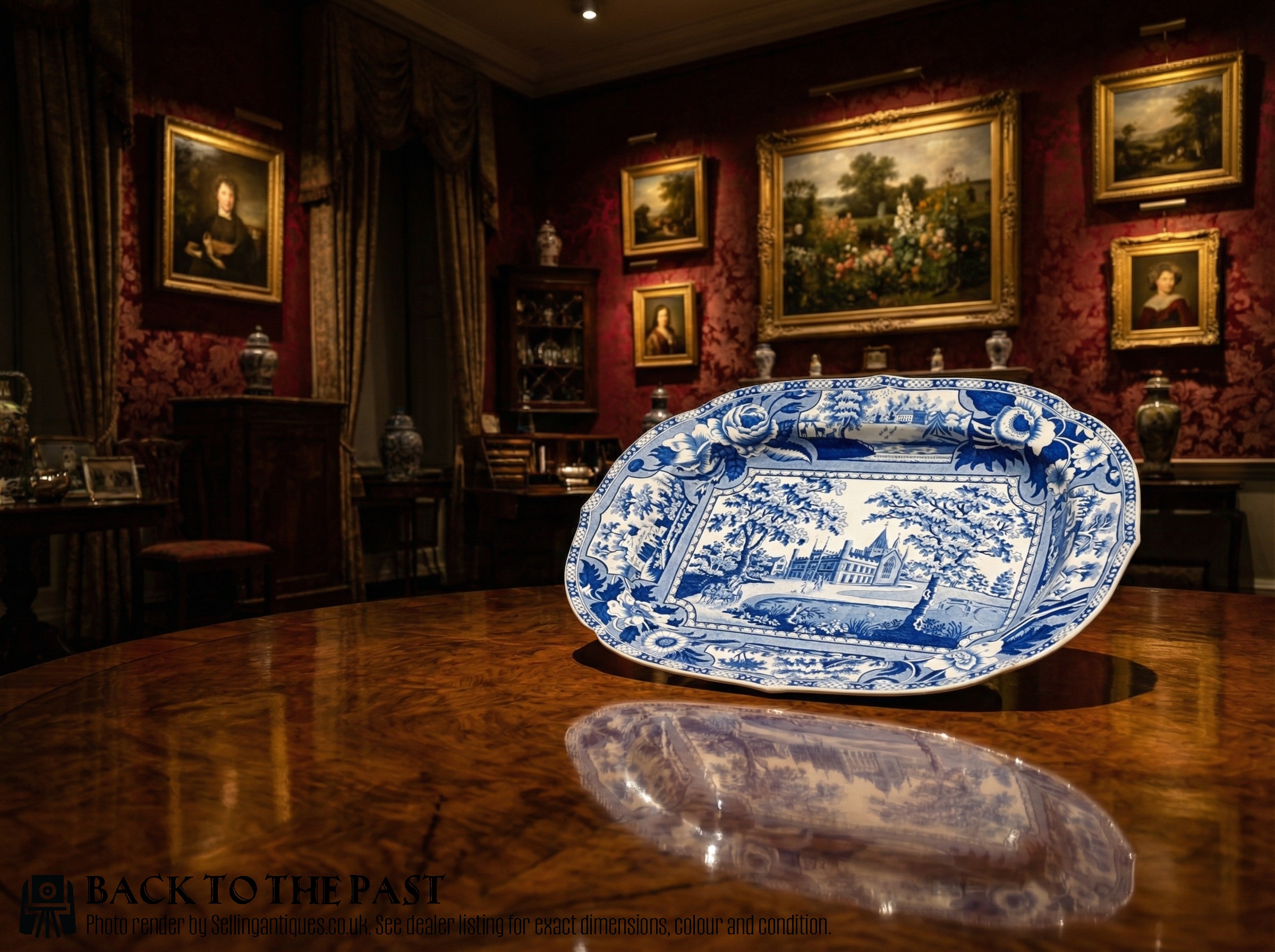
Blue White Pottery Charger
A blue white pottery charger is a large decorative plate or serving platter designed for display or dining, stretching back through centuries of ceramic tradition. When searching this phrase, a buyer meets everything from early tin-glazed earthenware dishes to 19th-century transfer-printed porcelain.
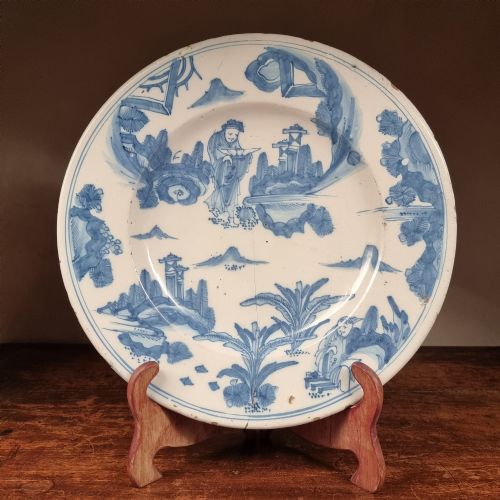
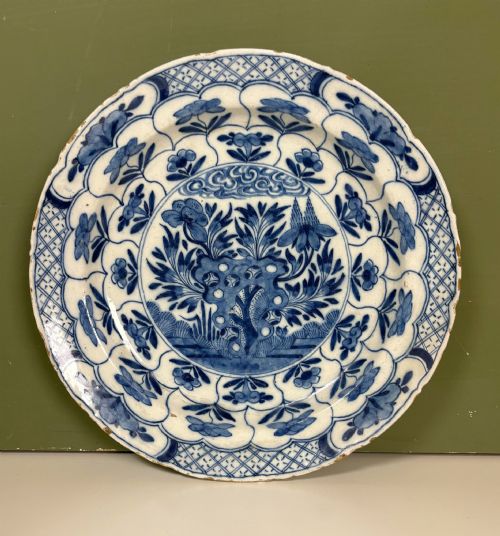
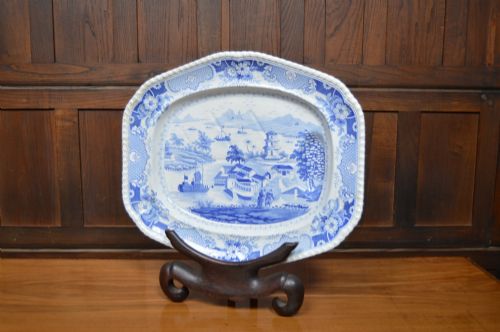
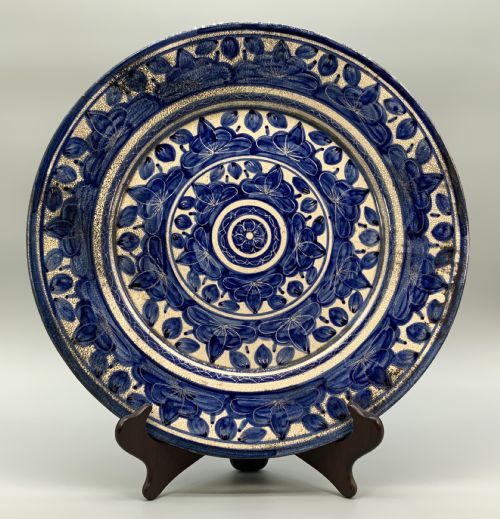
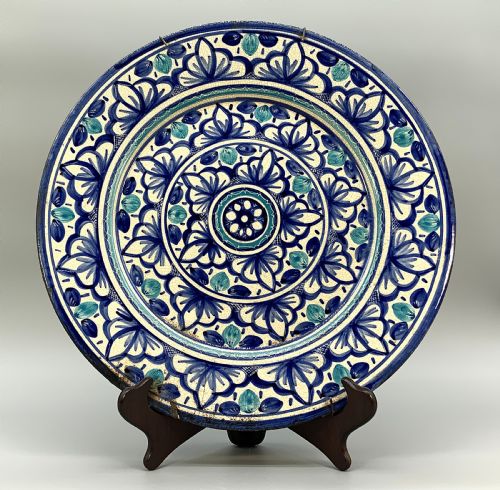
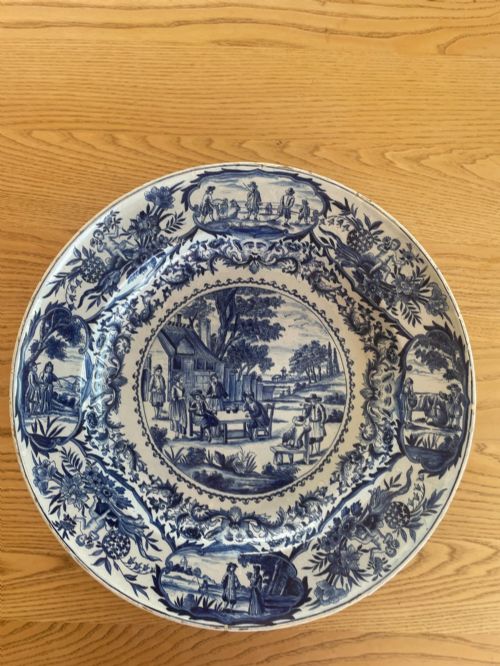
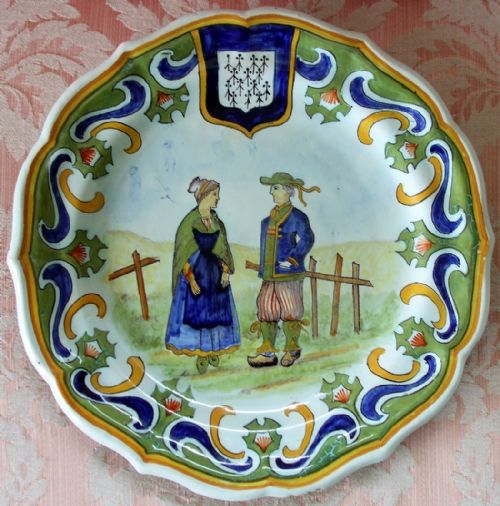
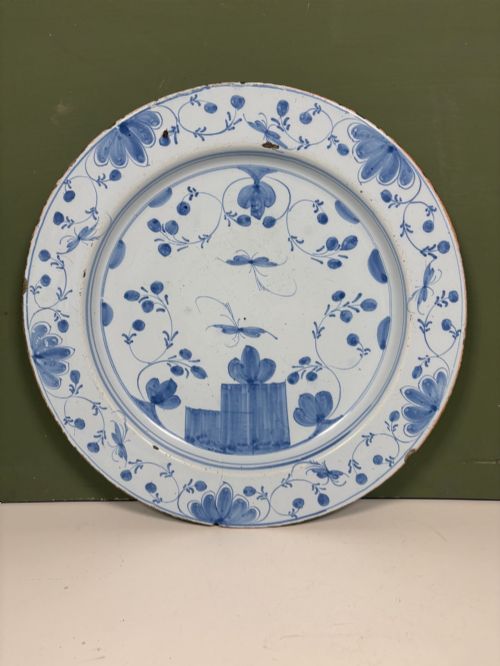
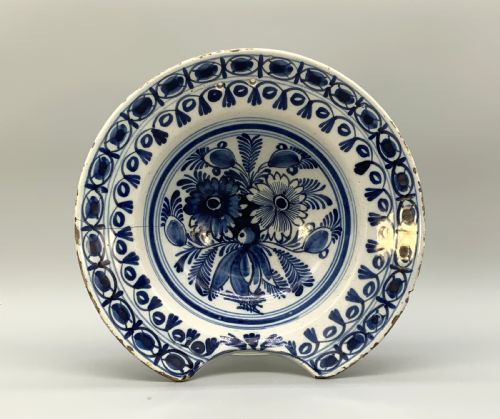
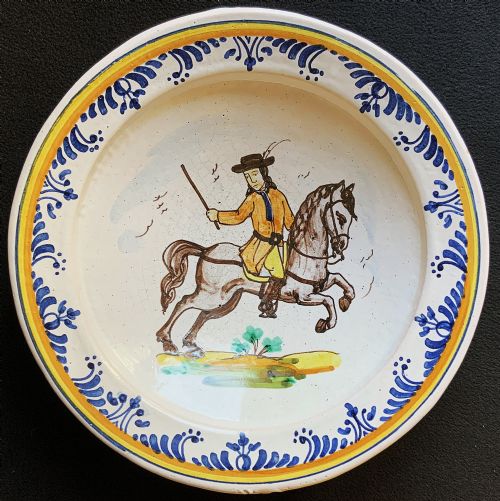
The versions most commonly encountered on this page belong to the 17th, 18th and 19th centuries, originating from English, Dutch, French, Spanish and Japanese kilns. These items take the form of wall chargers, barber's bowls, shallow dishes and massive meat platters decorated in cobalt pigments.
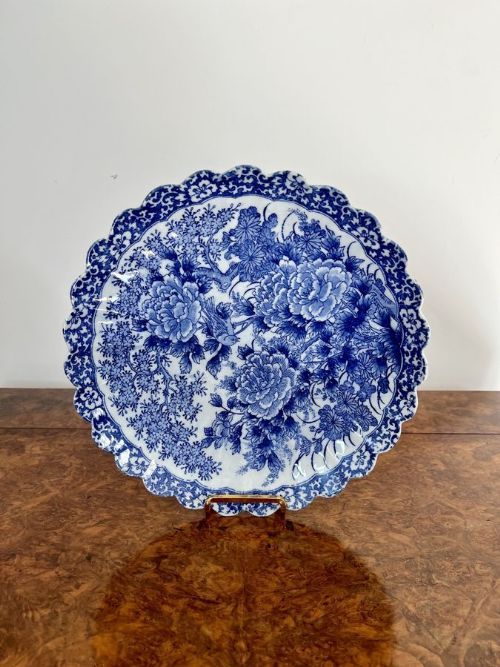
Moorish style pieces and Japanese Arita Imari wares also appear alongside European Delftware, offering diverse interpretations of the palette. Each object reflects the prevailing aesthetic of its period, shifting from dense floral motifs to scenic landscapes.
Materials and production methods
Potters shaped these vessels from earthenware, pearlware or porcelain before applying decoration using cobalt pigment or cobalt oxide. On tin-glazed pieces, the metallic oxide creates deep blue lines against an opaque white background during firing.
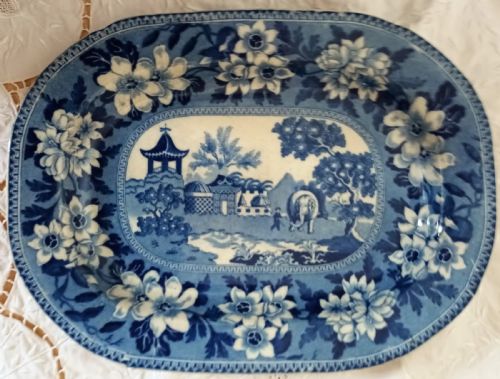
Transfer printing emerged in the Georgian and Victorian eras to apply detailed patterns like pastoral scenes and temples onto the ceramic body. Hand-painted examples rely on brushwork applied directly to the raw glaze or biscuit fired body.
Glaze seals the porous clay beneath, creating a smooth protective layer that preserves the painted or printed motifs over centuries. Kiln techniques dictate the final gloss and opacity of the surface finish.
Early bleeders utilised specialised ceramic bowls to catch blood during medical procedures, leaving behind charmingly grim household relics.
Assessing quality in ceramic chargers
Quality rests upon the crispness of the cobalt painting or the clarity of the transfer print across the broad surface of the dish. Finer pieces maintain deep, uniform blue tones without blurring or running into the surrounding white glaze.
The potting skill determines the flatness of the charger base and the evenness of the rim, as large vessels often warped during high-temperature firing. Early tin-glazed earthenware displays subtle surface undulations that reveal manual shaping at the wheel.
Provenance and legibility of factory marks or painter ciphers elevate certain plates above standard production wares. The preservation of the original glaze surface without extensive restoration preserves the historical integrity of the object.
John Rogers And Son·Copeland And Garrett·Bassano Pottery Works·Minton
The Blue White Pottery Charger Glossary
- Charger
- A large decorative plate or platter traditionally used for service or display on sideboards and walls. These oversized vessels provide a wide canvas for intricate cobalt decoration.
- Tin Glaze
- An opaque white glaze containing tin oxide, providing the characteristic background for European Delftware and faience. It accepts cobalt painting directly onto the raw surface before firing.
- Transferware
- Pottery decorated by applying a printed design from an engraved copper plate via tissue paper onto the ceramic body. This technique allowed complex pictorial scenes to be replicated consistently.
- Delftware
- Tin-glazed earthenware produced in the Netherlands and England, famous for its blue and white palette. Pieces often draw inspiration from imported Chinese porcelain.
- Imari
- Japanese porcelain decorated in underglaze blue and overglaze iron red and gold, though blue and white variants focus strictly on cobalt designs. These items reflect traditional East Asian motifs adapted for export.
Blue White Pottery Charger: Frequently Asked Questions
How were large chargers displayed historically?
Large chargers were traditionally stood upright on dressers or hung directly on walls using wire loops secured around the foot rim.
This method of display placed the decorative blue and white motifs at eye level for guests to admire.
Can these antique platters still hold food?
While structurally sound, antique earthenware and tin-glazed vessels feature porous bodies and historical glazes that may contain lead.
Collectors generally use these items exclusively for visual display rather than culinary service.
How do I distinguish Delftware from later transferware?
Delftware relies on hand-painted brushwork over an opaque tin glaze, resulting in subtle variations and soft edges in the blue pigment.
Transferware exhibits precise, repetitive dot patterns or fine lines characteristic of copperplate printing beneath a clear glaze.
What causes crazing on antique ceramics?
Crazing appears as a fine network of tiny cracks in the outer glaze caused by differing contraction rates between the clay body and the glass surface over time.
This natural ageing process does not necessarily diminish the historical value of a piece.