
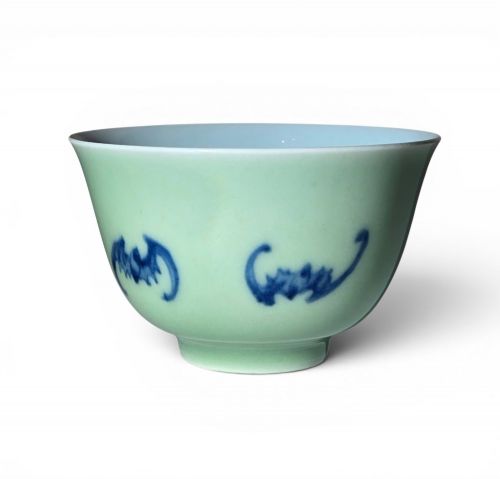


Blue White Porcelain Teacup
A blue white porcelain teacup brings centuries of ceramic history and handpainted domestic ritual straight to your table.
Blue White Porcelain Teacup
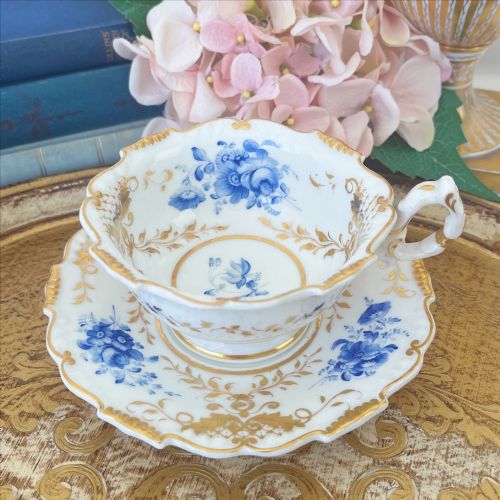
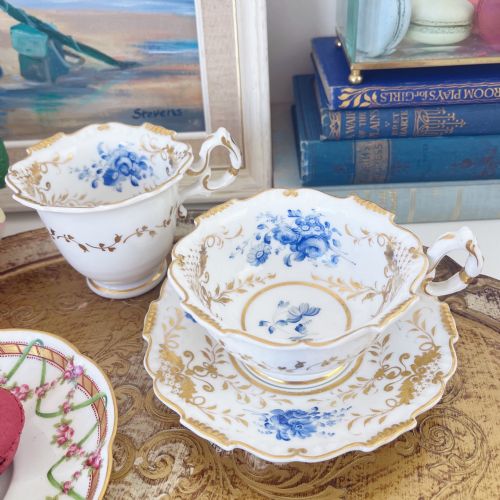
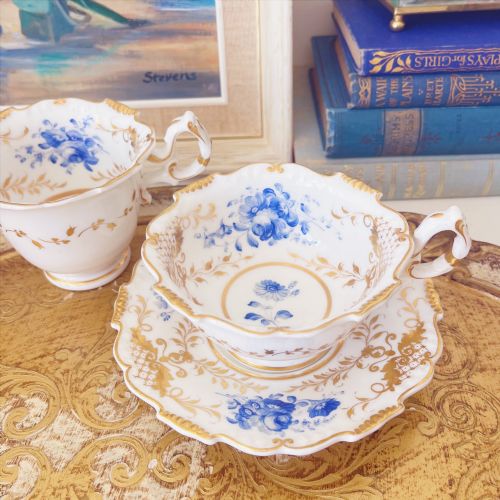
A blue white porcelain teacup represents a diverse group of domestic ceramic wares designed for drinking tea, frequently found paired with matching saucers or forming part of broader tea service sets. When searching for a blue white porcelain teacup, you encounter pieces spanning multiple eras, from eighteenth-century English factories to Qing Dynasty pieces and Japanese export wares.
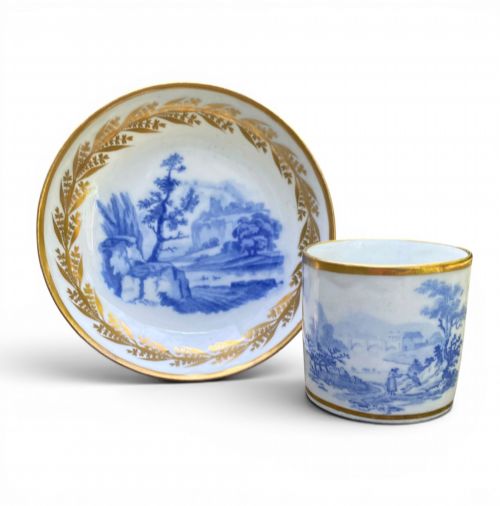
The forms vary from traditional handleless tea bowls to early nineteenth-century coffee cans and footed cups with applied handles. Many examples arrive accompanied by their original saucers, while others survive as individual tea bowls or trios complete with matching plates.
Origins stretch across English Staffordshire and Worcester potteries, Chinese kilns, and Japanese workshops, reflecting global trade routes and the shifting tastes of collectors over several hundred years.
Materials and manufacture
Makers utilised hard-paste porcelain, soft-paste porcelain, bone china, and refined clay bodies, shaping them either by wheel throwing or by pressing into moulds. The characteristic blue decoration relies on cobalt oxide applied beneath the glaze before high-temperature firing, producing deep indigo tones.
Many examples incorporate supplementary handpainted enamels and gold gilding, applied over the glaze and fixed in a second, cooler kiln firing. Glazes range from clear, glassy finishes to celadon-tinted surfaces that alter the appearance of the underlying blue pigment.
Materials documented across the inventory include hard-paste porcelain, bone china, soft-paste porcelain, gold leaf, and enamel.
Assessing quality and execution
The distinction between ordinary production and superior work rests on the crispness of the cobalt painting and the translucency of the body. Finely potted tea bowls exhibit thin, even walls that allow light to pass through, whereas utilitarian wares tend to be heavier and thicker.
Purity of the glaze, precision in the handpainted brushwork, and the careful registration of underglaze blue define the upper tier of pieces. Secondary enhancements such as delicate gold leaf or detailed enamel motifs further separate standard factory output from masterwork productions.
H and R Daniel·New Hall·Coalport·Derby·Worcester·Yates·Minton·Lowestoft·Sutherland
The Blue White Porcelain Teacup Glossary
- Soft-Paste Porcelain
- An artificial ceramic body fired at lower temperatures than true hard-paste porcelain. It possesses a warmer tone and a softer glaze that often shows fine interior crackle.
- Underglaze Blue
- A decorative technique where cobalt pigment is painted directly onto the unglazed clay body before being sealed with a transparent glaze and fired. This protects the colour from wear during daily use.
- Tea Bowl
- A handleless drinking vessel derived from East Asian traditions. Eighteenth-century European manufacturers initially copied this form before introducing conventional handles.
- Chinoiserie
- European artistic interpretations of Chinese and East Asian decorative styles. This aesthetic heavily influenced the painted motifs on domestic porcelain during the Georgian period.
- Celadon
- A pale green or grey-green translucent glaze applied to porcelain. It often provides a quiet backdrop for underglaze blue painting.
Blue White Porcelain Teacup: Frequently Asked Questions
How do I identify an eighteenth-century tea bowl?
Eighteenth-century tea bowls typically lack handles and feature thin-walled porcelain bodies with handpainted underglaze blue decoration. They often show slight potting imperfections characteristic of early kiln technology.
Examination of the foot rim reveals unglazed surfaces where the piece rested on a kiln prop during firing, a reliable indicator of period manufacturing methods.
Can I use antique porcelain teacups for drinking tea?
While these pieces were originally made for domestic use, the age and delicate nature of soft-paste porcelain and overglaze gilding demand careful handling. Many collectors prefer to display them rather than risk thermal shock or crazing from hot liquids.
Hand washing in warm water without harsh detergents is essential if you choose to use them, avoiding dishwashers entirely.
What is the difference between a tea bowl and a teacup?
A tea bowl is a traditional handleless vessel influenced by Chinese forms, requiring the drinker to cradle it with both hands. Teacups with applied handles emerged as European tea-drinking habits evolved.
Both forms appear across Georgian and nineteenth-century inventories, often sharing identical painted patterns and matching saucers.
How do I spot restoration on porcelain?
Restoration often appears under ultraviolet light as a dull, opaque area masking chips, hairline cracks, or missing sections. Closer visual inspection can reveal slight variations in surface texture or interrupted blue patterns.
Professional repairs aim to preserve display value, though signed or marked pieces noted as restored command different collector attention than pristine examples.