

Blue Porcelain Saucer
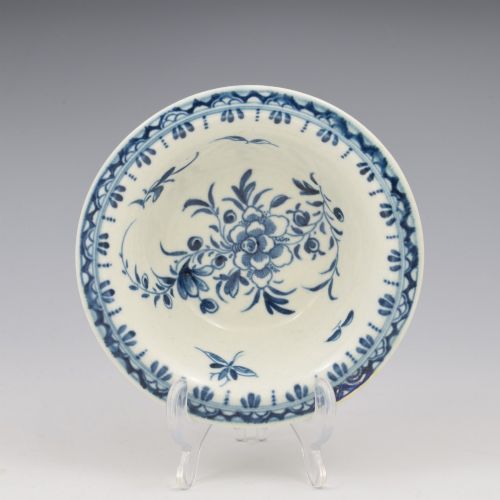
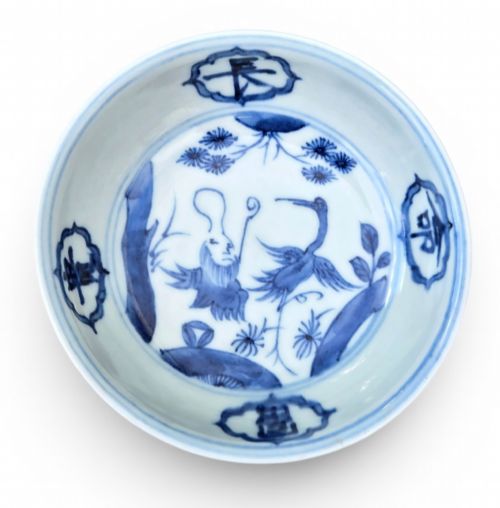
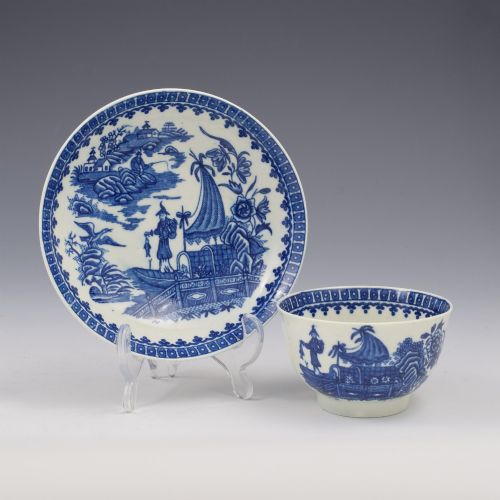
When you search for a blue porcelain saucer, you enter a field defined by eighteenth-century Worcester, Regency services, and Chinese export wares.
Blue Porcelain Saucer
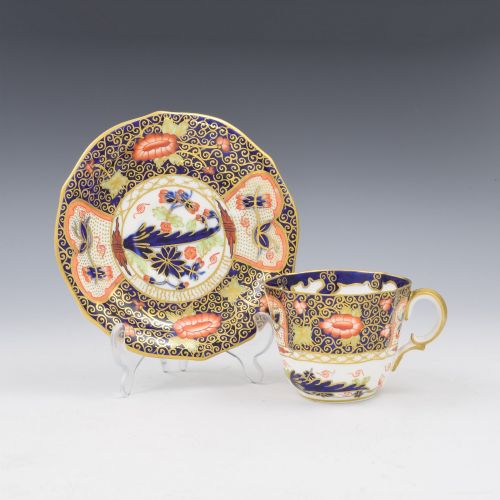
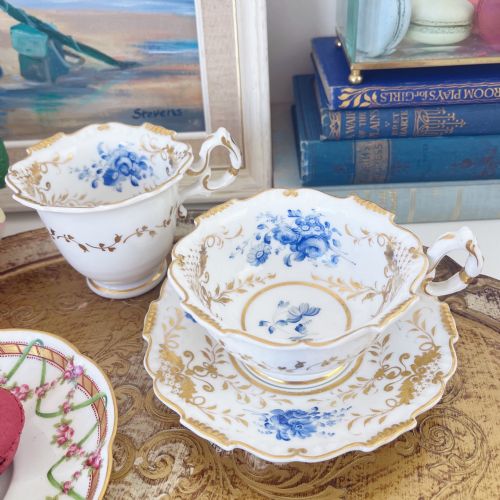
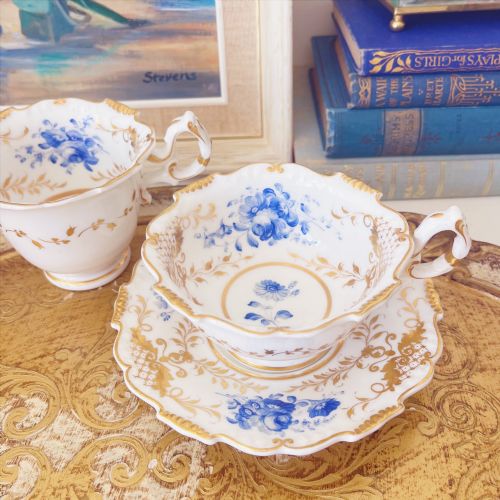
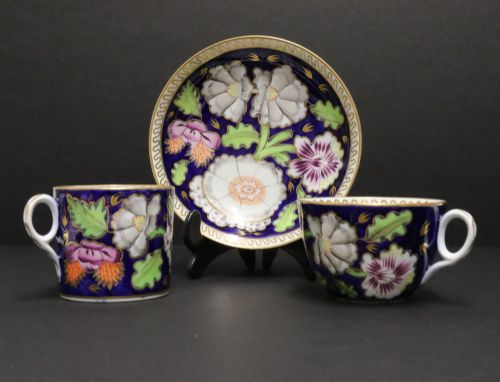
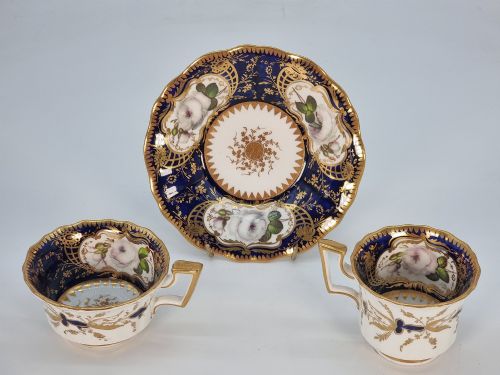
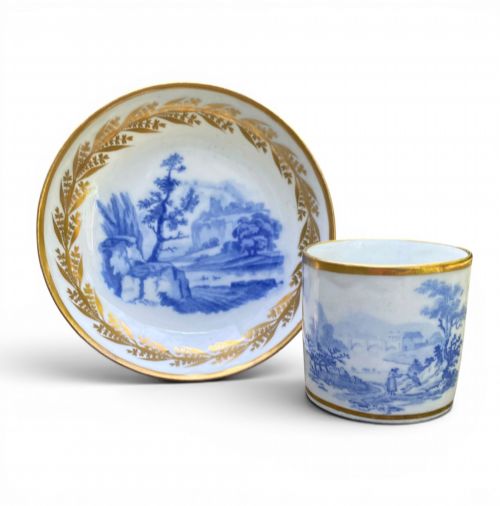
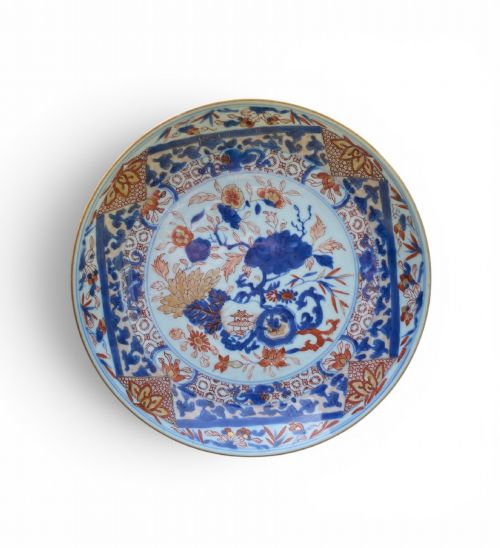
A blue porcelain saucer functions as a cabinet display piece or a survivor from a dismantled tea service, often appearing alongside matching teacups, coffee cans, and bowls. The selection spans domestic English factories and continental houses, alongside Chinese export wares and Japanese creations that reached European tables.
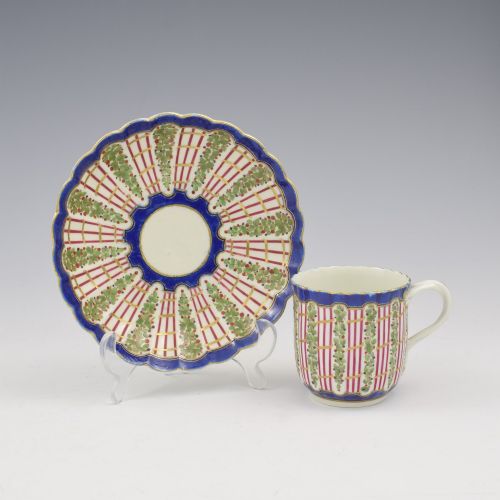
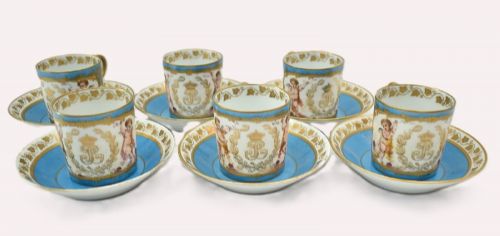
Buyers encounter eighteenth-century underglaze painted saucers from Worcester alongside nineteenth-century pieces from Coalport, New Hall, and continental makers. The forms range from standard tea bowls and saucers to deeper dishes, chocolate cups, and cabinet trios.
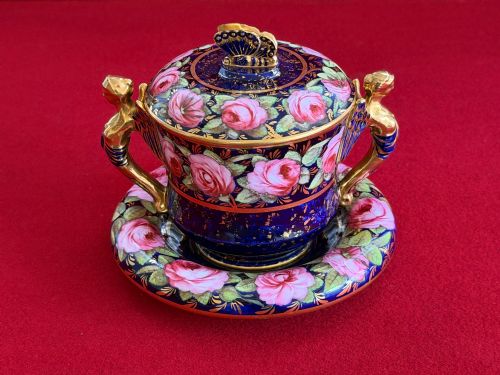
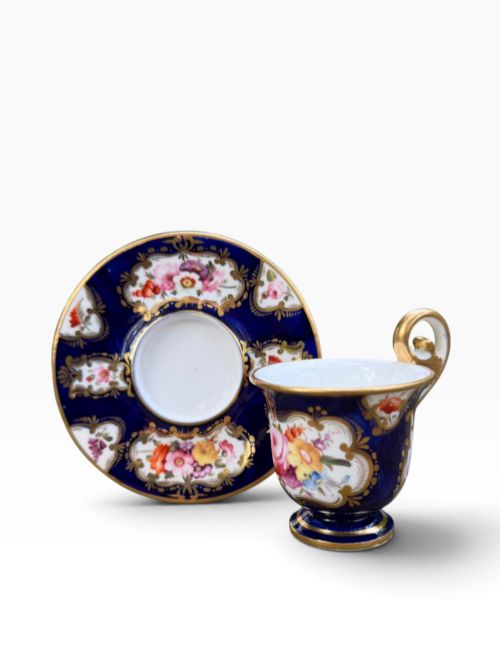
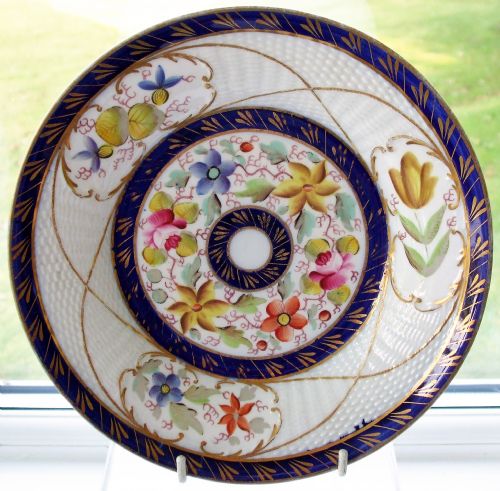
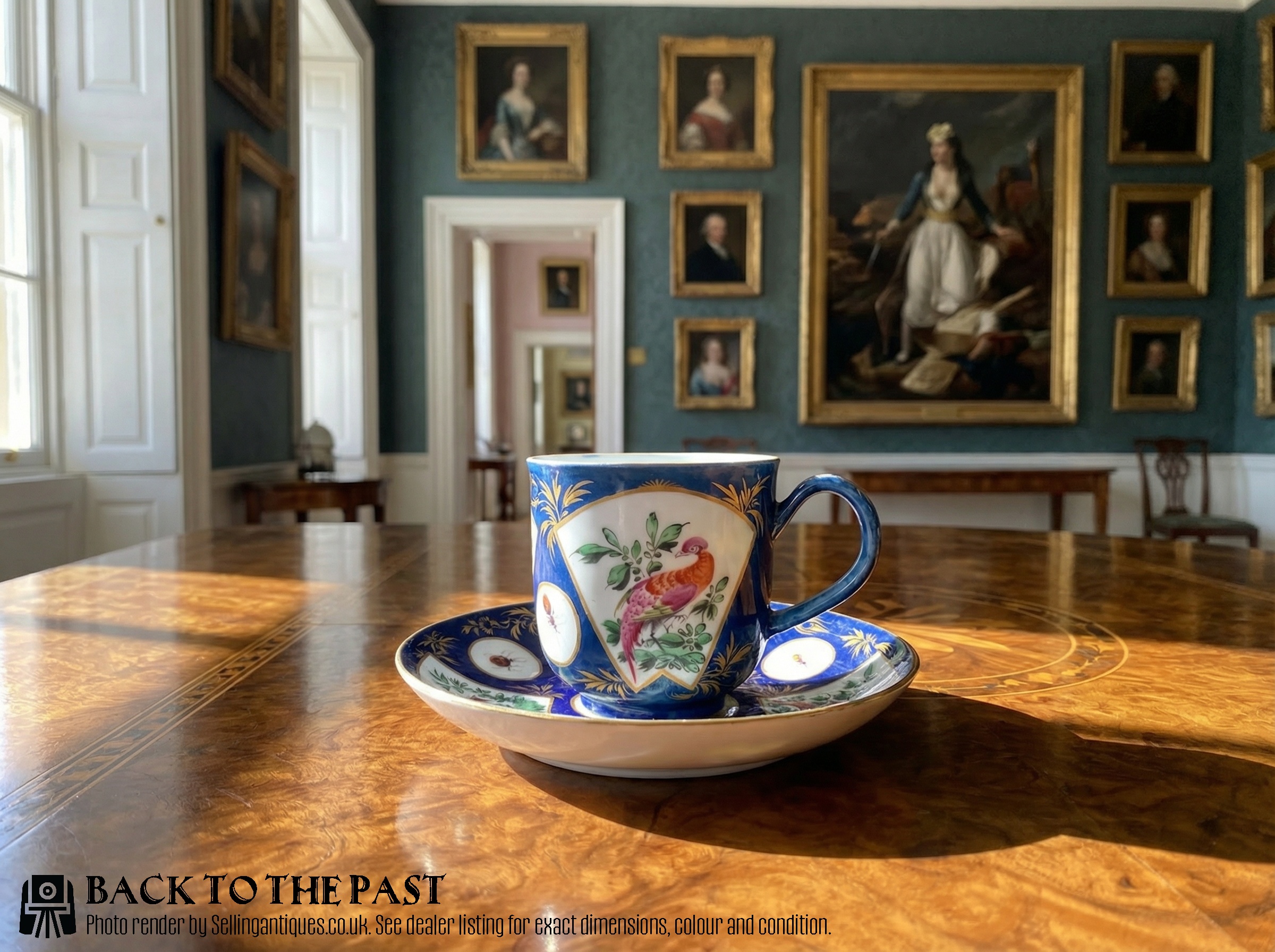
The aesthetic vocabulary encompasses blue and white transfer printing, hand-painted birds and florals, intricate scale grounds, and cobalt fields enriched with gold leaf. These items document changing dining habits across the Georgian, Regency, and Victorian periods.
How they were made
Makers utilised porcelain bodies and soft-paste porcelain, shaping the clay on wheels or pressing it into moulds before high-temperature firing. Artisans applied cobalt oxide under the glaze to achieve deep blue designs, sometimes adding enamel colours and gilding in subsequent low-temperature firings.
Factories like Worcester and Coalport developed specific glaze formulations, such as wet blue grounds and blue scale patterns, requiring precise kiln control. Surface enrichment frequently involved hand-applied gold leaf, enamel highlights, and meticulous brushwork executed by skilled ceramic painters.
Listings feature eighteenth-century and nineteenth-century pieces decorated with underglaze blue, enamel, and gold leaf across diverse forms.
What varies in quality
The standard of execution rests on the crispness of the cobalt painting, the evenness of the glaze application, and the ambition of the pattern. Pieces featuring hand-penciled birds, elaborate gilded borders, or complex ground colours like blue scale demonstrate superior workshop output.
Dating and provenance heavily influence desirability, with first-period Worcester and documented eighteenth-century export pieces commanding distinct attention. The integrity of the porcelain body, the preservation of delicate enamel work, and the brilliance of the original gilding dictate the standing of each example.
Royal Crown Derby·H & R Daniel·Spode·New Hall·Coalport·Worcester·Grainger's Worcester·Sevres·Meissen·Flight Barr And Barr·Gardner Porcelain Moscow·Royal Vienna·Yates·Royal Worcester
The Blue Porcelain Saucer Glossary
- Soft-Paste Porcelain
- A glassy ceramic composition fired at lower temperatures than true hard-paste porcelain, common in eighteenth-century English manufacture. It produces a warm, slightly creamy body that interacts distinctively with underglaze blue pigments.
- Underglaze
- Pigment applied directly to the unfired or biscuit ceramic body before the glaze coating is applied and fired. This technique protects the blue decoration beneath a glassy surface layer.
- Blue Scale
- A patterned ground effect resembling fish scales filled with blue pigment, developed at the Worcester factory. Artisans applied this meticulously by hand beneath or over the glaze to frame central painted reserves.
- Enamel
- Opaque vitreous composition fused to the surface of fired porcelain during a secondary low-temperature kiln run. It provides the vibrant red, green, and yellow details seen on Imari and export styles.
- Cabinet Trio
- A matching set comprising a teacup, coffee cup, and saucer designed for display rather than daily service. These pieces showcase the highest decorative ambitions of nineteenth-century English potteries.
Blue Porcelain Saucer: Frequently Asked Questions
How do I date an antique saucer?
Dating relies on factory marks, paste composition, and stylistic evidence such as border designs and potting thickness. Comparing the blue pigment application against known period examples helps narrow the decade.
Early pieces often feature unglazed footrims and hand-penciled underglaze motifs, whereas nineteenth-century items introduce printed transfer marks and standardised shapes. Consultation with historical factory records provides further verification.
Were these saucers meant for display or use?
Most of these items began as functional tablewares for consuming tea, coffee, or chocolate during the Georgian and Victorian eras. Over time, surviving saucers became cabinet pieces or formed decorative trios.
Their transition from dining table to display cabinet reflects the fragility of ceramic services and the appreciation of antique craftsmanship by later collectors. Today, they serve primarily as cabinet displays or curated tabletop accents.
How should I care for porcelain saucers?
Hand washing in lukewarm water with mild soap preserves the fragile enamels and delicate gilding found on antique surfaces. Harsh detergents and modern dishwashers can permanently damage soft-paste bodies and gold leaf.
Storing pieces on stable shelves away from direct sunlight protects the glaze and pigments from fading or thermal shock. Gentle handling ensures these eighteenth and nineteenth-century items remain intact.
What is the difference between hard-paste and soft-paste?
Soft-paste porcelain contains glass frit and clay, firing at lower temperatures to yield a softer, slightly translucent body. Hard-paste porcelain uses kaolin and petuntse, requiring higher kiln temperatures for a denser finish.
English factories in the eighteenth century predominantly utilised soft-paste formulations, which display distinct surface textures under magnification. Recognising this helps identify regional manufacturing traditions.