




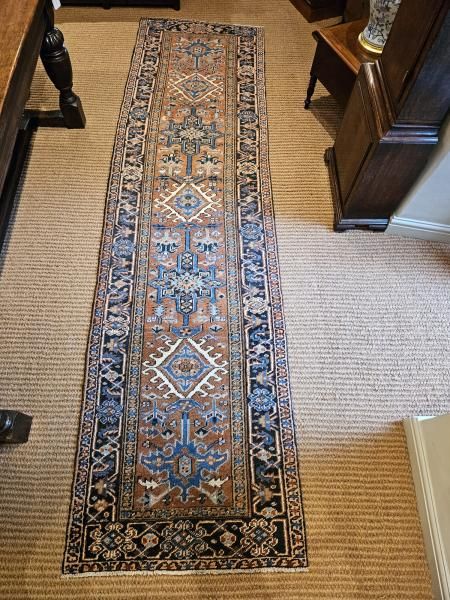
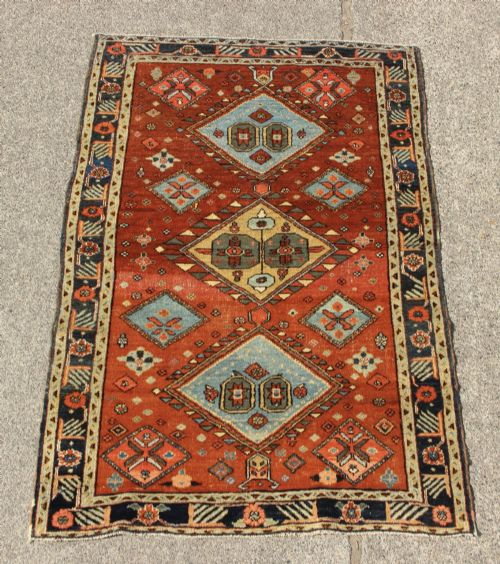
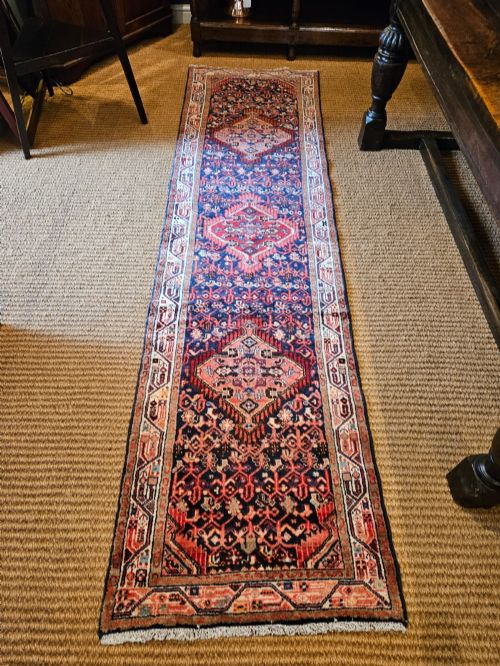
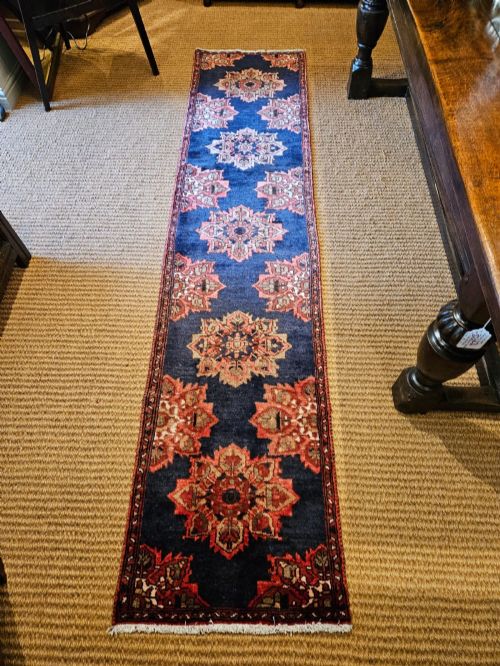
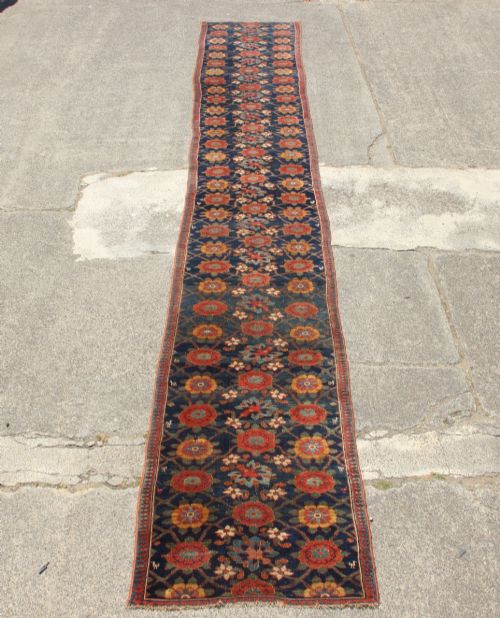
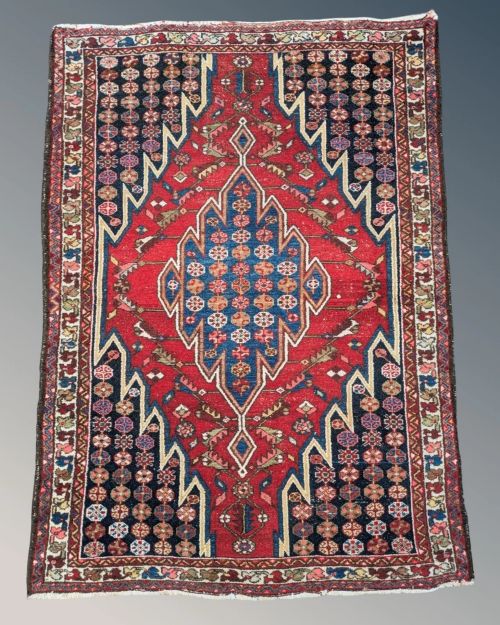
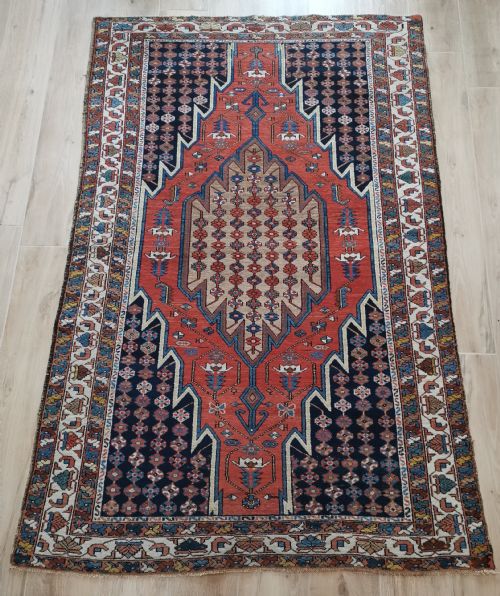
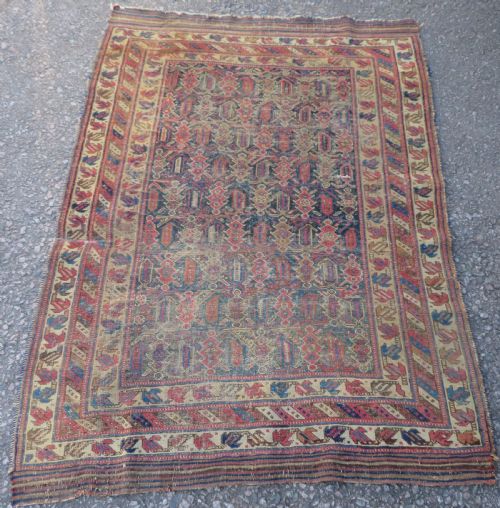
Blue Persian Rug Runner
A blue persian rug runner brings linear warmth and deep indigo tones to a hallway, drawing the eye along centuries of tribal weaving tradition.
Blue Persian Rug Runner
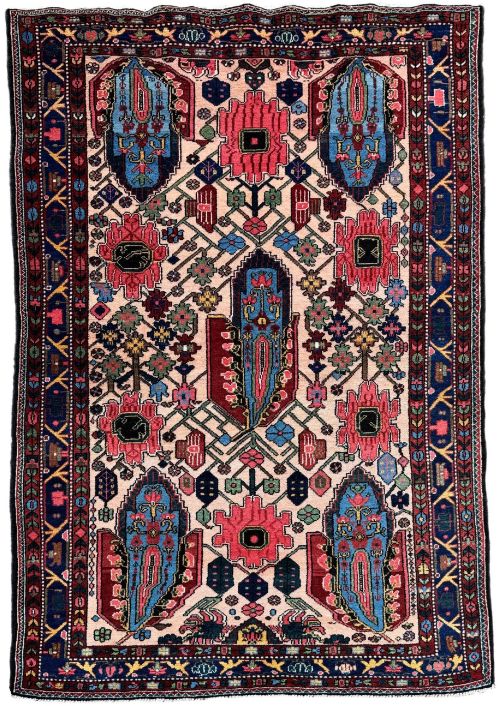
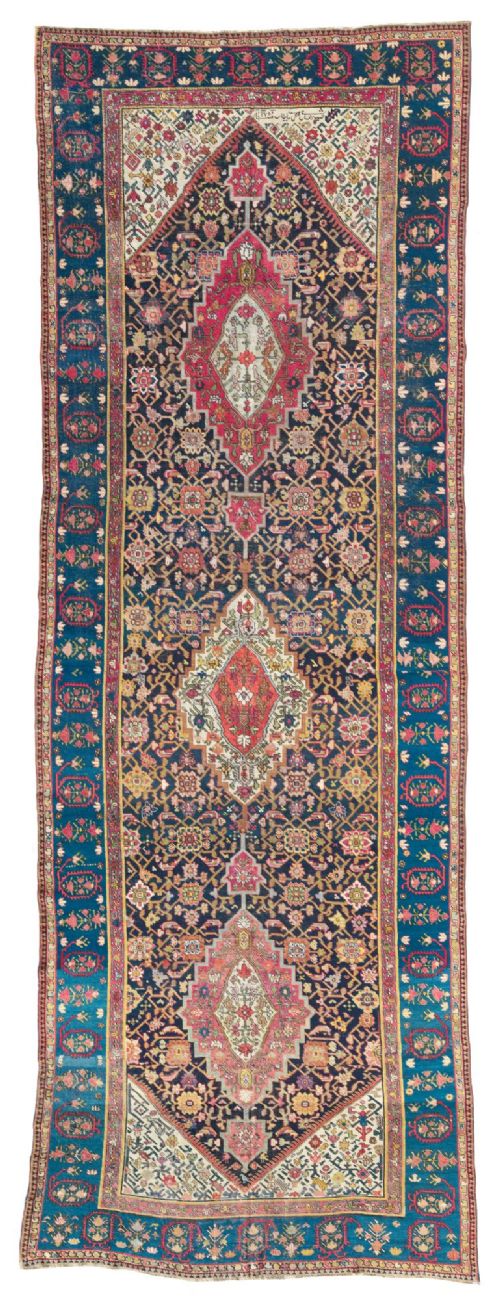
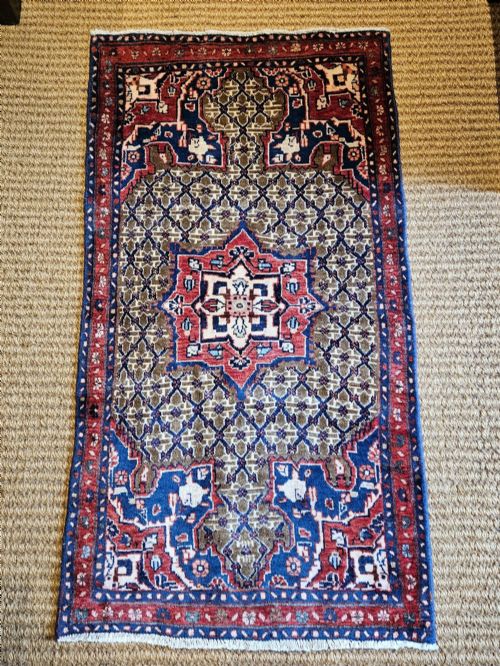
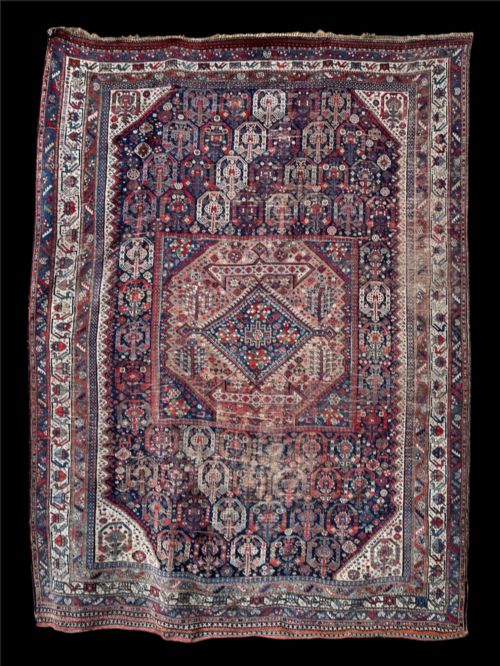
A blue persian rug runner is a narrow, elongated textile designed for corridors, hallways and passageways, bringing traditional patterns into domestic spaces. These floor coverings span production periods from the nineteenth century through the early decades of the twentieth century, originating from various weaving traditions.
Buyers meet pieces originating from specific tribal and regional centres such as Heriz, Bakshaish, Kurdish, Afshar, Luri, Khamseh and Hamadan. The format ranges from compact runner lengths to extensive gallery carpets, utilising wool foundations and piles.
How they were made
Weavers constructed these long carpets using hand-spun wool for the pile, knotted onto cotton or wool foundation warps and wefts. The dense knotting technique provides the durability necessary for high-traffic hallway placements.
Colours derive from natural dyes applied to the wool yarn, yielding deep indigos, navies and associated vegetable tones that age with subtlety. Materials recorded in production include pure wool and cotton foundation structures.
Listings feature pieces spanning from the mid-nineteenth century through the 1930s, utilising hand-spun wool and natural dyes.
What varies in quality
Quality rests in the fineness of the knot count, the precision of tribal geometric or floral drawing, and the integrity of the wool pile. Tightly packed knots create a crisper pattern definition and a heavier handle that withstands foot traffic.
The complexity of the natural dye palette and the depth of the indigo saturation distinguish superior examples. Uniformity in the weave along the narrow corridor format also separates standard village production from finer workshop pieces.
Bakhtiar·Mazlaghan·Afshar·Seneh
The Blue Persian Rug Runner Glossary
- Runner
- A long, narrow carpet format specifically proportioned for corridors, hallways and stairs. These pieces guide movement through domestic architecture.
- Natural Dyes
- Organic colorants derived from plants, roots and minerals used to colour the wool prior to knotting. These dyes produce complex, muted tones that mature gracefully over decades.
- Hand-Spun Wool
- Yarn processed manually on a drop spindle or wheel, resulting in variable thickness and lively texture. This material absorbs natural dye unevenly, creating abrash.
- Tribal
- Describing rugs woven by nomadic or village confederations rather than urban workshops. The designs rely on ancestral memory and local symbolism rather than cartoon templates.
- Warp
- The stationary lengthwise threads stretched on the loom that form the skeleton of the rug. The exposed fringe at either end consists of these vertical threads.
Blue Persian Rug Runner: Frequently Asked Questions
How do I place a runner in a narrow hallway?
Measure the corridor width and length carefully, ensuring clearance for doors to swing freely over the pile. Leave equal margins of exposed floor around the perimeter of the rug to balance the space.
Secure the runner with a breathable underlay to prevent slipping on hard timber or stone floors. This protects the wool foundation from friction and extends the life of the textile in heavy traffic areas.
What is the difference between a runner and a long rug?
Runners possess an elongated, narrow proportion specifically formatted for hallways and corridors. Long rugs offer broader dimensions suited to larger rooms or wide gallery spaces.
Both categories share construction methods, utilising hand-spun wool and natural dyes across nineteenth and twentieth-century tribal production. The distinction lies entirely in the ratio of width to length.
How should I clean an antique wool runner?
Gentle, regular vacuuming without a rotating beater bar removes surface grit from the wool pile. Professional specialist cleaning remains essential for deep washing to protect natural dyes.
Avoid chemical spot treatments and excessive water exposure, which can weaken cotton foundations and cause dye bleed. Address spills immediately by blotting gently with a clean, dry cloth.
How do I identify the region of origin?
Examine the specific geometric motifs, border arrangements, and structural characteristics visible in the weave. Different tribal groups like the Afshar, Kurdish or Khamseh employed distinct colour palettes and iconography.
Consulting the knot structure, end finishes and wool quality helps narrow the provenance to specific Persian districts and weaving traditions. Reference examples from the same era provide comparative baselines for attribution.