

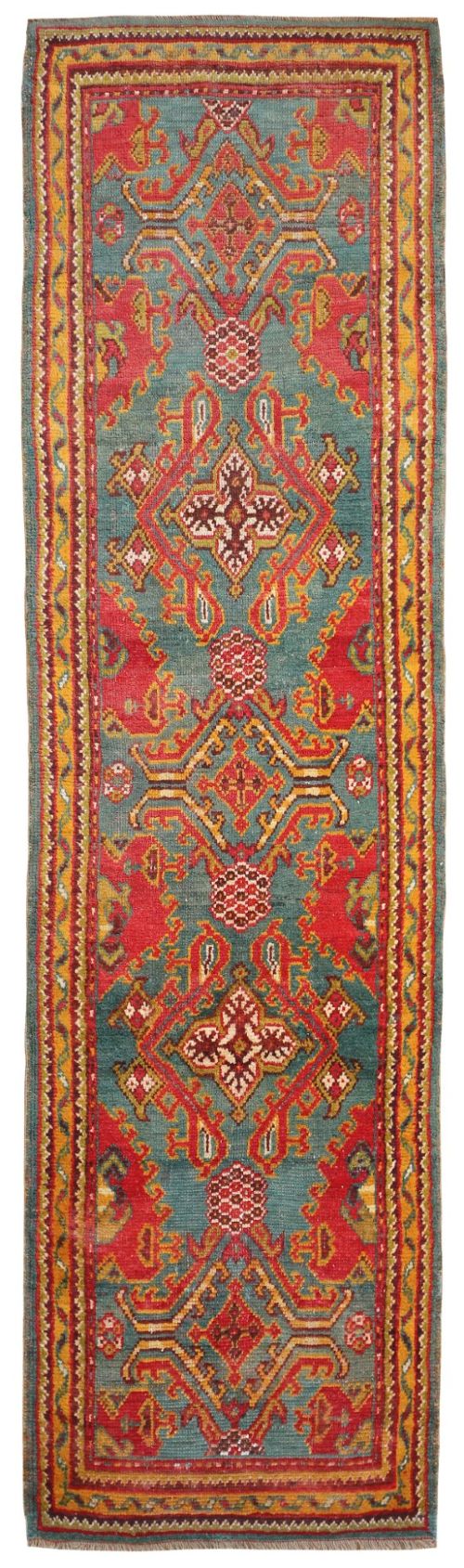
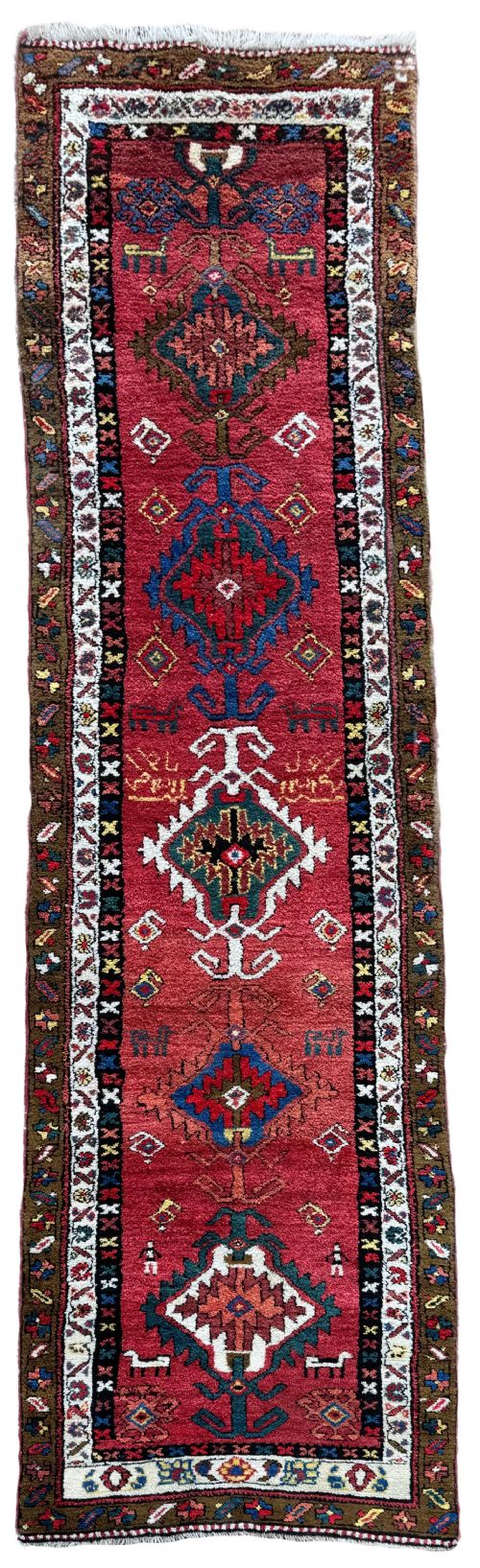
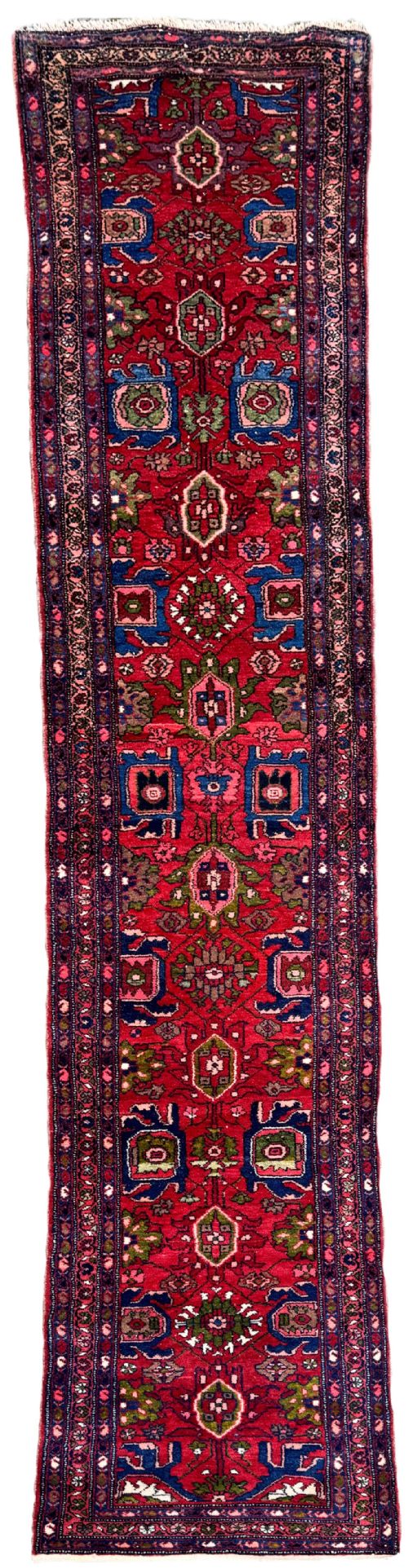
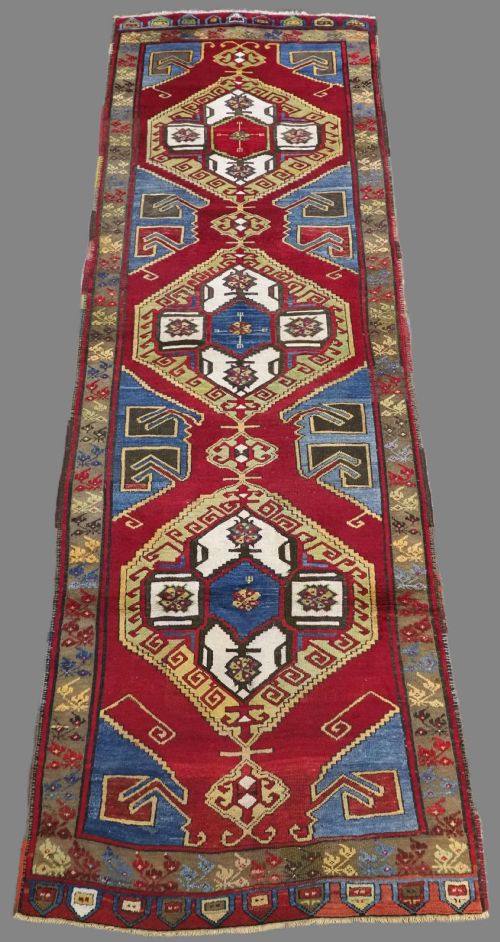
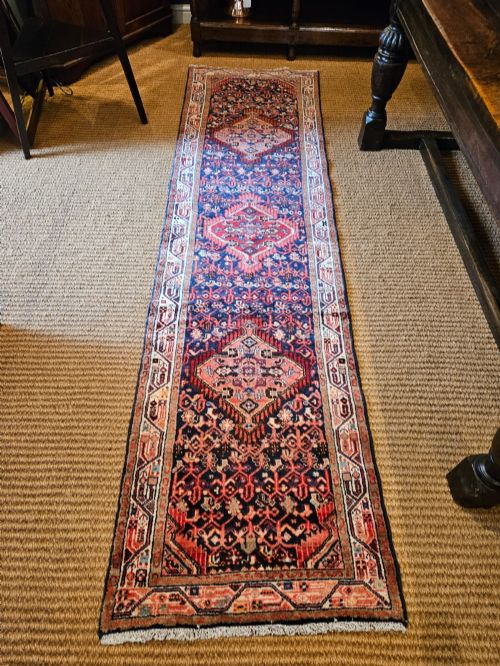
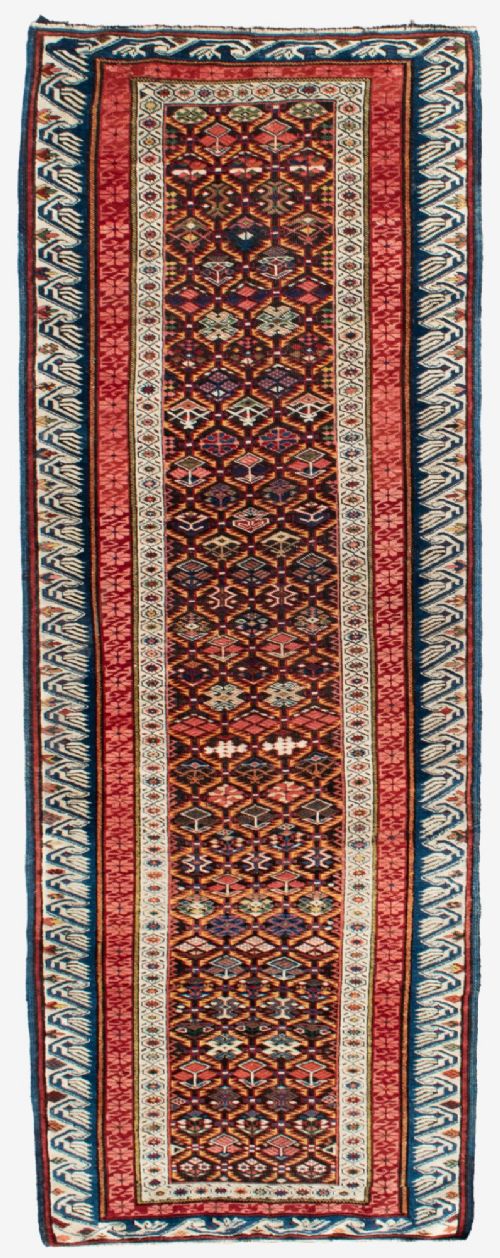
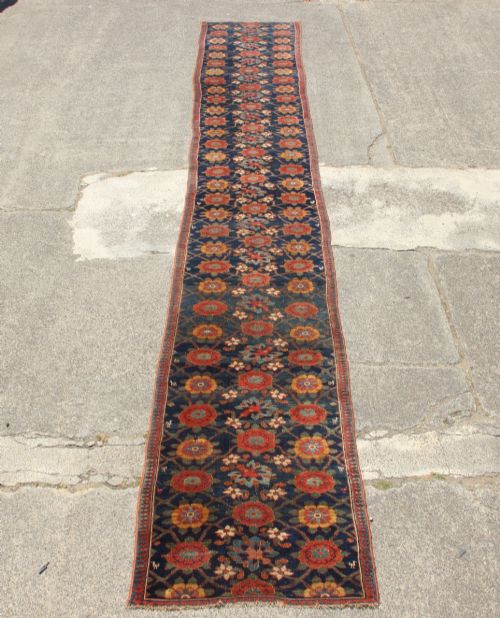
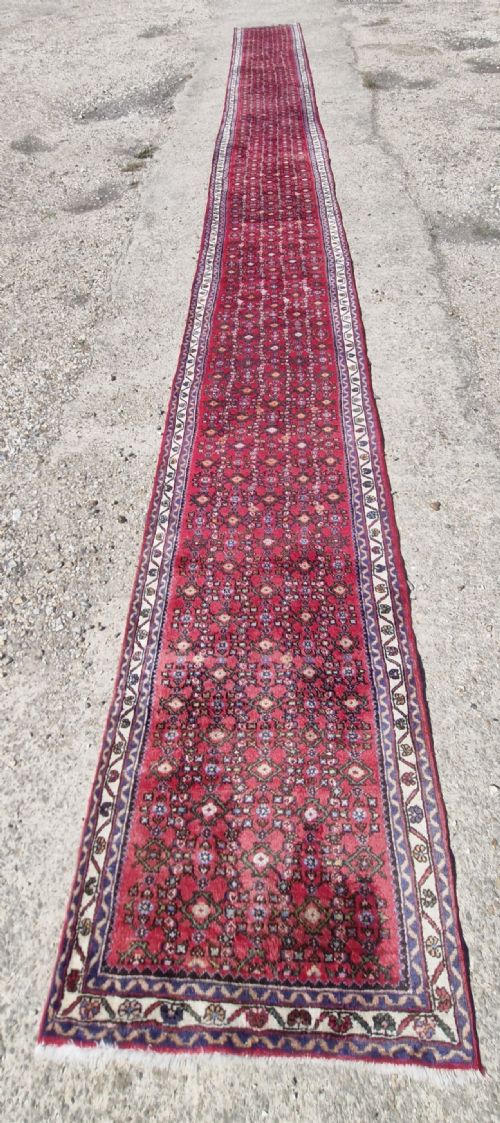


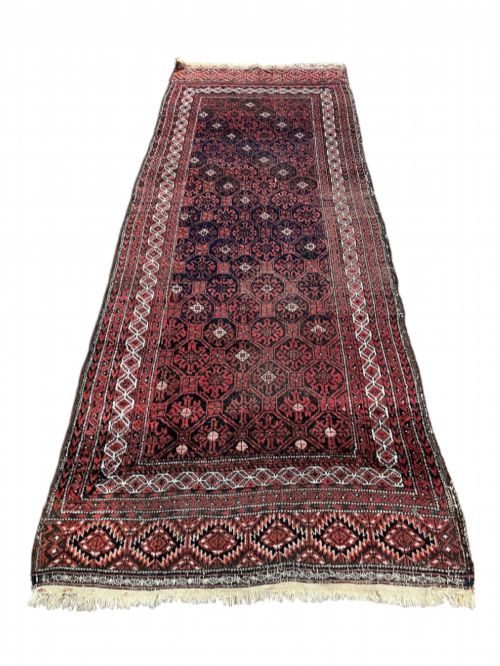
Red Wool Corridor Carpet
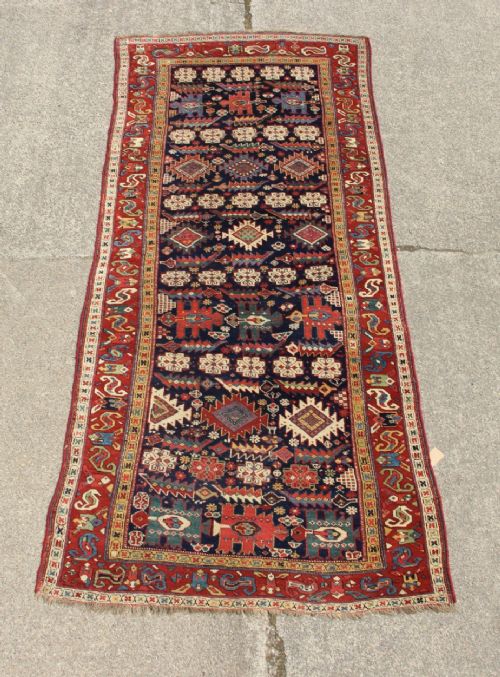
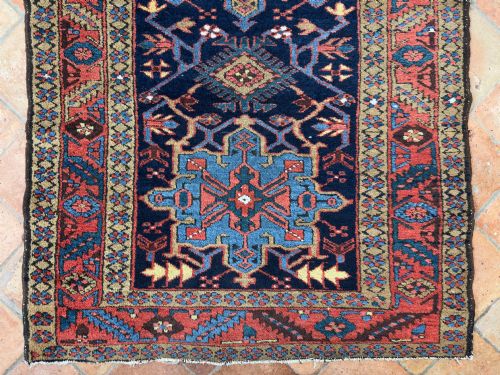
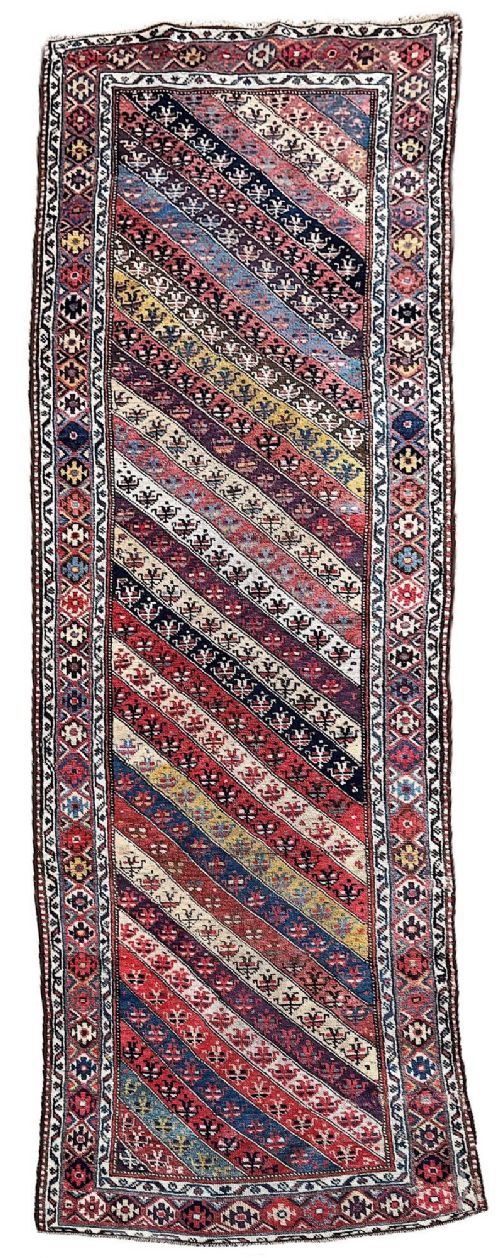
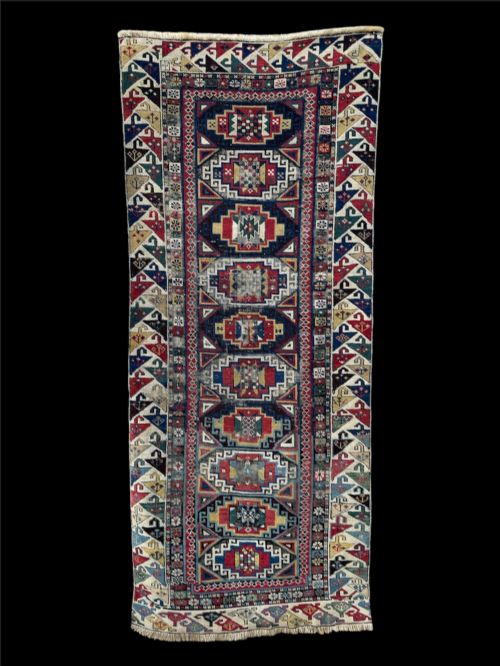
A red wool corridor carpet brings warmth and structural geometry to a long hallway, drawing the eye along the narrow expanse with rich tribal motifs.
Red Wool Corridor Carpet
A red wool corridor carpet is a long, narrow floor covering designed specifically for hallways, landings, and passages where a standard rectangular rug does not fit. These pieces emerge from various traditional weaving traditions, spanning Persian tribal workshops, Caucasian villages, and Anatolian districts.
The selections available here lean heavily toward antique Persian Heriz, Hamadan, and Kurdish runners alongside Caucasian and Turkish formats. They display formats extending multiple metres in length, scaled precisely for domestic corridors.
Makers in regions such as Heriz, Bakshaish, and Seychor utilised distinct local geometries and medallion systems. Buyers encounter formats dating from the nineteenth century into the early decades of the twentieth century.
How they were made
These carpets are constructed predominantly using hand-spun wool for the pile and cotton or wool for the foundational warps and wefts. The dense wool provides natural resilience against the heavy foot traffic typical of hallways.
Weavers knotted the yarn tightly onto vertical looms, employing traditional symmetrical or asymmetrical knotting techniques passed through generations. Natural dye sources supplied the characteristic deep red tones seen across these corridor examples.
Listings feature corridor carpets spanning from the mid-nineteenth century through the 1920s, originating from Persian, Caucasian, and Anatolian weaving regions.
What varies in quality
Quality rests upon the tightness of the knot density and the precision of the tribal geometry executed across the long format. Finer knotting allows intricate medallion details and sharp botanical borders to remain crisp over decades of wear.
The integrity of the foundation and the purity of the hand-spun wool determine longevity. Uniform pile height and consistent width along a multi-metre span indicate superior control by the original weaver.
The Red Wool Corridor Carpet Glossary
- Runner
- A long, narrow carpet format intended for corridors, hallways, and staircases. These pieces measure significantly longer than they are wide.
- Knot density
- The number of knots per square unit, which dictates the clarity of the design and the durability of the pile. Higher density typically correlates with finer workshop production.
- Warp
- The vertical threads stretched tightly on the loom before weaving begins. The visible fringes at either end of the carpet are formed by these structural threads.
- Weft
- The horizontal threads passed through the warps after each row of knots is tied. This yarn binds the structure together across the width of the carpet.
- Medallion
- A central ornamental motif positioned in the middle of the carpet field. Tribal weavers often repeat geometric or floral variations of this focal point.
Red Wool Corridor Carpet: Frequently Asked Questions
How do I measure for a corridor carpet?
Measure the clear floor space of your hallway, leaving an equal margin of exposed wood or stone around the perimeter of the rug. Ensure doorways along the passage can still clear the thickness of the pile.
Take measurements at multiple points along the length, as older tribal runners can occasionally vary slightly in width from one end to the other.
Are these carpets suitable for heavy hallway traffic?
Traditional wool runners woven with dense hand-spun pile withstand regular corridor foot traffic exceptionally well. Wool naturally resists dirt and maintains its resilience under sustained pressure.
Place a suitable underlay beneath the carpet to prevent slipping and to cushion the foundation against hard subfloors.
How should I clean an antique wool runner?
Vacuum the carpet gently on a low suction setting without a rotating brush bar to protect the wool pile and historical foundations. Professional specialist cleaning remains the safest method for addressing deeper soil.
Avoid soaking the piece or applying harsh chemical detergents that could disturb the natural dyes used in older Persian and Caucasian textiles.
How do I identify a Heriz runner?
Heriz runners typically display bold, geometric central medallions anchored by sturdy corner spandrels. The wool is often robust and heavy, designed to endure demanding conditions.
Look for large-scale geometric motifs rather than delicate curved florals, which distinguish these North-West Persian pieces from other regional styles.