








Blue Orange Japanese Plate
These blue orange japanese plate selections bring together centuries of export porcelain craftsmanship.
Blue Orange Japanese Plate
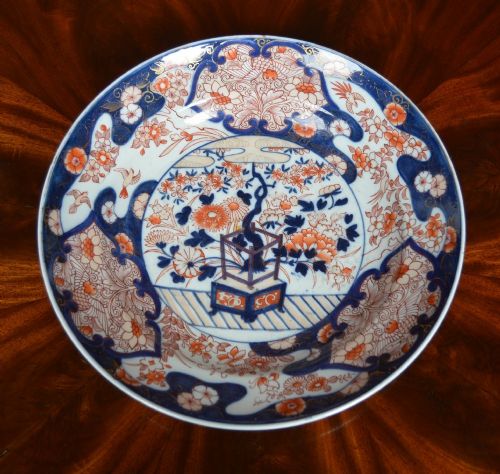
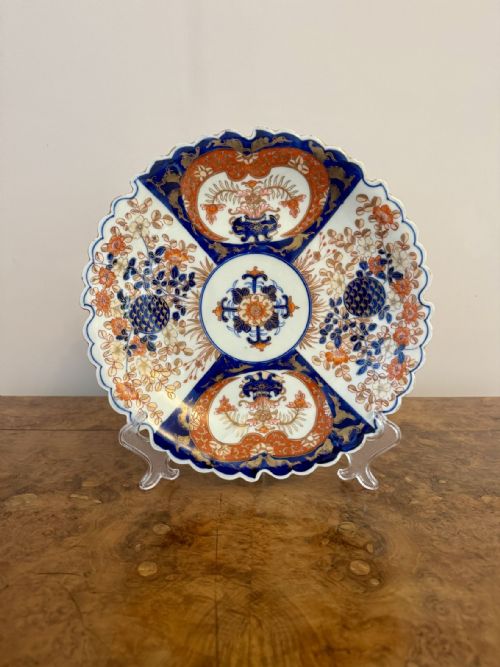
A blue orange japanese plate typically takes the form of an Imari charger, standard plate, or decorative dish. These ceramics span from the Edo period through the Meiji period and into the Victorian era.
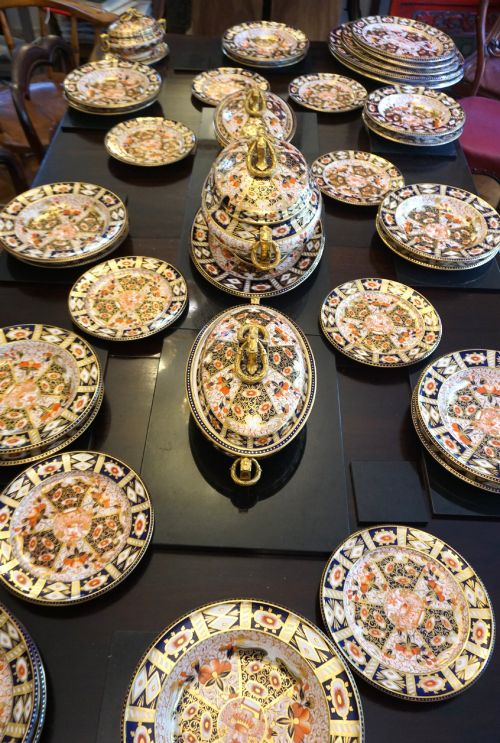
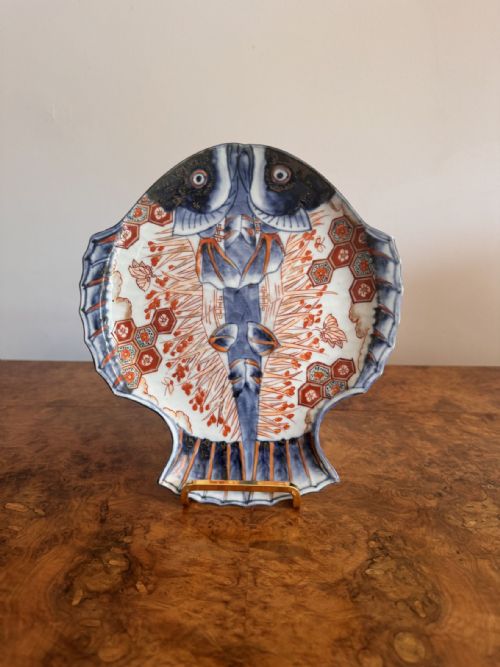
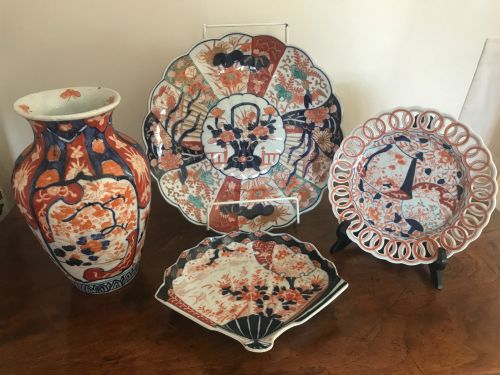
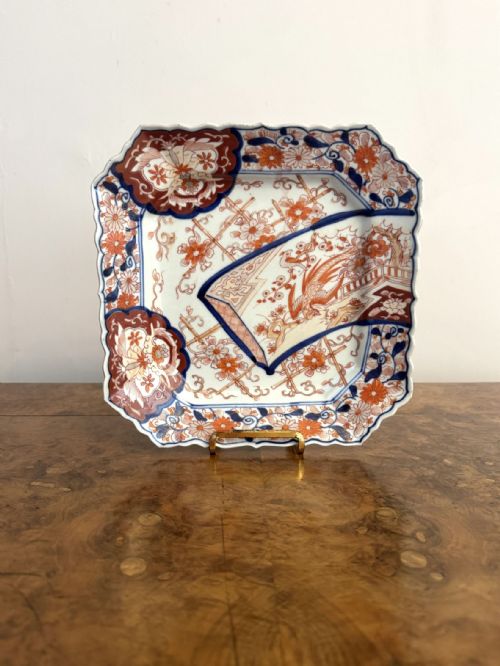
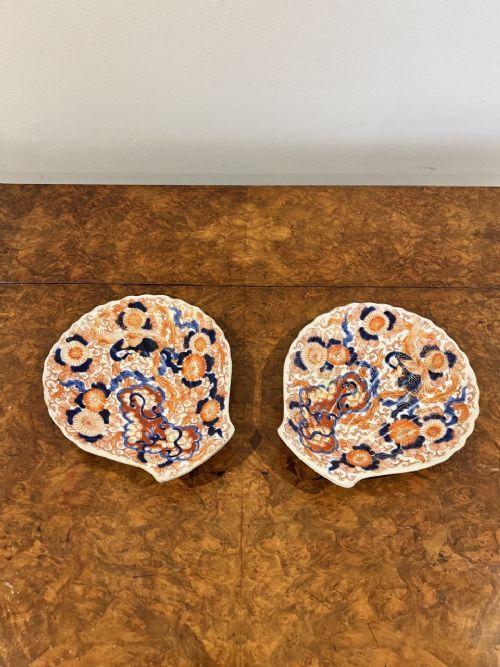
Buyers encounter circular chargers, hexagonal plates, and more unusual shaped examples including fish, shell, fan, ribbon, square, and oval formats. Many are found as pairs or larger matching sets intended for display.
The objects combine traditional Japanese forms with the distinctive blue and orange Imari palette that defined export trade ceramics over multiple centuries.
How they were made
Potters shaped these ceramics from porcelain before applying detailed hand painting beneath and over the glaze. Cobalt blue pigment provided the deep underglaze foundation.
Overglaze enamel in iron red or orange tones, often augmented with gold leaf and gilt highlights, added warmth and complexity to the finished surface.
Blue Orange Japanese Plate Retail Price Guide 2026
Typical asking prices for blue orange japanese plate among the pieces listed under this phrase on Sellingantiques today, from the lower quarter to the upper quarter. They describe what is for sale here now, not the wider market.
Listings span from the Edo period through the Meiji era, utilising porcelain, enamel, and gold leaf.
What varies in quality
The fineness of the hand painting determines much of the visual distinction between individual chargers and plates. Crisp brushwork in the cobalt underglaze separates standard production from superior examples.
The application of overglaze enamel and gold leaf varies significantly across periods. Richer density in the orange pigment and intact gilding elevate the visual impact of an Imari dish.
The Blue Orange Japanese Plate Glossary
- Imari palette
- A traditional decorative scheme utilising cobalt blue, iron red, and gold on a white porcelain ground. This distinctive colour combination originated in Japan for the export market.
- Charger
- A large decorative plate or platter primarily utilised for display rather than dining. These pieces often measure significantly wider than standard table plates.
- Overglaze enamel
- Coloured glass decoration applied on top of the already fired and glazed porcelain surface. This technique allows for vibrant orange and red tones.
- Edo period
- A historical epoch in Japan spanning from the seventeenth through the nineteenth century. Ceramics from this era often display early export characteristics.
Blue Orange Japanese Plate: Frequently Asked Questions
How are Imari chargers displayed?
These large plates suit wall hanging or placement on dedicated display stands. Their substantial size and detailed palettes draw the eye in interior settings.
Pairs and sets can be arranged symmetrically on large wall spaces or cabinet plate rails to highlight their coordinated hand painted motifs.
What is the Imari palette?
The Imari palette relies on a striking combination of underglaze cobalt blue and contrasting iron red or orange enamel. Accents of gold leaf frequently complete the design.
This specific tripartite colour scheme makes these ceramics instantly recognisable among antique export wares.
How do I date these plates?
Dating relies on stylistic clues, potting characteristics, and period markers such as Edo or Meiji designations. Earlier pieces from the seventeenth century differ in paste and brushwork from later nineteenth century examples.
Examining the foot ring and the depth of the cobalt blue provides further context regarding the manufacturing era.
Are these plates for dining?
Most antique Imari plates and chargers serve decorative functions rather than daily dining use. Their delicate enamels and gold leaf require gentle handling to preserve the painted surface.
Displaying them securely protects both the porcelain body and the vibrant overglaze decoration from accidental wear.