


Blue Oil Canvas Painting
When searching for a blue oil canvas painting, collectors find historical portraits and still lifes featuring rich blue pigments applied to woven textile supports.
Blue Oil Canvas Painting
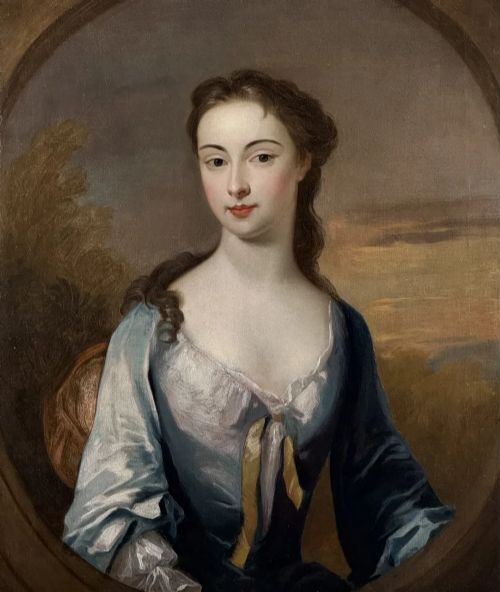
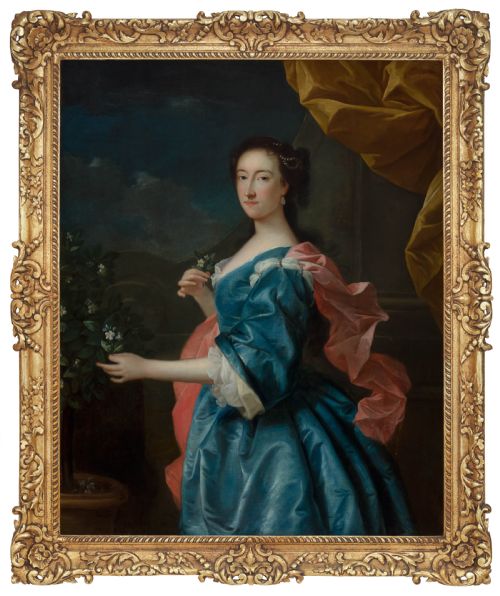
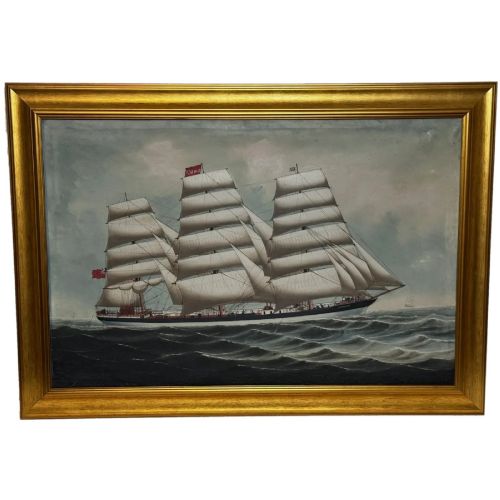
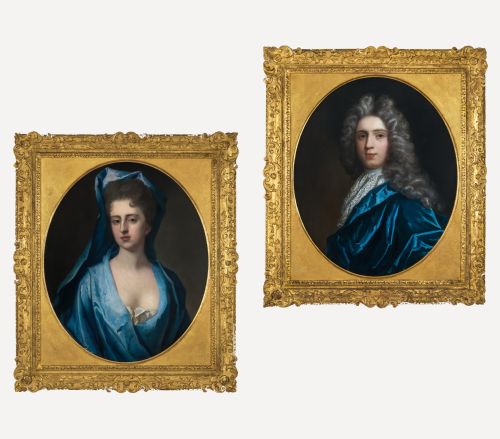
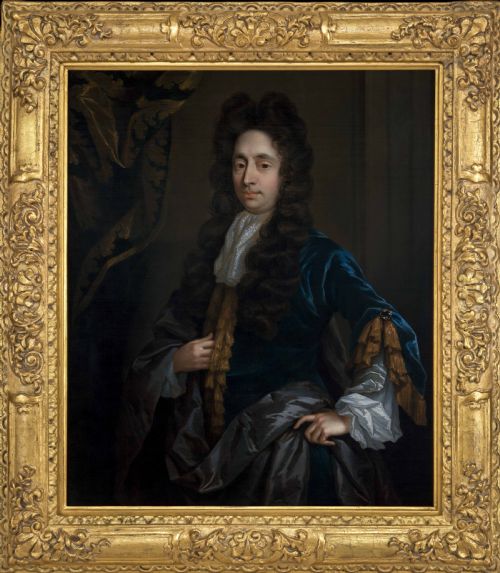
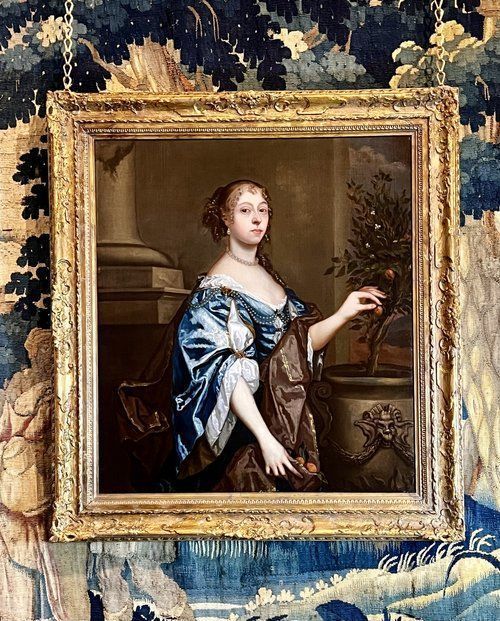
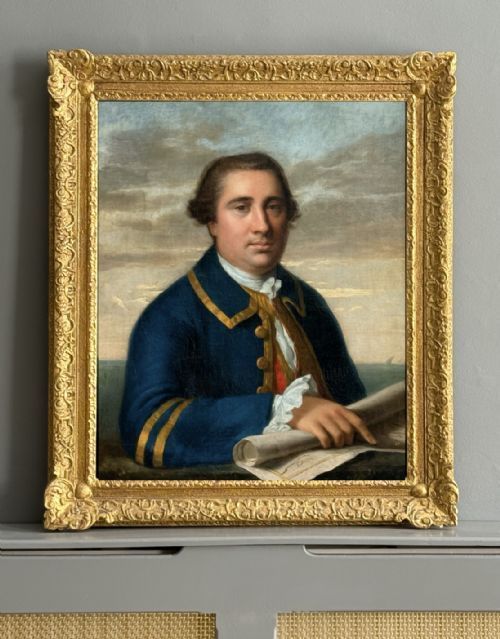
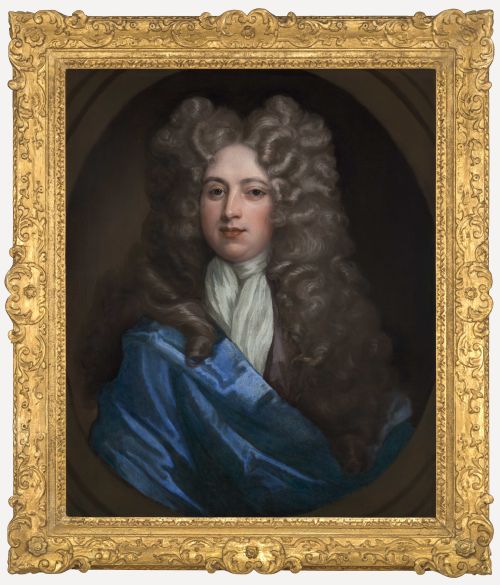
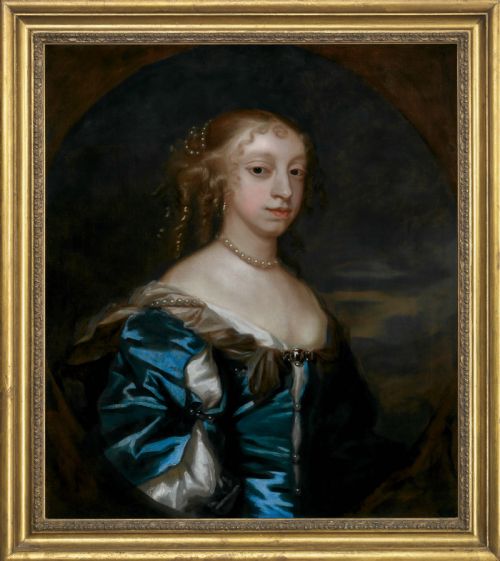
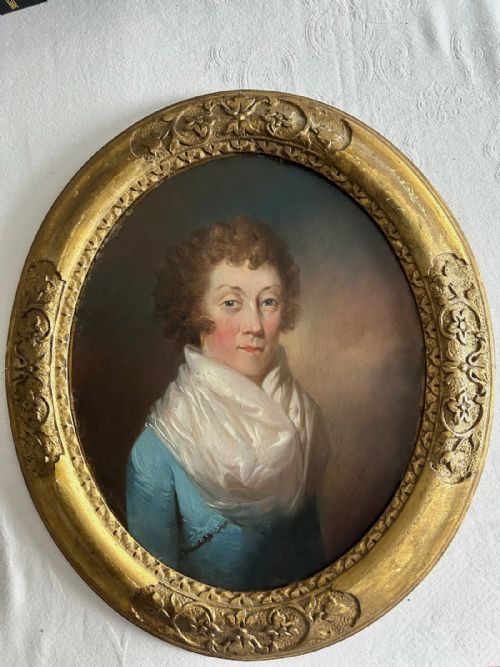
The pieces listed under blue oil canvas painting comprise historical portraits from the seventeenth and eighteenth centuries alongside later still lifes and landscapes. Many works capture sitters wearing blue dresses, cloaks, mantles, or coats, rendered by prominent British and European portraitists.
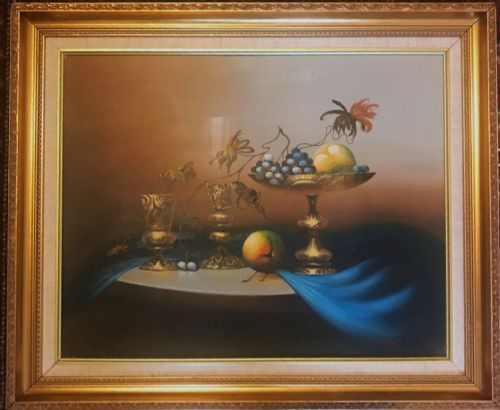
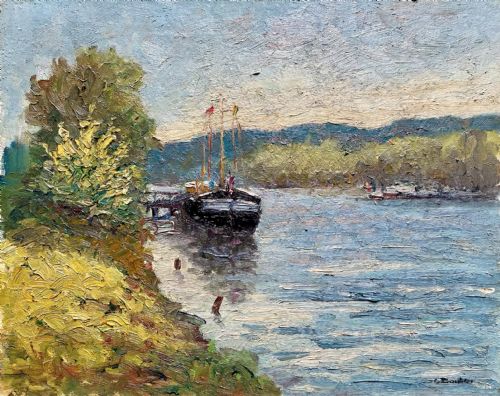
Beyond portraiture, the selection includes marine scenes, townscapes, and still life compositions featuring blue bowls, vases, and glassware. These span periods from the baroque era through to the twentieth century and contemporary works.
How they were made
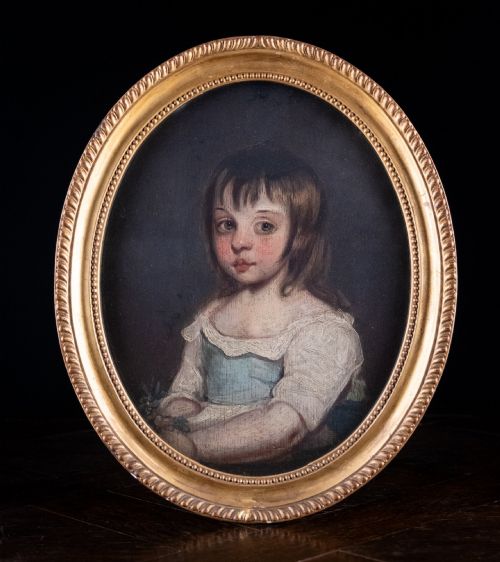
Artists painted primarily with oil paint directly onto stretched woven canvas supports, sometimes housed within period giltwood frames. Wood stretcher frames provide the structural foundation behind the canvas, while gilt or gilt wood mouldings finish the perimeter.
Pigments were layered to achieve deep tonal qualities, particularly in drapery and fabric, utilising oil binders that allow for smooth blending and rich surface textures.
Materials recorded across the selection feature oil paint, canvas, wood, giltwood, and gilt.
What varies in quality
The preservation of the painted surface and the originality of the canvas and stretcher assembly also influence the standing of an individual artwork.
John Hayls·Charles Jervas·Jeremiah Davison·Michael Dahl·Thomas Murray·Pieter Borsseler·Lemuel Francis Abbott·Sir Joshua Reynolds·Charles D'Agar·Robert Byng·Peter Brannan·Francis Moltino·Bernard Benedict Hemy·Thomas Creswick·Albert Bierstadt·Enoch Seeman·Jonathan Richardson·Michael Dahl·Herman Verelst·Robert Levrac-Tournieres·Sir Godfrey Kneller·Henry Pickering·John Closterman·Jurrien Beek·Mary Beale
The Blue Oil Canvas Painting Glossary
- Oil on Canvas
- A painting medium where pigments suspended in drying oils are applied to a woven fabric support. This combination allows for rich colour depth and gradual blending.
- Giltwood
- Wood carved and coated with a thin layer of gold leaf or gilt. It provides ornate framing for historical canvases.
- Portraiture
- The depiction of a specific human subject intended to capture likeness and status. Seventeenth and eighteenth-century examples frequently feature elaborate garments.
- Still Life
- An artwork depicting inanimate subject matter, such as fruit, flowers, or vessels. These compositions often incorporate blue glass or ceramic objects.
- Provenance
- The documented history of ownership of an artwork. It establishes authenticity and tracks the passage of a piece through time.
Blue Oil Canvas Painting: Frequently Asked Questions
What periods do these paintings cover?
The inventory spans multiple centuries, beginning with seventeenth-century baroque works and extending through the eighteenth-century georgian era and nineteenth-century pieces.
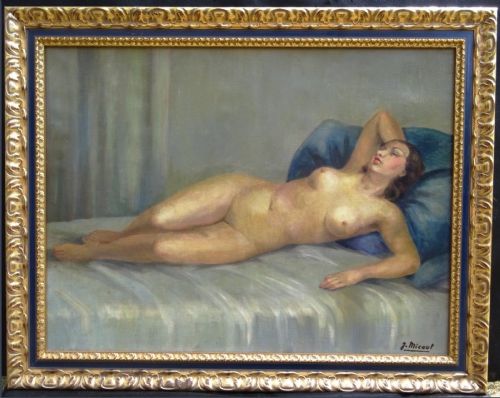
Later examples include twentieth-century post-impressionist canvases, mid-century compositions, and contemporary pieces produced beyond the 1960s.
What subjects appear most often?
Human portraits dominate the selection, frequently depicting subjects adorned in blue garments, cloaks, or ribbons. These are accompanied by floral still lifes, marine views, and architectural scenes.
Objects such as blue bowls, vases, and jars also feature prominently in tabletop arrangements and interior studies.
How are the canvases framed?
Many examples retain their period surrounds, constructed from carved wood finished with gilt or giltwood. These frames complement the depth of the oil paintings within.
Some contemporary or later works may feature alternative framing styles suited to twentieth-century aesthetics.
Are the artists documented?
A substantial portion of the works are attributed to named historical painters, studio circles, or specific regional schools from Britain and continental Europe.
Other listings comprise unsigned or naive compositions created by anonymous hands working within traditional genres.