



Cornish Impressionist Landscape
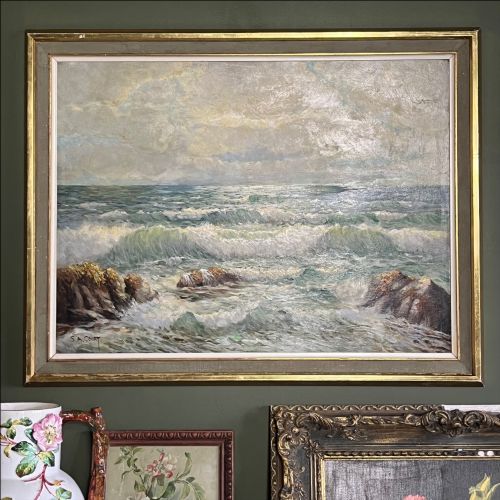
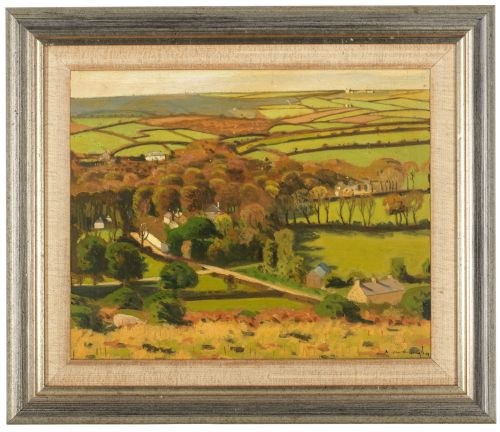
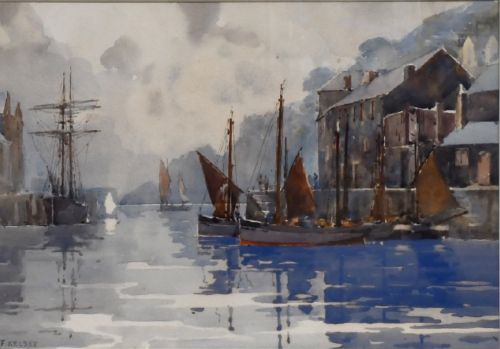
A cornish impressionist landscape captures the unique coastal light and rugged harbours of the far south-west, offering buyers a direct window into historic fishing villages and dramatic shorelines.
Cornish Impressionist Landscape
A cornish impressionist landscape reflects the distinct character of coastal Cornwall through the eyes of artists drawn to its striking maritime scenery and natural beauty. These works capture specific locations such as St Ives, Polperro, Looe, and Mevagissey during various decades of the nineteenth and twentieth centuries.
Buyers are most likely to encounter framed works executed in oil paint or watercolour on canvas, wood, or paper. The selection spans distinct artistic movements including the Newlyn School, British Impressionism, and Post-Impressionism, representing a rich tradition of plein air observation.
Evaluating the range
Quality rests upon the strength of the composition, the artist's ability to render light and atmosphere, and the preservation of the original paint surface or paper. Works by established figures associated with recognised schools generally demonstrate a surer handling of tone and perspective.
The immediacy of the brushwork and the clarity of the local colour also separate standard decorative examples from more accomplished studies. Framing and historical provenance further contribute to the overall desirability of an individual painting.
Materials represented include oil on canvas, watercolour on paper, and wood panels spanning the nineteenth and twentieth centuries.
Sidney A. Court·William Banks Fortescue·Robert Morson Hughes·Frank Kelsey·Edward Matthew Elliott·Gyrth Russell·George Turland Goosey·Ernest F. Hill·Frederick Stuart Richardson·William Lambert Bell·Jack R Mould·Hendrik Yan Wolter·S. J. Lamorna Birch·Cuthbert Crossley
The Cornish Impressionist Landscape Glossary
- En plein air
- Painting outdoors to capture direct observations of natural light and weather conditions. This practice was central to impressionist working methods.
- Impasto
- Paint applied thickly to a canvas or panel, standing out in relief from the surface. This technique creates a tangible sense of texture and movement.
- Newlyn School
- An art colony based in the Cornish fishing village of Newlyn from the late nineteenth century onwards. Artists focused on naturalistic depictions of local life and coastal scenery.
- Post-Impressionism
- An artistic development following impressionism that explored structural form and expressive colour. Practitioners built upon impressionist brushwork while pursuing individual styles.
Cornish Impressionist Landscape: Frequently Asked Questions
What subjects do these paintings show?
These works primarily depict Cornish coastal scenes, including busy harbours, low tide views, fishing boats, and rugged country landscapes. Locations such as St Ives, Polperro, and Mevagissey appear frequently.
Artists focused on capturing the distinctive light and maritime atmosphere of the region, recording everyday scenes from harboursides and coastal paths.
How should I care for a vintage watercolour?
Watercolours on paper require protection from direct sunlight to prevent fading of the pigments and discolouration of the paper support. Glazing with appropriate glass helps shield the surface from airborne pollutants and moisture.
Displaying these works away from direct heat sources and fluctuating humidity levels ensures the long-term stability of both the painting and its frame.
What is the Newlyn School?
The Newlyn School refers to a community of artists who settled in the Cornish fishing village during the late nineteenth and early twentieth centuries. They embraced plein air painting to record the realities of local life and the surrounding coastal environment.
Their output forms a major part of British impressionism, known for atmospheric landscapes and marine subjects.
How do I distinguish between oil and watercolour?
Oil paint sits on the surface of canvas or wood, offering a rich texture and opaque coverage that can range from smooth to heavy impasto. Watercolours utilise transparent pigments applied to paper, allowing the pale ground to show through.
Oil paintings are generally displayed without glass protection, whereas works on paper require framing behind glass to safeguard the delicate medium.