
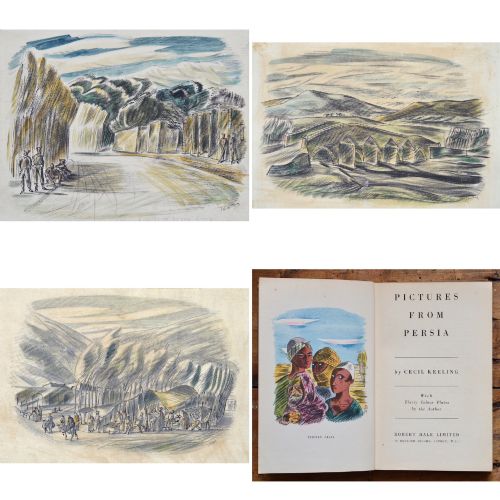

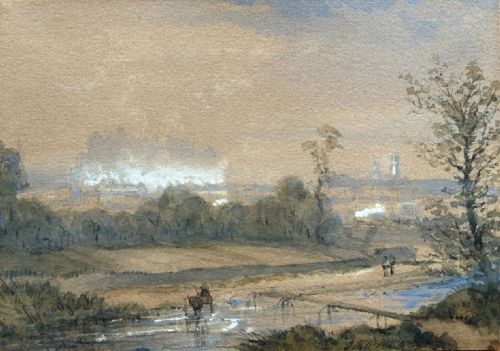
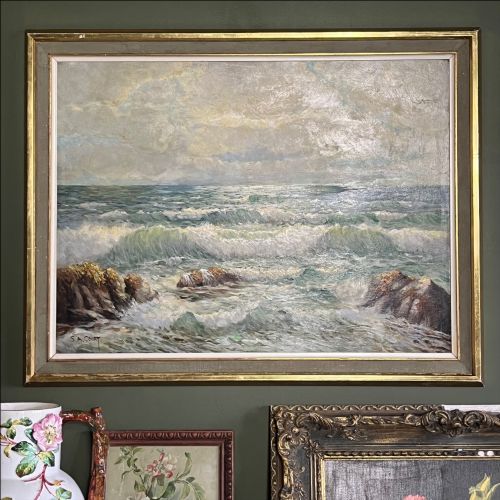
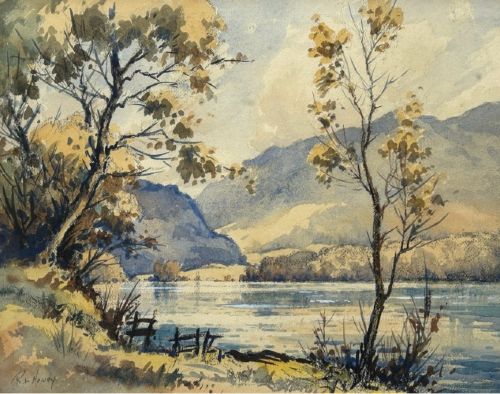
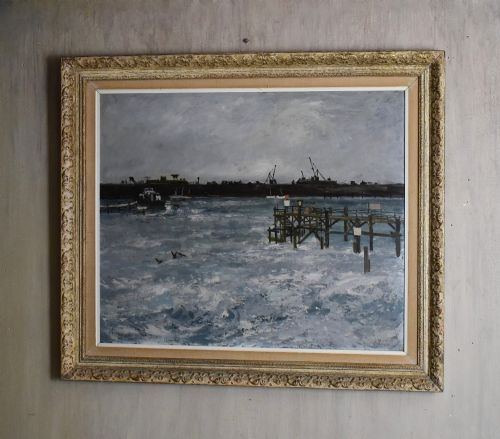
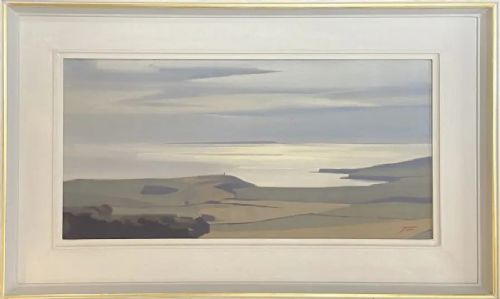
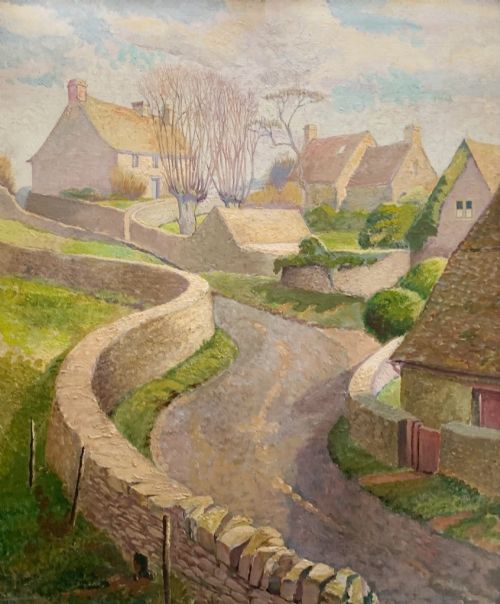
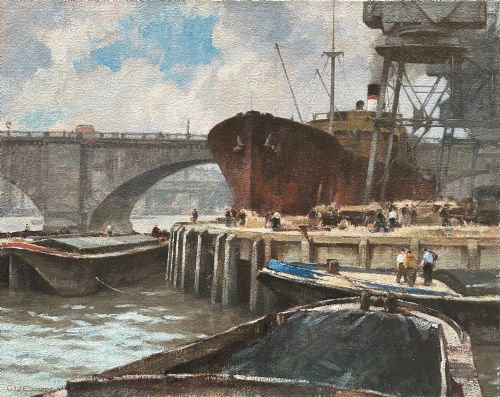
Mid Century British Landscape
Mid century british landscape paintings and watercolours capture the changing rural and industrial topography of the era through expressive brushwork.
Mid Century British Landscape
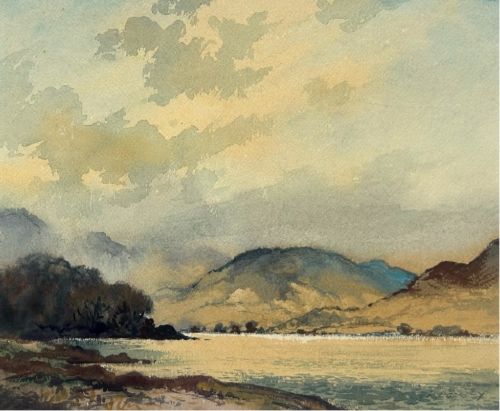
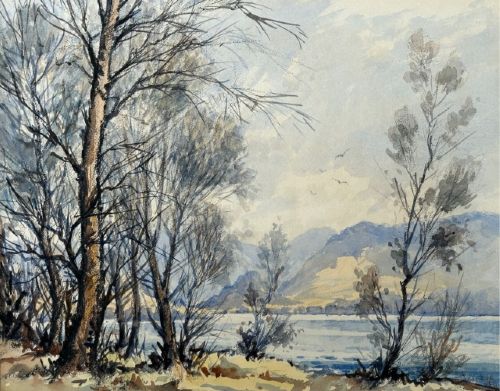
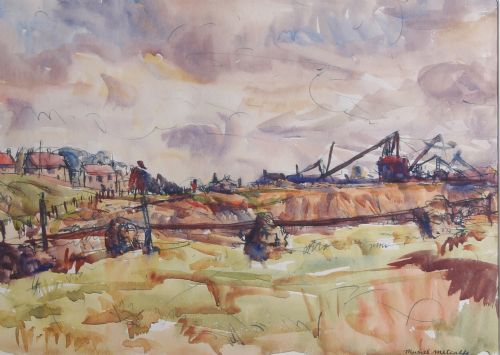
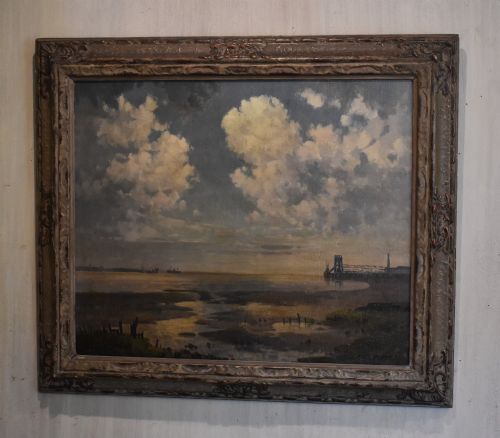
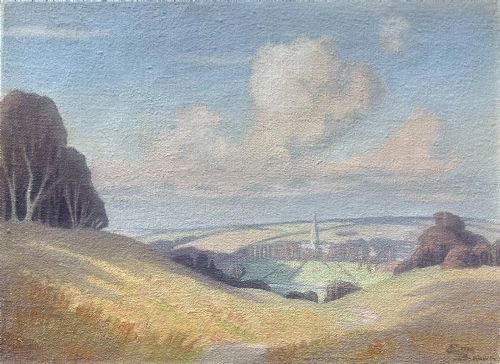
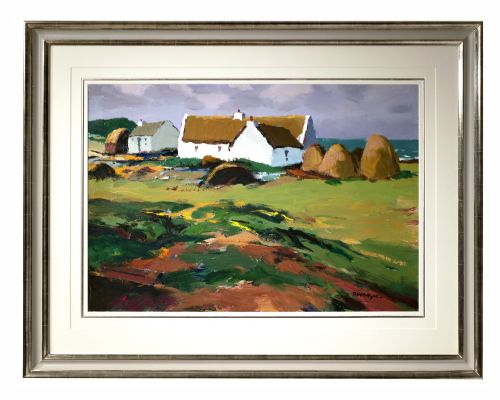
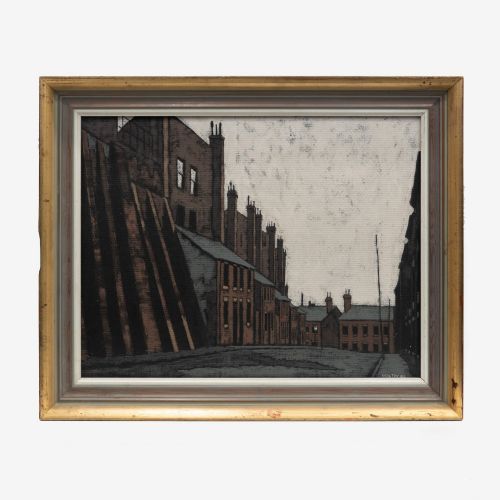
Mid century british landscape works document coastal harbours, northern industrial towns, and rural river valleys across England, Wales, and Scotland. These original paintings and watercolours reflect the varied topography of the British Isles during the mid-twentieth century, ranging from quiet country lanes to bustling ports.
The pieces appearing on this page typically date from the 1930s through to the 1960s, aligning with the mid-century modern and modern British movements. Painters of this period often worked en plein air, recording direct impressions of light and weather in the Lake District, Yorkshire, Cornwall, and beyond.
Buyers will encounter framed oils on board, canvas, and delicate paper watercolours bearing signatures of both established regional artists and lesser-known painters. Subjects span from quiet farmyards and rolling hills to gritty northern townscapes and coastal bays.
Materials and Technique
Artists of this period commonly applied oil paint or watercolour onto prepared wooden board, canvas, or heavy paper. Impasto techniques appear frequently in mid-century oils, building textured layers that capture thick light and shadow across hillsides and estuaries.
Watercolour painters utilised washes and ink outlines on paper to record fast-changing weather across northern dales and southern coastal paths. Works on board frequently show the grain of the wood or initial pencil sketches left visible beneath thin glazes of pigment.
Mid Century British Landscape Retail Price Guide 2026
Typical asking prices for mid century british landscape among the pieces listed under this phrase on Sellingantiques today, from the lower quarter to the upper quarter. They describe what is for sale here now, not the wider market.
Listings feature works spanning from the Victorian era through the 1960s, executed in oil, watercolour, and pastel.
Judging Quality
The upper tier of these works demonstrates confident brush handling and a distinct personal response to the terrain, avoiding formulaic composition. Stronger pieces employ a deliberate palette that captures the specific atmosphere of a location, whether a Cornish harbour or an industrial Yorkshire town.
Lesser examples rely on rigid formulas and decorative repetition without engaging the specific qualities of light or topography. Condition also influences standing, as watercolours affected by foxing or panels with heavy surface wear sit below well-preserved works retaining their original framing and pigment vibrancy.
Robert Leslie Howey·Helen Layfield Bradley·Joan Gillchrest·Edward Seago·William Burns
The Mid Century British Landscape Glossary
- En plein air
- Painting outdoors directly from the subject to capture transient effects of light and weather. This practice became central to landscape artists working across Britain during the twentieth century.
- Impasto
- Paint applied thickly to a canvas or board so that it stands out from the surface. This technique allows brush or palette knife marks to retain physical texture.
- Provenance
- The documented history of ownership or exhibition connected to an artwork. Studio sales and gallery labels often provide this verifiable background.
- Board
- A rigid flat panel, such as Masonite or plywood, used as a support for oil painting. It offers a firm surface favoured by mid-century painters working outdoors.
- Board wash
- A thin, transparent layer of diluted paint brushed across a support to eliminate stark white areas before starting a composition.
Mid Century British Landscape: Frequently Asked Questions
How do I date a mid century landscape?
Dates are often indicated by the artist's active working period, stylistic elements of the mid-century modern movement, or framing and labels on the reverse of the board or canvas.
Clues such as exhibition stickers, artist signatures, and secondary documentation like book reproductions help narrow the decade of creation.
What is the difference between oil and watercolour here?
Oils are typically painted on canvas or rigid board and offer thick textures, rich pigments, and strong resistance to fading over time.
Watercolours utilise paper supports and transparent washes, yielding lighter, more immediate atmospheric effects that require framing behind glass for protection.
Where were these landscape artists painting?
Makers travelled extensively across the British Isles, recording rural scenes in the Lake District and Yorkshire alongside coastal spots in Cornwall, Dorset, and Wales.
Urban and industrial centres in the north of England also provided frequent subject matter for artists working in an observational manner.
How should I care for a vintage painting on board?
Keep works out of direct sunlight and away from damp environments to prevent warping of the wooden support or fading of the paint surface.
Glass is rarely required for oil on board, but framing should allow the panel to breathe naturally without sealing it too tightly.