
Blue Glaze Pottery Vase
A blue glaze pottery vase brings rich cobalt depth and historic ceramic craft directly into a room.
Blue Glaze Pottery Vase
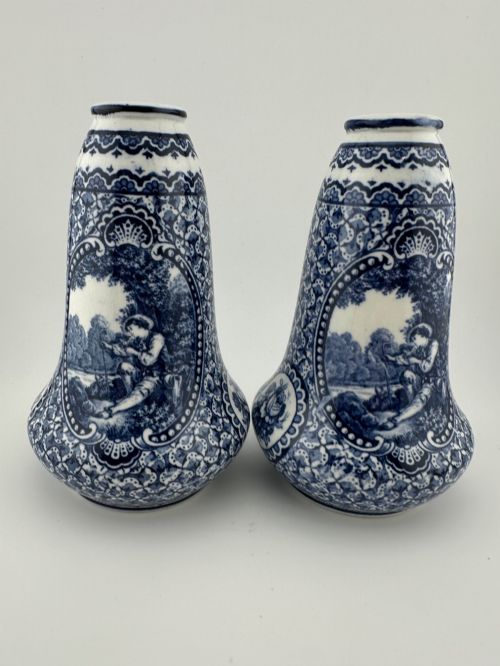
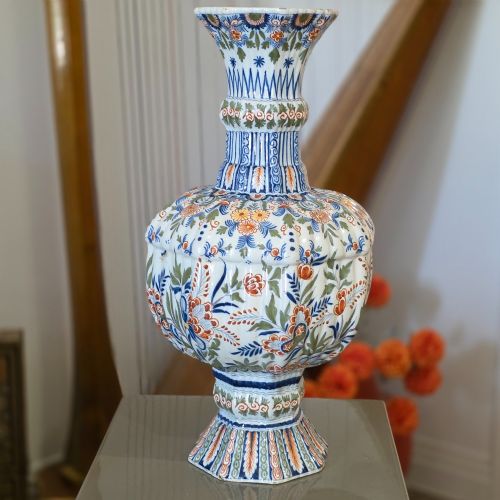
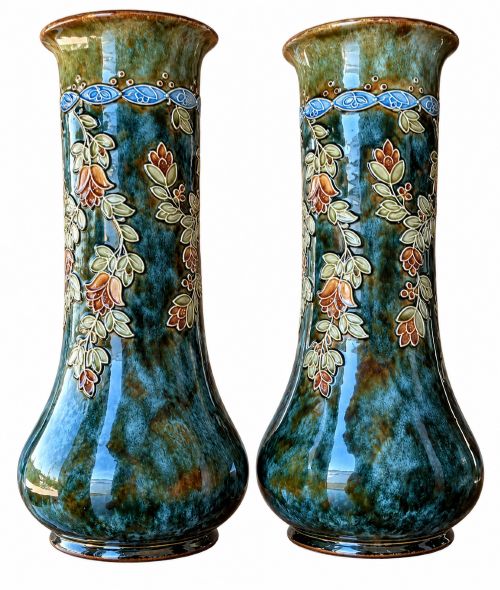
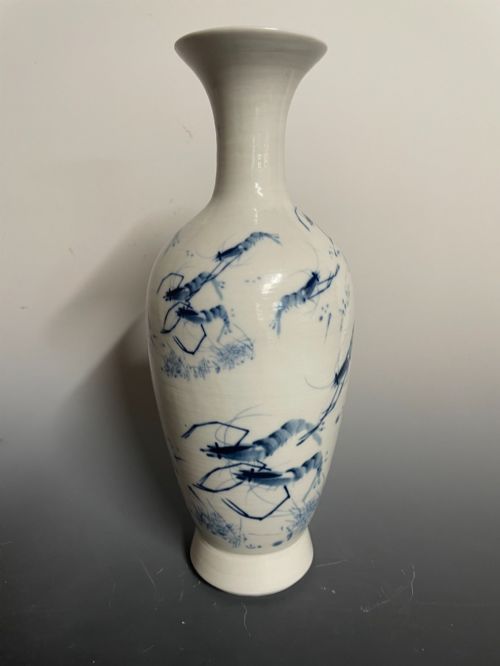
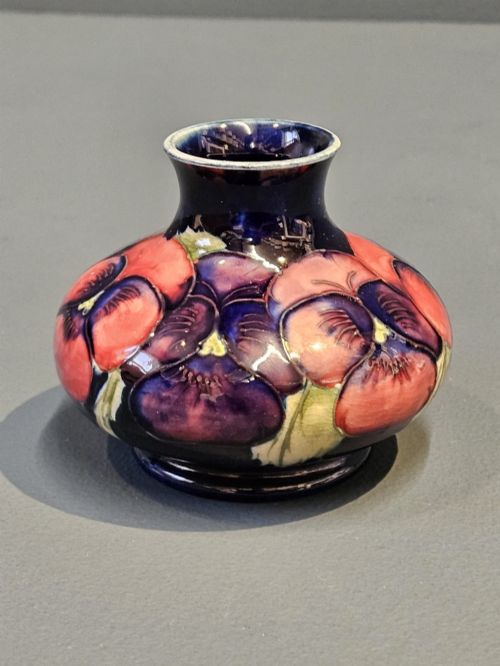
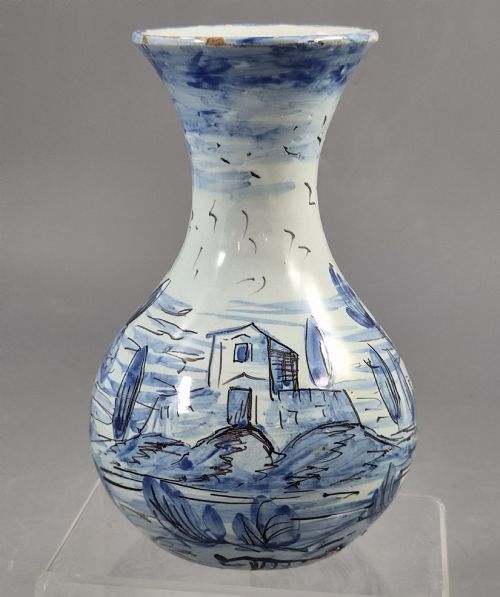
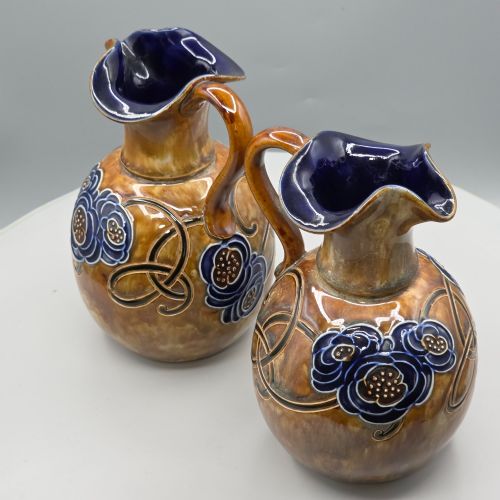
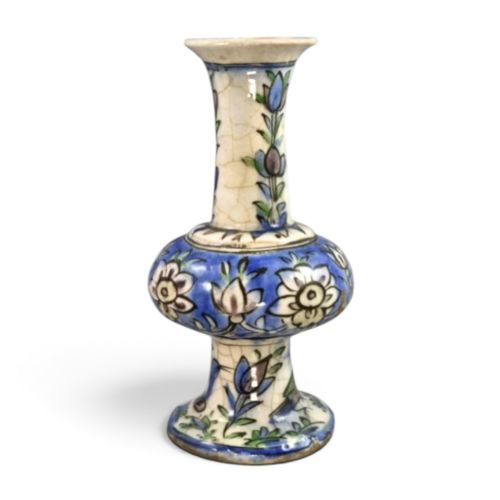
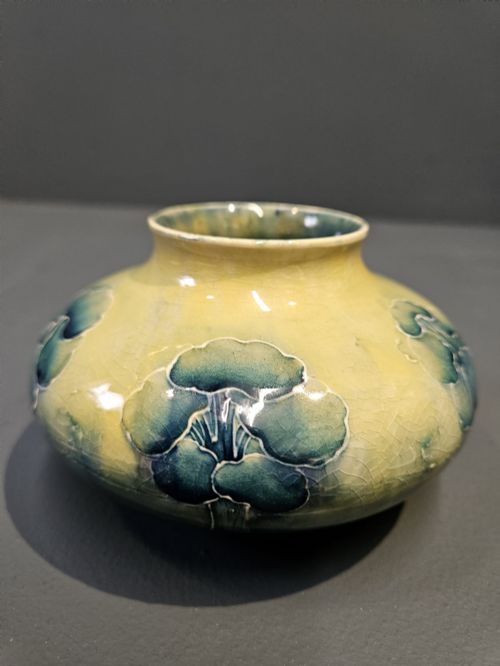
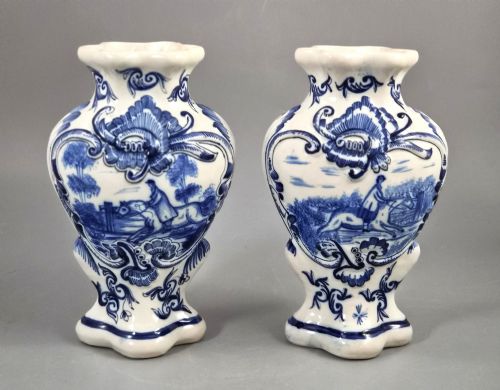
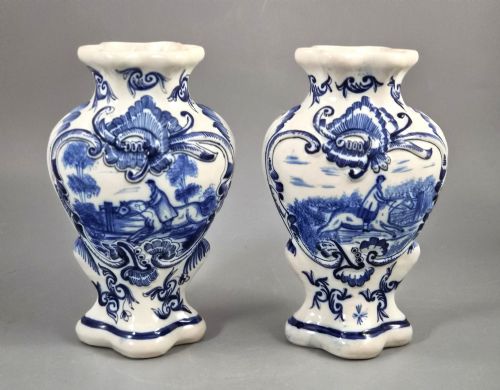
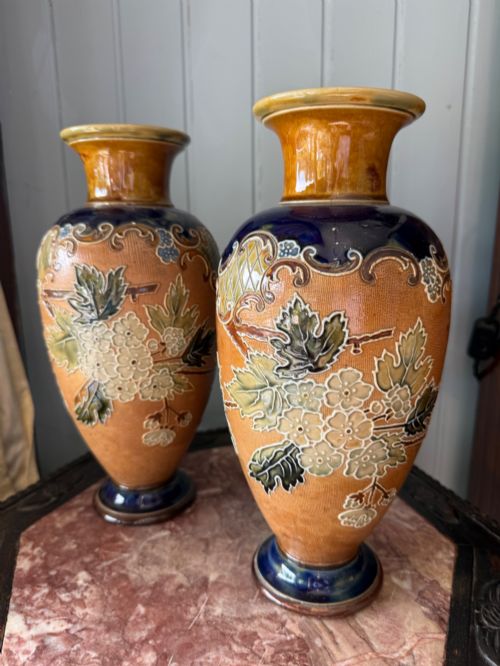
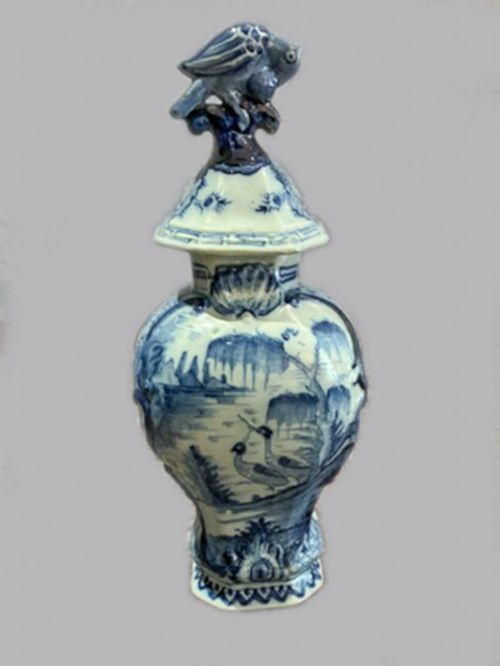
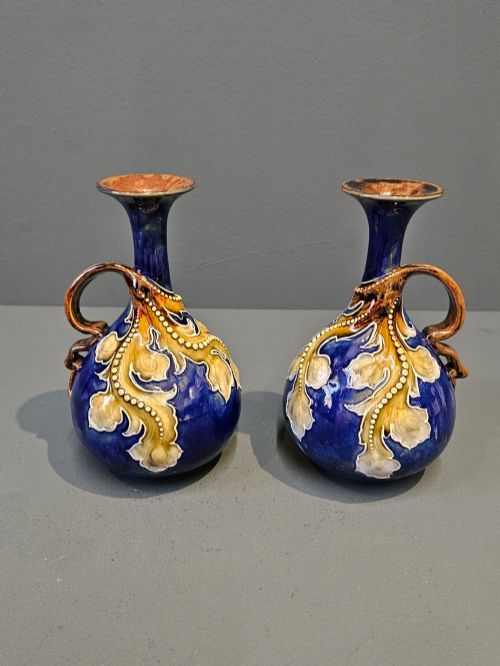
A blue glaze pottery vase encompasses centuries of global ceramic tradition, ranging from traditional Dutch delftware and Italian majolica to British art pottery and Japanese wares. When searching for a blue glaze pottery vase, buyers encounter various forms including lidded jars, baluster vessels, and slender bottle vases.
The selection on this page spans from eighteenth-century earthenware to twentieth-century stoneware, reflecting diverse cultural aesthetics. Many examples showcase tin-glaze techniques or rich cobalt decoration upon ceramic bodies, offering distinct historic character for modern interiors.
How they were made
Potters shaped these vessels using earthenware, stoneware, or ceramic bodies, often applying tin glaze or crystalline finishes to create the characteristic blue surface. Hand-thrown or moulded forms were frequently decorated with cobalt pigments before undergoing high-temperature firing.
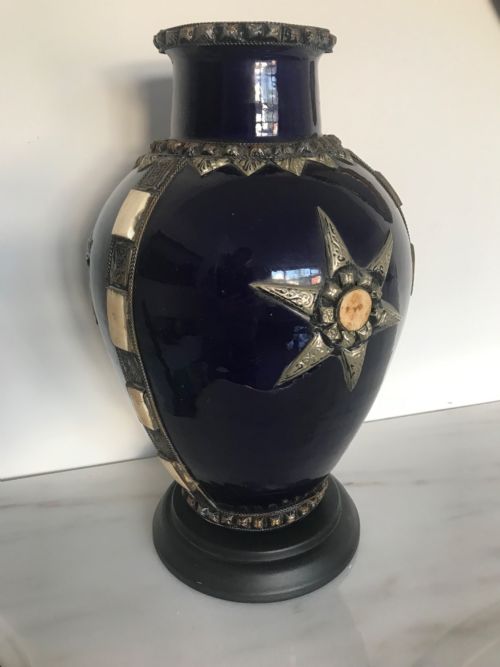
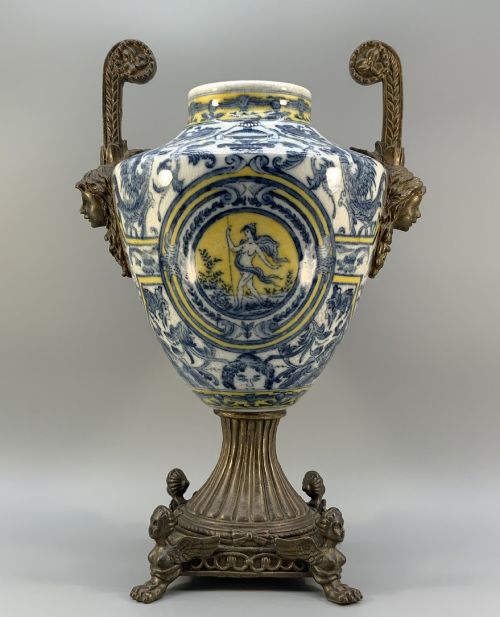
Many items feature additional artistic treatments such as hand-painted floral motifs, applied figures, or metal mounts in bronze and silver.
Listings feature items spanning from the eighteenth century through the twentieth century, incorporating earthenware, stoneware, and tin-glazed ceramics.
What varies in quality
The distinction between standard production and exceptional work rests upon the precision of the glaze application and the clarity of the painted decoration. Superior examples display depth in the cobalt tones and expert control over the ceramic firing process.
Artistic execution in hand-modelled details, signature markings from recognised potteries, and well-preserved surface finishes elevate specific pieces above standard decorative wares.
Royal Doulton·Moorcroft·Fourmaintraux-Courquin·Cantagalli·Lauder Pottery·Brannam·Minton·Wileman·Pierrefonds
The Blue Glaze Pottery Vase Glossary
- Tin-Glaze
- A ceramic glaze made opaque by the addition of tin oxide, providing a white background for blue painted decoration.
- Majolica
- A type of earthenware decorated with colourful glazes on a tin-white opaque ground, often associated with Italian and revival traditions.
- Baluster
- An architectural form resembling a pillar or column, frequently used to describe the curved, swelling shape of certain vases.
- Earthenware
- Porous pottery fired at lower temperatures, requiring a glaze to achieve impermeability against liquids.
- Stoneware
- A robust, vitrified pottery type fired at high temperatures until impervious to water, often utilised for durable art pottery.
Blue Glaze Pottery Vase: Frequently Asked Questions
How do I date an old blue vase?
Dating relies on examining the ceramic body, glaze characteristics, and any makers' marks or registration stamps on the base. Stylistic clues such as art nouveau contours or traditional delft painting styles also help narrow down the period.
Comparing the potting technique and wear patterns to documented examples from specific centuries provides further confirmation of age.
Can I use these vases for fresh flowers?
Many historic ceramic and stoneware vessels hold water securely, but older earthenware and tin-glazed pieces can be porous. It is wise to inspect the interior glaze for hairline cracks before filling.
Using a small glass insert inside delicate antique vessels protects the historic ceramic body from moisture damage.
How should I display a ceramic vase?
Place these pieces where natural light can accentuate the depth and sheen of the cobalt glaze. Stable surfaces away from heavy foot traffic ensure the safety of fragile handles and mounts.
Pairing vases with complementary historic objects creates a balanced display that highlights their distinct forms.
What is the difference between delftware and majolica?
Delftware primarily refers to tin-glazed earthenware originating from the Netherlands and England, typically featuring blue and white designs inspired by Asian porcelain. Majolica encompasses a broader tradition of tin-glazed pottery with roots in Italy and later revival movements.
Both employ opaque white glazes, but their regional decorative motifs and historical periods differ significantly.