


Blue Glaze Decorative Bowl
A blue glaze decorative bowl brings deep cobalt tones and rich ceramic surfaces into a room, offering both practical utility and striking visual presence.
Blue Glaze Decorative Bowl
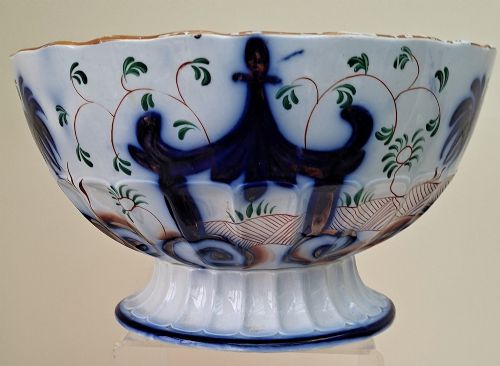
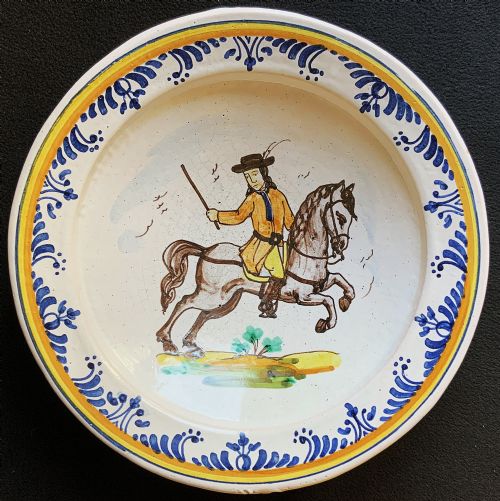
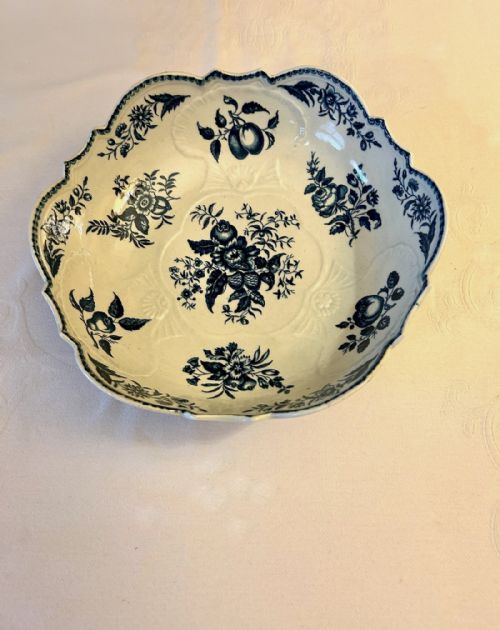
A blue glaze decorative bowl encompasses a wide array of ceramic vessels created across multiple centuries, ranging from early tin-glazed earthenware to intricate porcelain pieces. When exploring this selection, buyers frequently encounter items shaped as footed bowls, centrepiece bowls, and large chargers that showcase varied depths of blue colouration.
The objects span diverse cultural origins and aesthetic movements, including pieces influenced by Chinese traditions, Japanese ceramic artistry, and European pottery centres. Pieces from the eighteenth and nineteenth centuries sit alongside twentieth-century creations, providing a broad chronological sweep of ceramic design.
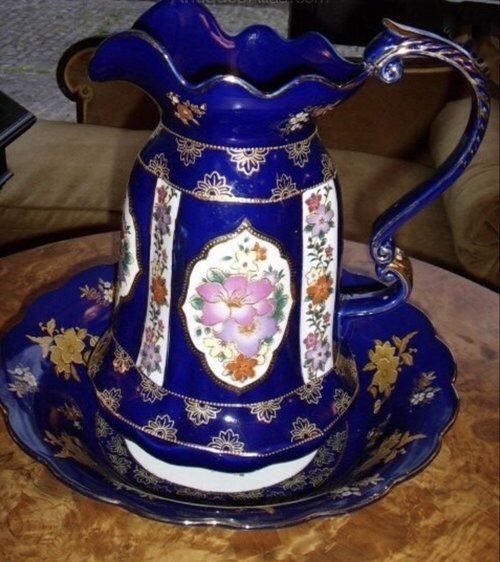
Makers and potteries utilise distinct decorative techniques, incorporating floral motifs, gilt highlights, and intricate lustre finishes upon the blue surfaces. These vessels function primarily as display objects, drawing the eye through their vivid glazes and balanced forms.
Materials and production methods
Potters shape these vessels using earthenware, porcelain, and ceramic bodies, which are then coated with specialised glazes containing cobalt and other mineral pigments. Tin-glazing and lustre techniques create opaque white surfaces or iridescent sheens that interact dynamically with the underlying blue tones.
Many items incorporate hand-painted details, incised motifs, and applied gold leaf or gilt ornamentation over the fired glaze. These layered applications require precise kiln firing temperatures to achieve the distinct visual depth characteristic of these bowls.
Defining factors of quality
Quality in these vessels rests upon the complexity of the glaze chemistry and the precision of the hand-painted or incised ornamentation. Rich cobalt depths and well-controlled lustre finishes indicate superior craftsmanship by the potter or manufactory.
The finesse of the ceramic body, whether delicate porcelain or well-thrown earthenware, influences the overall refinement of the piece. Superior examples demonstrate a harmonious balance between the form of the bowl and the application of its decorative scheme.
Wedgwood·Moorcroft·Kinkozan Kyoto·Gien faience
The Blue Glaze Decorative Bowl Glossary
- Cobalt glaze
- A rich blue ceramic colourant applied prior to high-temperature firing. It produces deep, stable blue tones that resist fading over centuries.
- Tin-glazed earthenware
- Pottery covered with an opaque white glaze containing tin oxide, providing a smooth canvas for painted decoration. This technique is typical of traditional faience and delftware.
- Lustreware
- Pottery featuring a metallic film that imparts an iridescent sheen to the surface. It catches ambient light to create shifting colour effects.
- Charger
- A large decorative plate or shallow bowl typically displayed on walls or furniture rather than used for dining. These pieces often feature elaborate pictorial designs.
- Junket dish
- A shallow moulded dish traditionally used for serving dairy desserts or sweet dishes. They frequently exhibit elaborate fluting or scalloped edges.
Blue Glaze Decorative Bowl: Frequently Asked Questions
How do I care for an antique ceramic bowl?
Display these vessels away from direct sunlight and areas subject to sudden temperature fluctuations to protect the glaze and any delicate gilt details.
Dust them gently with a soft, dry cloth and avoid using chemical cleaning agents or immersing them in water.
Were these bowls used for dining?
While some forms like junket dishes served functional roles at the table, many pieces acted as centrepieces or decorative chargers.
Their primary purpose has often been visual appreciation rather than daily service.
What causes the iridescent sheen on lustre bowls?
The iridescent effect results from a metallic film applied over the glazed ceramic surface during a specialised secondary firing.
This thin metallic layer refracts light to produce shimmering rainbow and bronze tones.
How can I tell the difference between earthenware and porcelain?
Porcelain is dense, vitrified, and slightly translucent when held to a strong light, whereas earthenware is opaque and more porous.
Glaze application also behaves differently on each body, yielding distinct surface textures.