
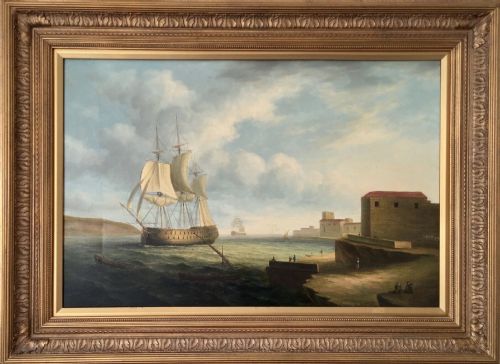
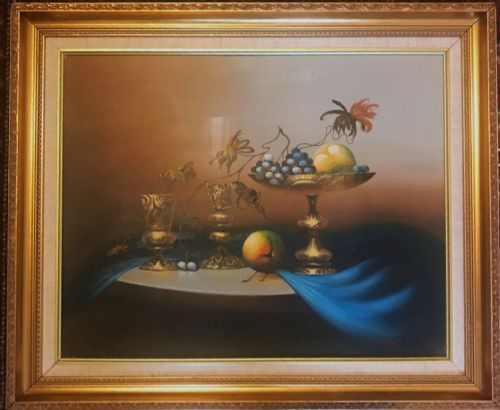


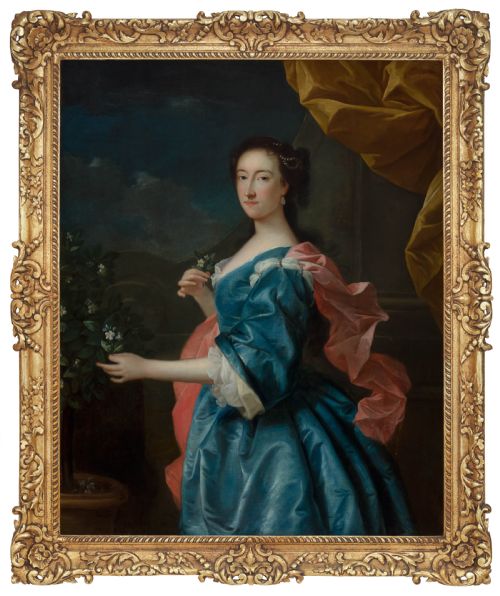
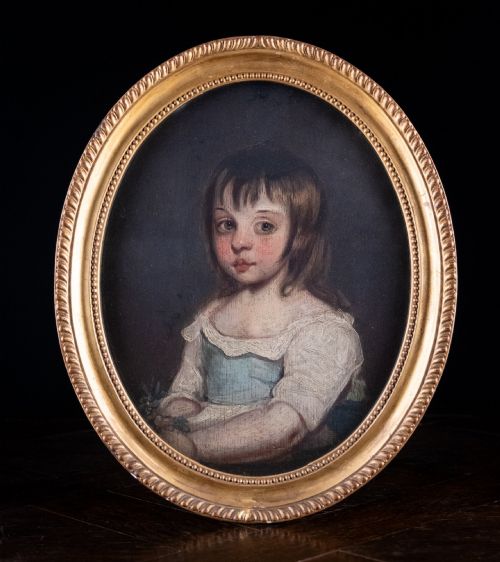
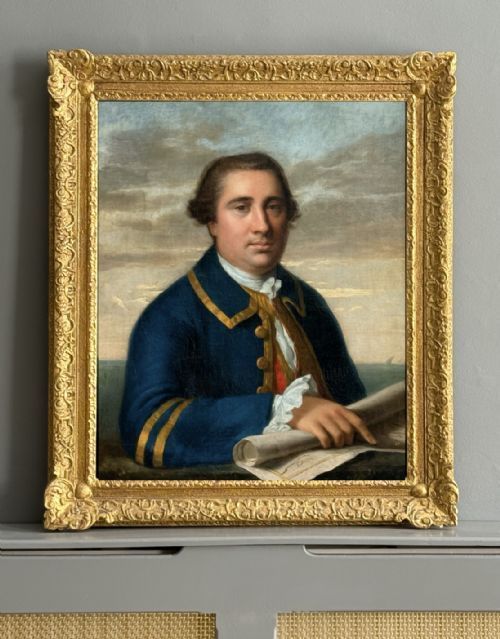
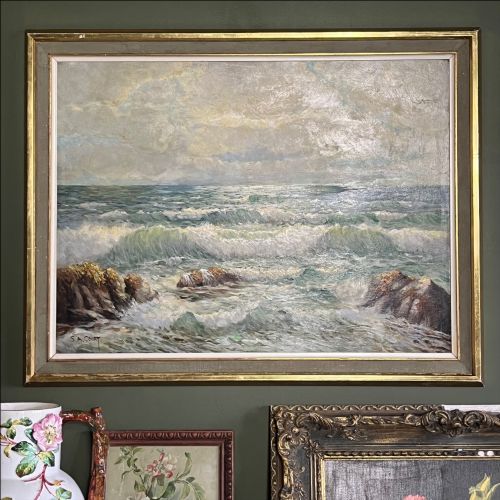
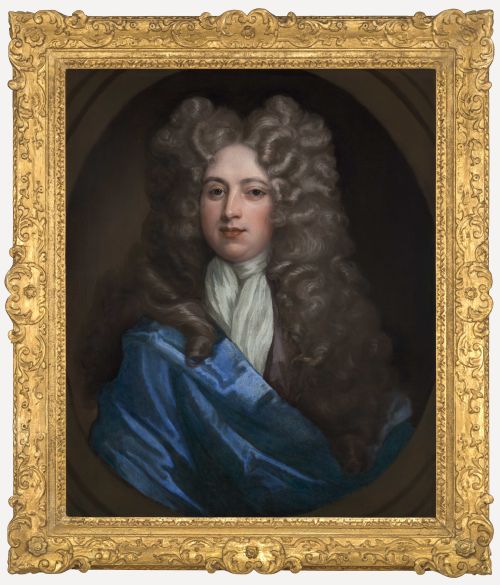
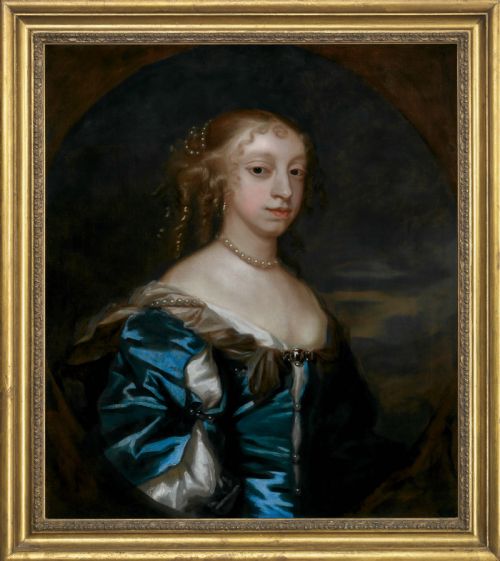
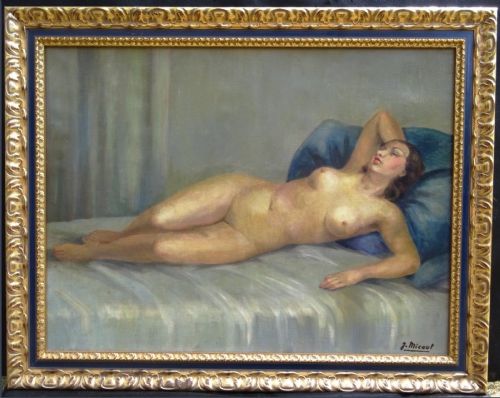
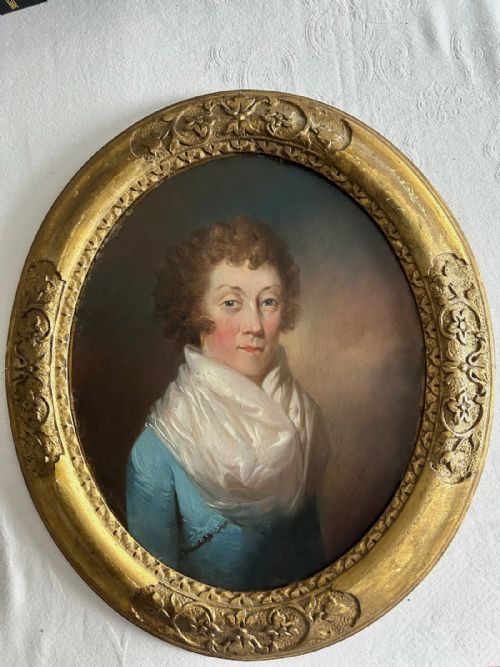
Blue Framed Oil Painting
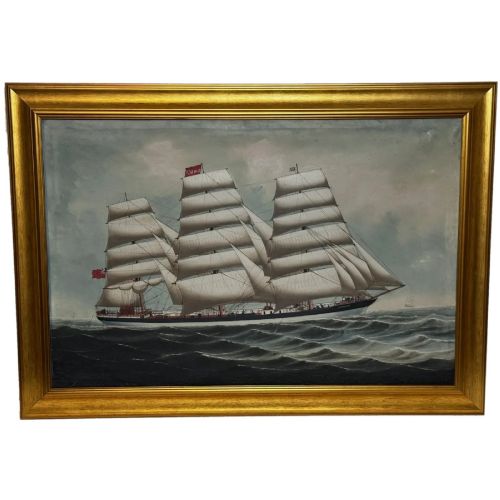
A blue framed oil painting brings together historical portraiture or coastal landscapes and distinct timber mouldings.
Blue Framed Oil Painting
A blue framed oil painting connects centuries of canvas and panel work with surrounds finished in blue tones. Buyers seek these pieces for their combination of pigment on canvas and painted or gilded wood housings.
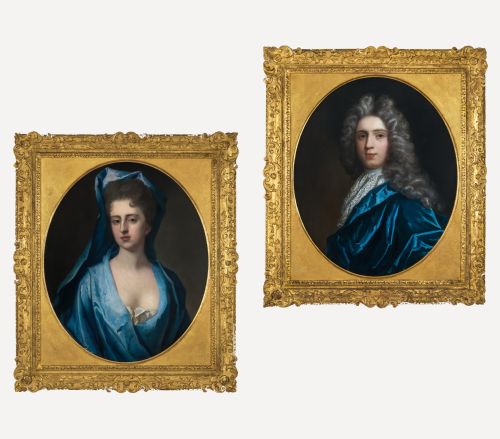
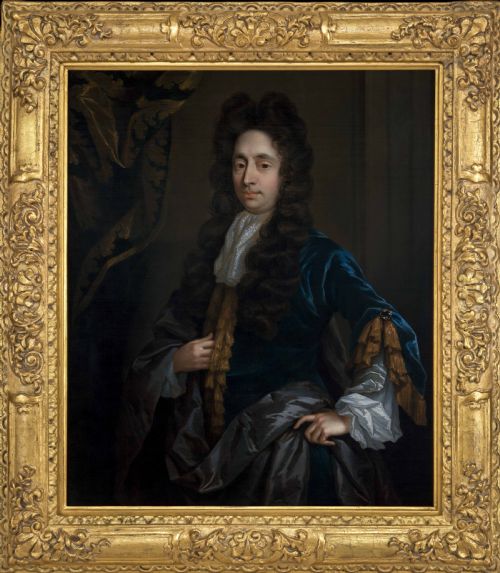
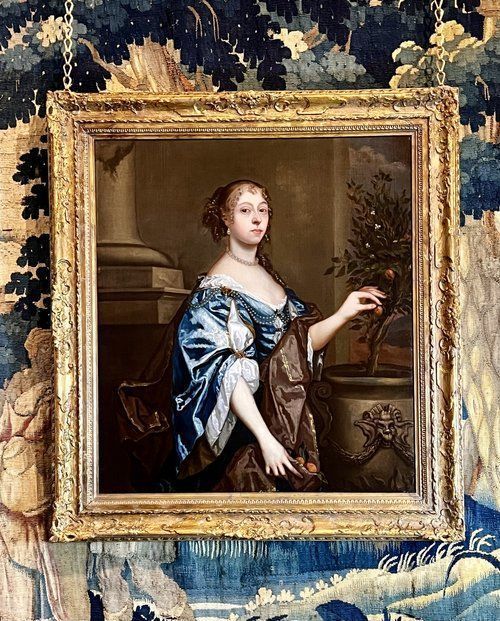
The selections span from seventeenth-century portraits of nobility through eighteenth-century maritime and domestic scenes to twentieth-century coastal views. Examples frequently pair historic portrait subjects with contrasting surrounds.
Portraits of ladies and gentlemen, marine scenes of warships and harbours, and still lifes make up the primary forms. Pieces arrive on canvas, wood panels, or board supports housed within period surrounds.
Materials and construction
Makers utilised oil paint applied to stretched canvas, wooden panels, or board surfaces. Pigments bind with oils to build deep tones across portraits and landscapes.
Frames employ timber foundations, often finished with giltwood, gesso, or applied paint. Joinery secures the corners while rebated interiors hold the canvas securely in place.
Listings span from the seventeenth century through to works created later than nineteen-sixty, using oil paint, canvas, wood, and giltwood.
Assessing quality
Brushwork precision and anatomical accuracy separate master works from studio copies. Hands, drapery, and facial expressions reveal the skill of the artist.
Frame condition and originality define the overall integrity of the piece. Period mouldings that match the era of the canvas retain higher historical value.
John Hayls·Jeremiah Davison·Michael Dahl·Thomas Murray·Constantyn Netscher·Pieter Borsseler·Lemuel Francis Abbott·Sir Joshua Reynolds·Charles D'Agar·Alfred Pollentine·Bernard Benedict Hemy·Thomas Creswick
The Blue Framed Oil Painting Glossary
- Oil on canvas
- Pigment suspended in drying oil applied to woven fabric stretched over a wooden frame. This technique allows for rich blending of colours and long-term durability.
- Panel painting
- Art executed on a flat piece of wood rather than fabric. Oak and other hardwoods serve as stable bases for early works.
- Giltwood
- Timber carved and coated with a thin layer of gold leaf or metallic powder. It provides a reflective surface around the painting.
- Periwig
- A voluminous artificial hairstyle worn by men in the seventeenth and eighteenth centuries. Its presence helps date portrait subjects.
- En plein air
- Painting executed outdoors directly from nature to capture natural light. This method became popular in the nineteenth and twentieth centuries.
Blue Framed Oil Painting: Frequently Asked Questions
How do I date an old oil painting?
Examine the canvas weave, stretcher construction, and style of clothing or hair on the subjects. Pigment analysis and framing techniques offer further chronological clues.
Secondary evidence such as artist signatures, inscriptions on the reverse, and old labels also assist in establishing a reliable date range.
Are these paintings original works?
The inventory consists of hand-painted original works on canvas, panel, or board rather than modern reproductions. Many bear signatures or attributions to historical artists and studios.
Attributions range from direct works by listed painters to pieces produced by their circles or contemporary followers.
How should I care for a framed oil painting?
Keep the artwork away from direct sunlight, high humidity, and rapid temperature fluctuations to prevent cracking in the paint layer. Dust the surface gently with a soft, dry brush.
Avoid using water or chemical cleaners on both the canvas and the frame to preserve the original finishes.
What subjects appear most frequently?
Portraits of nobility, merchants, and ladies dominate the earlier periods, often featuring elaborate dress and accessories. Maritime scenes, coastal views, and still life compositions appear across later centuries.
These diverse subjects reflect the changing tastes of patrons from the seventeenth century through to the modern era.