



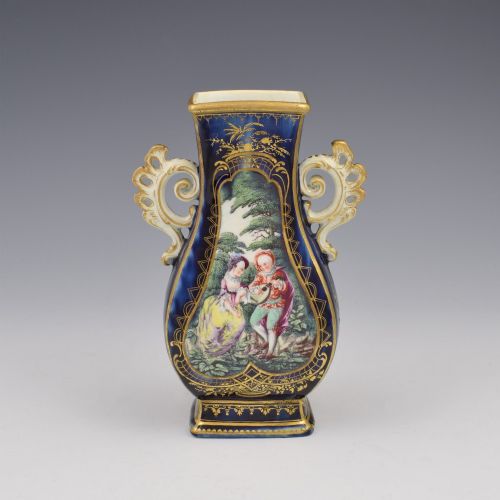
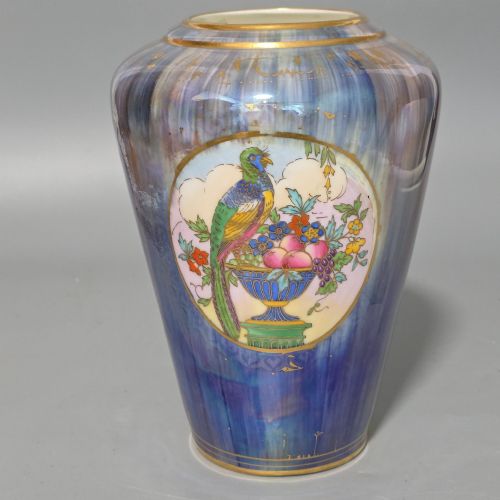

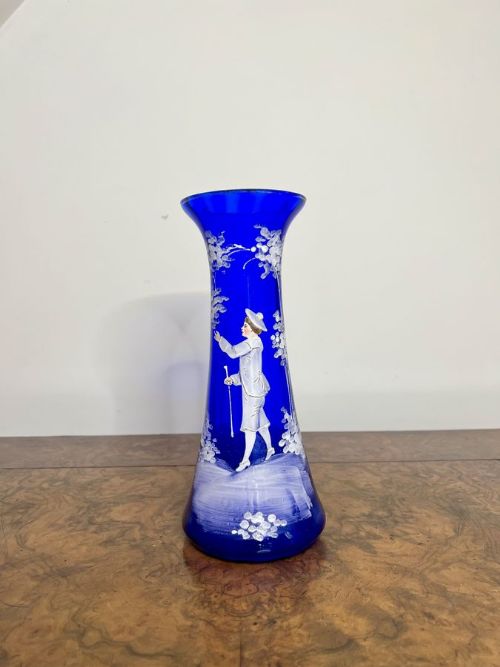


Blue Enamel Urn
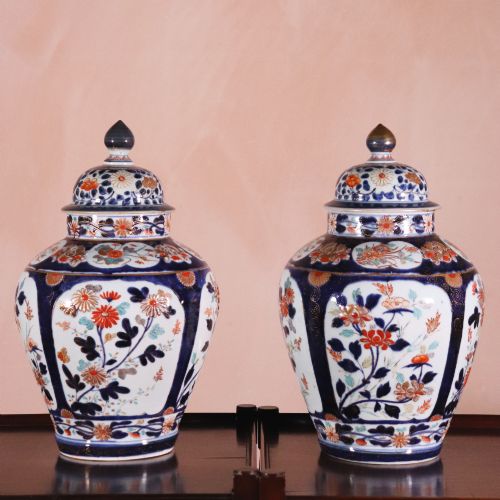
A blue enamel urn brings together rich metallic bodies and fired vitreous colour, offering a striking focal point for interior display.
Blue Enamel Urn
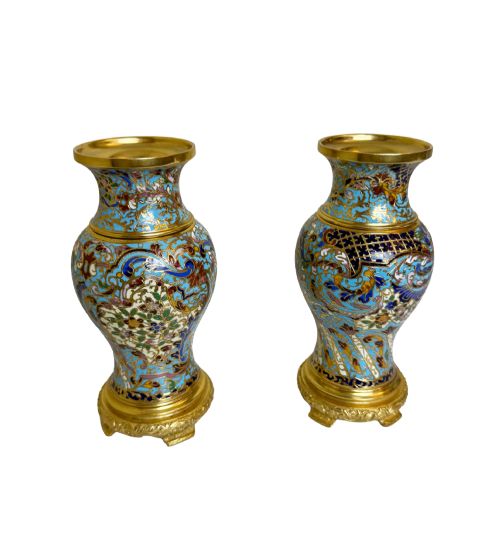
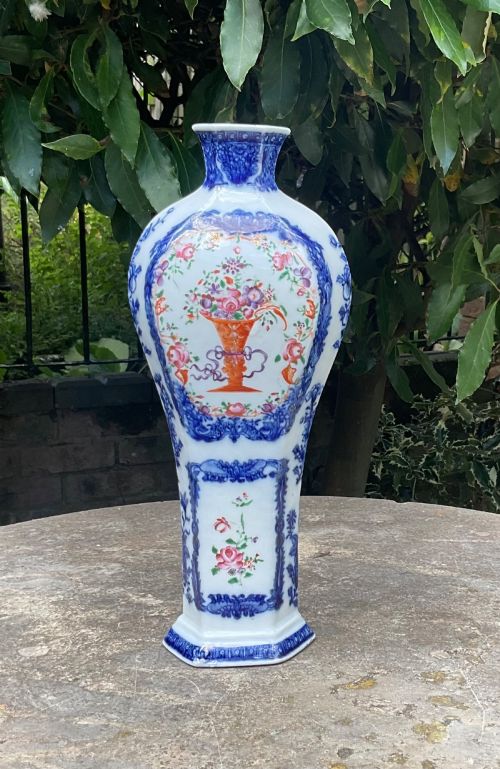
When you search for a blue enamel urn, you encounter vessels that bridge decorative arts and functional display pieces, primarily taking the form of vases, cassolettes, and ginger jars. These items span various origins, with Asian and European workshops dominating the selection.
The objects listed here stretch across the eighteenth, nineteenth, and twentieth centuries, capturing periods such as the Victorian era and the Meiji period. You are most likely to meet Chinese cloisonné, Japanese Satsuma, and French gilt bronze pieces featuring rich turquoise or cobalt grounds.
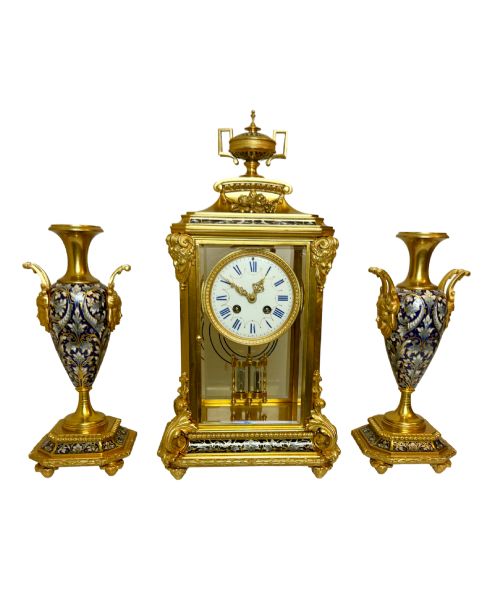
Makers and manufacturers utilised diverse bases, ranging from bronze and brass to earthenware and porcelain, applying enamel to create deep azure surfaces. These pieces function both as standalone ornamental objects and as components of larger clock garnitures.
How They Were Made
Artisans constructed these vessels using metal foundations like bronze, brass, and copper, or ceramic bodies including earthenware, porcelain, and stoneware. Techniques such as cloisonné involved soldering thin metal wires to the surface to form cells, which were then filled with vitreous enamel paste and fired.
Makers applied champlevé methods by carving troughs directly into the bronze or copper base to hold the coloured enamel powder before kiln firing. Gilding, gold leaf, and moriage relief work frequently accented the blue enamel surfaces, adding intricate depth and texture.
Blue Enamel Urn Retail Price Guide 2026
Typical asking prices for blue enamel urn among the pieces listed under this phrase on Sellingantiques today, from the lower quarter to the upper quarter. They describe what is for sale here now, not the wider market.
Listings feature items from the eighteenth century through to the 1940s, encompassing earthenware, porcelain, glass, and bronze.
What Varies in Quality
The refinement of the metalwork and the precision of the enamel application distinguish simpler domestic items from exhibition pieces. Superior examples exhibit meticulous wirework in cloisonné or deep, uniform saturation in the blue ground without pitting or clouding.
Mastery is evident in the harmony between the metal mountings, such as ormolu or gilt bronze, and the central enamelled body. Exceptional pieces display crisp hand-painted details or complex raised relief work that remains crisp and firmly adhered to the vessel surface.
Jules Vieillard·Royal Doulton Lambeth·Wedgewood·Minton
The Blue Enamel Urn Glossary
- Cloisonné
- A decorative technique where metal wires are soldered to a base to create compartments filled with enamel paste. This method produces intricate geometric or floral patterns across the surface of the vessel.
- Champlevé
- A method of enamelling where troughs or cells are hollowed out of a metal surface and filled with vitreous paste. The metal partitions remain part of the solid base rather than being applied wires.
- Cassolette
- A decorative vessel designed to function either as a vase or a perfume burner, often featuring a reversible or pierced lid. These objects frequently appear in matched pairs alongside mantel clocks.
- Moriage
- A Japanese ceramic decorating technique using clay piped onto the surface to create raised decorative motifs. This relief work is often highlighted with gilding and bright enamel colours.
- Garniture
- A set of ornamental vases or jars designed to be displayed together on a mantelpiece or sideboard. They typically comprise a central piece flanked by symmetrical companion vessels.
Blue Enamel Urn: Frequently Asked Questions
What is a blue enamel urn used for?
These vessels served primarily as decorative ornaments for display on mantelpieces, tables, and within structured garniture sets. They brought vibrant colour and reflective metallic accents into formal nineteenth and early twentieth century interiors.
While some functioned as lidded jars or perfume burners, most acted as focal display pieces designed to showcase craftsmanship and material wealth.
How do I care for a blue enamel urn?
Keep these objects away from direct sunlight and areas of high humidity to protect both the metallic mounts and the vitreous enamel surfaces. Dust them gently with a soft, dry cloth without applying liquid cleaners or polishes.
Handle the vessels by their solid bases rather than decorative handles, rims, or applied bronze mounts, which can loosen over time.
How can I tell the period of a piece?
Dating relies on examining the material composition, the style of the metal mounts, and manufacturing marks. Nineteenth century French pieces often feature cast bronze or ormolu mounts, while Asian items correspond to dynastic or Meiji periods through specific wire styles and ceramic bodies.
Signatures, stamps, and potteries marks found on the base further anchor the object within a specific decade or era.
What is the difference between cloisonné and champlevé?
Cloisonné involves soldering thin metal strips onto the surface of a bronze, copper, or brass base to create raised compartments for enamel. This technique produces a distinct network of fine metallic outlines around the coloured fills.
Champlevé requires carving or etching the design directly into a thick metal foundation to hold the enamel. The resulting metal borders are part of the original solid body rather than added wires.