





Blue Enamel Box
A blue enamel box offers a vibrant touch of colour for dressing tables, desks and pockets alike.
Blue Enamel Box
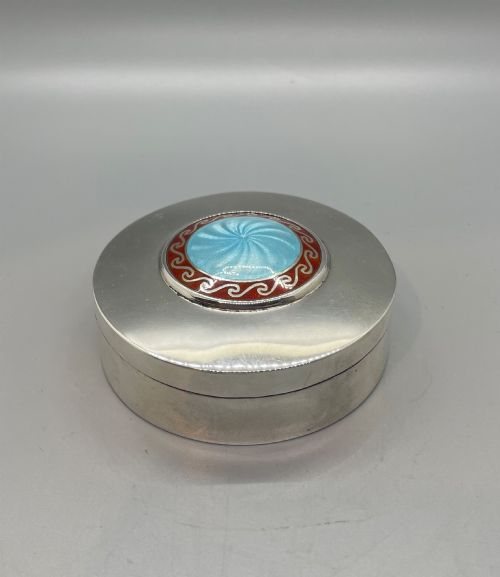
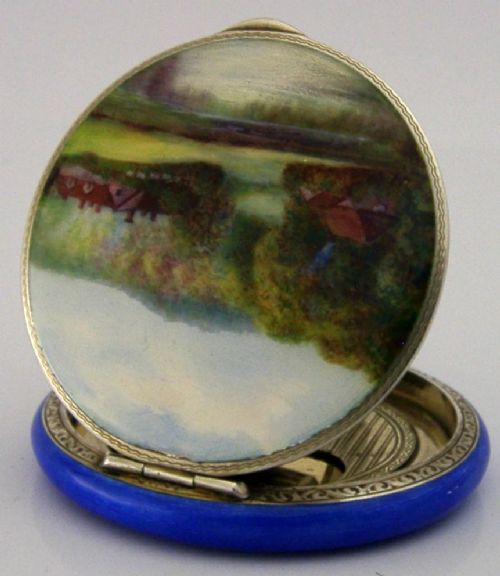
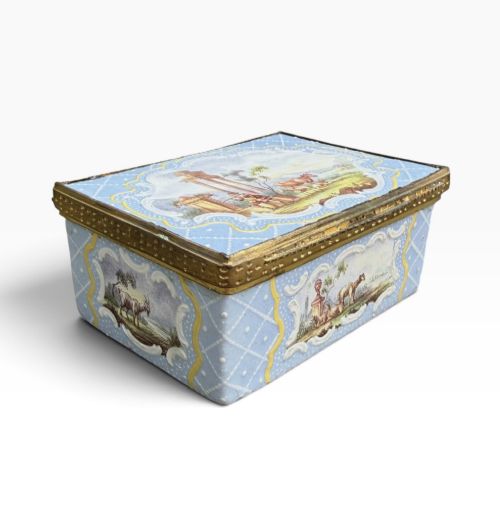
A blue enamel box encompasses small storage containers designed for dressing tables, pockets and desks, spanning from Georgian patch boxes to Art Deco powder compacts. Buyers find containers produced across the eighteenth, nineteenth and twentieth centuries in various forms.
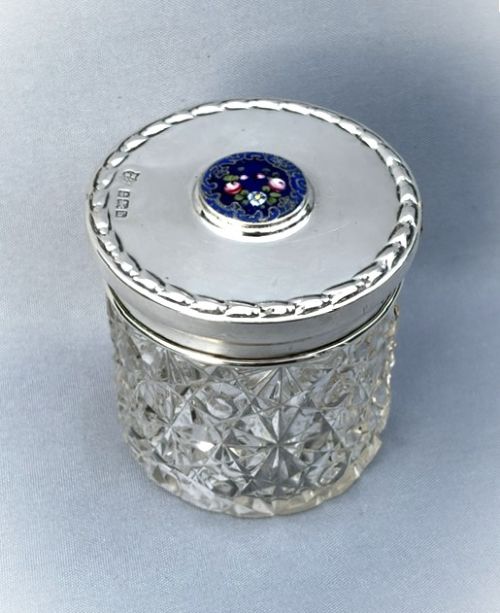
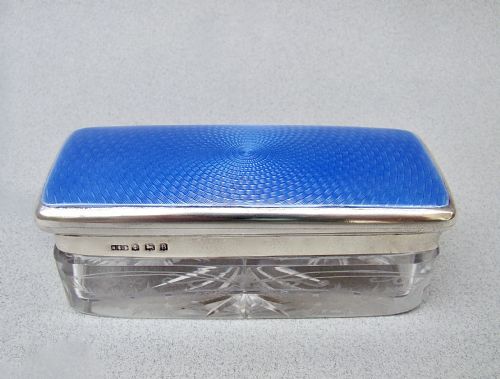
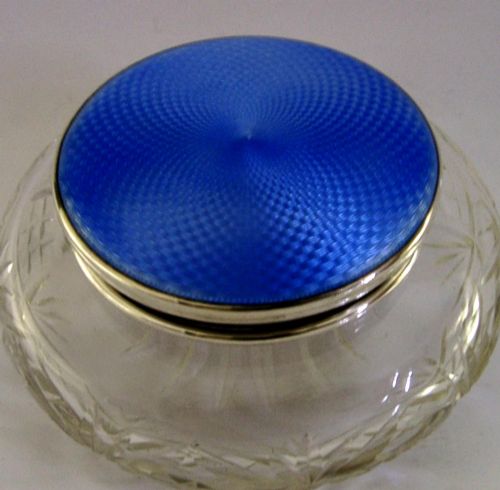
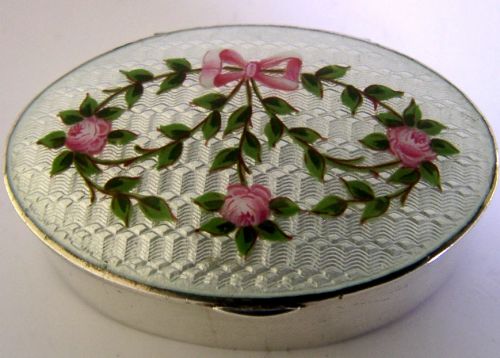
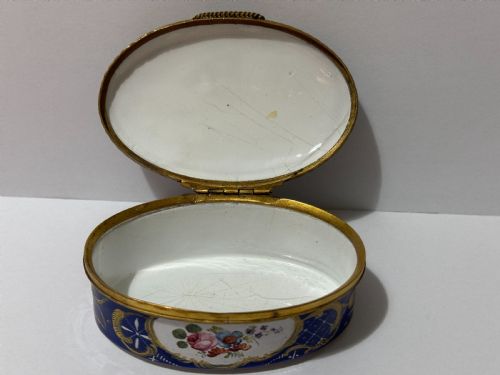
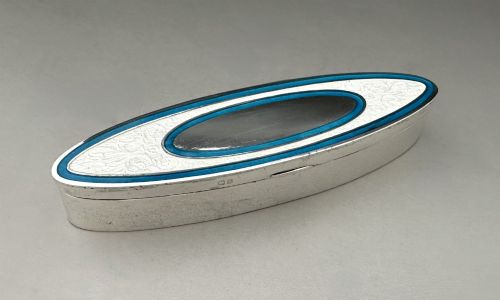
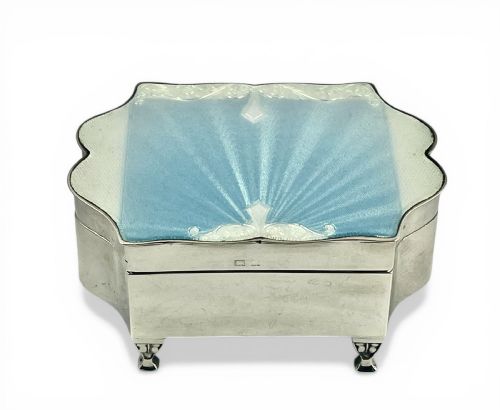
The most common examples on this page include sterling silver and guilloche enamel dressing table jars, small pill boxes, and Staffordshire enamel patch boxes from the eighteenth century. French glass and porcelain caskets also appear frequently alongside British silver pieces.
What Varies in Quality
Quality rests upon the precision of the metalwork and the clarity of the enamel surface. Fine guilloche engraving creates sharp, regular geometric patterns that reflect light evenly through translucent layers.
Hand-painted details on porcelain or enamel lids distinguish standard production from superior artistic work. Intricate mounts in solid silver or ormolu indicate higher-grade manufacturing.
Blue Enamel Box Retail Price Guide 2026
Typical asking prices for blue enamel box among the pieces listed under this phrase on Sellingantiques today, from the lower quarter to the upper quarter. They describe what is for sale here now, not the wider market.
The selection includes pieces spanning the Georgian period, the nineteenth century and mid-century modern design.
Henry Clifford Davis·Henry Matthews·Evans·Giuliano Spinelli·Liberty and Co·Taye Kenning and Spencer·Tissot
The Blue Enamel Box Glossary
- Guilloche
- A decorative engine-turned engraving technique on metal that creates repetitive geometric patterns beneath translucent enamel. This method was widely utilised during the Art Deco period.
- Patch box
- A small eighteenth-century container used to hold cosmetic beauty patches made of silk or velvet. These boxes frequently feature copper bases with Staffordshire enamel lids.
- Opaline glass
- An opaque or translucent glass popular in the nineteenth century, often coloured in blue and decorated with enamel. It frequently formed the bodies of vanity jars and trinket caskets.
- Ormolu
- Gilt bronze or brass mounts applied to decorative boxes, particularly French pieces from the nineteenth century. The technique provides a rich golden contrast to blue enamel panels.
- Sterling silver
- A silver alloy containing 92.5 percent pure silver by mass, commonly used for the frames, lids and bodies of twentieth-century dressing table items. British pieces often bear full hallmarks for assay offices.
Blue Enamel Box: Frequently Asked Questions
What is a blue enamel box used for?
These containers held small personal items such as cosmetic patches, pills, snuff, stamps or trinkets.
They sat upon dressing tables or travelled in pockets and handbags as decorative accessories.
How do I date a blue enamel box?
Hallmarks on silver mounts provide exact assay years for British items made in Birmingham, London or other offices.
Stylistic cues such as Georgian shapes, Victorian opaline glass or Art Deco guilloche patterns help attribute undated pieces.
Are these boxes made of solid silver?
Many British and European pieces utilise sterling silver or continental silver for their frames and lids.
Others combine enamel with copper, brass, gilt metal, porcelain, wood or glass.
What caused the guilloche pattern?
An engine-turning lathe mechanically engraved precise geometric designs into the underlying metal surface.
Translucent enamel applied over this engraving allowed the pattern to show through with reflective depth.