


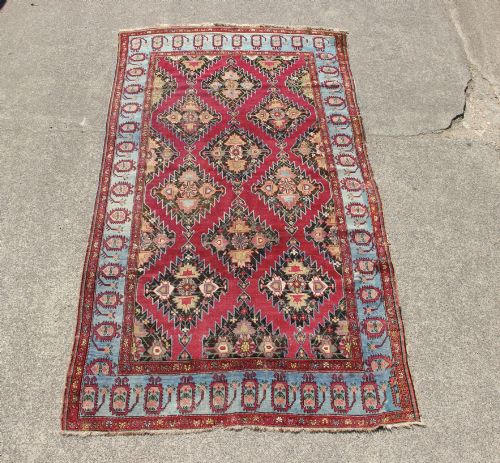
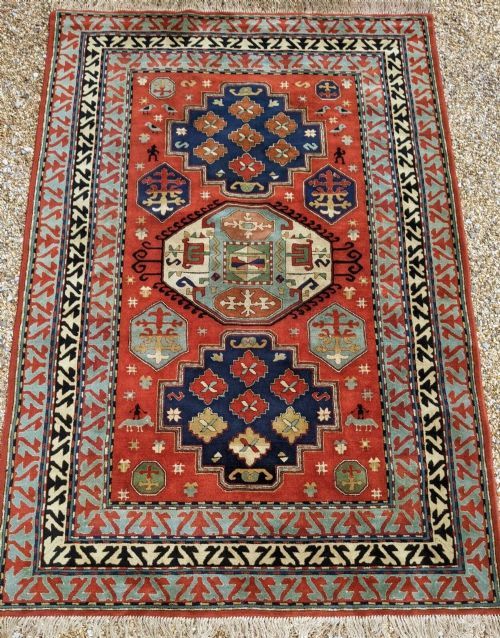
Blue Caucasian Wool Rug
A blue caucasian wool rug brings geometric tribal design and saturated natural dyes into a room, offering durability and historical character.
Blue Caucasian Wool Rug
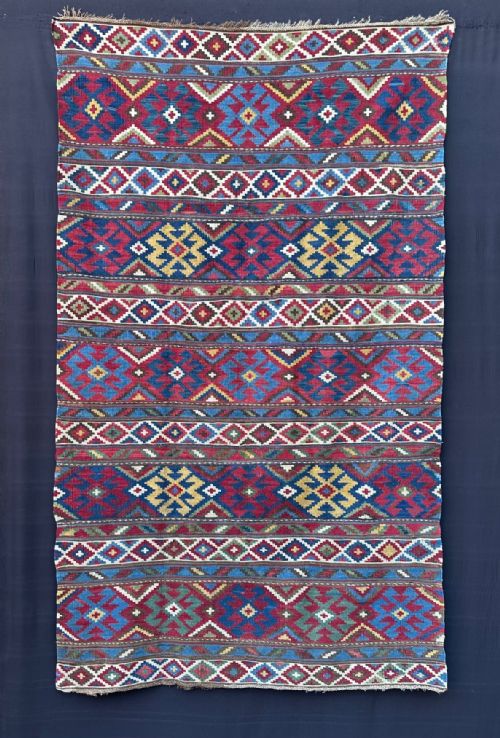
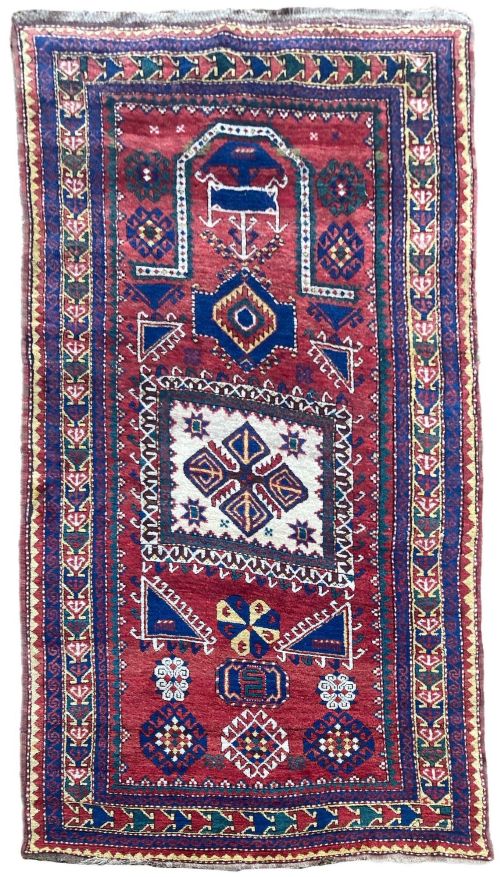
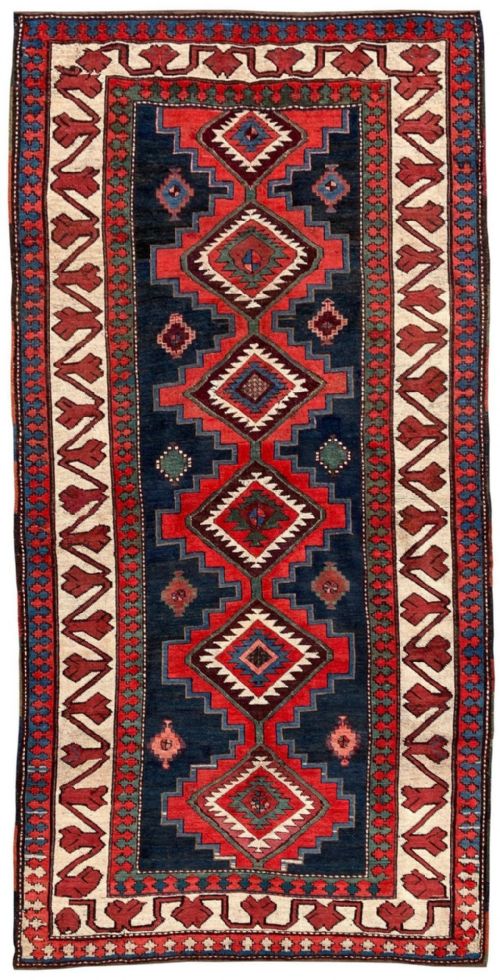
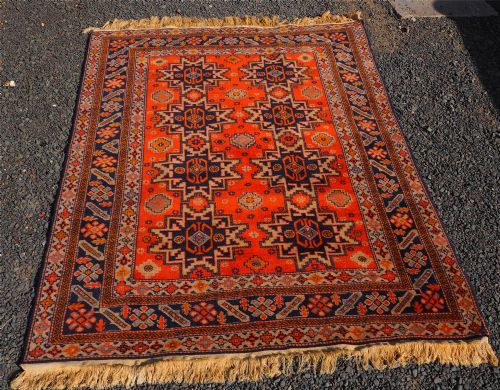
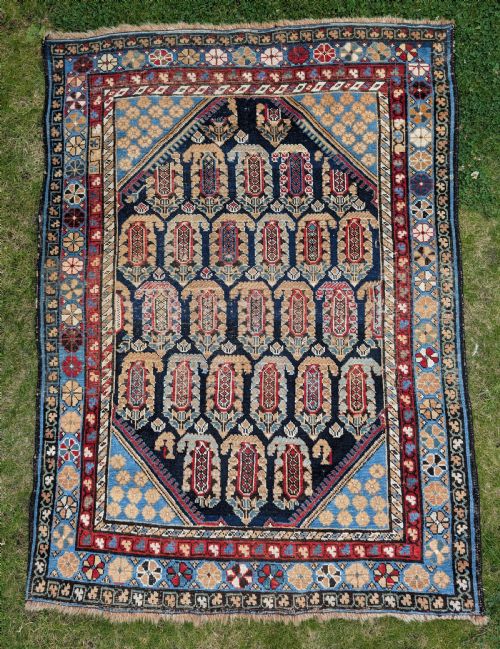
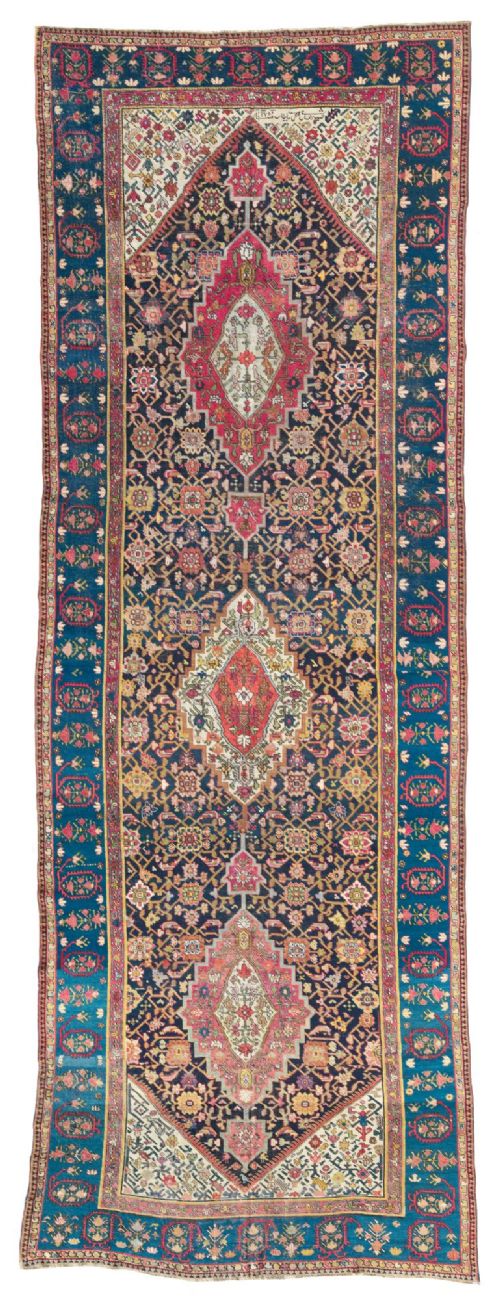
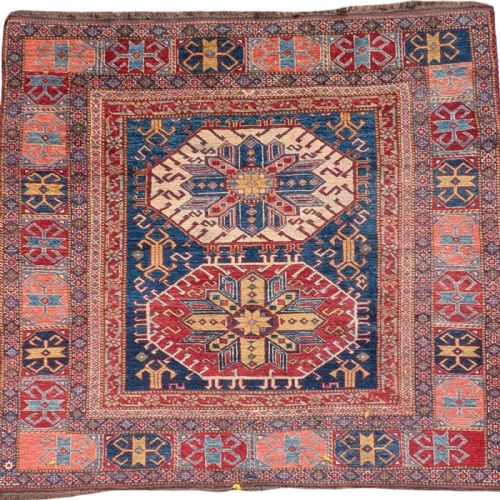
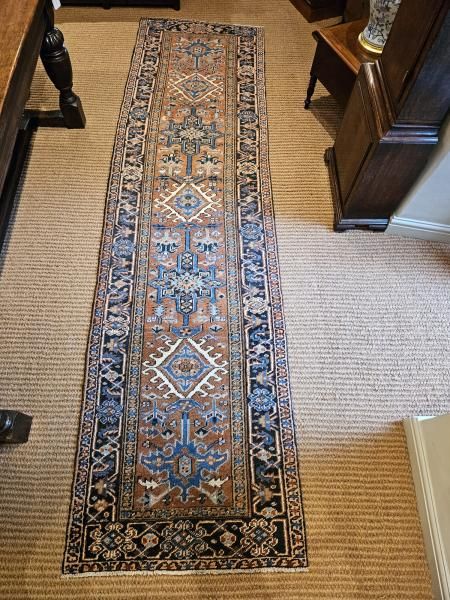
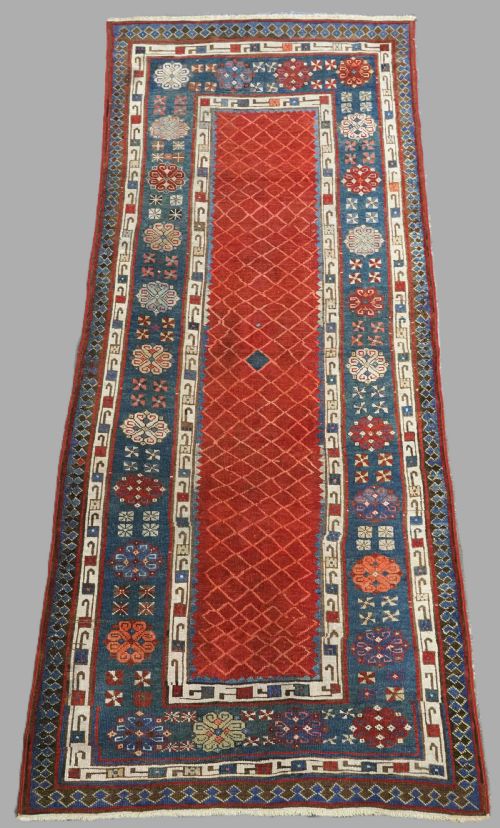
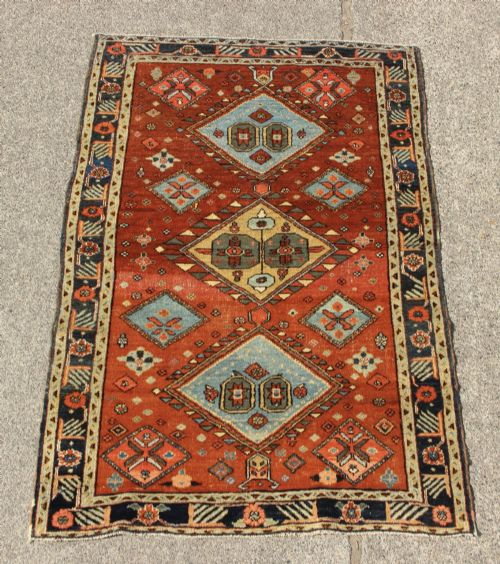
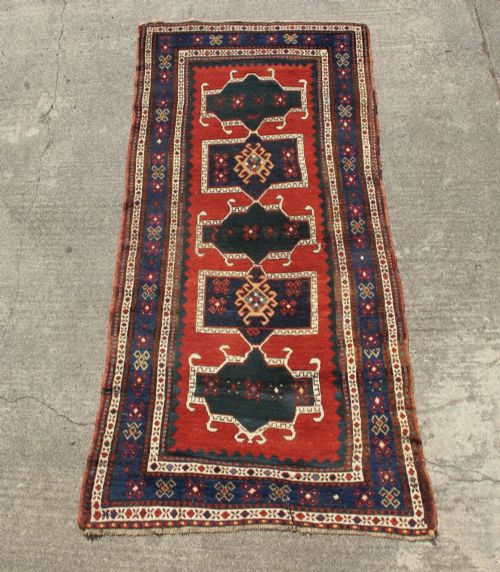
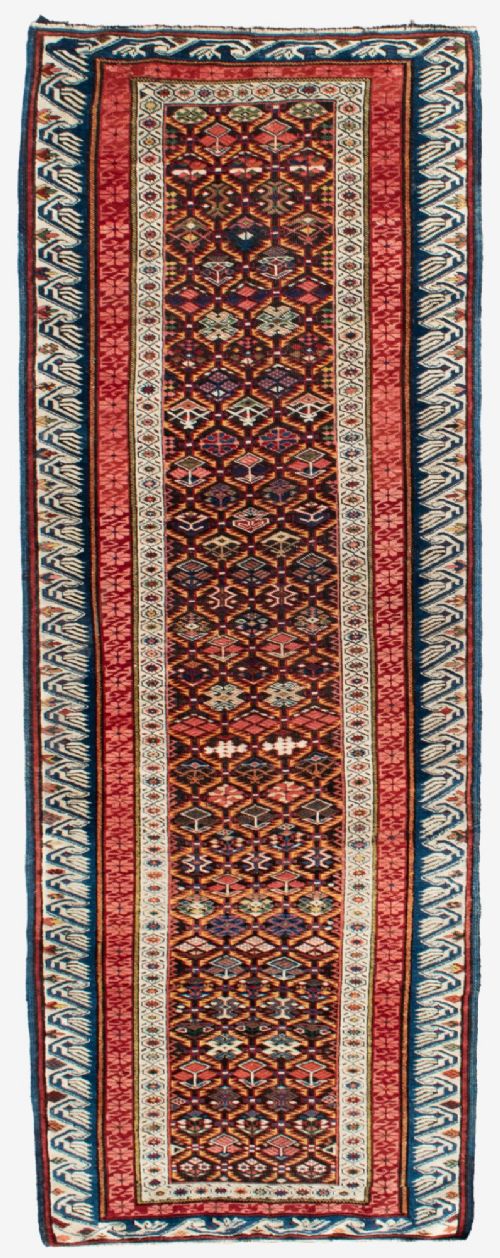
A blue caucasian wool rug represents regional weaving traditions from the Caucasus, encompassing formats such as small area formats, long runners, and dedicated prayer rugs. These textiles date primarily from the nineteenth and early twentieth centuries, reflecting the output of various regional weaving groups.
The selections encountered here range from specific village and tribal productions, including Kazak, Shirvan, Karabagh, and Kuba types, through to broader regional tribal pieces. Buyers frequently encounter formats suited to hallways, hearths, and central floor spaces.
Regional variations span distinct geometric medallion formats, all-over lattice patterns, and directional prayer designs. Each piece carries the visual vocabulary of its specific Caucasian origin, executed in hand-knotted pile or flat-weave constructions.
How they were made
Construction relies upon hand-spun wool for the pile, foundation warps, and wefts, paired with cotton in specific regional examples. Weavers utilised traditional hand-knotting techniques on vertical looms to build dense, durable floor coverings.
Colour derives from natural dyes applied to hand-spun wool yarns, producing deep indigos, madder reds, and earthy tones that age with distinct patination. The integration of natural dye stuffs yields subtle tonal shifts across the surface of each textile.
Object types span area rugs, prayer rugs, hallway runners, and flat-woven kelims from the Caucasus.
What varies in quality
The calibre of a textile rests upon the precision of its knotting density and the crispness of the geometric drawing. Finer examples display balanced proportions, clear regional iconography, and disciplined execution of complex borders.
Material preparation and dye saturation dictate the visual depth of the wool pile. Superior pieces combine robust hand-spun wool with complex natural dye palettes that retain vibrancy and character over generations of use.
The Blue Caucasian Wool Rug Glossary
- Kazak
- A designated style of antique rug originating from the southwestern region of the Caucasus, known for bold geometric motifs and primary colour palettes. These pieces typically display large medallions and octagons.
- Kelleh
- A long, narrow carpet format traditionally utilised in Middle Eastern and Caucasian interiors for specific room layouts. They offer extended proportions compared to standard square area rugs.
- Sumak
- A flat-weave technique where decorative weft threads are wrapped around the warp threads during construction, creating a sturdy structure without a cut pile. Dragon sumaks are notable examples of this method.
- Prayer rug
- A small format textile featuring a mihrab or niche design at one end, historically created for devotional use. The architectural arch directs the viewer's focus.
- Natural dyes
- Colourants extracted from plants, insects, and minerals before the advent of synthetic aniline dyes. Indigo and madder root form the foundation of traditional palettes.
Blue Caucasian Wool Rug: Frequently Asked Questions
How do I clean an antique rug?
Gentle surface brushing and periodic professional dry cleaning help preserve the wool pile and natural dye integrity. Avoid harsh chemical immersion or modern mechanical washing.
Keeping the textile out of direct, continuous sunlight protects the natural indigo and madder tones from fading prematurely.
Where were these woven?
The pieces originate from the Caucasus region, situated between the Black Sea and the Caspian Sea. Specific workshops and tribal groups operated in areas such as Shirvan, Karabagh, and Kuba.
Local villages developed distinct geometric vocabularies and colour preferences that identify their geographic source.
Can I place a runner in a hallway?
Long narrow formats function well in hallways, corridors, and gallery spaces where floor coverage requires an elongated shape. Their durable wool construction handles moderate foot traffic effectively.
Utilising a breathable underlay prevents slipping and cushions the foundation against hard subfloors.
What does a prayer niche mean?
The pointed arch or mihrab design at one end of the textile mimics the architectural prayer niche found in mosques. Weavers incorporated this symbol to indicate orientation during personal devotion.
These rugs serve decorative roles today while retaining their traditional symbolic geometry.