




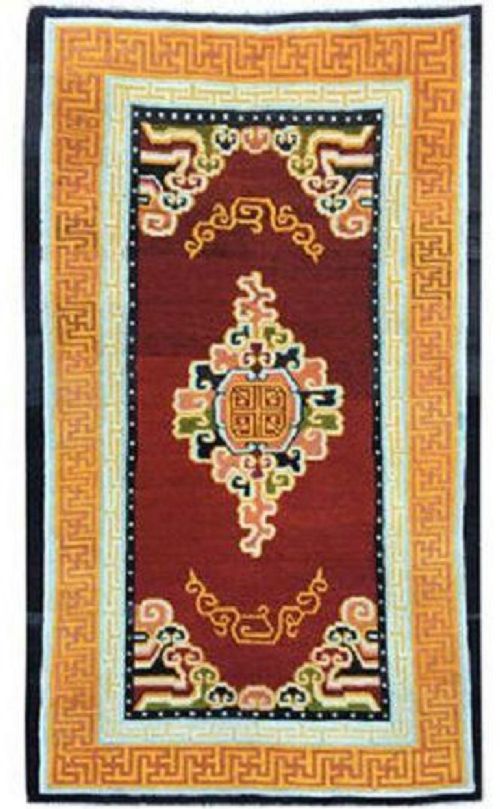
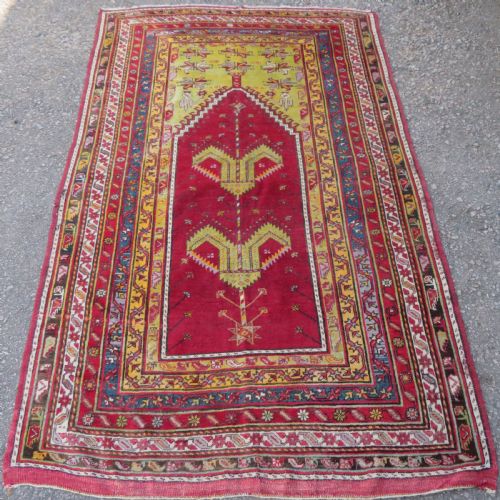
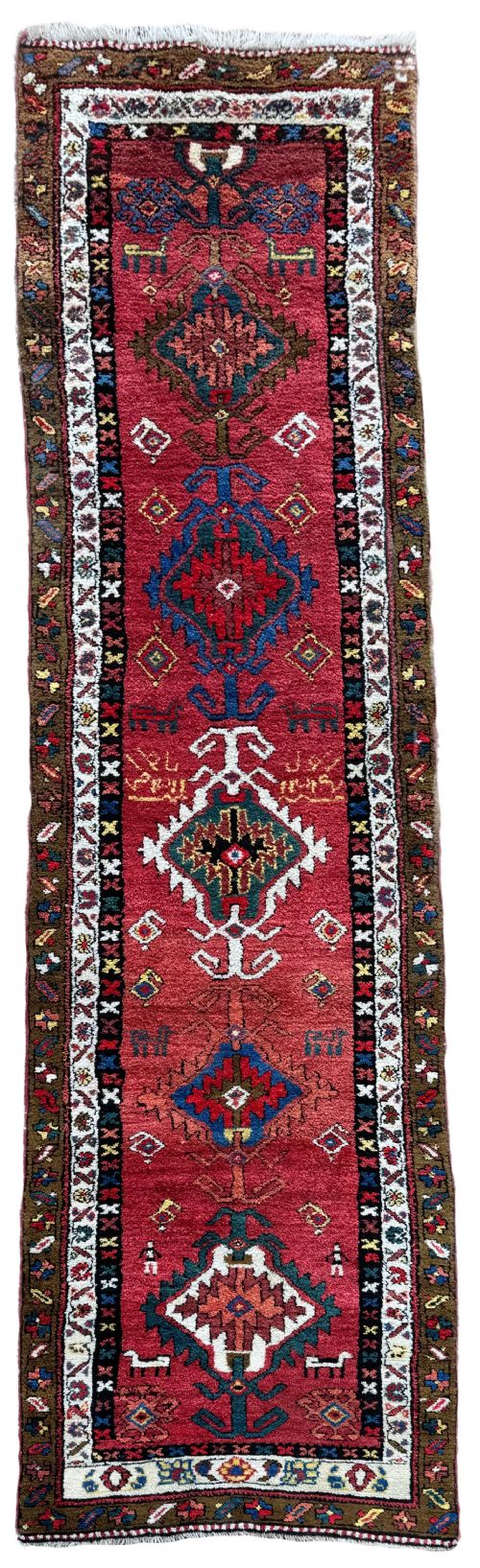
Red Oriental Runner Rug
A red oriental runner rug brings narrow spaces alive with deep colour, tribal geometry, and centuries of hand-knotted tradition.
Red Oriental Runner Rug
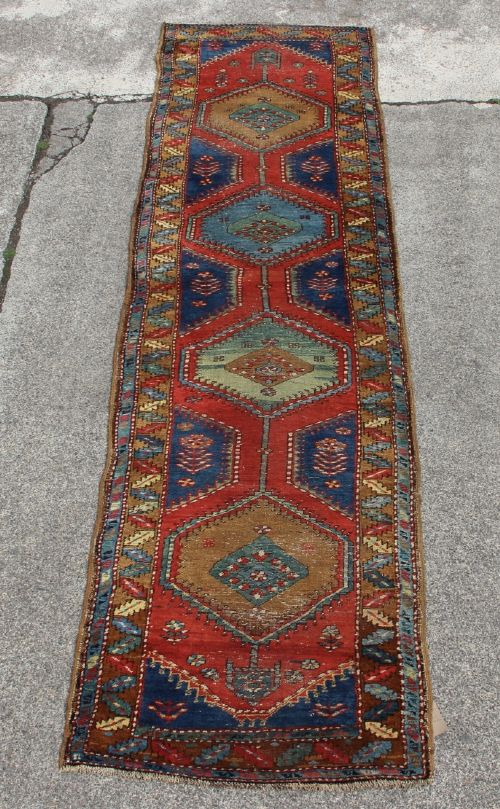
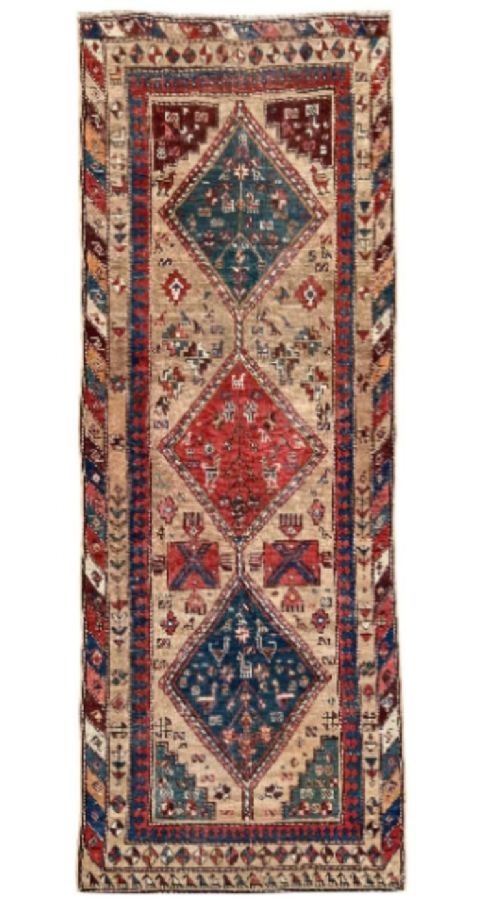
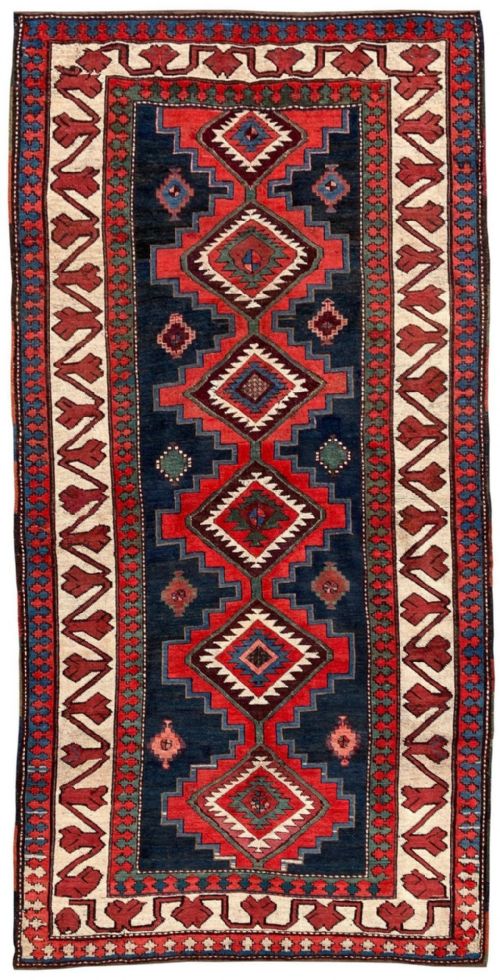
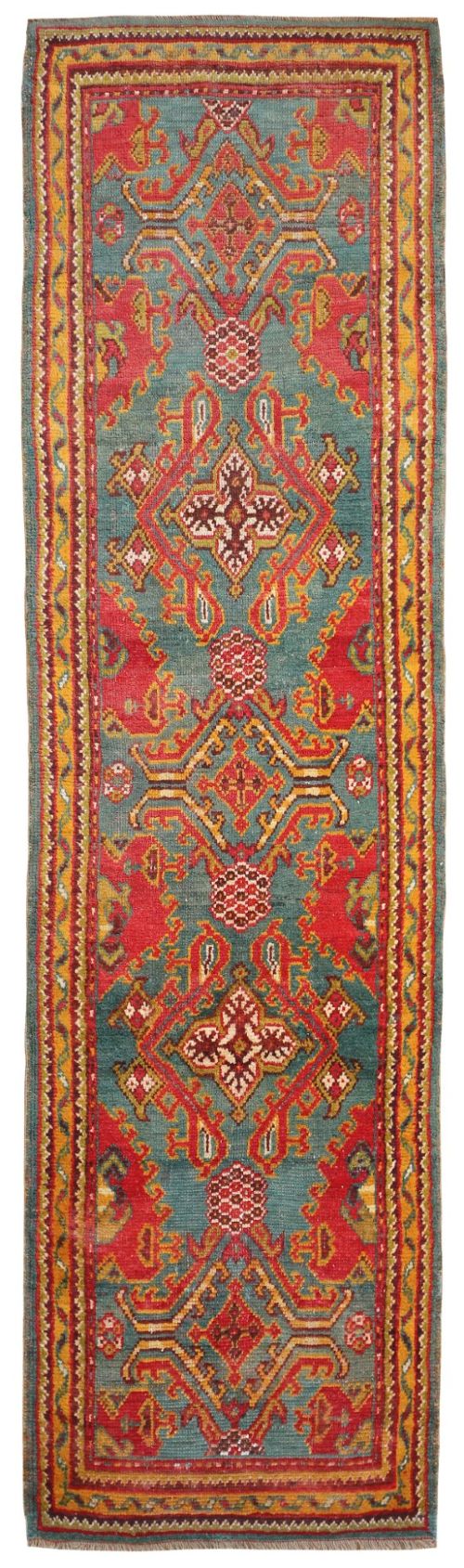
A red oriental runner rug is a long, narrow floor covering originating from regions such as Persia, the Caucasus, Anatolia, and Turkmenistan. These pieces bridge corridors and hallways, adding warmth and directional pattern to transition spaces in a home.
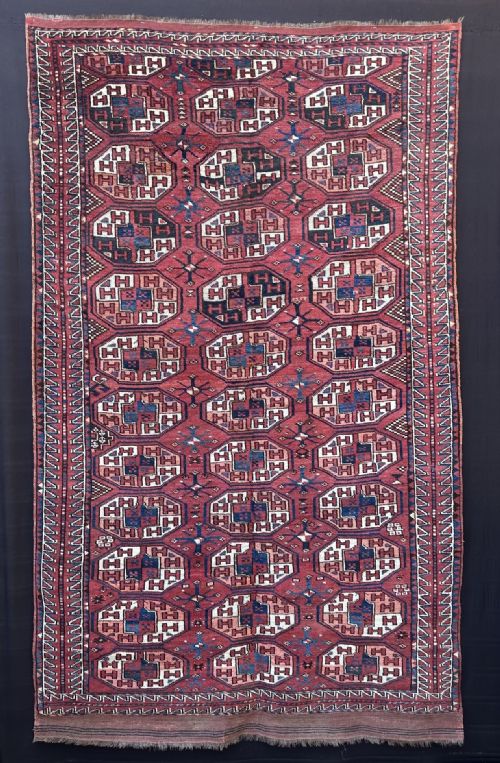
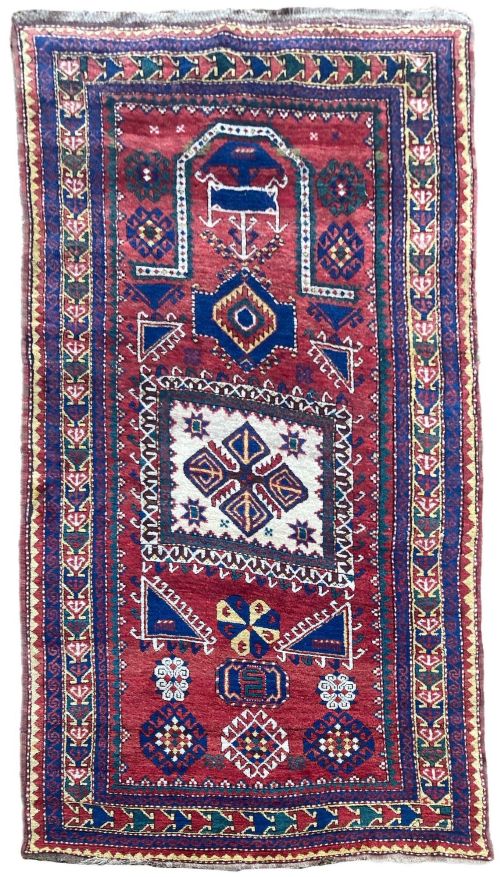
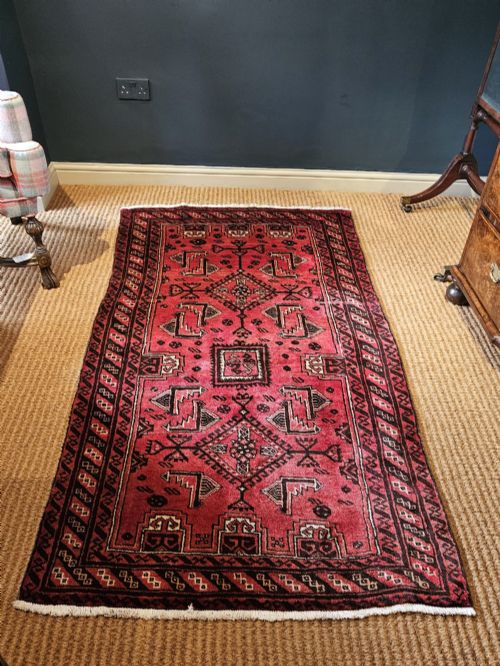
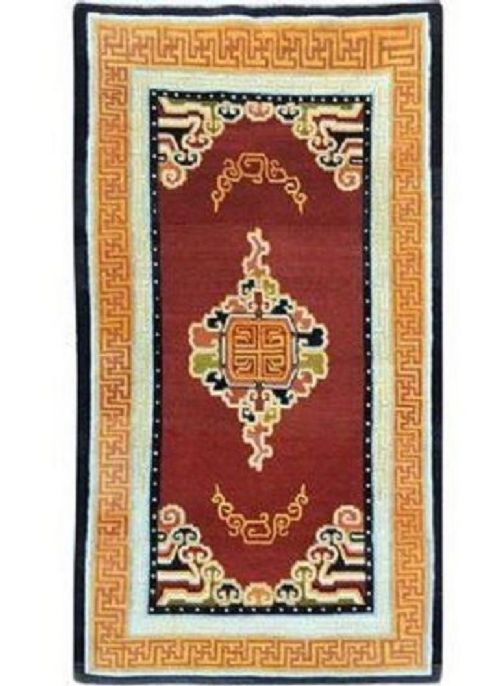
The selections span from the late nineteenth century into the twentieth century, bringing tribal and village aesthetics together under a predominantly red palette. Pieces range from geometric Kazak and Baluch weaves to floral Persian Heriz, Hamadan, and Saroukh designs.
Most examples encountered here are antique or vintage runners measuring significantly longer than they are wide. They reflect the utilitarian needs of nomadic and village weavers who adapted traditional motifs for long domestic entryways and halls.
Factors determining quality
Knot density and the precision of the tribal or regional geometric design set superior examples apart from standard utility work. Finer knots permit more intricate medallion work and sharper rendering of lattice or tribal motifs.
The integrity of the foundation and the uniformity of the wool pile dictate how gracefully a runner wears over time. Balanced dyes that age evenly across the field contribute significantly to the enduring visual coherence of the piece.
Red Oriental Runner Rug Retail Price Guide 2026
Typical asking prices for red oriental runner rug among the pieces listed under this phrase on Sellingantiques today, from the lower quarter to the upper quarter. They describe what is for sale here now, not the wider market.
One remarkably persistent weaver pushed their loom to thirty-two feet, creating a hallway runner long enough to host a marathon.
The Red Oriental Runner Rug Glossary
- Runner
- A long, narrow carpet format designed specifically for hallways, stairs, and corridors. Their proportions guide movement through a building.
- Pile
- The upright yarn loops or cut ends that form the soft surface of the rug. This layer absorbs wear and displays the woven design.
- Warp
- The vertical foundation threads stretched lengthwise on the loom before knotting begins. The fringe typically consists of extended warp threads.
- Weft
- The horizontal threads passed alternately over and under warp threads to secure each row of knots. They provide transverse rigidity to the textile.
- Mihrab
- An architectural niche motif often found on prayer rugs, pointing toward Mecca. It provides a focal point for the central field design.
Red Oriental Runner Rug: Frequently Asked Questions
Where should I place a long runner?
These narrow formats suit hallways, landings, and entryways where foot traffic benefits from floor protection and visual warmth. Their linear proportions draw the eye down a corridor and define circulation routes through a property.
They also function effectively beside beds or in galley kitchens where a soft, durable surface is practical. The key is measuring the clearance for doors to swing freely over the pile thickness.
How do I care for antique wool rugs?
Regular gentle vacuuming without a rotating beater bar prevents dust accumulation in the wool pile. Professional cleaning by a specialist in antique textiles preserves the natural lanolin and dye stability.
Rotating the runner periodically distributes wear evenly across areas exposed to heavier foot traffic. Using a quality underlay prevents slipping and cushions the foundation fibres against hard floors.
What indicates a tribal origin?
Tribal carpets display bold geometric motifs, stylised animals, and Memory-driven patterns rather than court-designed floral curves. Weavers from groups such as the Baluch, Kazak, and Kashgai worked from memory and local tradition.
Slight irregularities in symmetry and width often confirm the nomadic or village origin of the loom work. These variations reflect the individual hand of the maker rather than mass-produced standardisation.
How do I distinguish regional styles?
Caucasian pieces tend to feature crisp, angular geometry and primary colour palettes with ivory and dark blue accents. Persian village rugs often incorporate more rounded medallions, Herati patterns, and complex floral arrangements.
Anatolian and Turkmen examples introduce distinct prayer niches, gul motifs, and deep madder red grounds. Examining the structure of the fringe and knotting helps confirm the likely geographic provenance.