

Crimson Persian Carpet
A crimson persian carpet brings rich dye depth and traditional weave work into a room, offering durability alongside classic floral or geometric motifs.
Crimson Persian Carpet
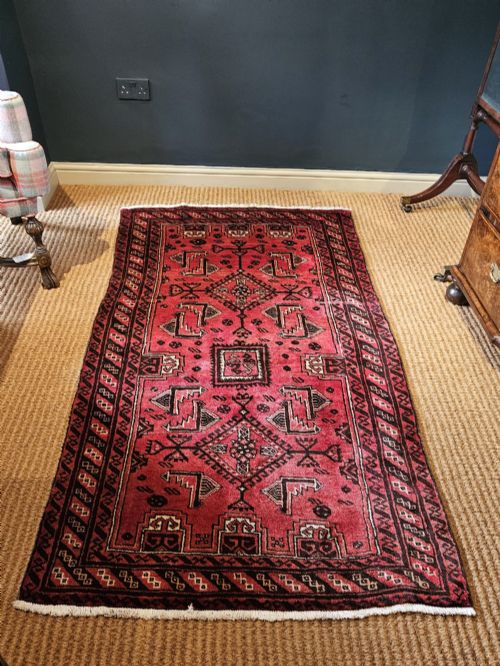
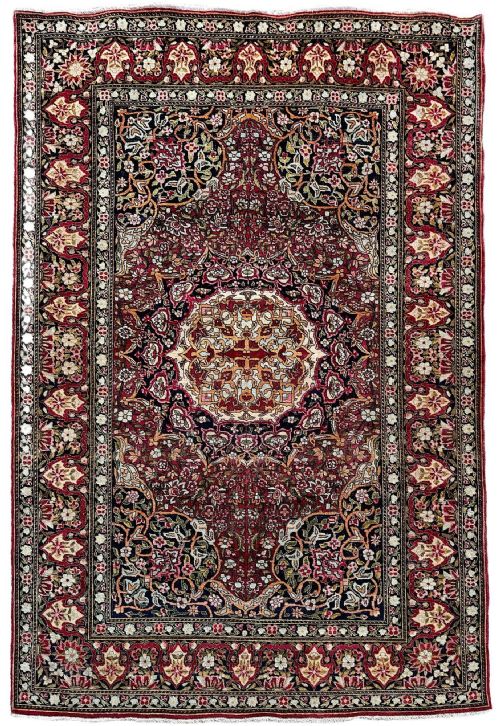
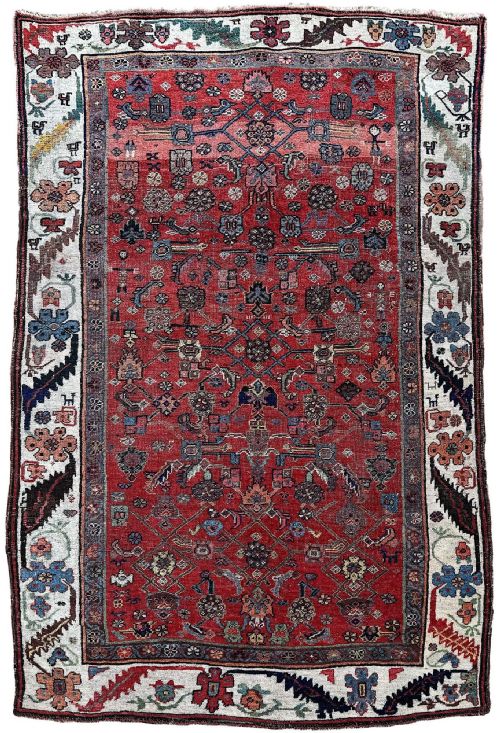
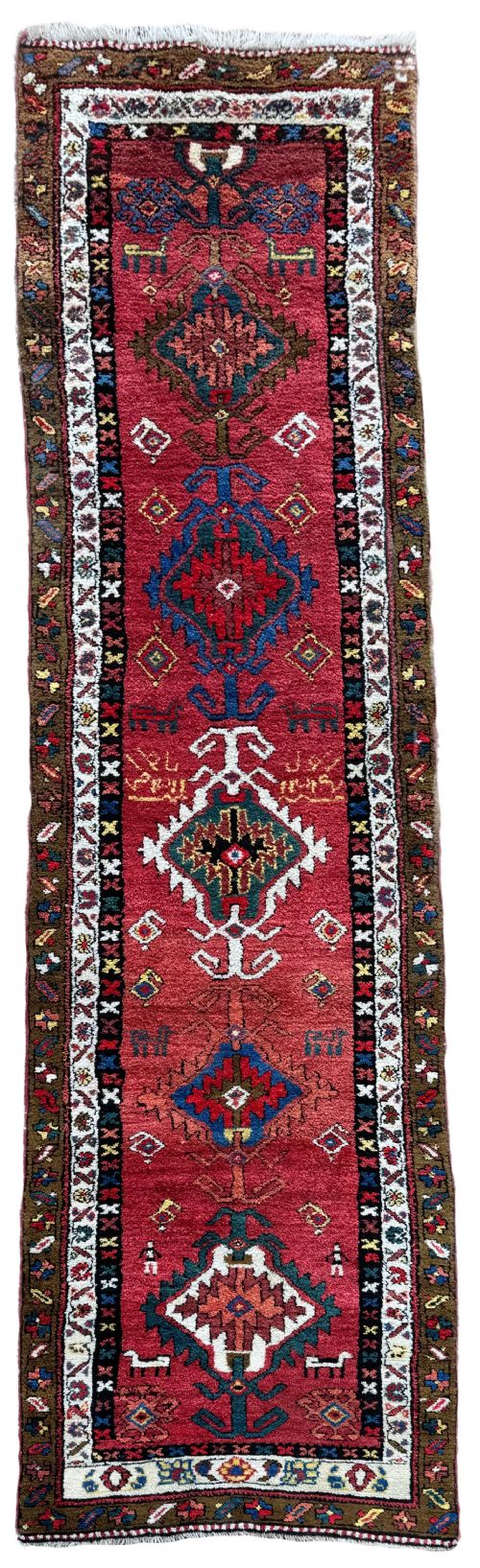
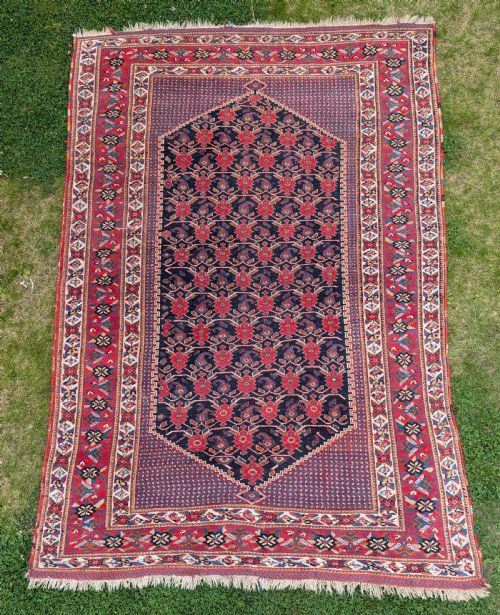
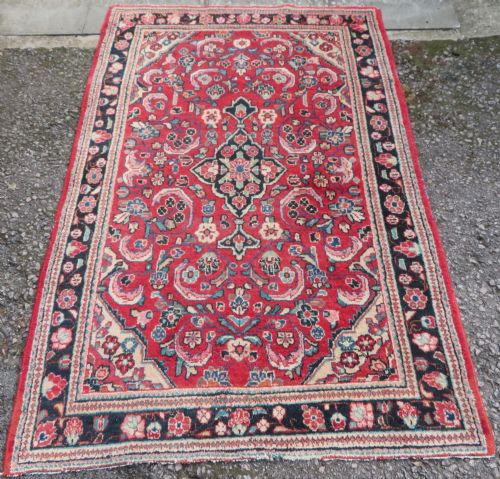
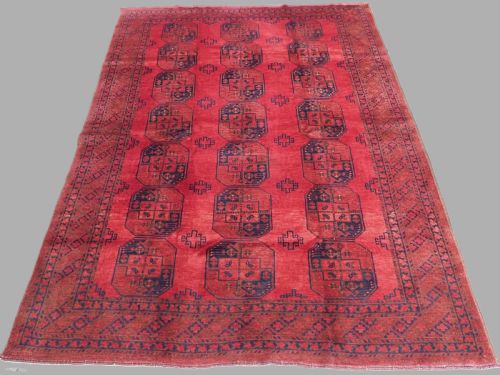
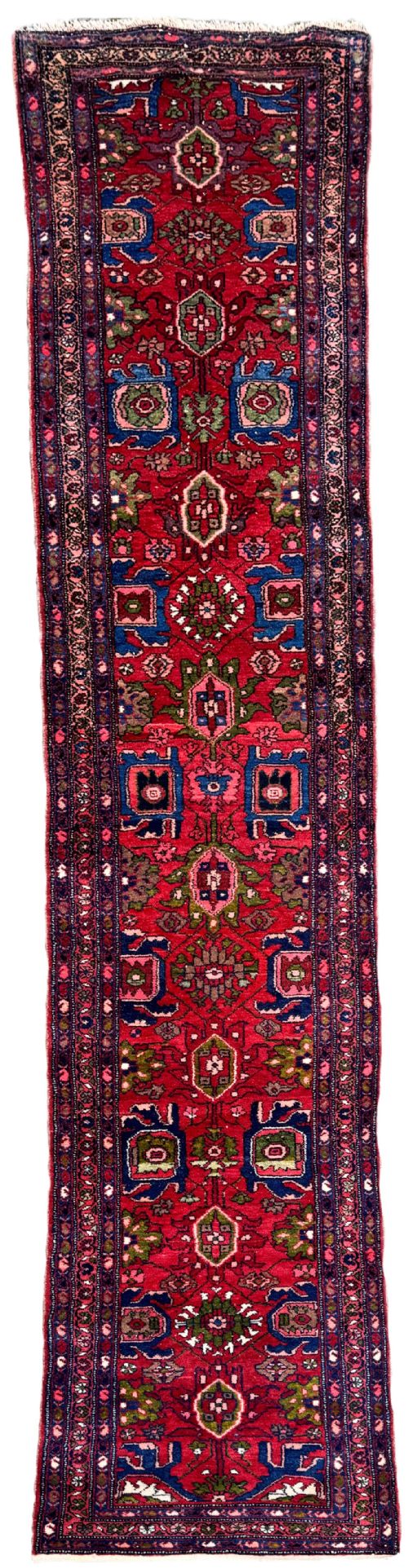
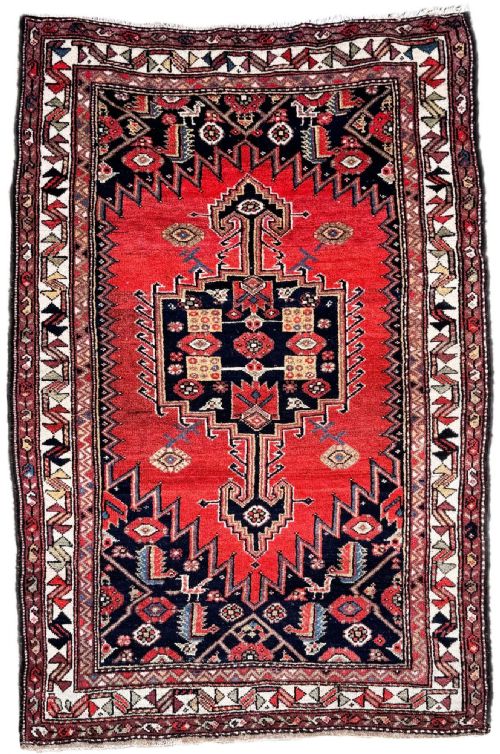
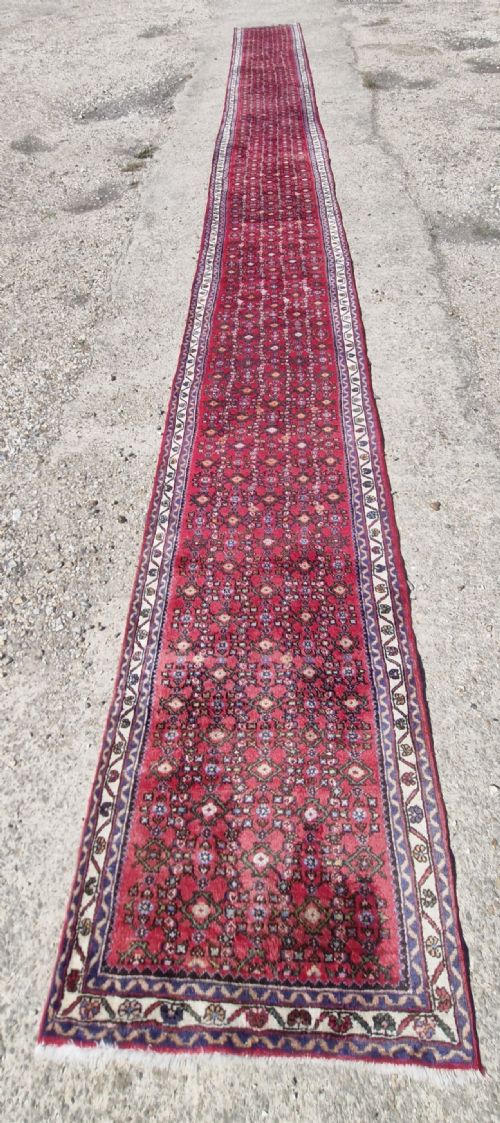
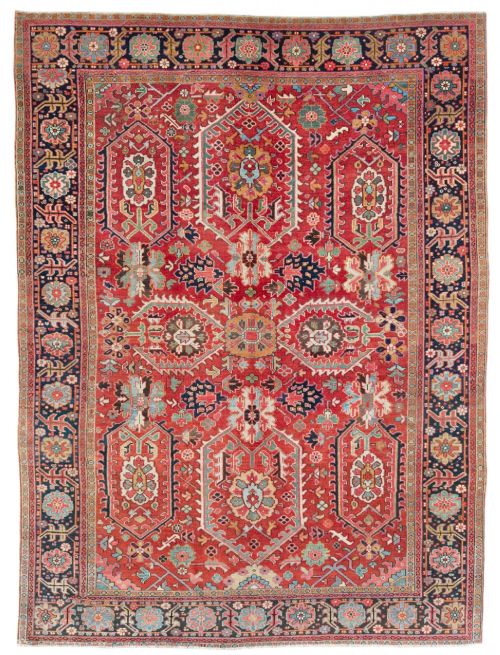
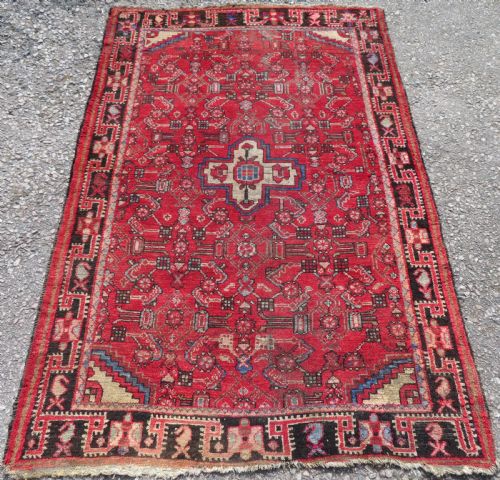
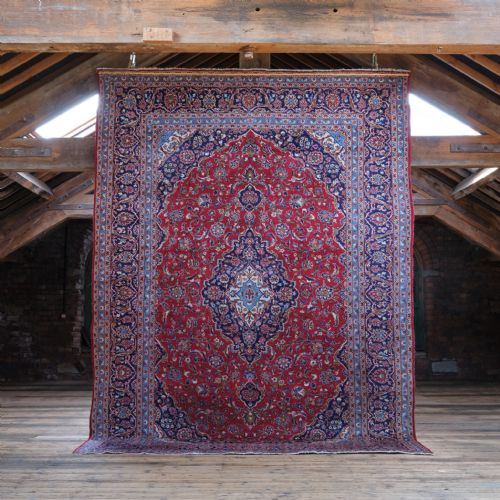
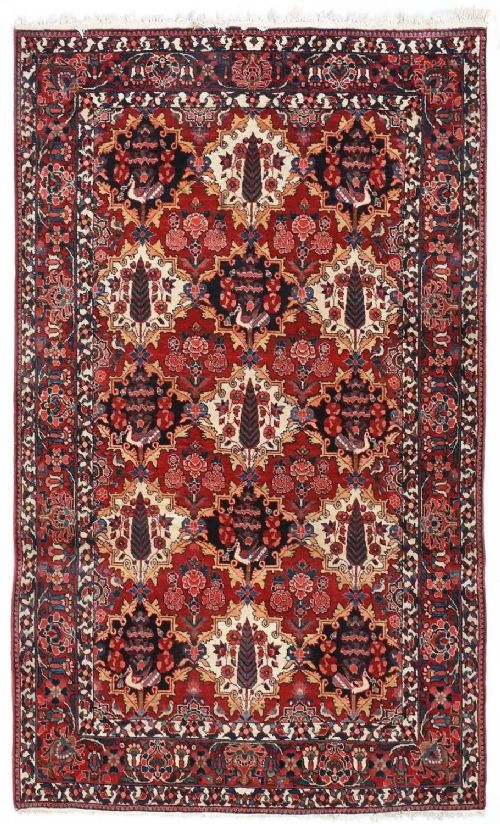
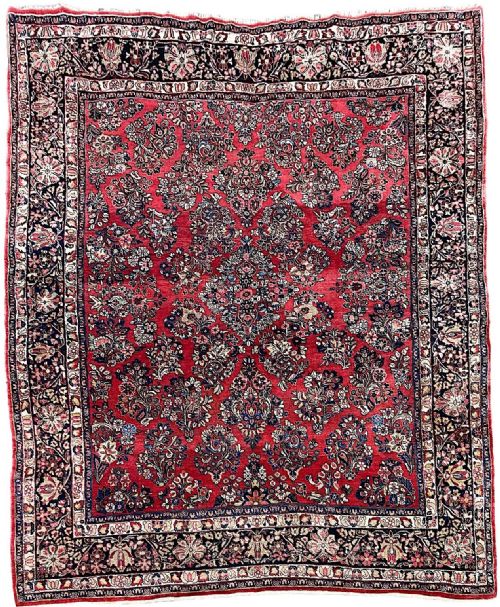
When searching for a crimson persian carpet, you encounter hand-knotted room-size carpets, smaller area rugs, and long runners originating from various Persian workshops and villages. These floor coverings date from the nineteenth century through the mid twentieth century, encompassing traditional styles such as Heriz, Kashan, Isfahan, Bidjar, and Hamadan. The selection on this page demonstrates the wide diversity of regional weaving traditions that utilise striking red tones.
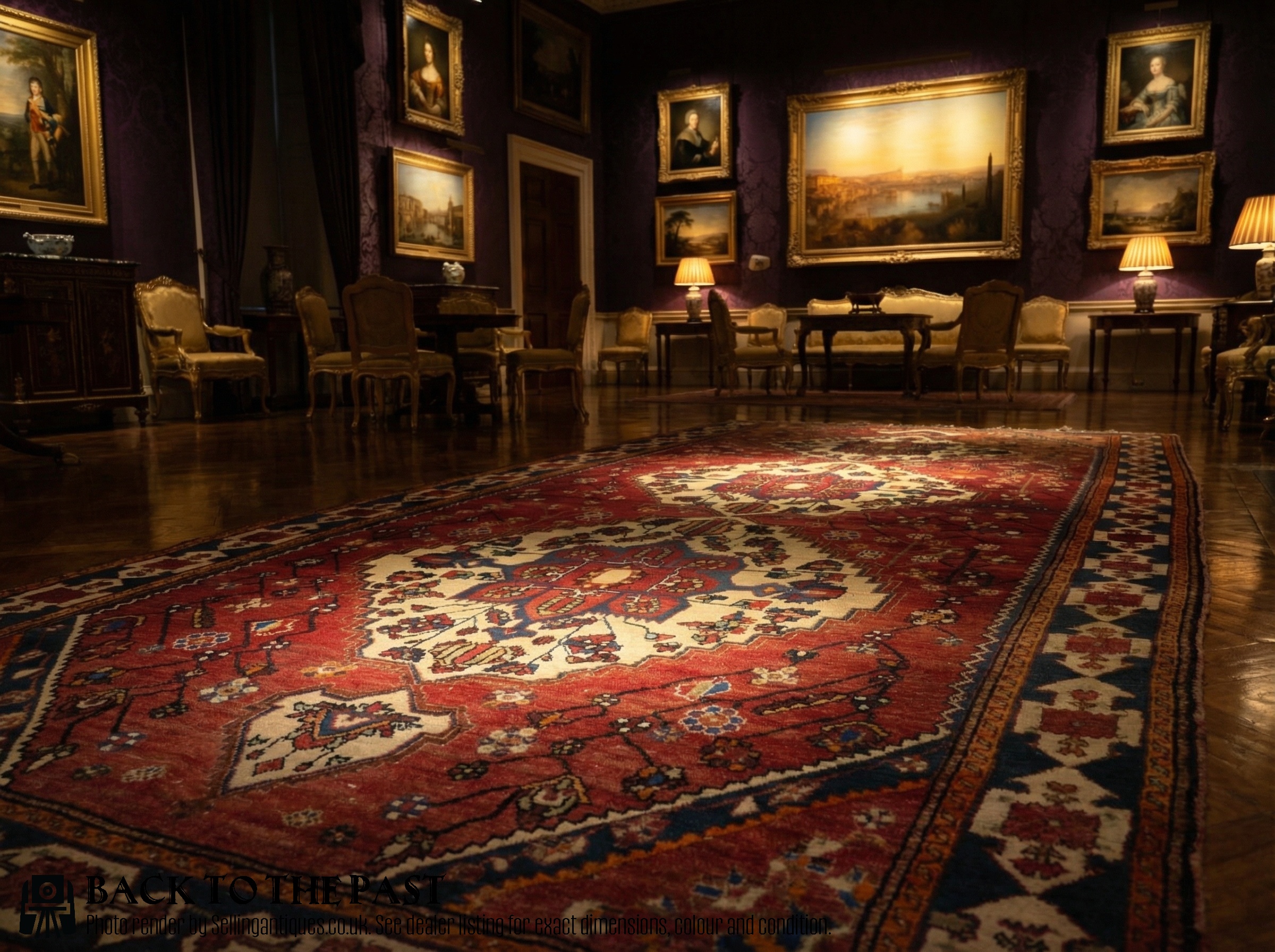
The most common formats include village rugs woven with geometric medallions and city carpets featuring intricate floral arrangements. Pieces range from compact mats to palace-sized carpets and thirty-two-foot hall runners. Each textile reflects the specific aesthetic of its origin, whether produced in a major weaving centre like Kashan or by tribal groups such as the Baluch and Qashqai.
How they were made
The construction relies predominantly on wool, cotton, and occasionally silk foundations and piles. Artisans utilise hand-spun wool and natural dyes to achieve the varied crimson and red hues visible across the pieces, applying hand-knotted and hand-woven techniques passed down through generations.
Village and tribal pieces often combine wool piles with cotton or wool warp and weft threads to ensure structural resilience. City workshop carpets employ finer knot densities on cotton foundations, allowing for complex curves and detailed floral designs.
Crimson Persian Carpet Retail Price Guide 2026
Typical asking prices for crimson persian carpet among the pieces listed under this phrase on Sellingantiques today, from the lower quarter to the upper quarter. They describe what is for sale here now, not the wider market.
The inventory encompasses traditional styles such as Heriz, Bidjar, Baluch, and Kashan, alongside regional village rugs.
What varies in quality
Quality differences stem from the density of the knotting, the fineness of the spun wool, and the complexity of the regional design. Tightly knotted city rugs achieve greater precision in floral motifs, whereas looser tribal weaves display charming irregularity and robust village character.
The brilliance and longevity of the crimson dye also differentiate examples, with natural dye sources providing a greater depth of colour variation. Additionally, the overall preservation of the pile and the integrity of the original borders influence the standing of an individual carpet.
The Crimson Persian Carpet Glossary
- Pile
- The upright yarn loops that form the surface of the carpet. This layer bears the direct wear of foot traffic and displays the woven design.
- Warp
- The vertical foundation threads stretched tightly on the loom. Weft threads are inserted across these to lock the knots in place.
- Medallion
- A central ornamental design motif placed in the middle of the carpet field. Many Persian carpets build their symmetrical patterns around this focal shape.
- Runner
- A long, narrow carpet format designed specifically for corridors, stairs, and hallways. These pieces measure significantly longer than they are wide.
- Natural dye
- Colourants derived from plant, insect, or mineral sources rather than synthetic chemicals. These dyes yield rich, complex tones that age gracefully.
Crimson Persian Carpet: Frequently Asked Questions
Where were these carpets made?
These carpets originate from diverse regions across Persia, including city workshops in Kashan, Isfahan, and Kirman, as well as rural village and tribal areas like Heriz, Hamadan, and Baluchistan.
Each weaving district developed distinct design vocabularies, colour palettes, and structural techniques that identify the piece's geographical source.
How do I care for an old rug?
Maintenance requires gentle vacuuming without rotary brush heads and occasional professional cleaning suited to antique textiles. Keeping the rug out of direct, harsh sunlight helps protect the natural crimson dyes from fading.
Using a quality underlay prevents slipping, reduces friction against the floor, and extends the overall lifespan of the wool pile.
What size options are available?
The available sizes range from small scatter rugs and area rugs to large room-size carpets and extended runners reaching over thirty feet in length.
Dimensions vary according to the original function, with runners suited for hallways and larger formats woven for reception rooms and palatial spaces.
How do I identify different styles?
Styles are recognised through specific design elements, such as the geometric medallion of a Heriz or the curvilinear floral motifs of a Kashan. Examining the knot density, edge binding, and wool quality also aids in distinguishing village work from city production.
Regional characteristics often reveal themselves in the choice of secondary colours and border arrangements surrounding the crimson field.