


Blue and White Delftware
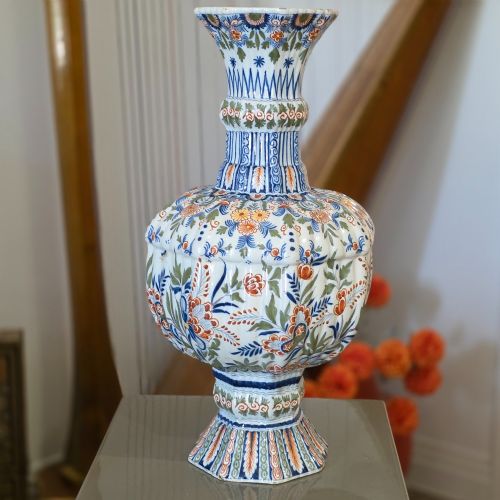
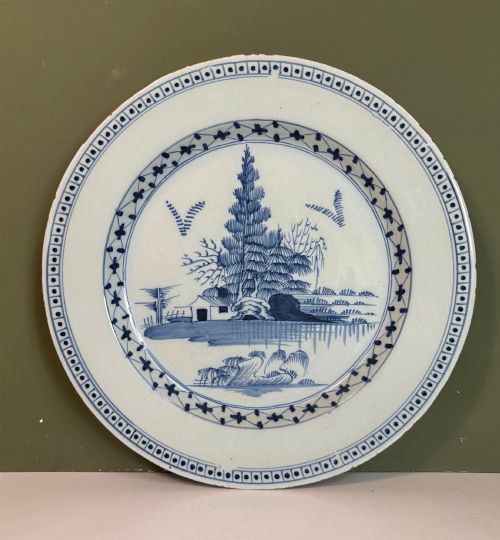
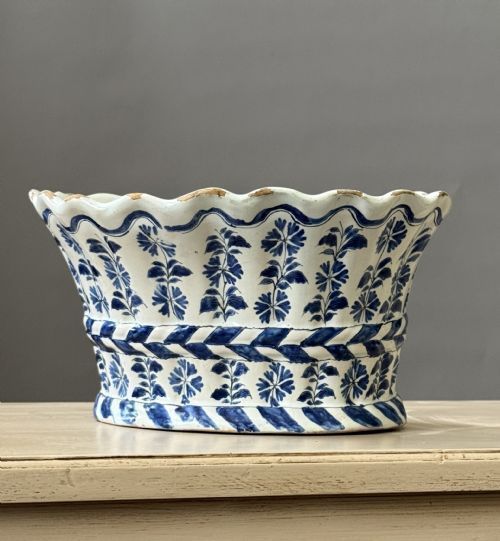
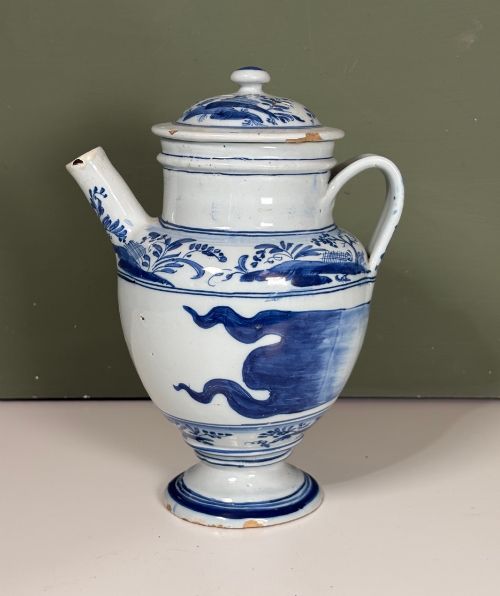
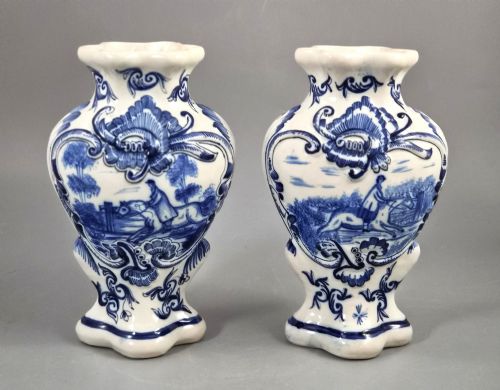
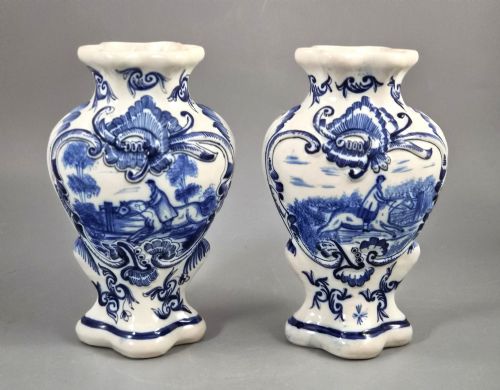
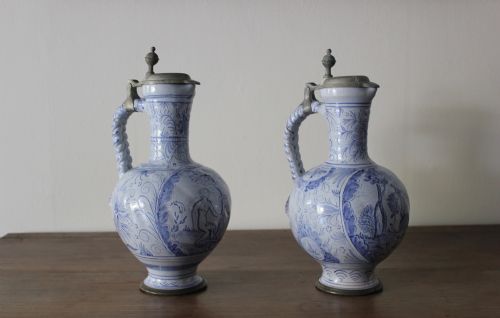
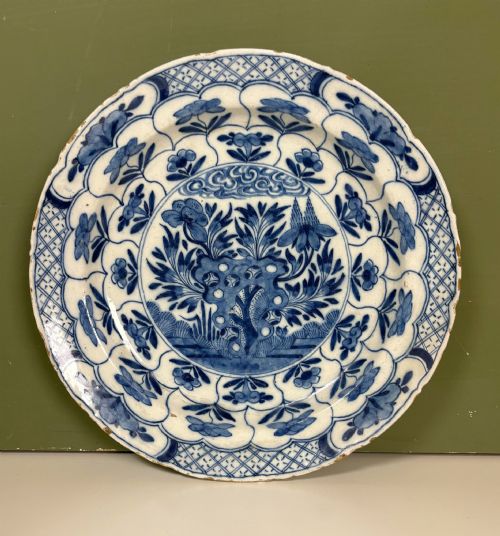
These pieces of blue and white delftware bring tin-glazed earthenware into the home through chargers, apothecary jars, and vases.
Blue and White Delftware
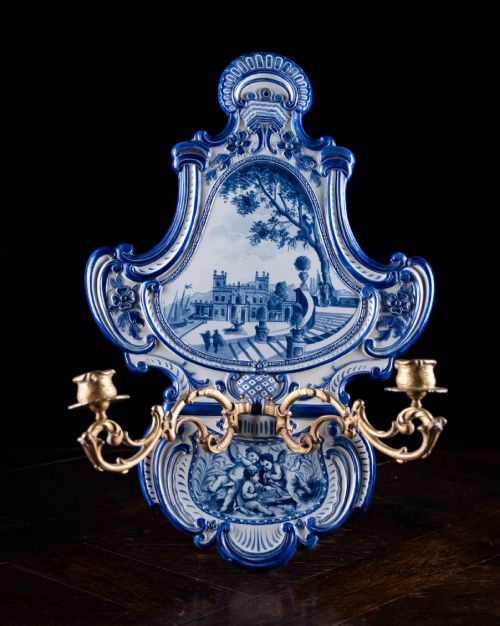
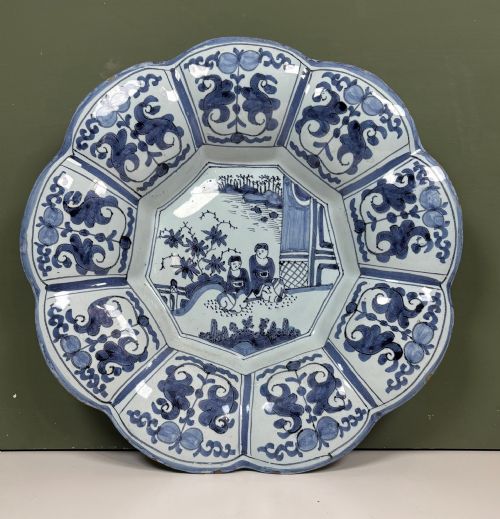
Buyers searching for blue and white delftware encounter tin-glazed earthenware objects spanning from the seventeenth century to the twentieth century. The selection includes decorative chargers, apothecary jars, vases, posset pots, and table lamps originating from Dutch, English, and French potteries.
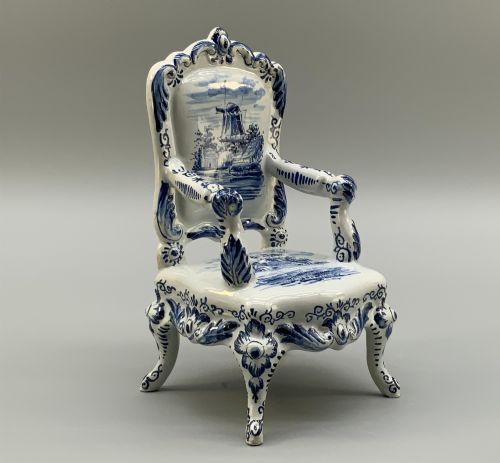
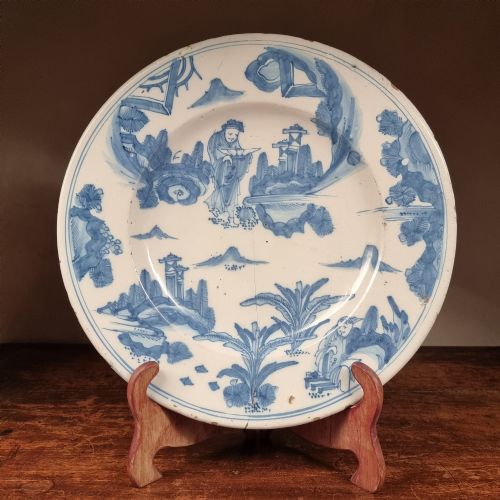
The most common items met on this page are eighteenth-century chargers and dishes, alongside nineteenth-century vessels and figures such as pottery cows and miniature armchairs. Continental faience and Moorish style charger plates also appear among the selections.
The objects serve various historic functions, from domestic tableware and wet drug jars to decorative wall sconces and garden urns. Dating evidence ranges across the seventeenth, eighteenth, nineteenth, and twentieth centuries.
How blue and white delftware was made
The manufacturing process relies on earthenware ceramic bodies coated in an opaque tin glaze that provides a white background for painting. Artisans applied cobalt pigment or cobalt oxide directly onto the unfired glaze to create blue and white designs.
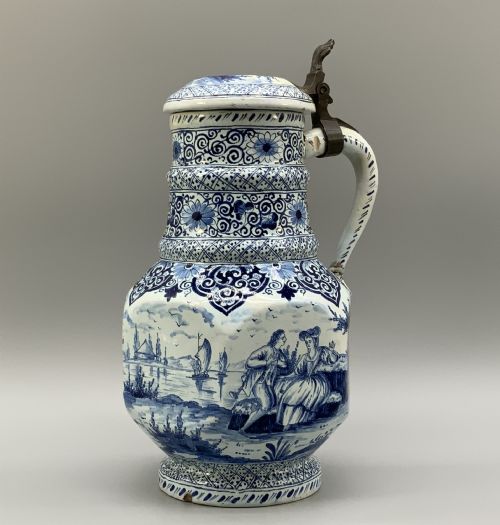
Many items feature hand-painted motifs, including Chinoiserie patterns, floral arrangements, animal subjects, and specific pharmaceutical inscriptions. Potters shaped vessels on the wheel or pressed clay into moulds, occasionally adding pewter lidded mounts or ormolu brass fittings.
Listings span four centuries, featuring earthenwares decorated with cobalt pigment alongside French faience and Moorish style charger plates.
What varies in quality
Quality differences emerge in the precision and fluidity of the hand-painted cobalt pigment against the tin glaze. Early pieces from the seventeenth and eighteenth centuries demonstrate distinct brushwork control compared to later production methods.
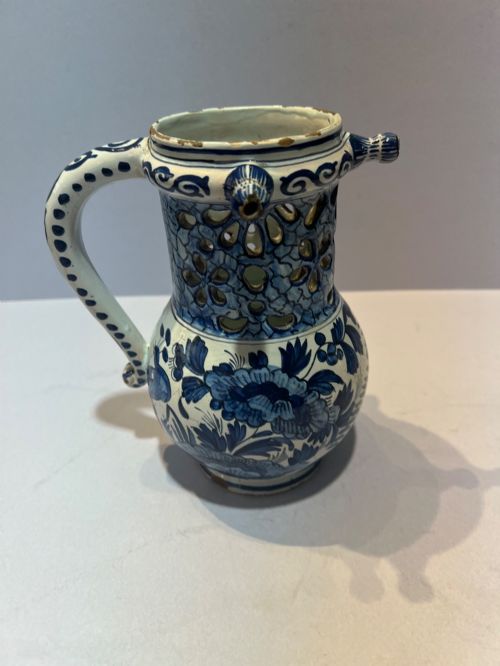
The complexity of the form, such as lobed dishes, bough pots, puzzle jugs, and figural models, distinguishes standard domestic items from more ambitious studio pieces. The survival of original lids, pewter mounts, or specialised apothecary markings adds historical weight to individual examples.
Fourmaintraux-Courquin·Villeroy and Boch·Lambeth Pottery
The Blue and White Delftware Glossary
- Tin-Glazed Earthenware
- Pottery covered with a ceramic glaze containing tin oxide that turns opaque and white upon firing. This surface serves as the canvas for cobalt blue painting.
- Charger
- A large decorative plate or dish intended for display on a wall or dresser rather than for dining use. These items frequently feature painted scenes or floral motifs.
- Apothecary Jar
- A ceramic vessel used by chemists and pharmacists to store dry drugs, wet medicines, or ointments. They often carry painted Latin labels or maker marks.
- Faience
- European tin-glazed earthenware produced in France and other continental regions outside the main Dutch and English centres. The technique mirrors traditional delftware production.
- Posset Pot
- A two-handled lidded cup used historically for serving a warm posset drink made of curdled milk and wine. Examples appear in seventeenth and eighteenth-century English and Dutch pottery.
Blue and White Delftware: Frequently Asked Questions
What is delftware made of?
These objects consist of an earthenware ceramic body covered in a white tin glaze. Cobalt pigment is applied to this surface to create the characteristic blue designs.
Porter work involves shaping the clay on a wheel or in moulds before firing the piece to fuse the glaze and pigment together.
How were apothecary jars used?
Apothecary jars held dry drugs, wet medicines, and medical preparations in historic dispensaries and shops. They often featured specific painted inscriptions to identify the contents.
Wet drug jars included spouts or wide mouths suitable for liquids and ointments used by pharmacists.
How do you date old delftware?
Dating relies on stylistic shifts in painting techniques, shape designs, and the composition of the ceramic body and tin glaze. Seventeenth-century pieces often display Kraak styles, while eighteenth-century items show diverse floral and pictorial motifs.
Markings, such as pharmacy inscriptions and pottery attributions, help narrow the timeline alongside physical wear patterns.
Where was delftware produced?
Production centred primarily in Delft within the Netherlands, alongside notable workshops in England including Lambeth. Continental factories in France also manufactured similar tin-glazed faience.
Each region developed distinct local characteristics in glaze thickness, blue tone, and decorative subjects over the centuries.