

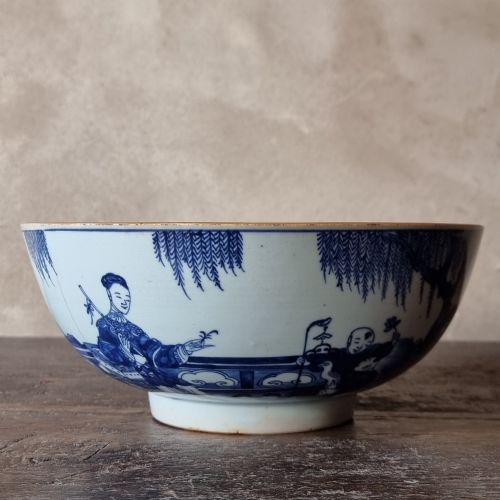
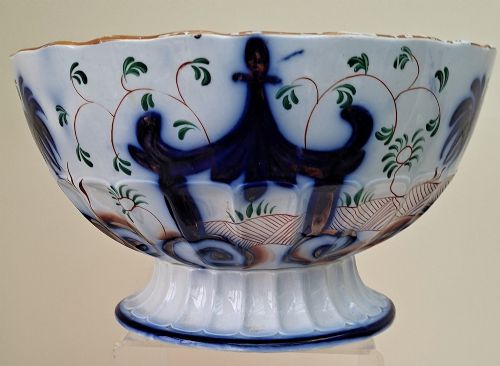
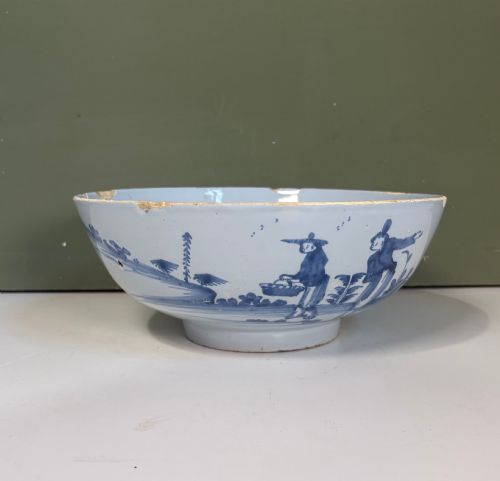
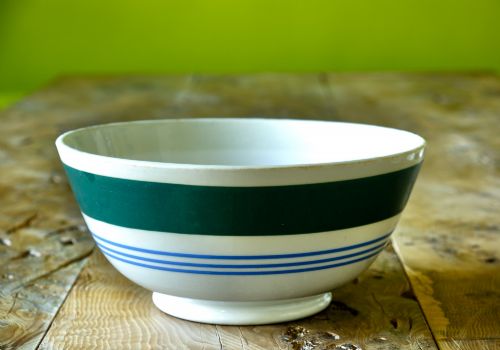


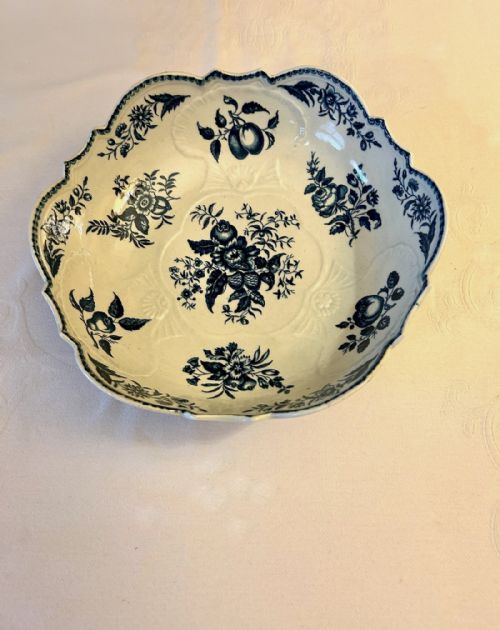
Blue and White Basin
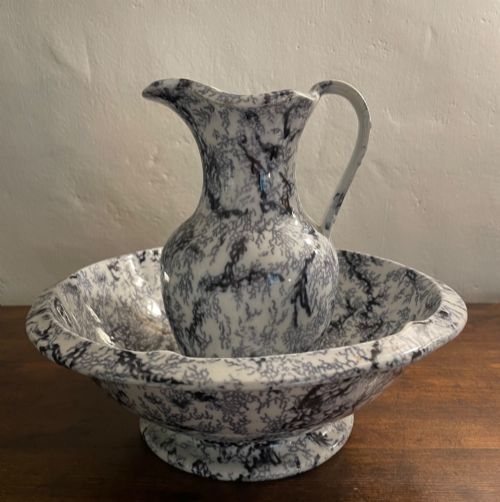
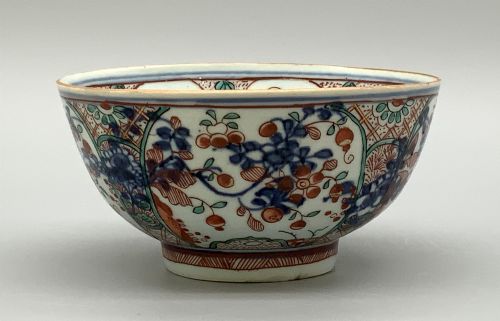
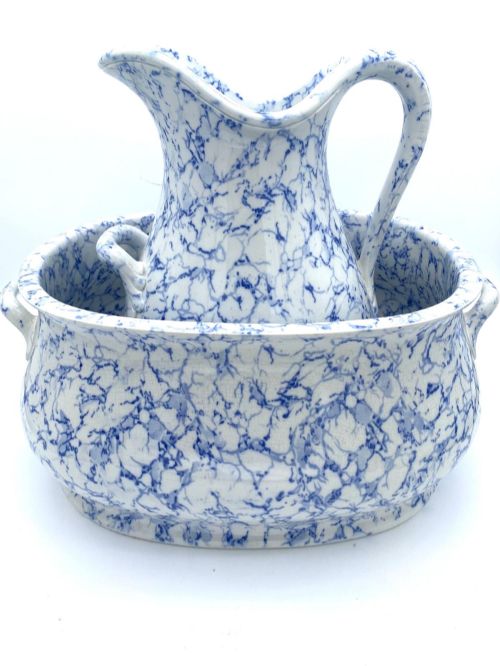
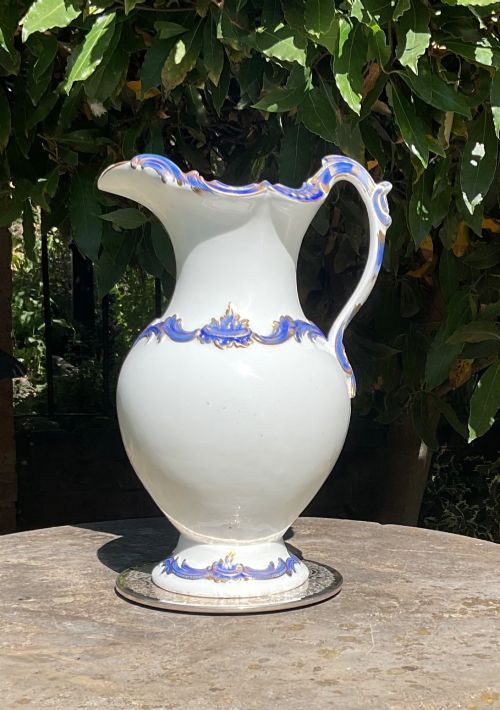
A blue and white basin brings cobalt decoration and glazed ceramic form together, offering utility and display from centuries past.
How they were made
Potters shaped these vessels from ceramic, earthenware, ironstone, and porcelain bodies before applying cobalt glaze or transfer printing. Many pieces receive additional detail through enamel colours and hand painting.
Kiln firing vitrified the body and sealed the surface beneath a clear glaze, occasionally accented by gilt or gold leaf on finer nineteenth-century porcelain.
What varies in quality
Quality rests in the crispness of the cobalt transfer or the precision of the hand-painted brushwork across the ceramic body. Early porcelain and ironstone examples demonstrate superior throwing and glaze smoothness compared to later utilitarian earthenware.
The weight and wall thickness of the basin, alongside the depth and clarity of the blue pigment, separate standard production pieces from fine factory outputs.
Listings feature periods from the 17th century through the Edwardian era, spanning porcelain, earthenware, and ironstone.
Minton·T G Green·Masons Ironstone·Ridgway·Doulton Burslem·Spode·Baccarat·Heathcote
The Blue and White Basin Glossary
- Cobalt glaze
- A metallic oxide pigment applied under the glaze to produce deep blue ceramic decoration. It withstands high kiln temperatures without losing definition.
- Transfer printing
- A mechanical method of applying complex designs to pottery via a copper plate and tissue paper. This technique enabled intricate patterns on nineteenth-century basins.
- Jardiniere
- A large ornamental pot designed to hold growing plants or flowers. These vessels often match the scale of footbaths and heavy wash basins.
- Earthenware
- A porous pottery body fired at lower temperatures than porcelain. It requires an impermeable glaze to hold water effectively.
- Ironstone
- A dense, durable type of earthenware patented in the nineteenth century. It resists chipping and bears heavy daily use.
Blue and White Basin: Frequently Asked Questions
What is a blue and white basin used for?
These vessels served diverse household functions ranging from personal washing on wooden washstands to soaking feet in large footbaths. Punch bowls and jardinieres handled dining and botanical display within domestic interiors.
Today, collectors utilise them for interior decoration, floral arrangements, or as standalone table centerpieces within traditional and modern rooms.
How do I date an antique basin?
Dating relies on identifying the pottery body, the style of the cobalt transfer print, and any impressed or printed factory marks on the base. Eighteenth-century pieces show different potting weights and glaze characteristics compared to Victorian wares.
Reference marks against known factory operating dates to narrow the decade of production for marked English and Asian pieces.
Are these basins waterproof?
Glazed ceramic and porcelain vessels are generally impervious to water after high-temperature kiln firing. However, nineteenth-century earthenware can develop hairline crazing in the glaze over generations of use.
Inspect the interior surface for moisture absorption before filling unglazed or heavily craved earthenware vessels with water.
How do I clean an antique ceramic bowl?
Wash the ceramic surface gently using warm water and a mild, non-abrasive detergent with a soft cloth. Avoid harsh scrubbing brushes that might scratch the old glaze or diminish delicate enamel details.
Dry the vessel thoroughly with a soft towel to prevent moisture from settling into any historic hairline cracks within the glaze.