


Black White Art Print
A black white art print brings monochrome depth to a room, offering centuries of tonal contrast through historic etchings and engravings.
Black White Art Print
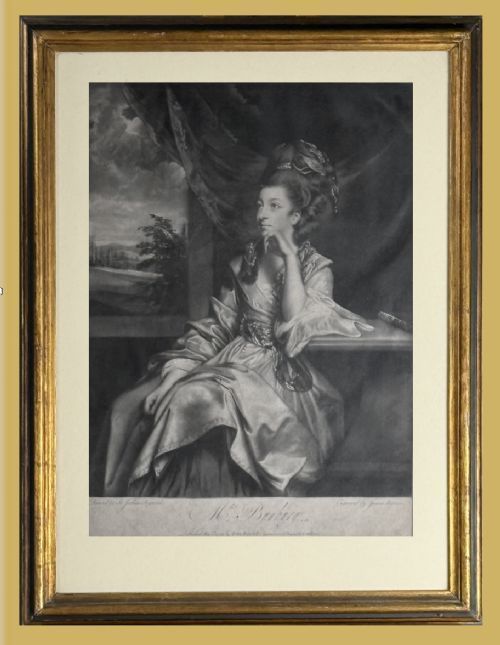
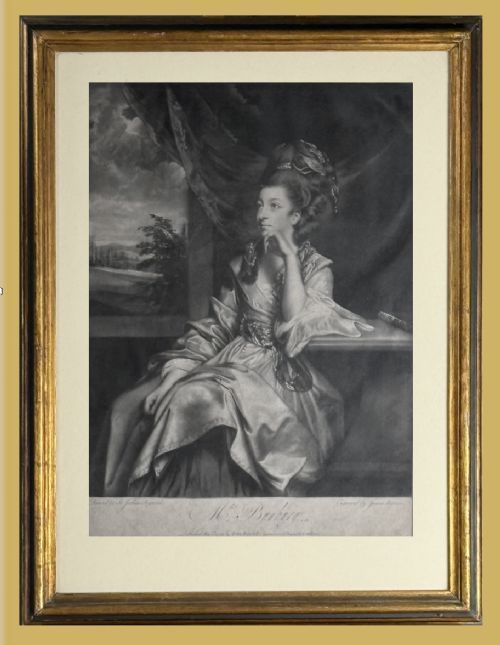
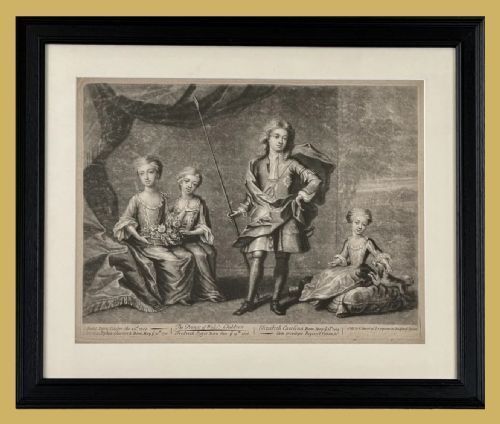
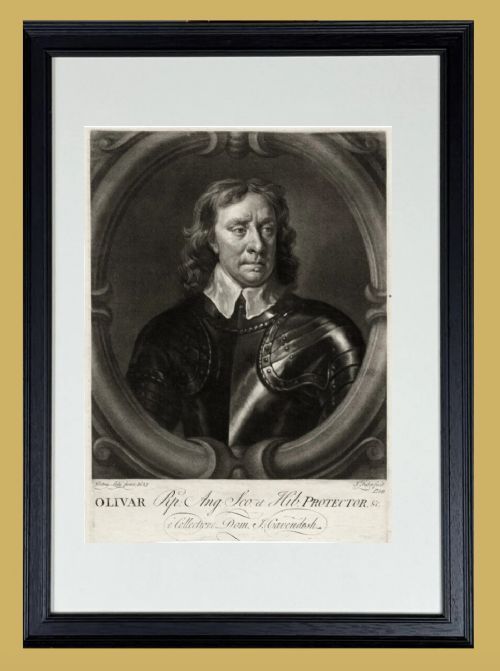
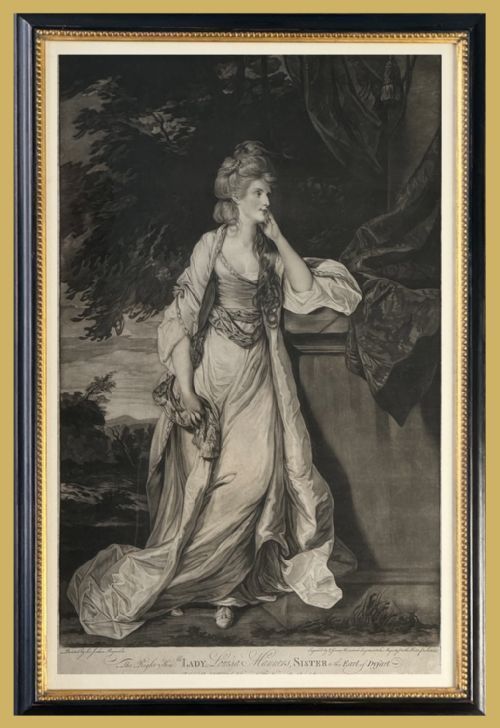
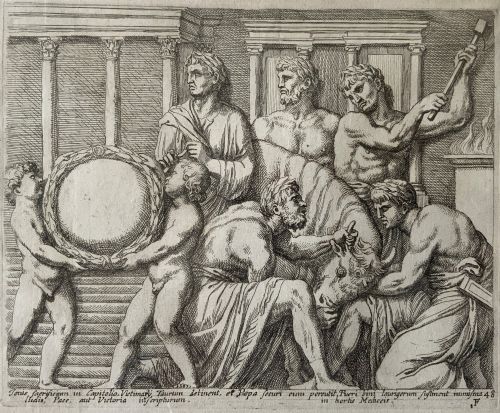
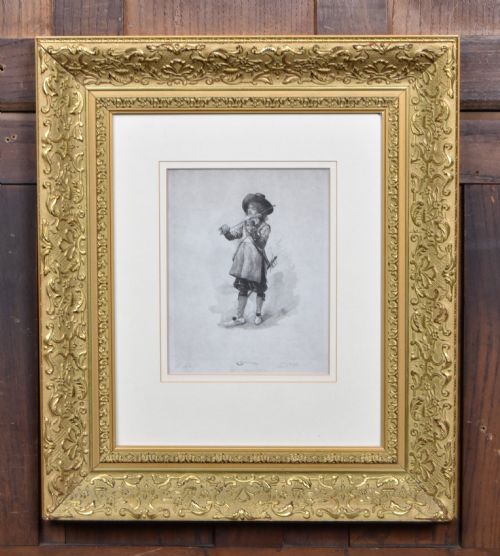
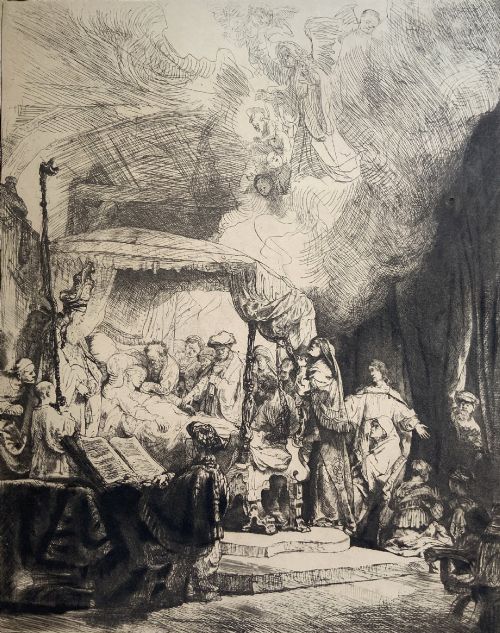
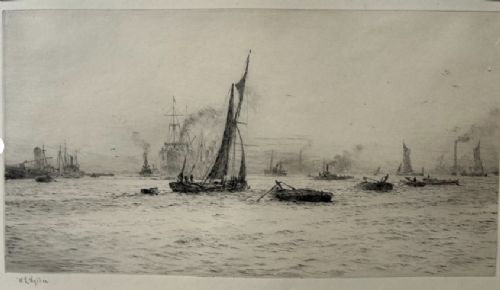
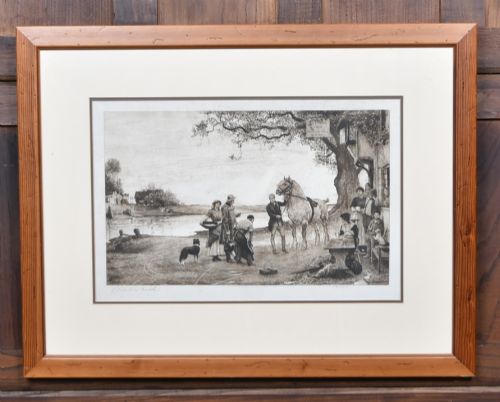
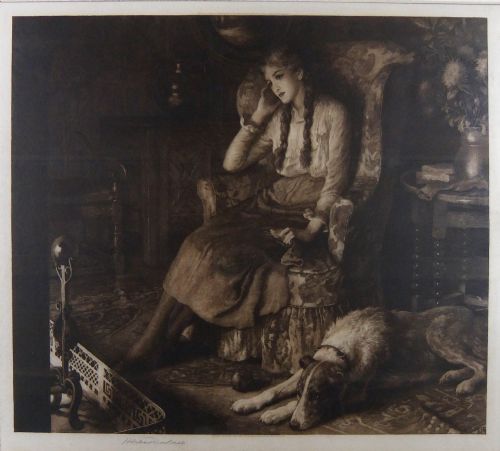
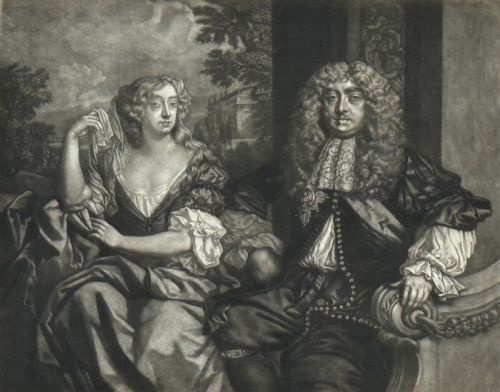
A black white art print encompasses historic works on paper, spanning seventeenth-century mezzotints, eighteenth-century engravings and early twentieth-century etchings. Buyers encounter framed portraits, classical antiquities and rural scenes produced across Georgian, Victorian and Edwardian periods.
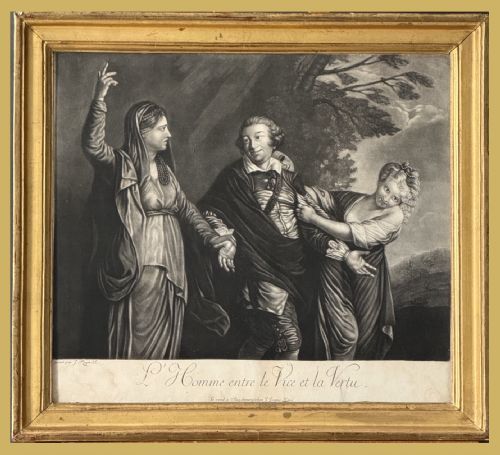
The selection ranges from detailed copperplate engravings depicting social satires to atmospheric animal studies rendered in monochrome. These pieces reflect centuries of graphic artistry, framed in period materials like gilt wood and glass.
Materials and technique
The creation of these works relies upon traditional paper substrates combined with rich black ink applied through etching, engraving and mezzotint techniques. Artisans worked copper plates to capture fine tonal gradations before printing the images by hand.
Framing often involves wood, giltwood and gold leaf accents beneath protective glass sheets, preserving the delicate monochrome surfaces from environmental damage over the centuries.
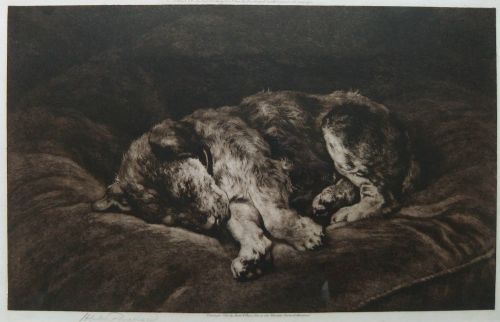
Several prints capture solemn historical figures alongside charming studies of cocker spaniels and lions.
Quality and execution
The distinction between standard and superior examples rests upon the crispness of the plate impression and the depth of the ink tones. Fine prints retain sharp lines and rich contrasts that reveal the nuance of the original engraving or etching.
The condition of the paper and the authenticity of the framing also dictate the standing of a piece. Original artist proofs and early printings demonstrate superior clarity compared to later reproductions.
James Watson·John Smith·Valentine Green·Herbert Dicksee·William Lionel Wyllie
The Black White Art Print Glossary
- Mezzotint
- A printmaking process where the copper plate is roughened to achieve rich tonal variations of dark and light. This technique allows for subtle gradients rather than simple line work.
- Etching
- A method where lines are bitten into a metal plate with acid before being inked and pressed onto paper. Artists use this to create highly detailed illustrative works.
- Engraving
- A technique involving direct cutting into a metal plate using a sharp tool called a burin. This produces clean, precise lines characteristic of early book illustrations and art prints.
- Artist proof
- A trial impression taken during the printmaking process to check the state of the plate before the main edition is run. These are typically signed by the creator.
- Copperplate
- A sheet of copper utilised by printmakers to engrave or etch an image prior to the transfer of ink onto paper. These plates wear down over time, limiting the number of sharp prints produced.
Black White Art Print: Frequently Asked Questions
How should I care for a historic print?
Keep monochrome paper works away from direct sunlight to prevent fading of the ink and yellowing of the sheet. Maintaining stable indoor humidity protects both the paper substrate and the historic frame.
Ensure the glass remains intact and does not rest directly against the surface of the print. Professional framing with acid-free materials safeguards the longevity of older works.
What is the difference between an etching and an engraving?
An etching relies on acid to bite lines into a metal plate, creating a softer, more painterly line quality. Engravings are cut directly into the metal using a sharp tool, resulting in precise, rigid lines.
Both methods produce stark monochrome results, but the microscopic texture of the ink paths helps differentiate the techniques under magnification.
How do I identify the age of a print?
Examine the paper type, plate marks, and framing materials for clues regarding the period of production. Seventeenth and eighteenth-century works often utilise hand-laid paper with distinct watermarks.
Signatures, publisher details, and typographical styles in the margins provide further historical context to date the piece accurately.
Are these prints originals or copies?
Historic prints produced from master plates during the artist's lifetime or shortly after are considered original printmaking works. They differ from modern photographic reproductions by exhibiting actual plate indentations and ink texture on the paper.
Checking for the characteristic impression left by the printing press helps verify authenticity.