


Sepia Paper Etching
These sepia paper etching works bring tonal depth and historic character to your walls through ink on paper.
Sepia Paper Etching
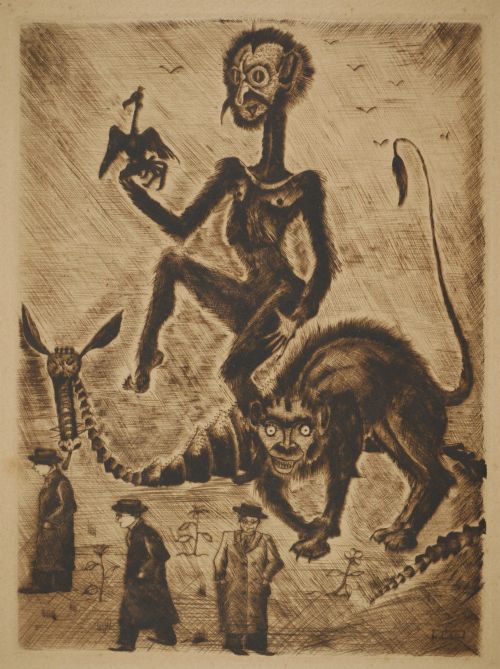
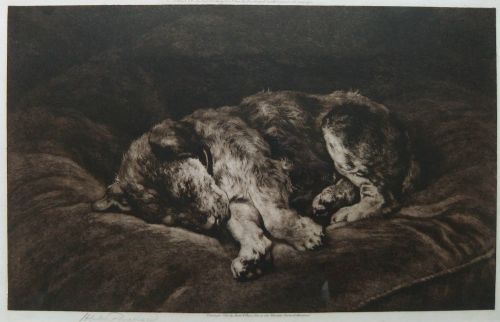
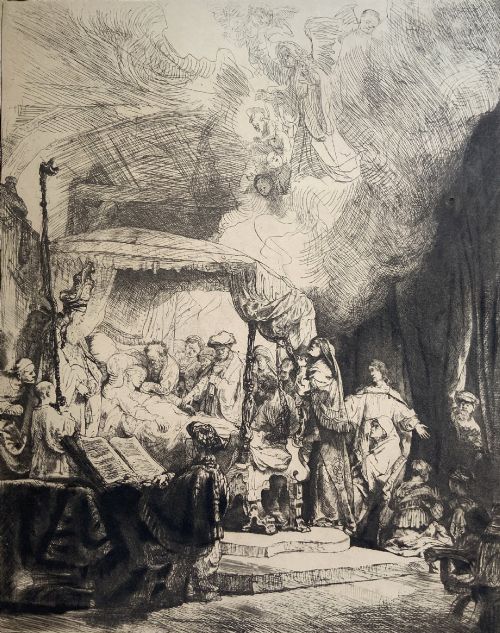
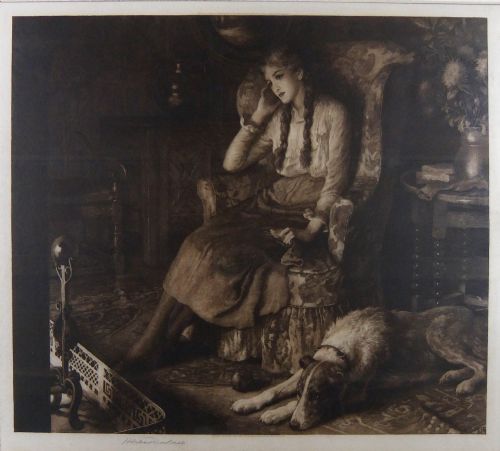
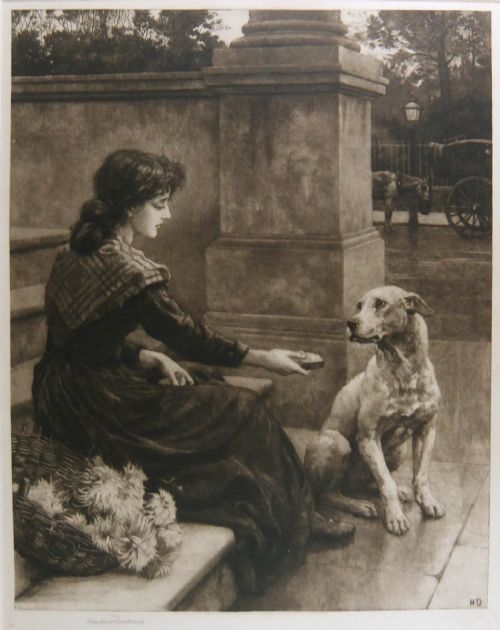
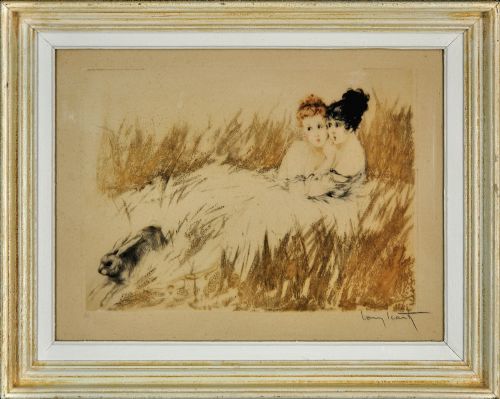
When you search for sepia paper etching, you encounter works spanning the seventeenth century to the twentieth century, with a strong representation from the Edwardian period and the nineteen-twenties. The selection ranges from Victorian narrative art and animal studies to surrealism and architectural views, presented as prints and fine art prints.
The most common formats on this page are original etchings and drypoint etchings framed under glass, often utilising wood frames. These pieces capture subjects from Dutch Golden Age reinterpretations to English country house scenes and sporting subjects.
How they were made
These works rely on ink applied to paper plates through traditional intaglio methods, sometimes accompanied by drypoint or aquatint techniques. Artisans also hand-coloured certain prints to enrich the tonal palette of the sepia imagery.
Framed artwork typically employs wood and glass to protect the paper substrate and ink medium from environmental moisture and damage over the decades.
The listings span from the seventeenth century through the Victorian era into the nineteen-twenties and nineteen-thirties.
What varies in quality
The distinction between standard examples and superior pieces rests on the clarity of the line work and the depth of the ink impression left on the paper. Stronger examples retain crisp details in complex compositions, such as animal textures or architectural stonework.
Preservation of the paper ground and the richness of the sepia tone also influence the standing of a piece. Works that maintain clean margins and stable paper without heavy toning or fading represent the higher tier.
Herbert Dicksee·Louis Icart·James Dobie·Edgar J. Maybery·Frank Greenwood
The Sepia Paper Etching Glossary
- Etching
- A printmaking method where acid bites lines into a metal plate to hold ink before pressing onto paper. This technique allows for fine linework and tonal variation.
- Drypoint
- A printmaking process where an artist scratches directly into a metal plate with a sharp needle rather than using acid. This raises a burr of metal that gives the printed lines a soft, velvety edge.
- Aquatint
- An intaglio printmaking technique that creates areas of tone rather than lines through the use of powdered resin. It is frequently combined with standard etching to achieve watercolour-like shading.
- Engraving
- A method of cutting design lines directly into a hard plate using a burin tool. Unlike etching, it relies entirely on physical force rather than chemical acid.
- Hand coloured
- A process where colour is applied by hand to a monochrome print after it leaves the press. This adds individual character to each sheet.
Sepia Paper Etching: Frequently Asked Questions
What is a sepia paper etching?
A sepia paper etching is a print created from a metal plate using brown-toned ink on paper.
These works range from seventeenth-century plates to twentieth-century animal and architectural studies.
How should I frame these prints?
These works require framing under glass with acid-free mounts to protect the paper and ink.
Keeping them away from direct sunlight prevents the sepia tones and paper grounds from fading.
Are these prints original?
The selection includes original period etchings pulled from the artists' plates during their active years.
Some examples also comprise historic restrikes and interpretations of earlier masterworks.
How do I identify the period?
Period identification relies on stylistic markers, framing styles, and paper characteristics noted in the descriptions.
Subjects range from Victorian narrative scenes to Art Deco figures and Edwardian sporting prints.