
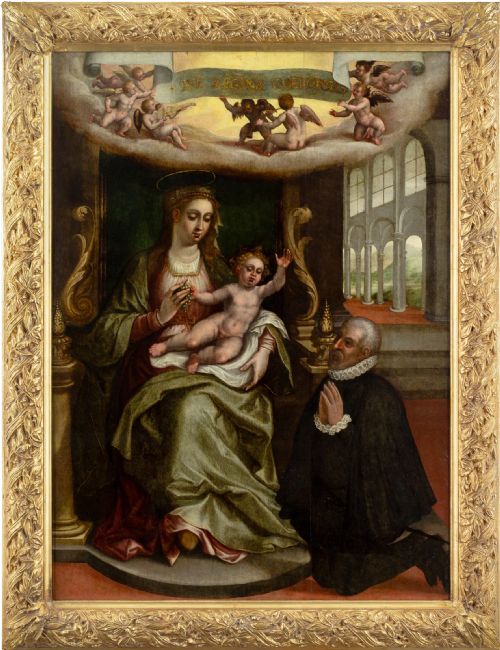
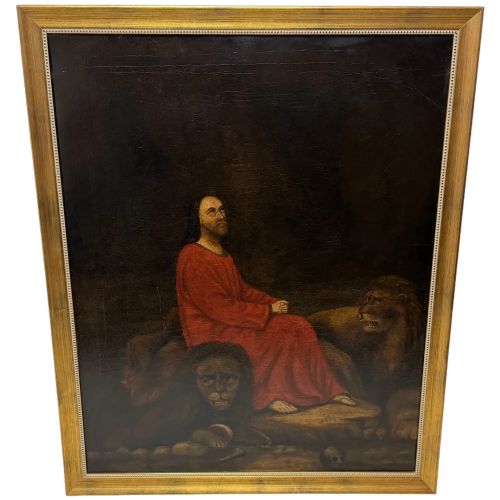
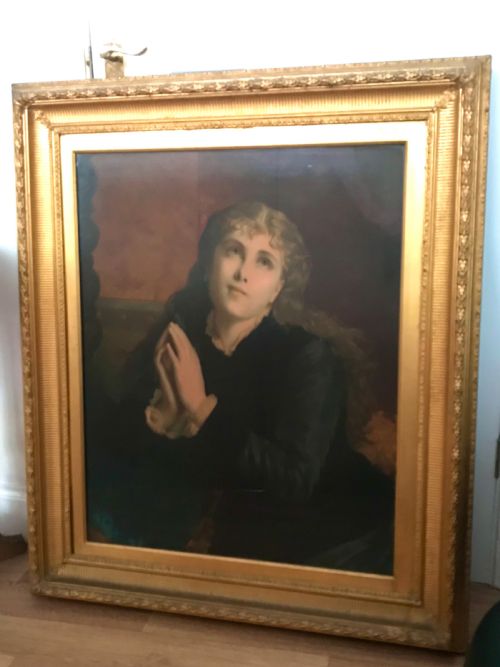


Framed Christian Artwork
Framed christian artwork brings together centuries of devotional imagery, spanning oil paintings, icons, and prints housed in period surrounds.
Framed Christian Artwork
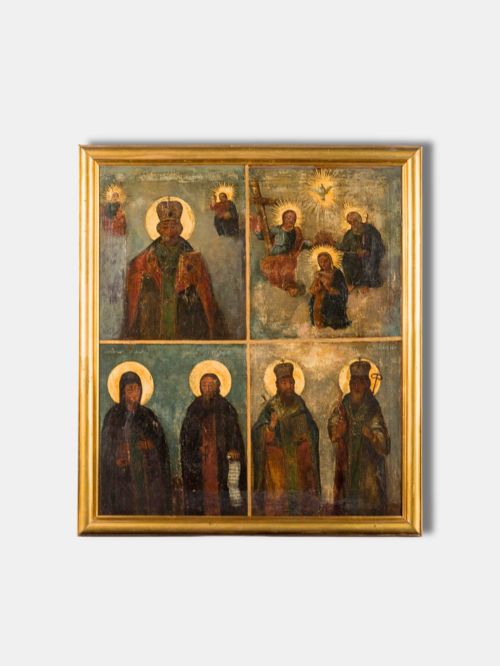
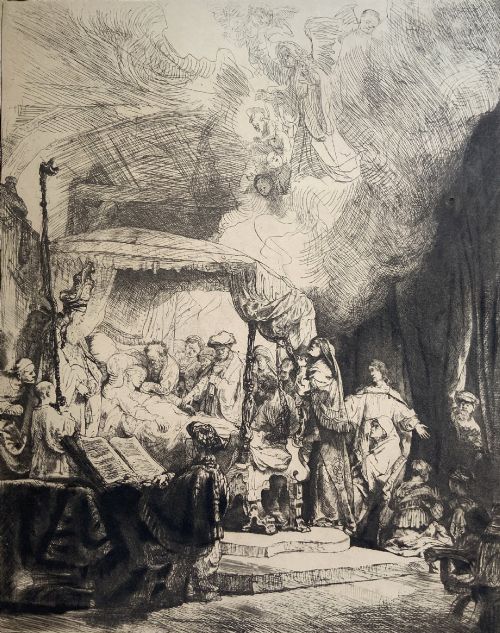
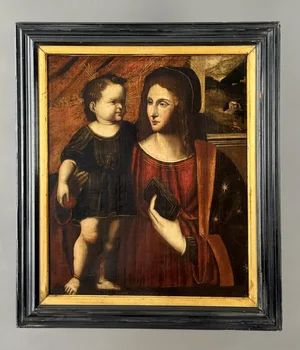
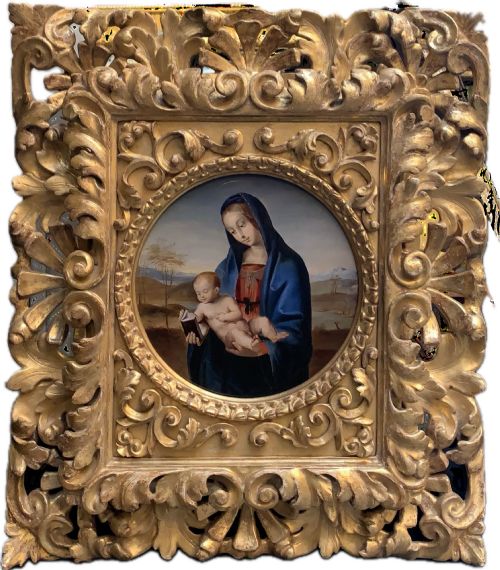
Framed christian artwork encompasses centuries of devotional imagery produced across Europe, with a particular concentration of Italian, Flemish, and Russian pieces. You will find oil paintings on canvas and panel alongside Limoges enamel plaques, reverse glass pictures, and nineteenth-century prints. These works capture biblical narratives, portraits of saints, and depictions of the Virgin and Child.
The selections span from the sixteenth century through the Edwardian era, reflecting shifting theological and artistic movements such as the Baroque, Renaissance Revival, and Russian Orthodox traditions. Many examples are period copies after masters like Raphael and Murillo, while others emerge from regional schools across Central Europe and Scandinavia.
How They Were Made
Frames are integral to the pieces, constructed from wood and finished with giltwood or gold leaf to complement the sacred subjects within.
Listings feature oil paintings, tempera icons, and engravings spanning the seventeenth, eighteenth, and nineteenth centuries.
What Varies in Quality
The distinction lies in the fidelity of the hand, the depth of pigment layering, and the integrity of the original support material. Pieces executed by regional schools or circle members show varying degrees of painterly confidence in anatomy and drapery.
The quality of the framing also dictates the overall standing of the object, particularly where original giltwood or gold leaf surrounds remain intact with the canvas or panel.
Amand Durand·Bernardino Luini·Miguel Barroso·Francesco Solimena·Cornelis Christian Dommersen·Christian Lindner·Antonio Allegri·G.F. Penni·Scipione Pulzone·Raffaello Sanzio·Frederick Christian Lund·Orsola Maddalena Caccia·Reynard Le Vieux
The Framed Christian Artwork Glossary
- Tempera
- A permanent, fast-drying painting medium consisting of coloured pigments mixed with a water-soluble binder, commonly egg yolk. It was widely used for panel paintings before the dominance of oil paint.
- Giltwood
- Wood that has been treated with a thin layer of gold leaf or powder. This finish is frequently found on the decorative frames enclosing historic religious art.
- Oleograph
- A mechanical colour lithograph produced on canvas to simulate an oil painting. These Victorian reproductions brought sacred imagery into domestic interiors.
- Icon
- A devotional panel painting from the Eastern Orthodox tradition, typically featuring Christ, the Virgin Mary, or saints. They are traditionally executed in tempera and gold leaf on prepared wood.
- Reverse Glass Picture
- An artwork created by painting or drawing on the back of a piece of glass so that the image is viewed through the front. This technique protects the pigments from atmospheric tarnishing.
Framed Christian Artwork: Frequently Asked Questions
How do I date an old religious painting?
Dating relies on examining the canvas weave, panel preparation, stretcher construction, and pigment composition alongside stylistic markers. Historical inscriptions or attribution notes on the reverse often provide further chronological clues.
Frame styles also offer a reliable guide, as many period works retain their original giltwood or wooden surrounds contemporaneous with the artwork.
What is an Orthodox icon?
An Orthodox icon is a sacred image used for prayer within Eastern Christian traditions, most commonly depicting Christ, the Virgin Mary, or specific saints. These works are traditionally painted with tempera and gold leaf on wooden panels.
The creation of an icon follows strict theological canons regarding iconography, proportion, and symbolism rather than naturalistic representation.
How should I hang framed devotional art?
Devotional art requires stable indoor conditions away from direct sunlight and excessive humidity to protect vulnerable oil paint, tempera, and gold leaf. Proper wall fixings must support the combined weight of the artwork and its substantial period frame.
Placement should also consider eye level viewing, allowing the intricate details of smaller panels and prints to be appreciated fully.
Are these works original or copies?
The selection includes both original seventeenth and eighteenth-century compositions and period works created after established masters like Raphael and Murillo. Studio pieces and works by followers or circles of major painters are also represented.
Cataloguing details usually distinguish between direct works by an artist, productions by their workshop, and later homages or school pieces.