



Antique Master Print
When you collect an antique master print, you bring home centuries of printed art created by celebrated historical hands.
Antique Master Print
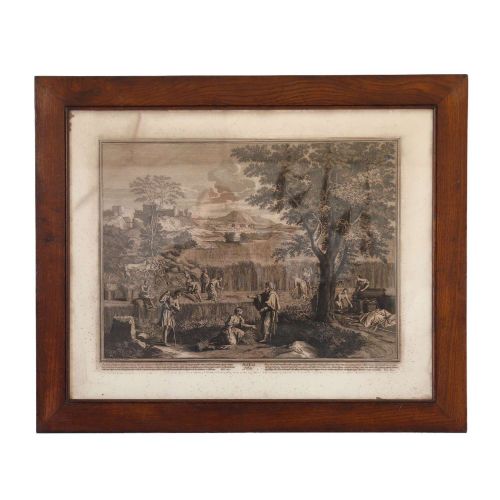
An antique master print represents historical printmaking traditions spanning from the seventeenth century through to the nineteenth century, encompassing various forms of wall art and framed prints.
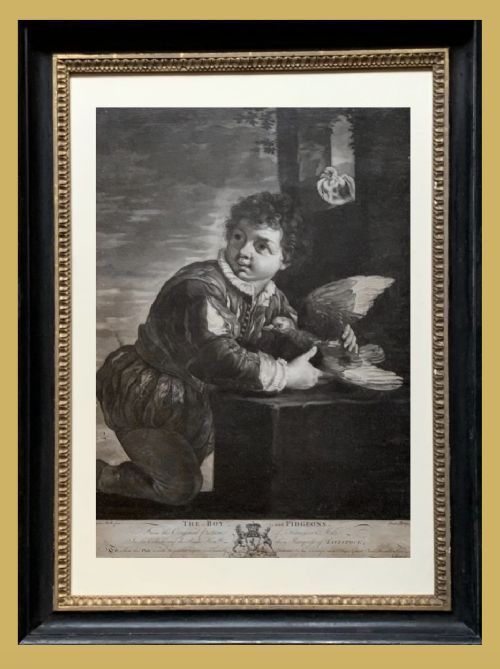
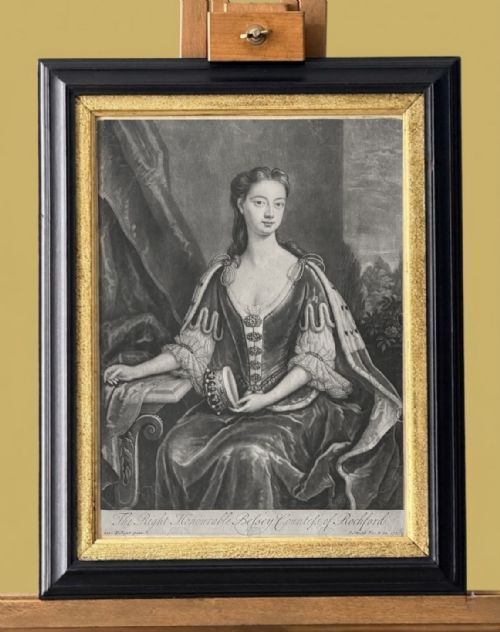
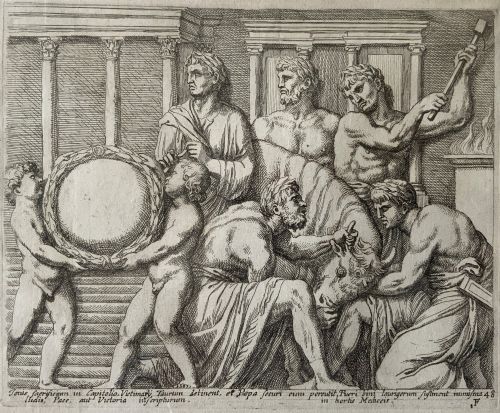
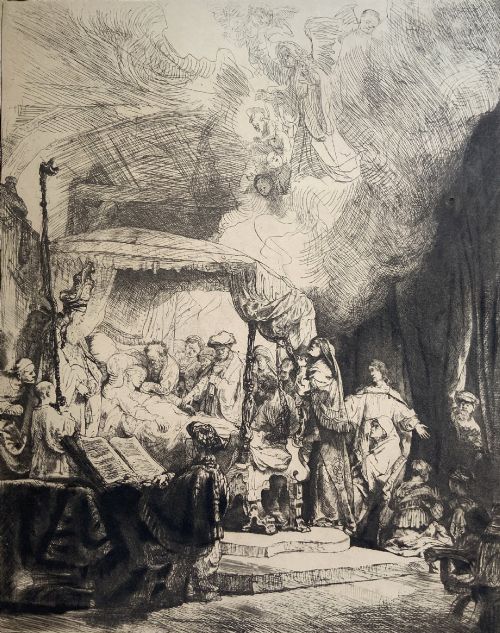
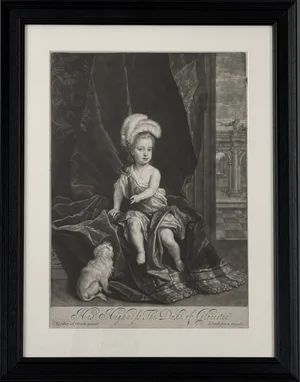
The selections available here feature notable works executed in techniques such as mezzotint, etching, and line engraving, often reproducing famous paintings by classical artists.
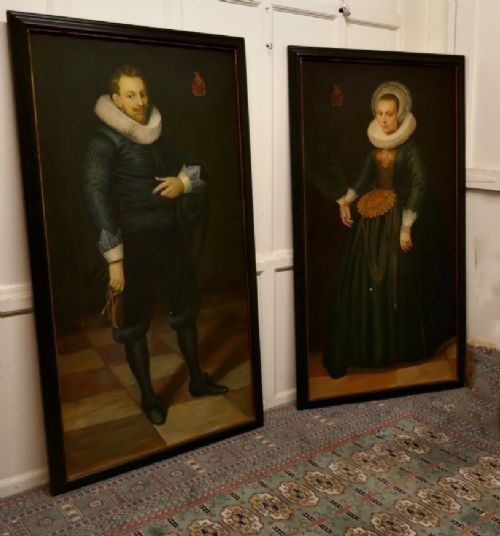
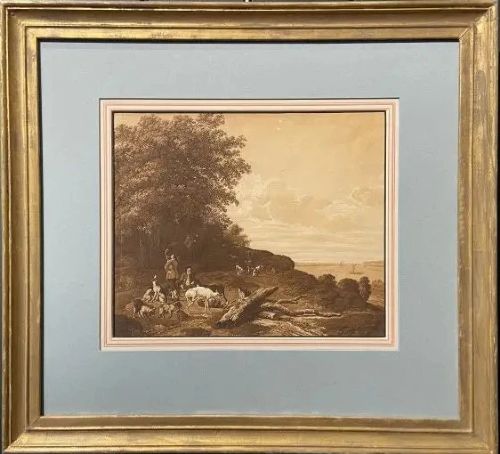
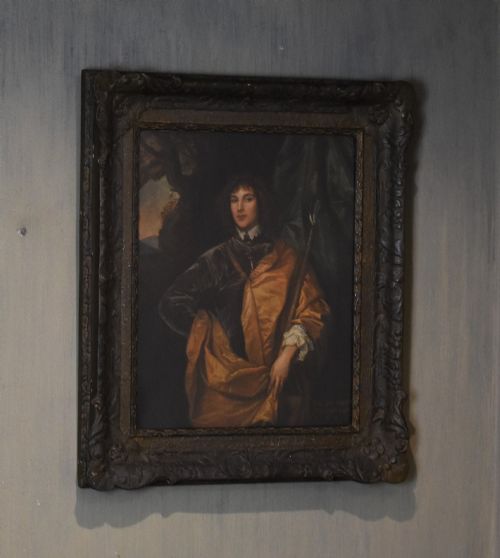
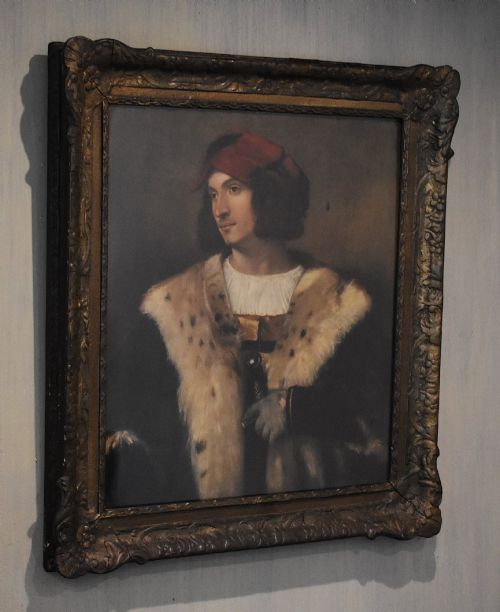
Buyers will encounter subjects ranging from classical antiquity and religious scenes to historical portraits and mythological compositions framed in wood, glass, and gilded frames.
Materials and production
These works utilise paper sheets printed with ink, employing traditional intaglio methods where lines are incised or etched into plates to hold pigment.
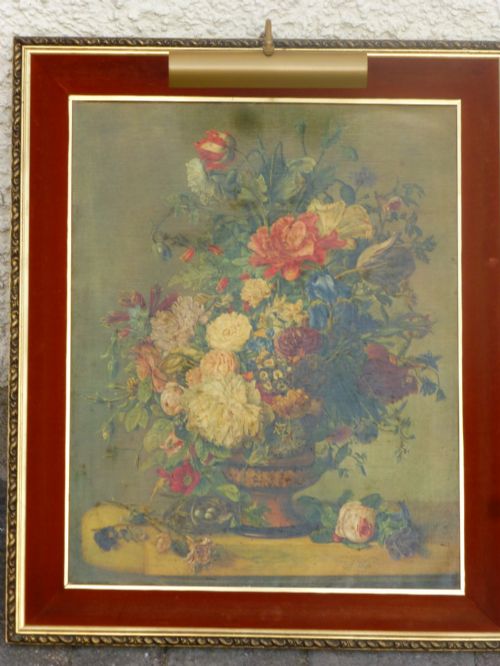
Many examples incorporate gold leaf and gilded wood within their frames, while some pieces integrate canvas and oil paint alongside the paper substrate.
The listings span seventeenth-century works through to nineteenth-century productions, utilising materials including paper, ink, canvas, and gilded wood.
Distinctions in quality
The distinction between tiers rests upon the clarity of the impression, the integrity of the paper, and the fidelity of the plate transfer.
Earlier impressions pulled directly from plates during the lifetimes of the makers or closely following periods exhibit sharper line work and tonal depth compared to later nineteenth-century facsimiles.
François Perrier·Rembrandt·Jacobus Houbraken·Andrea Mantegna·Giovanni Ottaviani
The Antique Master Print Glossary
- Mezzotint
- A printmaking process of the intaglio family where the plate is roughened evenly to achieve rich dark tones and subtle gradations of light. This technique became highly popular for portraiture during the eighteenth century.
- Etching
- A method where lines are bitten into a metal plate with acid rather than carved with a tool. Artists value this process for the freedom of line it allows.
- Line engraving
- A precise technique of cutting design lines directly into metal plates using a sharp tool called a burin. The resulting prints show exceptional linear clarity.
- Intaglio
- A category of printmaking where the ink sits below the surface of the plate in recessed grooves. Pressure from a press forces damp paper into these grooves to lift the ink.
- State
- A stage in the production of a print determined by alterations made to the plate itself. Collectors track these stages to date and evaluate impressions.
Antique Master Print: Frequently Asked Questions
What is a master print?
A master print is a fine art print created by a historically significant artist or printed from a plate engraved by a recognised printmaker of past centuries.
These pieces capture the compositions of renowned painters and translate them into ink on paper using techniques like etching and engraving.
How do I care for antique prints?
Protect antique prints from direct sunlight and high humidity to prevent the paper from yellowing and the ink from fading over time.
Keep them behind glass with acid-free backing materials to ensure the paper breathes without deteriorating in storage or display.
How are these prints framed?
Historical prints are typically mounted behind glass within wooden or gilded frames that complement the period of the artwork.
Original frames add distinct historical value, though many surviving sheets are reframed later to protect the delicate paper from environmental damage.
What is the difference between an etching and an engraving?
An etching relies on acid to bite lines into a metal plate, producing a freer and more painterly line quality.
An engraving uses a sharp burin tool to physically cut lines directly into the metal, resulting in cleaner and more geometric precision.
Can I date a print by the paper?
Paper characteristics such as watermarks, chain lines, and weight offer significant clues for dating historical print editions.
Examination of the sheet edge and pulp composition helps distinguish seventeenth-century paper stocks from later nineteenth-century reproductions.