
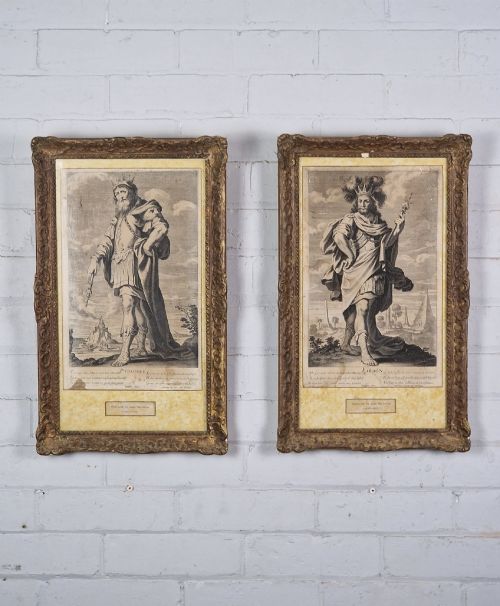
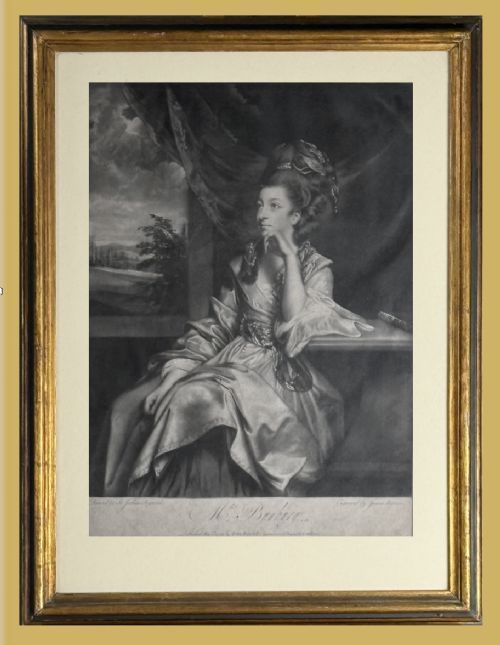
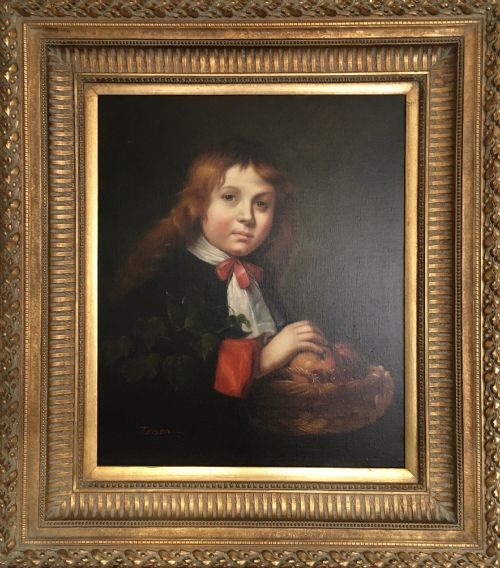
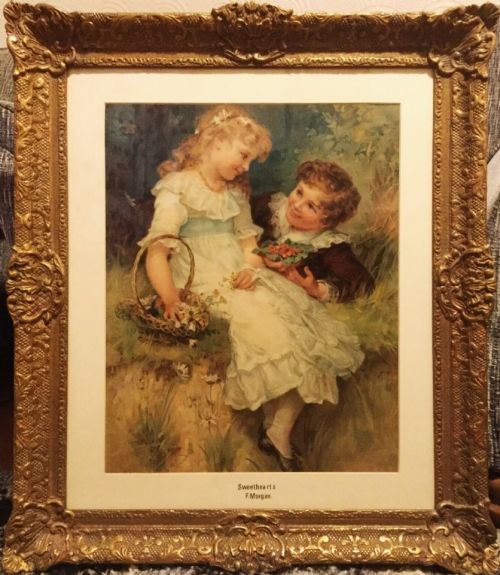
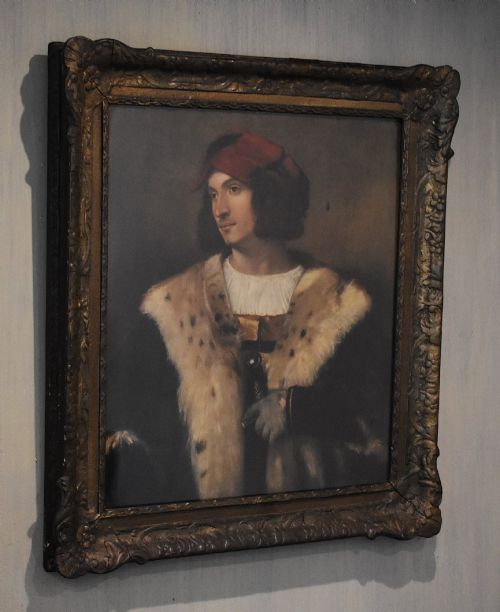


Gilded Frame Portrait Print
These gilded frame portrait print works bring historic likenesses to your walls, framed in gold leaf and gilt wood.
Gilded Frame Portrait Print
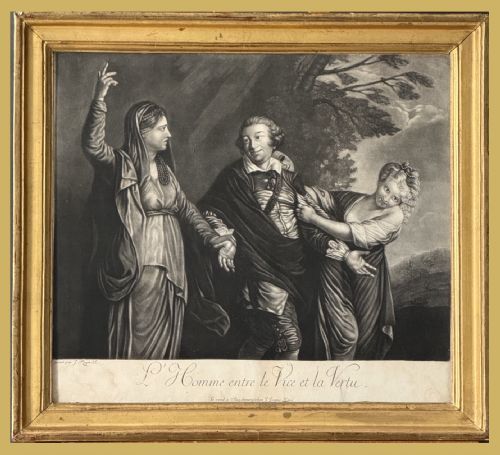
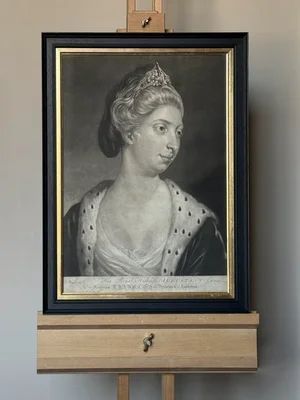
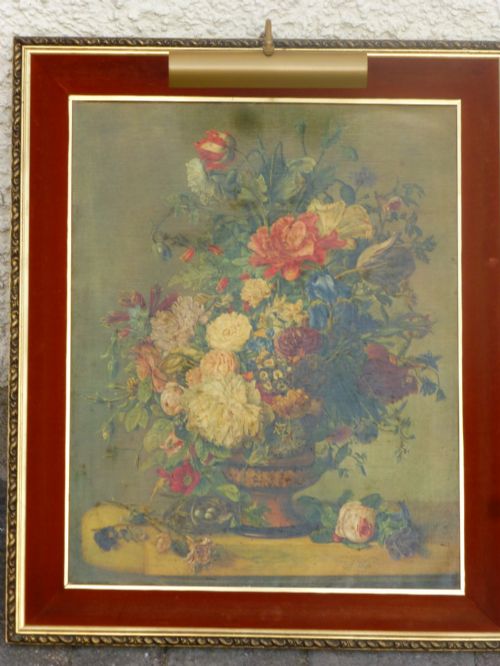
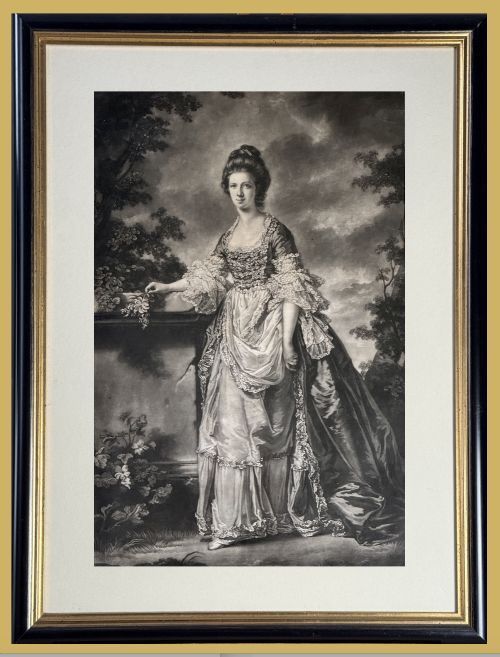
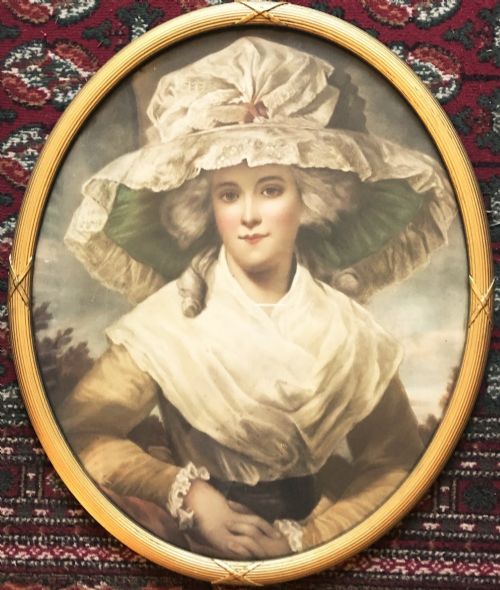
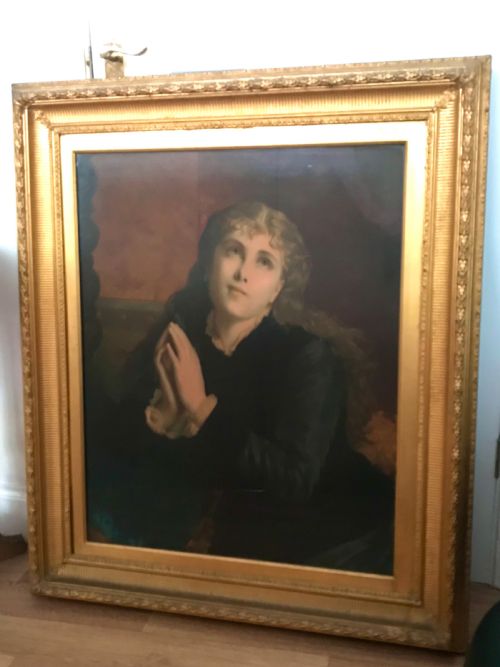
A gilded frame portrait print combines historical imagery with decorative framing, ranging from eighteenth-century mezzotints to nineteenth-century oleographs and twentieth-century reproductions. Buyers searching for this phrase encounter works depicting nobility, religious figures, and children, often rendered after notable painters.
The pieces on this page span several periods, including the Georgian, Victorian, and Edwardian eras, alongside mid-century interpretations. Common formats include reverse glass paintings, engravings, and canvas oleographs housed within ornate wooden surrounds.
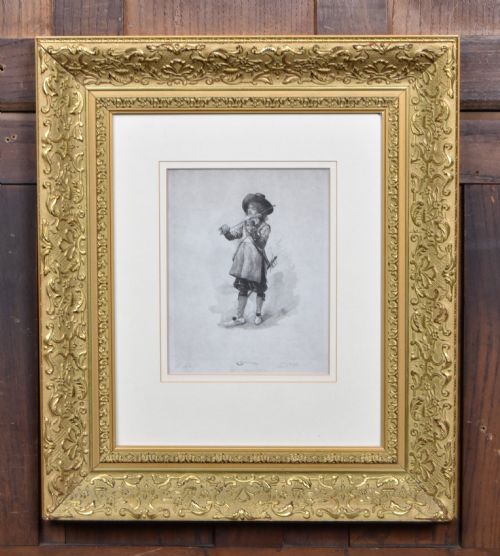
Subjects vary from specific historical personages like Queen Victoria and Charles I to genre scenes and family groups. Many items utilise classic framing techniques such as gesso and scroll moulding to complement the artwork within.
Materials and construction methods
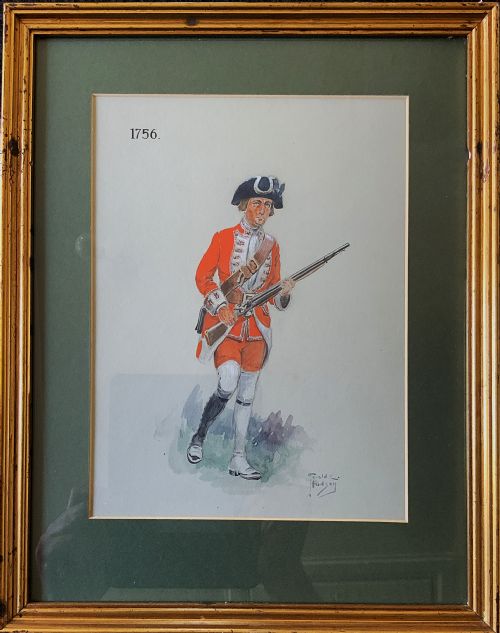
The physical objects rely on traditional printmaking or painting surfaces paired with timber framing. Paper, canvas, and glass serve as the primary mediums for the portraiture itself, capturing fine ink lines, watercolour washes, or oil pigments.
Frames are constructed from wood finished with gold leaf, giltwood, or gilded gesso. Glazing with protective glass is frequently utilised, particularly on delicate paper prints and reverse glass paintings dating from the eighteenth and nineteenth centuries.
Even grumpy First World War German generals found themselves immortalised inside cheerful gilded frames.
Factors determining quality
Quality rests in the fidelity of the print or painting technique and the craftsmanship of the surrounding mount. Finer examples display crisp detail in mezzotint or engraving, coupled with hand-carved or deeply moulded gilt frames that retain their original leaf and gesso texture.
The integration between the artwork and its housing dictates the piece's integrity. Superior specimens maintain original glass, stable backing materials, and gilding that shows natural ageing without crude modern repainting.
Jean Mariette·James Watson·Sir Joshua Reynolds·Jean Baptiste Greuze·Frederick Morgans·Francis Cotes·Anton Weiss·Robert Sayer·Herbert Dicksee·Charles Burton Barber·Edward Stodart·Abraham Cooper·Isaac Cullin·Adam Buck·Emile Vernon
The Gilded Frame Portrait Print Glossary
- Mezzotint
- A printmaking process of the intaglio family where the plate is roughened to achieve tones and rich darks. This technique allows for subtle gradations in portraiture.
- Oleograph
- A type of chromolithography designed to imitate an oil painting, often finished with a textured varnish. They frequently appear on canvas or paper from the nineteenth and twentieth centuries.
- Reverse glass painting
- An art form where the image is painted or printed directly onto the reverse side of a glass panel. When viewed from the front, the glass provides a glossy protective surface.
- Gesso
- A plaster-like mixture applied to wood frames to create a smooth surface for gilding. Skilled artisans mould or carve this layer into intricate decorative motifs.
- Eglomise
- A technique involving the application of a thin layer of gold or silver leaf to glass, then scratching or painting designs onto it. It produces a reflective, mirror-like finish surrounding the central portrait.
Gilded Frame Portrait Print: Frequently Asked Questions
How do I hang a heavy gilded frame?
These frames often carry significant weight due to their wooden construction and plaster gesso ornamentation. Secure them directly into wall studs using appropriate picture hooks rated for heavy loads.
Ensure the hanging wire or brackets affixed to the back of the frame are robust and professionally installed to prevent accidental slips.
Can I clean the glass on a reverse glass picture?
Cleaning requires extreme caution because moisture can seep under the edges and damage the fragile paint layer beneath. Use a barely damp microfiber cloth and avoid spraying liquids directly onto the surface.
Keep cleaning solutions away from the gilded wooden frame entirely, as chemical agents can strip the gold leaf.
What is the difference between an engraving and an oleograph?
An engraving is printed from an incised metal plate, producing sharp, linear details usually executed in monochrome. These focus on precision and historical documentation of subjects.
An oleograph is a colour reproduction intended to mimic the thick brushstrokes and texture of an actual oil painting, typically appearing on canvas or heavy paper.
How do I identify a Victorian gilt frame?
Victorian frames frequently utilise heavy plaster gesso over a pine or hardwood base, often decorated with floral or scroll motifs. The corners may show mitred joints overlaid with moulded ornamental details.
Under magnification, the gilding often reveals a reddish bole layer beneath worn areas of gold leaf, characteristic of nineteenth-century workshop practices.