


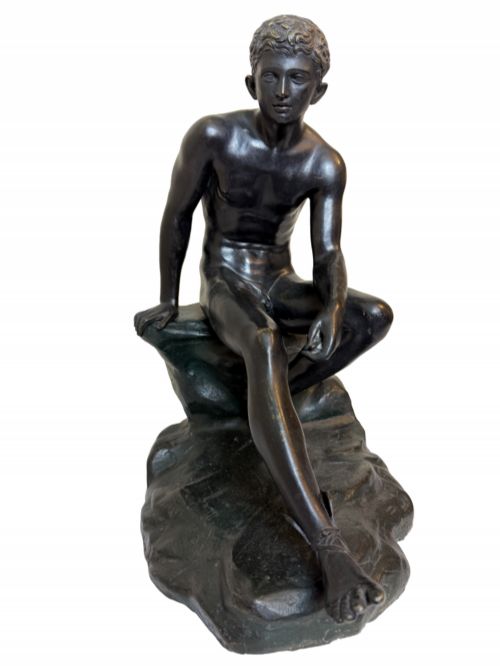

Black Patinated Bronze
Black patinated bronze pieces bring rich dark surfaces and classical form to interiors, spanning nineteenth century figures and twentieth century animalier sculpture.
Black Patinated Bronze
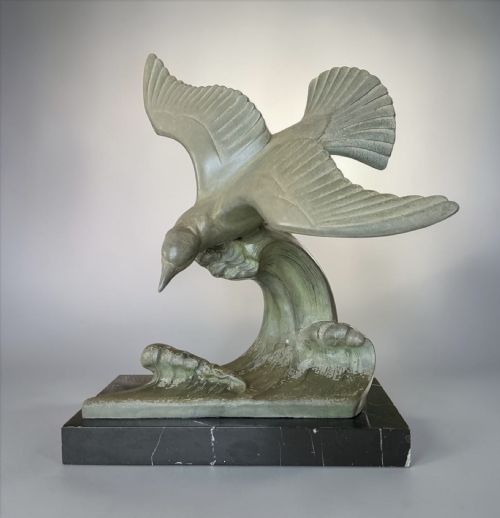
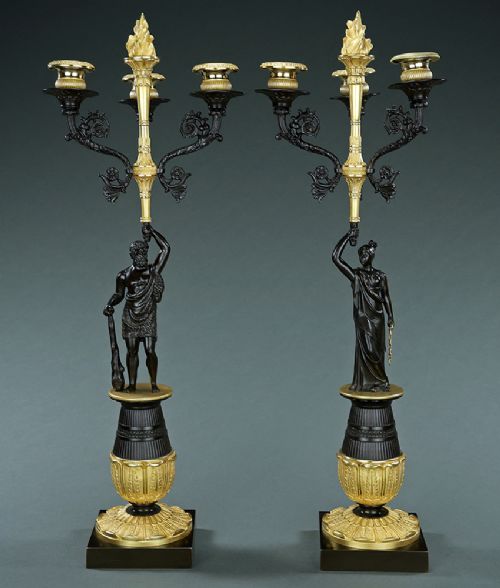
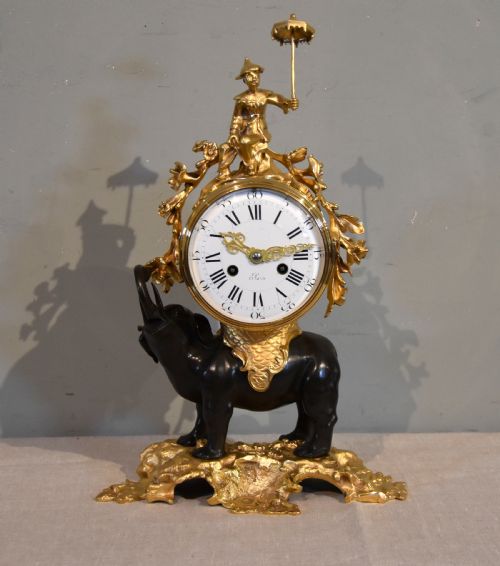
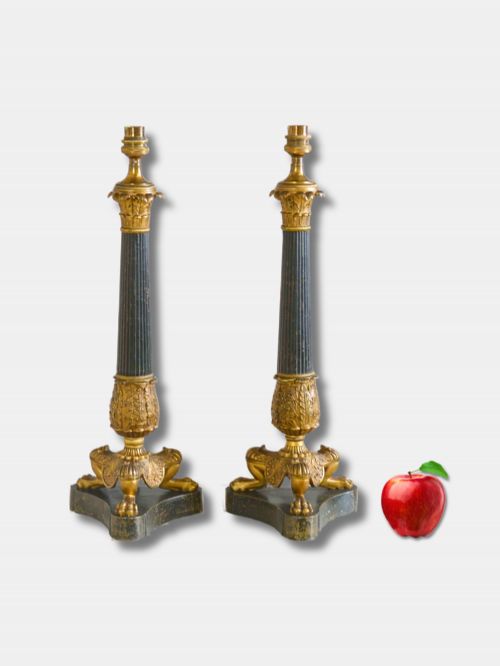
When searching for black patinated bronze, buyers encounter figures, mantel clocks, candlesticks, and ornamental urns created across the nineteenth and twentieth centuries. These works reflect stylistic shifts from French Empire and Neoclassical designs to Grand Tour souvenirs and Art Deco animalier sculpture.
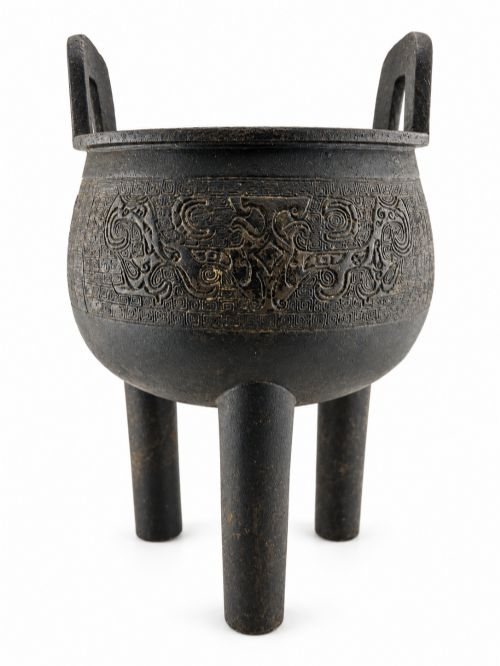
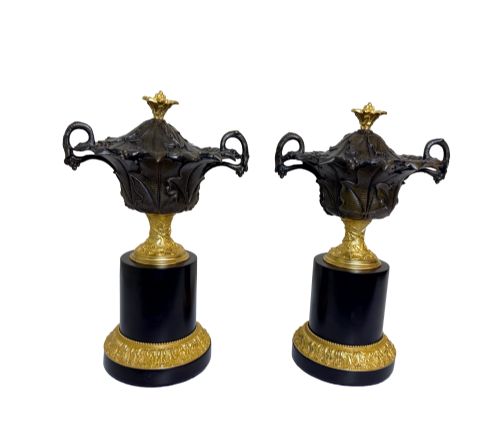
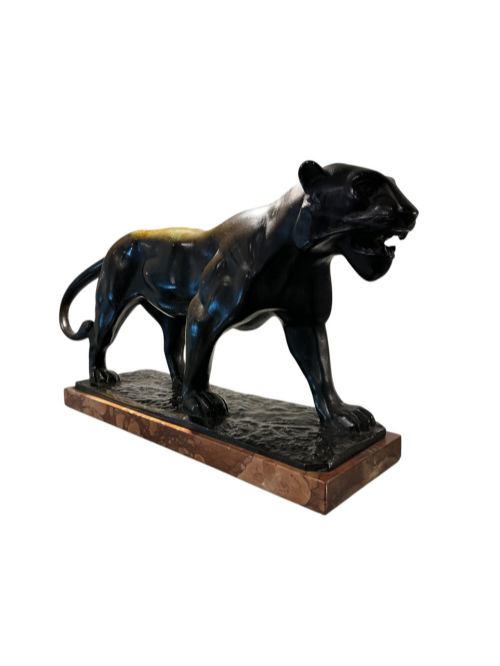
The objects on this page range from Chinese Qing archaistic censers and Japanese vases to European animal sculptures and mythological figures. Many examples combine dark metallic patination with contrasting materials such as marble bases, gilt bronze, or ormolu mounts.
Materials and casting techniques
Foundries produced these pieces using metal casting techniques followed by chemical treatments to darken and seal the bronze surface. Artisans applied patination to create deep, uniform dark tones that highlighted the contours of human figures, animals, and architectural ornaments.
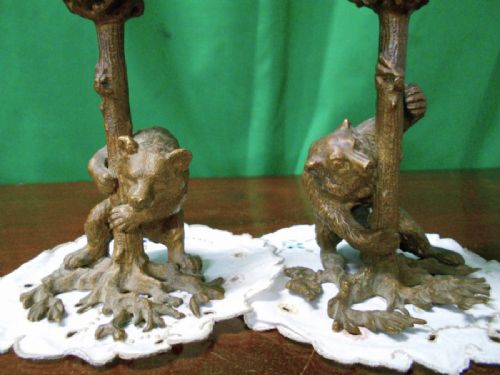
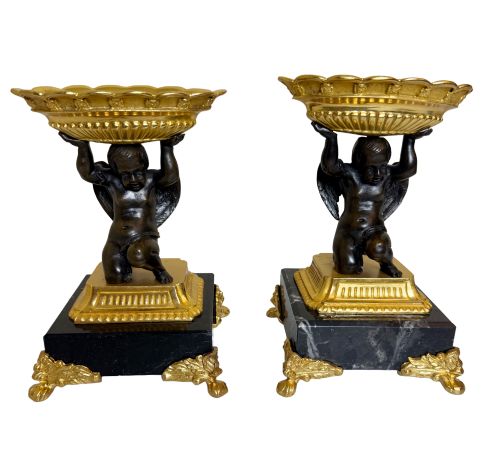
Makers frequently mounted the finished bronze castings onto bases of white or black marble, onyx, and occasionally incorporated gilt bronze, ormolu, or enamel details. Wrought iron and spelter also appear in related sculptural groups and decorative objects from the period.
Listings feature items spanning the nineteenth century, the art deco period, and the early twentieth century, incorporating marble, bronze, and ormolu.
Assessing quality in cast metalwork
The integration of the patinated metal with its supporting material, such as a fitted marble base or ormolu mount, indicates the standard of workshop production. Finer examples display balanced proportions, precise chasing following the cast, and stable patination across the entire surface.
Ferdinand Barbedienne·Antoine Louis Barye·Demetre Chiparus·Franz Iffland
The Black Patinated Bronze Glossary
- Patinated bronze
- Bronze that has been treated with chemical solutions to produce a specific surface colour, most often a dark brown or black shade. This coating protects the underlying metal while defining sculptural details.
- Ormolu
- A golden-coloured metallic alloy used for decorative mounts on clocks, urns, and furniture. It provides a bright contrast against darker patinated bronze surfaces.
- Grand Tour
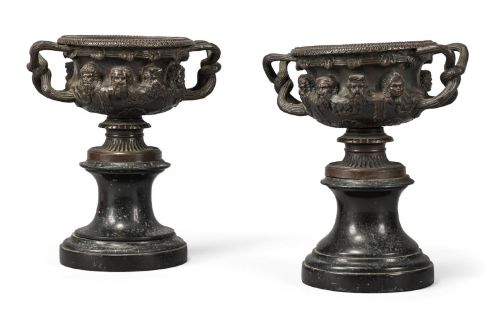
- Souvenirs and classical reproductions purchased by travellers in the nineteenth century during tours of European cultural sites. These typically include miniature bronzes of antique sculptures, vases, and architectural models.
- Animalier
- A nineteenth and early twentieth century artistic genre focused on the realistic depiction of animals. Sculptors in this tradition captured wild and domestic subjects in dynamic or resting poses.
- Garniture clock set
- A decorative mantel clock accompanied by matching side pieces such as urns, candelabras, or vases. These sets formed symmetrical centrepieces for nineteenth century interior displays.
Black Patinated Bronze: Frequently Asked Questions
What is black patinated bronze?
Black patinated bronze refers to metal sculptures and decorative objects whose surfaces have been chemically treated to achieve a dark, matte finish. This treatment enhances the visual depth of the cast metal and protects it from environmental wear.
Makers applied patination across various periods, from nineteenth-century grand tour antiquities to twentieth-century art deco figures. The dark surface contrasts effectively with polished marble bases or gilt bronze mounts.
How do I care for patinated bronze?
Maintaining patinated bronze requires simple dusting with a soft, dry cloth to prevent particulate buildup on the surface. Avoid using liquid cleaners, metal polishes, or abrasive cloths that can strip the delicate chemical patination.
Keep the pieces away from direct sunlight and high humidity to preserve the stability of the dark finish. If the metal is mounted on marble, take care to use non-abrasive cleaning methods around the stone joints.
How were grand tour bronzes used?
Grand tour bronzes served as educational keepsakes and decorative ornaments for nineteenth-century collectors returning from travels across Europe. They brought classical antiquity and famous sculptural monuments into private studies, libraries, and drawing rooms.
These pieces included miniature figures, architectural urns, and inkwells designed for everyday desk use or display on mantelpieces. Their compact scale allowed travellers to transport them easily home.
How do I distinguish art deco bronzes?
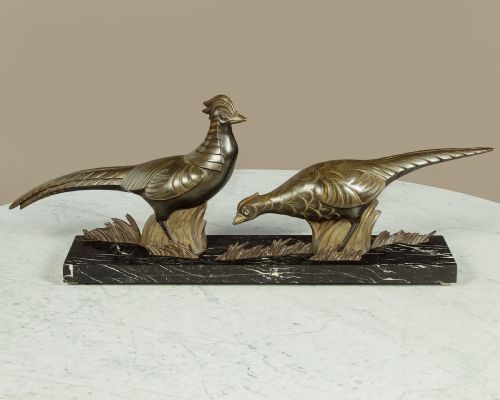
Art deco bronzes feature streamlined geometries, stylised animal and human forms, and dynamic postures reflecting twentieth-century design movements. Figures of dancers, greyhounds, panthers, and athletes frequently appear on stepped marble or onyx bases.
Many of these sculptures combine patinated bronze with spelter or ivory elements, capturing the energetic aesthetic of the interwar period. The signatures of notable sculptors often appear directly cast into the base.