



Black Painted Wall Mirror
A black painted wall mirror brings depth and dark structure to a room, using painted or ebonised surfaces to anchor the eye.
Black Painted Wall Mirror
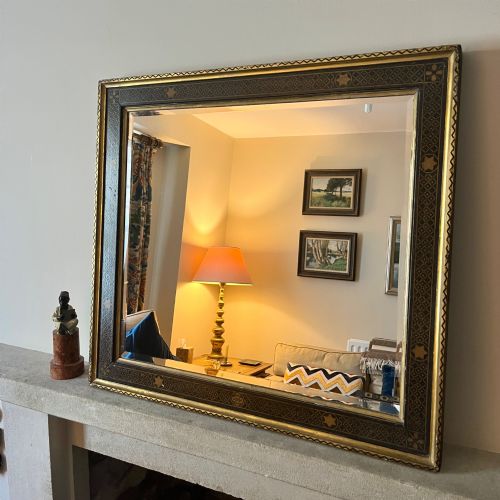
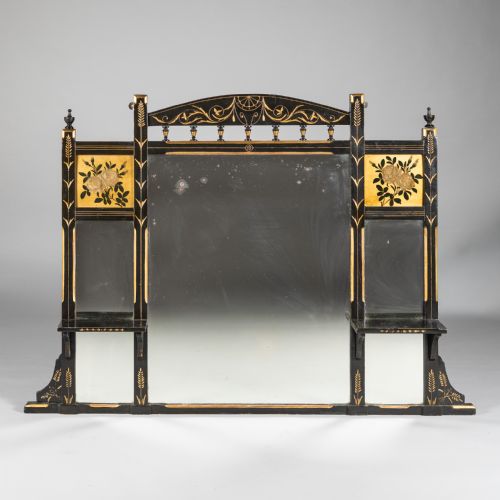
A black painted wall mirror encompasses overmantel frames, tall floor dressing glasses, and oval or rectangular wall hangings spanning the nineteenth and twentieth centuries. You will most frequently encounter nineteenth-century overmantel mirrors with ebonised and parcel-gilt finishes, alongside later twentieth-century lacquer and Chinoiserie examples.
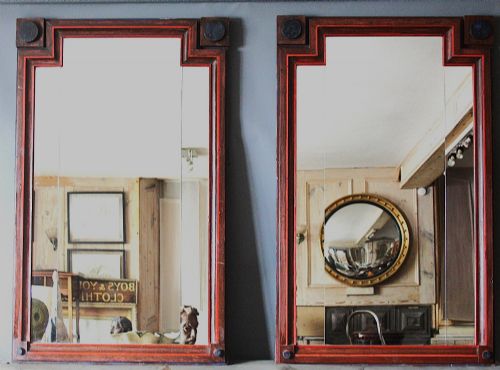
The styles range from Aesthetic Movement and Victorian designs to Chinese Export pieces, Art Deco pairs, and decorative fairground or fun house variants. These pieces serve both to reflect light in a space and to provide a strong decorative silhouette through dark painted woodwork.
Materials and construction
The primary construction relies on wood, carved gesso, and glass, shaped into substantial frames before receiving coats of black paint, lacquer, or ebonisation. Artisans frequently added parcel-gilt or parcel-silvered highlights to catch the light against the dark surface.
Mirrors from the eighteenth and nineteenth centuries employ traditional silvered mirror glass, sometimes paired with reverse-painted glass panels depicting Chinese or decorative scenes.
Black Painted Wall Mirror Retail Price Guide 2026
Typical asking prices for black painted wall mirror among the pieces listed under this phrase on Sellingantiques today, from the lower quarter to the upper quarter. They describe what is for sale here now, not the wider market.
Listings feature frames finished in paint, ebonised wood, gold leaf, and lacquer across Victorian, Edwardian, and Art Deco periods.
Determining quality
Quality rests upon the depth and handling of the surface finish, whether through hand-applied lacquer, rich ebonisation, or the crispness of carved gesso and applied parcel-gilt details. Finer examples display meticulous attention to proportion and decorative carving across large overmantel or console formats.
The integrity of the original glass and the restraint or elegance of the painted motifs distinguish standard utility mirrors from more ambitious Aesthetic Movement or Chinoiserie commissions.
The Black Painted Wall Mirror Glossary
- Ebonised Wood
- Timber treated to resemble ebony through staining or painting. This dark finish was particularly popular during the Victorian and Aesthetic periods.
- Overmantel Mirror
- A large mirror designed to hang above a fireplace mantelpiece. These pieces often feature wide horizontal proportions to span the hearth.
- Parcel-Gilt
- Woodwork or gesso partially decorated with thin gold leaf. This technique creates contrast against a black painted or ebonised ground.
- Chinoiserie
- European artistic styles reflecting Chinese motifs and techniques. It appears frequently on lacquered frames and reverse-painted glass panels.
Black Painted Wall Mirror: Frequently Asked Questions
How do I style a black painted wall mirror?
A dark frame works well against lighter walls to create a strong focal point in a reception room or hallway. Position it to reflect natural light from a window.
Larger overmantel versions suit placement above mantelpieces, while tall floor models anchor empty corners or dressing spaces.
How do I date a black painted mirror?
Examine the construction of the wooden frame, the backing boards, and the quality of the glass plate. Victorian pieces often show heavier gesso mouldings and ebonised finishes.
Twentieth-century examples tend toward smoother lacquer or simpler oval and Deco geometric shapes without nineteenth-century relief work.
Are these mirrors heavy to hang?
Many overmantel and floor mirrors utilise substantial wooden frames and thick glass plates, adding considerable weight. Secure wall fixings into masonry or studs are essential.
Professional installation is recommended for larger nineteenth-century formats to support the frame safely.
What is an Aesthetic Movement mirror?
The Aesthetic Movement embraced craftsmanship and visual beauty for its own sake during the late nineteenth century. These pieces often feature ebonised frames with subtle gilt highlights.
They frequently draw on Japanese or classical design influences rather than heavy Victorian ornamentation.