


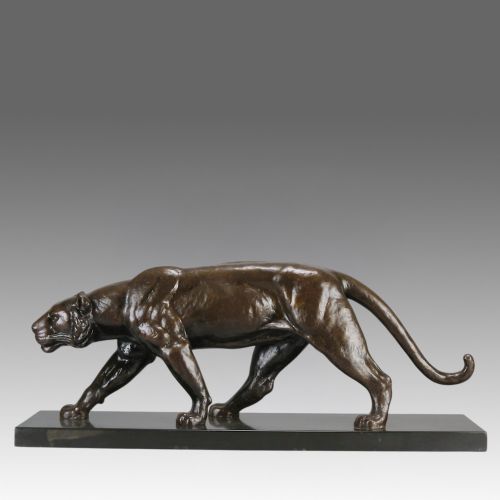



Black Marble Bronze Sculpture
A black marble bronze sculpture combines substantial stone plinths with cast metal figures, offering a striking contrast of weight and texture that anchors an interior scheme.
Black Marble Bronze Sculpture
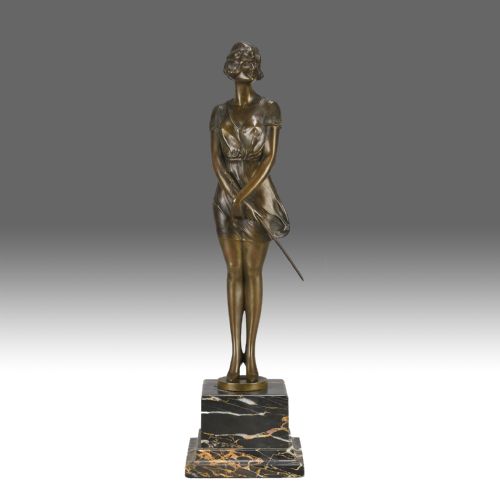
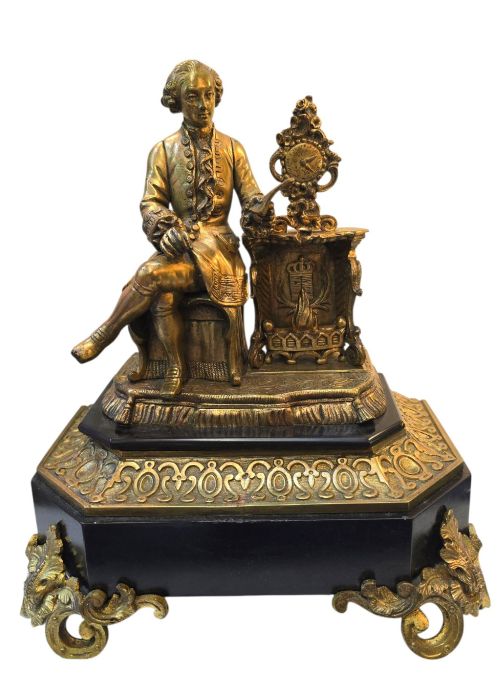
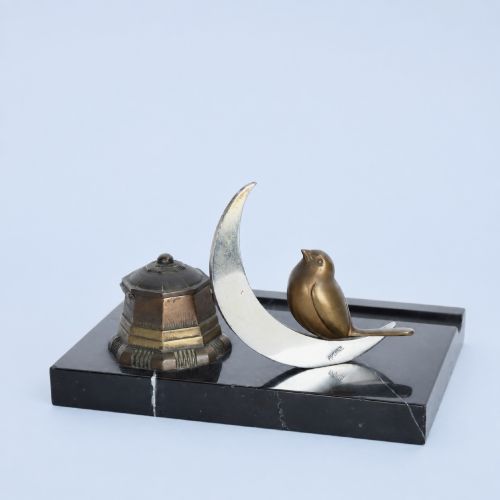
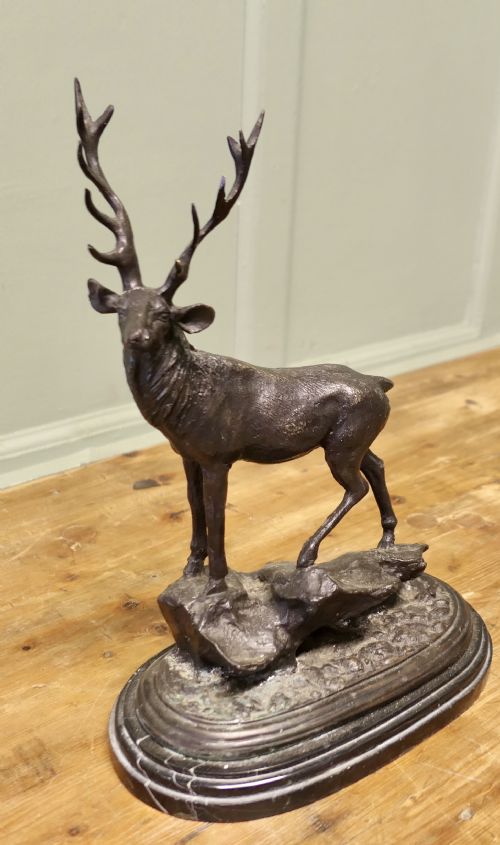
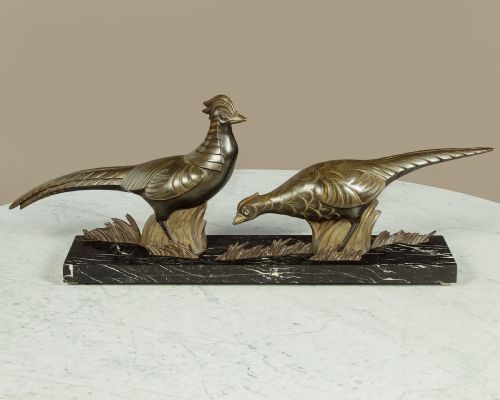
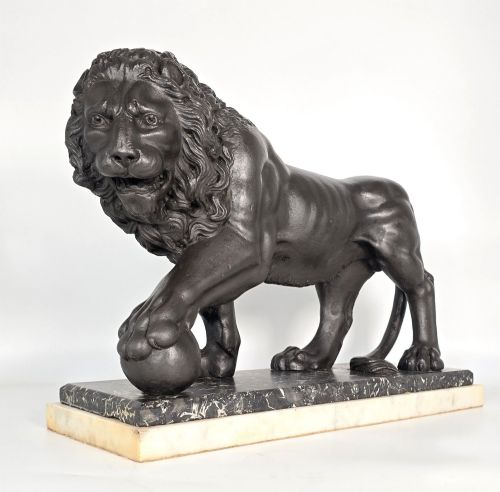
A black marble bronze sculpture brings together dark polished stone bases and cast metal figures, spanning desk accessories, mantel clocks, table lamps, and standalone decorative objects. The selection draws heavily from the nineteenth century into the twentieth century, capturing diverse movements including Grand Tour classicism, Animalier realism, and geometric Art Deco styling.
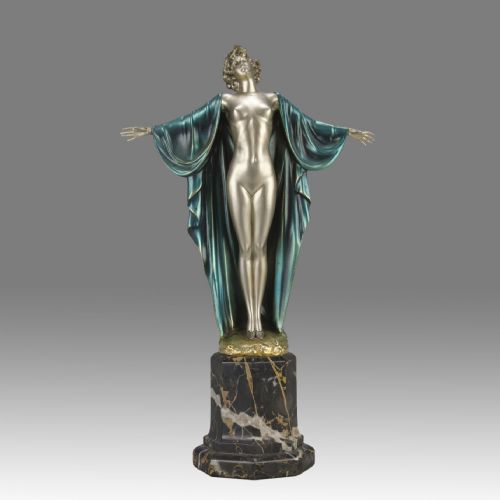
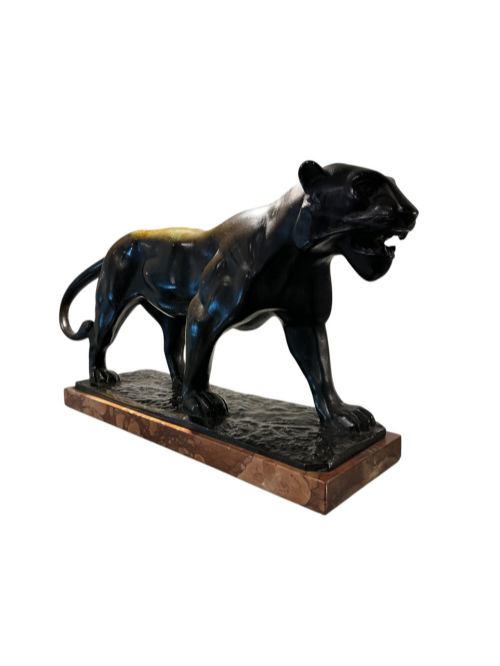
Buyers encounter distinct configurations ranging from cold-painted dancer figures and athletic studies to sleek panthers and sphinxes mounted on heavy plinths. The combination serves both functional roles, such as bookends and desk tidies, and purely sculptural displays.
Origins trace largely to French workshops, alongside Neapolitan Grand Tour productions and various European foundries. These pieces reflect the evolving tastes of Victorian collectors and interwar modernists alike.
How they were made
Foundries utilised traditional lost-wax casting and sand-casting methods to shape the metal components, often employing patinated bronze, gilt bronze, or lower-cost spelter. Artisans chased the cooled metal surfaces by hand, adding fine details to hair, drapery, and feathers before applying cold-painted polychrome finishes or chemical patinas.
The stone elements, predominantly black marble or onyx, were cut, turned, and polished to architectural proportions. Metals were secured to these heavy plinths using threaded rods, pins, or screws, creating a stable composite object.
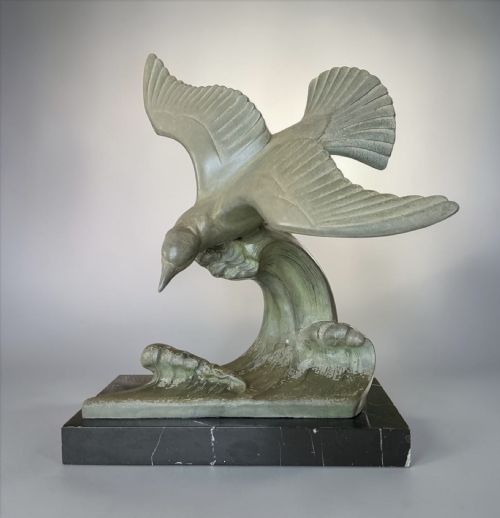
A bronze seagull soaring above a crested wave frozen in time.
What varies in quality
The choice and preparation of the stone plinth also differentiate tiers of craftsmanship. Dense black marble with precise bevelling and unblemished polish elevates the visual harmony of the combined sculpture.
Bruno Zach·Pierre le Faguays·Ferdinand Preiss·Alexandre Ouline·Demetre Chiparus·Geo Maxim
The Black Marble Bronze Sculpture Glossary
- Patinated bronze
- Bronze treated with chemical solutions to produce a specific surface colour, ranging from deep brown to verdigris. This layer protects the metal while enhancing visual depth.
- Spelter
- A zinc alloy frequently utilised as a cost-effective alternative to bronze during the Art Deco period. It accepts metallic paints and bronze-like finishes readily.
- Grand Tour
- Souvenirs and classical replicas acquired by wealthy travellers during cultural tours of Italy and Europe. These typically date from the nineteenth century.
- Cold-painted
- Pigment applied to metal figures after casting without subsequent high-temperature firing. This technique produces vibrant polychrome surfaces on dancers and animal studies.
Black Marble Bronze Sculpture: Frequently Asked Questions
Are spelter and bronze different?
Spelter is a softer, zinc-based alloy, whereas bronze is a durable copper and tin mixture. Bronze offers greater tensile strength and sharper casting detail.
Distinguishing between them involves assessing weight and examining underside areas where softer spelter might show lighter base metals beneath the patina.
What is an Animalier sculpture?
Animalier art focuses on realistic depictions of animals, often capturing wild creatures in dynamic motion or repose. This genre gained immense popularity in nineteenth-century France.
Artists studied anatomy closely, translating big cats, stags, and birds into expressive metal casts mounted on stone plinths.
How do I date these sculptures?
Dating relies on stylistic markers, such as the geometric lines of Art Deco or the classical motifs of the Grand Tour. Material choices and foundry marks also provide chronological clues.
Comparative analysis with documented artist portfolios helps narrow down production eras from the Victorian period through the nineteen-thirties.