

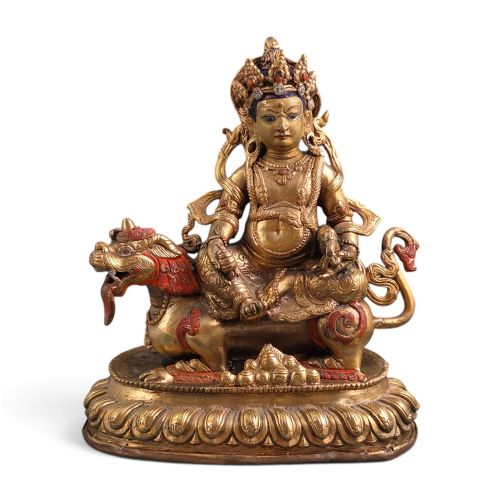
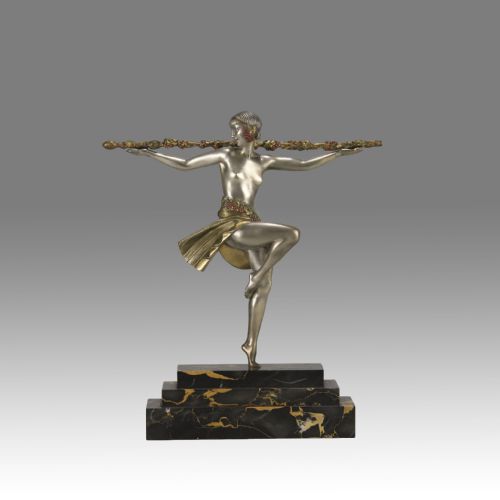
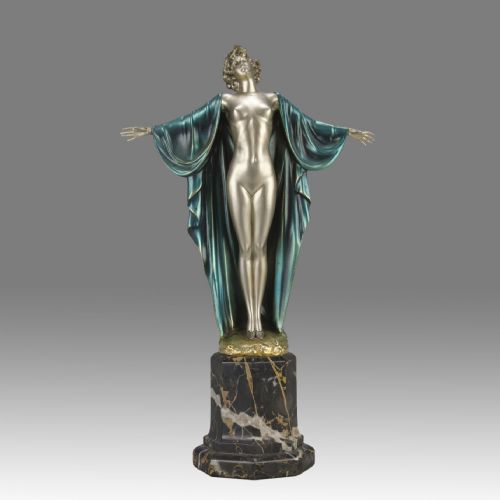
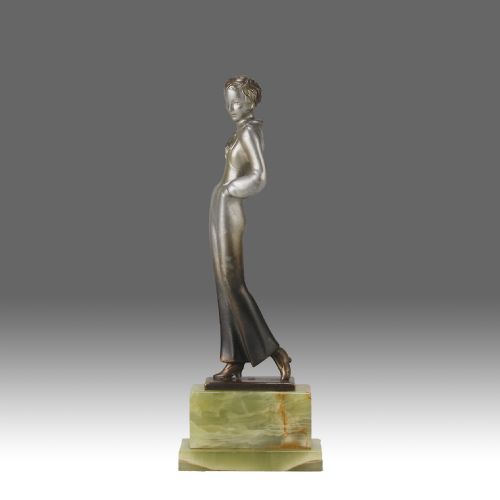
20th Century Bronze Statue
When you search for a 20th century bronze statue, you enter a diverse field of figurative and animalier works spanning multiple global studios.
20th Century Bronze Statue
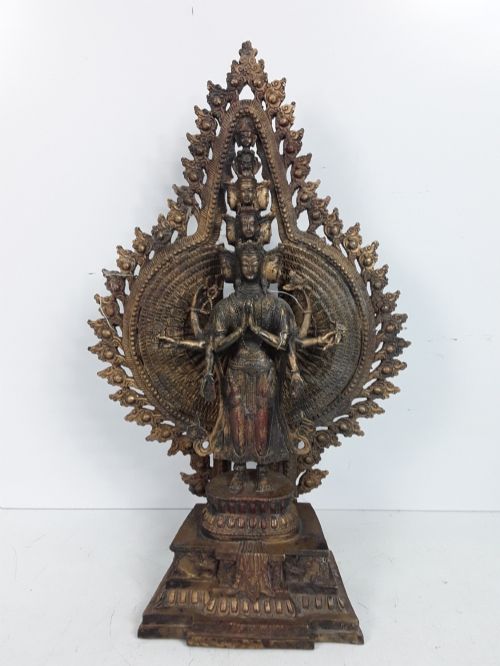
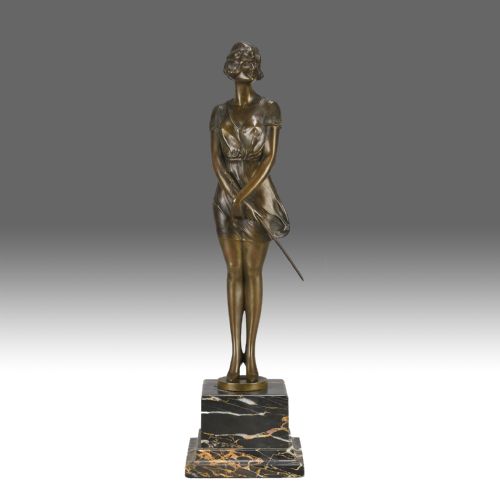
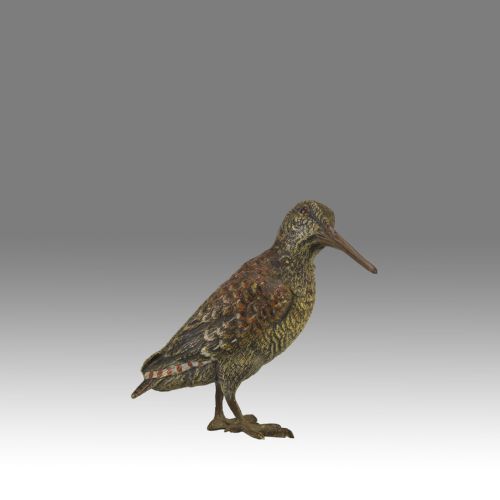
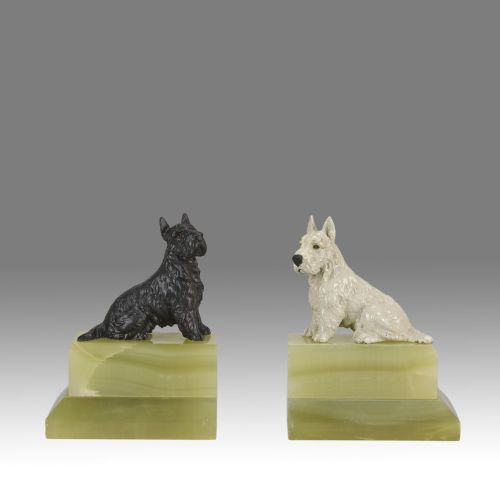
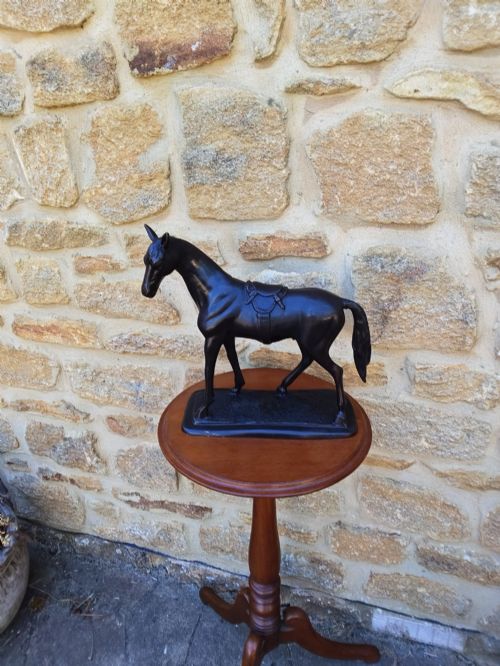
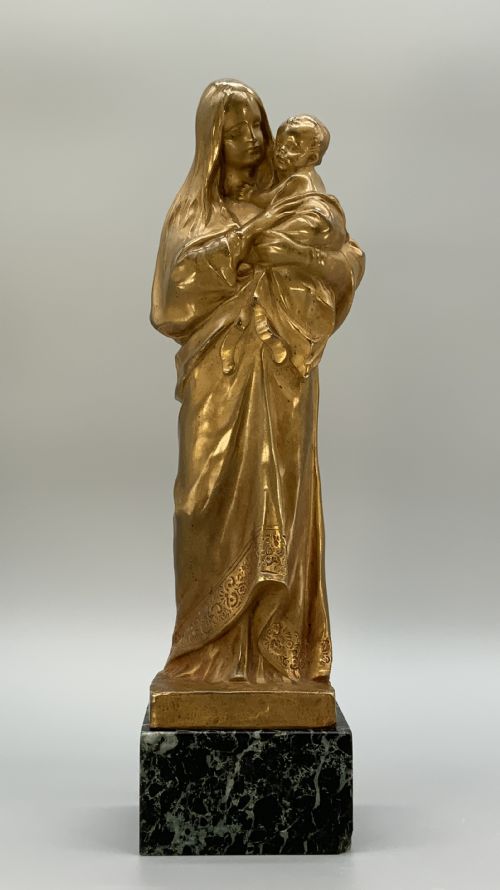
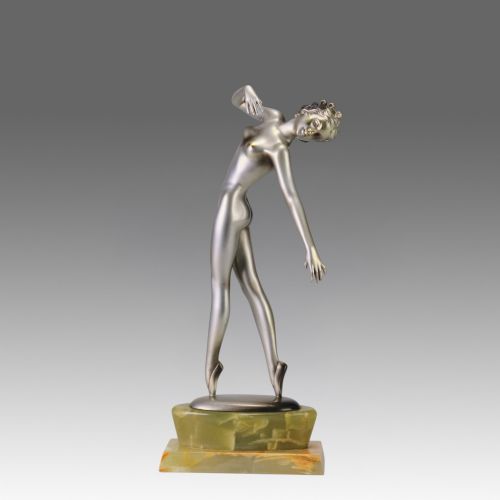
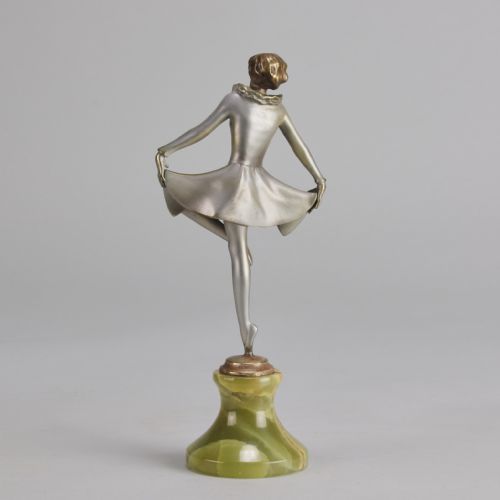
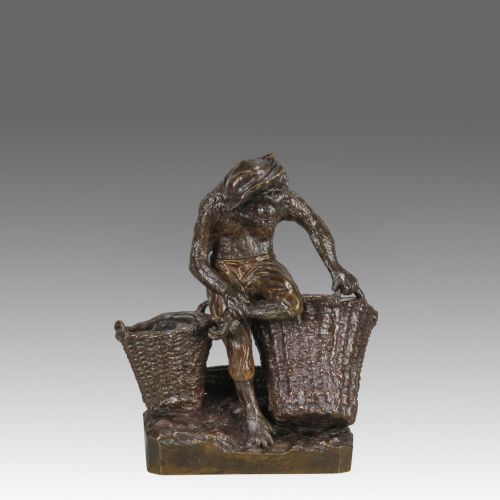
A 20th century bronze statue encompasses a broad sweep of decorative and sculptural objects, from animalier studies to modernist dancer figures. Pieces often take the form of freestanding sculptures, bookends, or functional table lamps designed for domestic interiors.
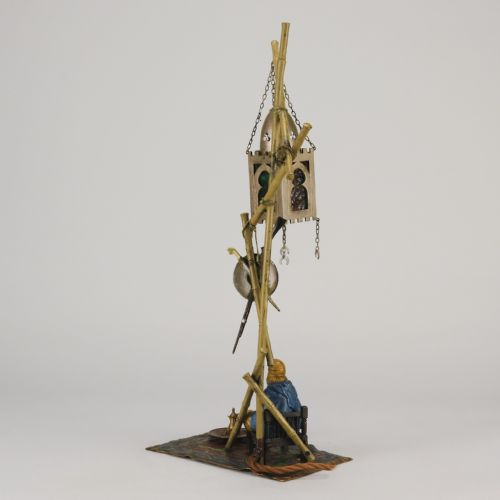
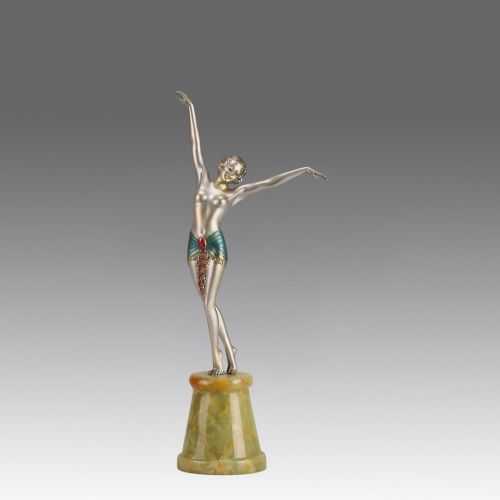
The selections reflect varied regional movements, including Austrian cold-painted bronzes, French Art Deco figures, and Japanese animal studies. Buyers frequently encounter works styled in distinctive historical revivals alongside avant-garde modernist interpretations.
Materials and technique
Foundries typically cast these figures using traditional lost-wax methods to capture fine anatomical and textural detail in the metal. Many examples incorporate cold paint, enamel, or gilt finishes applied directly onto the bronze surface after casting.
Mounts and integral bases frequently utilise contrasting materials such as marble or onyx to support the weight and enhance the presentation of the central metal figure.
Listings feature materials including bronze, marble, onyx, gilt bronze, paint, cold-painted bronze, and enamel across various sculptural forms.
Assessing quality and execution
The distinction between tiers rests upon the crispness of the initial chasing and the preservation of hand-applied surface details. Superior examples retain their original cold-paint or gilt layers intact without heavy flaking or clumsy overpainting.
The articulation of hands, facial expressions, and naturalistic textures separates workshop output from master foundry production. Heavier, more stable mounting materials and distinct artist signatures or foundry marks further elevate the standing of a piece.
Bruno Zach·Franz Bergman·Pierre le Faguays·Ferdinand Preiss·Josef Lorenzl·Hans Müller·Christophe Fratin·Emile Carlier·Alexandre Ouline·Kunio Itô·Demetre Chiparus·Henri Godet·Jean-Baptiste Carpeaux·Friedrich Goldscheider
The 20th Century Bronze Statue Glossary
- Cold-painted bronze
- A method where paint is applied to a finished bronze object without heat-firing, allowing for intricate polychrome surfaces. This technique became a hallmark of early Austrian production.
- Animalier
- A genre dedicated to the realistic portrayal of animals, particularly predators and domestic beasts in motion. Sculptors in this tradition focused heavily on accurate muscle structure and posture.
- Lost-wax casting
- A process where a molten metal is poured into a mould created from a wax model, which is melted and drained away. This method permits complex undercuts and sharp surface definitions.
- Vienna bronze
- Small, highly detailed figurative sculptures produced by various foundries in Vienna during the late nineteenth and early twentieth centuries. They frequently depict animal subjects, human figures, and Orientalist scenes.
- Orientalism
- An artistic style characterised by romanticised depictions of Middle Eastern, North African, and Asian subjects. These works often feature figures in traditional attire, such as dervishes, warriors, or dancers.
20th Century Bronze Statue: Frequently Asked Questions
What subjects do these statues depict?
The subjects range widely across human figures, dancers, and athletes alongside domestic and wild animals. Artists also captured mythological figures and Orientalist character studies.
Many pieces double as functional objects like bookends or table lamps while maintaining their sculptural integrity.
How do I care for cold-painted bronze?
Cold-painted surfaces require gentle dusting with a soft, dry cloth and protection from direct sunlight and moisture. Avoid liquid cleaners and polishes, which can strip the delicate paint layers.
Stable indoor humidity helps prevent the underlying metal from oxidising and preserves the original finish.
How can I identify the period?
Stylistic indicators such as Art Deco geometries or specific patination techniques offer primary clues to the decade of creation. Foundry marks and artist signatures etched into the base provide additional chronological markers.
Comparing the casting style against documented works helps confirm whether a piece belongs to the early or mid-century period.
Where were these pieces manufactured?
Production was centered in major European artistic hubs, particularly in France, Austria, and Germany, alongside significant output from Japanese foundries. Austrian studios specialised in polychrome cold-painted figures, while French foundries focused on refined patinated and gilt bronzes.
Global trade and Grand Tour travel also distributed these works widely across international markets.