






Black Library Cabinet
A black library cabinet brings dark timber and architectural presence to a room, offering practical storage for heavy volumes.
Black Library Cabinet
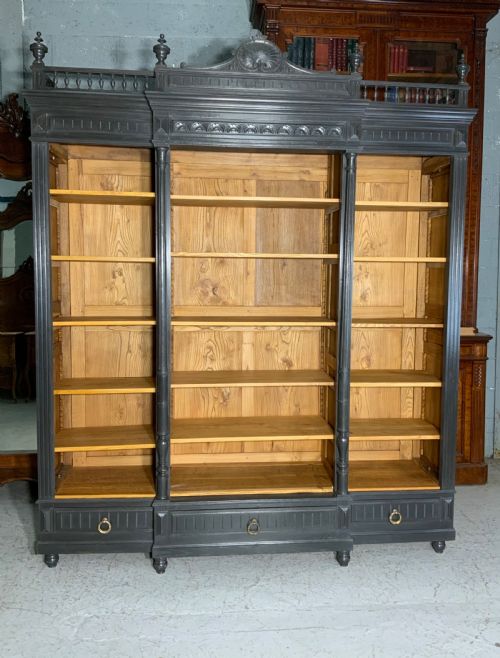
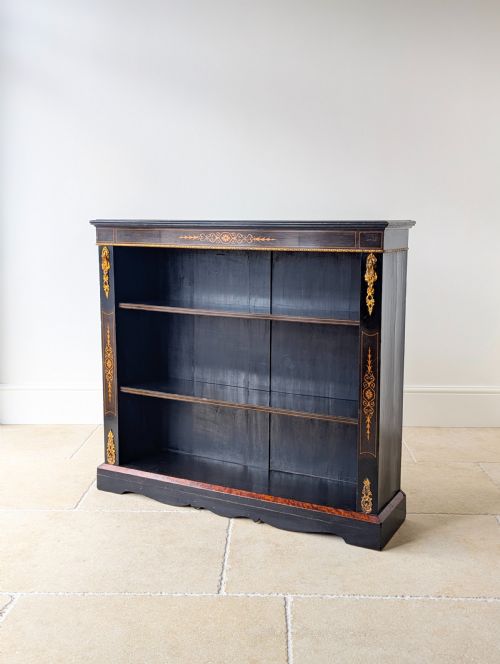
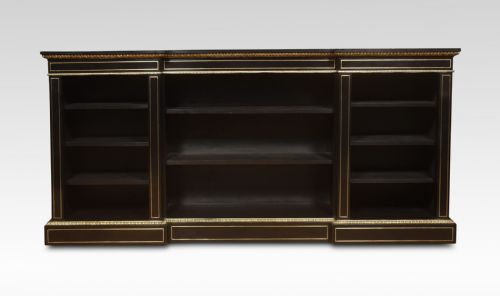
A black library cabinet encompasses tall bookcases, open shelving units, and desks designed to house books and papers. The examples here span the nineteenth century, including Victorian, Edwardian, and Napoleon III pieces.
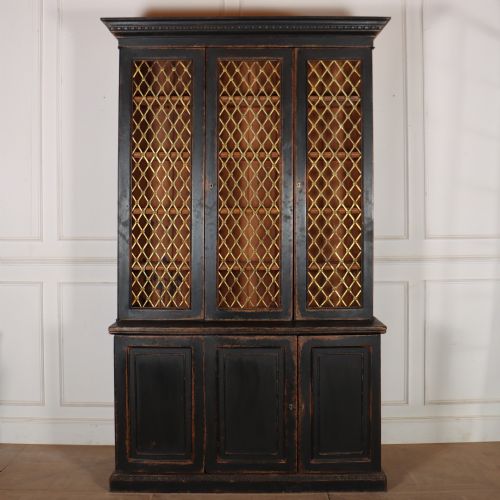
The most common form is the ebonised or painted bookcase, often featuring brass mounts or glass doors. These storage pieces range from Scottish and Irish country workshop items to grand French empire designs.
How they were made
Cabinet makers utilised foundational timbers such as oak, pine, and mahogany, applying ebonised finishes or paint to achieve the dark surface. Workshops layered these treatments over solid woods and veneers to create depth.
Metalwork played a structural and decorative role, with brass mounts and ormolu applied to corners, friezes, and key escutcheons. Glazing was fitted into doors to protect the contents while keeping volumes visible.
Black Library Cabinet Retail Price Guide 2026
Typical asking prices for black library cabinet among the pieces listed under this phrase on Sellingantiques today, from the lower quarter to the upper quarter. They describe what is for sale here now, not the wider market.
The listings show nineteenth-century pieces finished in ebonised wood, painted wood, and walnut veneer, alongside brass and glass.
What varies in quality
The sophistication of the timber preparation and finish separates standard workshop output from finer examples. Superior pieces display even ebonising and carefully selected secondary woods beneath the dark surface.
Hardware and mount quality also signal distinction, with crisply cast brass or ormolu elevating the construction. The architectural proportions and the integration of classical details like pilasters determine the visual success of the piece.
The Black Library Cabinet Glossary
- Ebonised wood
- Timber treated with stain, polish, or paint to imitate ebony. This dark finish gained popularity during the Victorian and Napoleon III periods for furniture requiring a formal appearance.
- Ormolu
- Gilded bronze applied to furniture mounts and decorative details. The technique involves treating metal with a mercury-gold amalgam to achieve a rich golden lustre.
- Canterbury
- A low stand fitted with partitions for holding music sheets or books, often featuring lower drawers or shelves. These pieces frequently incorporate ebonised frames.
- Frieze
- The horizontal band running beneath the upper cornice of a cabinet or bookcase. Makers often decorated this area with brass mounts or carved architectural motifs.
Black Library Cabinet: Frequently Asked Questions
How do I date a black library cabinet?
Dating relies on construction methods, timber choices, and stylistic cues such as Victorian ebonising or Edwardian proportions. Secondary woods like pine or oak hidden inside offer clues about the manufacturing era.
Examining the fixings, screw types, and backboards helps narrow down the decade of production. Hardware styles also shift between mid-nineteenth-century French designs and later British interpretations.
Are painted and ebonised finishes original?
Many nineteenth-century cabinets received dark ebonising or painted surfaces during manufacture to emulate exotic hardwoods. Inspecting the wear patterns and the way the finish ages into the grain reveals its age.
Overpainting can happen later in a piece's history, but original factory finishes show a uniform integration with the timber beneath. Examination under natural light helps distinguish period surface treatments from modern interventions.
How do I care for ebonised wood?
Ebonised surfaces require gentle dusting with a soft, dry cloth to prevent micro-scratching the dark finish. Avoid abrasive cleaning products and silicone polishes that build up a hazy film over time.
Keep the cabinet away from direct sunlight and heat sources to prevent the wood from warping or the dark finish from fading. Occasional application of appropriate wax maintains the lustre of the timber.
What rooms suit a library bookcase?
These cabinets suit studies, living rooms, and large hallways where their vertical proportions anchor the space. The dark finish contrasts effectively against lighter walls and provides a strong architectural focal point.
Beyond books, open shelves and glazed cabinets display ceramics, collections, and framed papers. Ensuring adequate floor clearance and wall stability keeps taller pieces secure.