
Black Lacquer Table
When you search for a black lacquer table, you enter a world of polished surfaces, gilded scenes, and centuries of cross-cultural design.
Black Lacquer Table
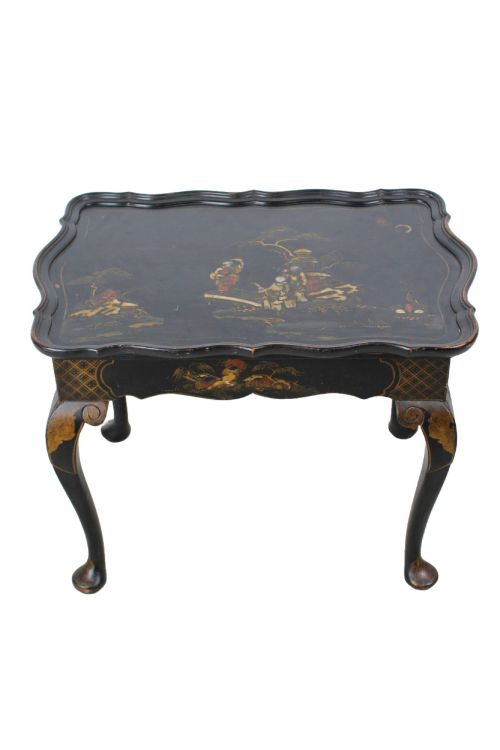
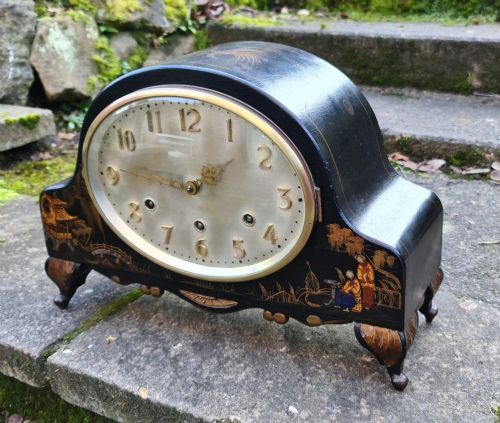
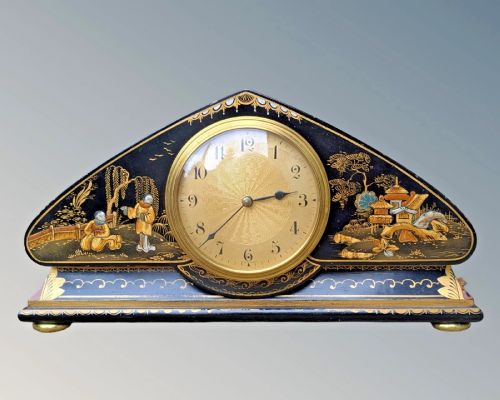
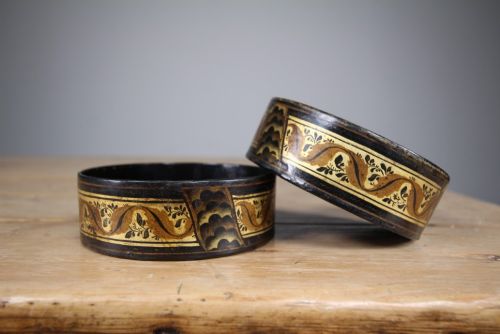
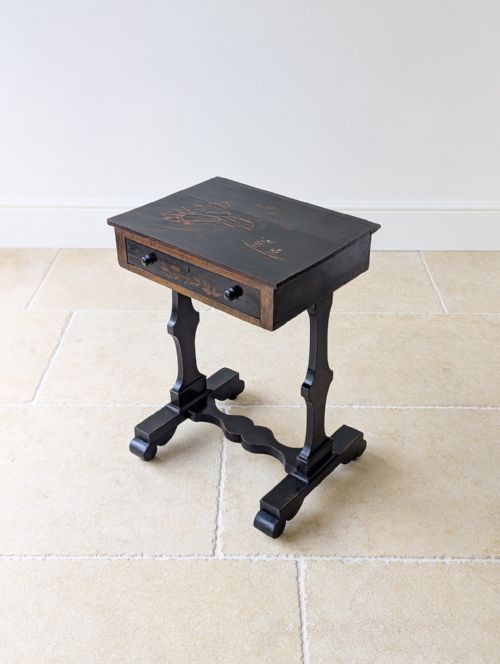
A black lacquer table encompasses a varied selection of forms designed for domestic use, from occasional and side tables to coffee tables, writing desks, and nested sets. These items bridge multiple eras and regions, drawing heavily on English Regency, Victorian, Edwardian, and Chinese Export traditions alongside Japanese Meiji and Taisho periods.
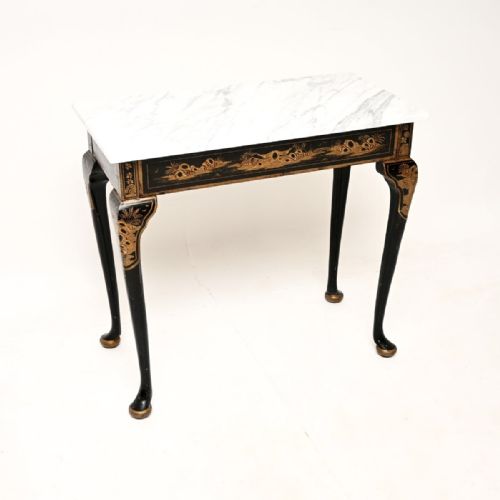
Buyers will most frequently encounter nineteenth-century pieces, Victorian interpretations, and early twentieth-century Chinoiserie variants on this page. Side tables, low coffee tables, and nests of tables dominate the available forms, often featuring painted or gilt decoration derived from Eastern motifs.
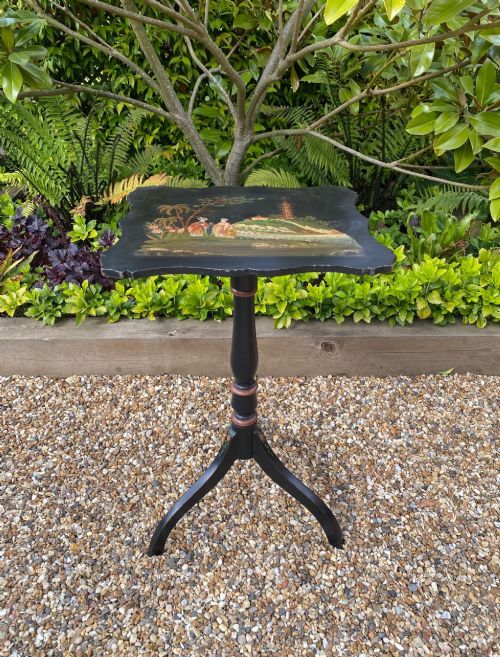
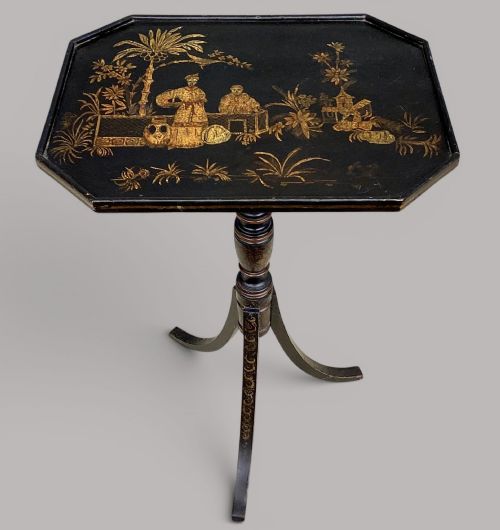
Many examples utilise traditional constructions adapted for Western drawing rooms, such as tilt-top occasional tables, tray tables on stands, and work tables fitted with compartments. The aesthetic ranges from bold geometric forms to intricate landscapes populated by figures and pavilions.
How they were made
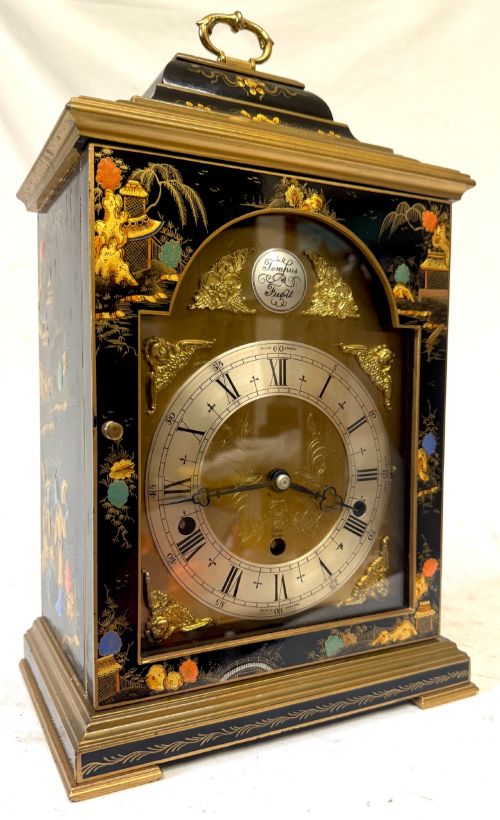
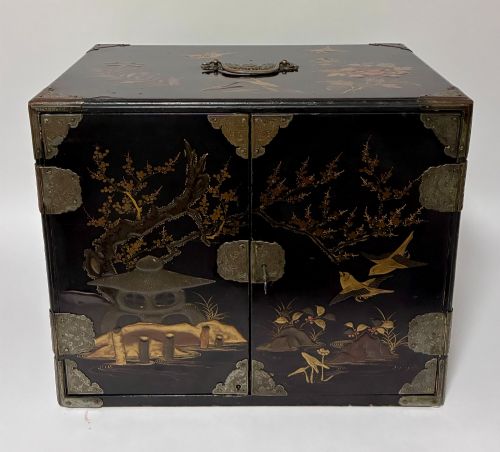
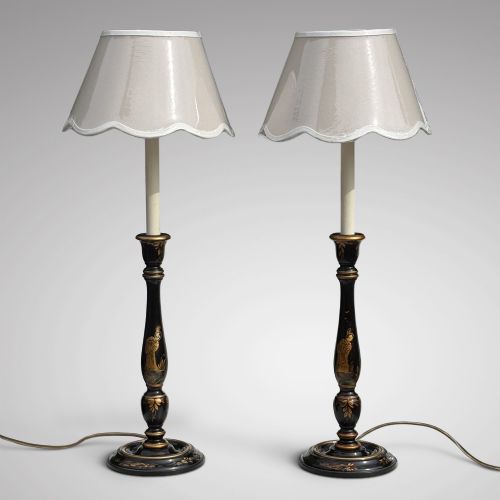
The construction relies fundamentally on wood bases, papier-mâché, or bamboo, which receive multiple coats of lacquer to build a deep, reflective surface. Artisans then apply gold leaf, hand-painted pigments, and sometimes mother-of-pearl inlay to create contrasting decorative scenes.
Ebonised finishes and japanning techniques served as European alternatives to imported Asian lacquer during the Georgian, Regency, and Victorian eras. These methods involved building up layers of varnish and paint on timber before curing and polishing the exterior to a smooth gloss.
Several tables started life as tea trays before finding a permanent home mounted on folding wooden stands.
What varies in quality
Quality rests in the depth of the finish and the precision of the hand-applied decoration, where superior examples exhibit meticulous detail in the gold leaf and painted motifs. The handling of the pictorial scenes dictates whether a piece feels like an artistic work or a mass-produced commercial item.
The structural integrity of the underlying timber, papier-mâché, or bamboo framework also separates standard domestic items from exceptional export pieces. Surviving hardware, original stands, and the preservation of the delicate lacquered surface significantly influence the standing of any given piece.
Maison Bagues
The Black Lacquer Table Glossary
- Japanning
- European imitation of Asian lacquerwork. Artisans applied layers of varnish and heat-cured the surface before decorating it.
- Papier-mâché
- Composite material made from paper pulp or reinforced sheets mixed with glue. It was moulded and lacquered to form lightweight trays and small tables.
- Export ware
- Goods manufactured in Asia specifically for the Western market. These pieces combined local craftsmanship with European furniture forms.
- Bundai
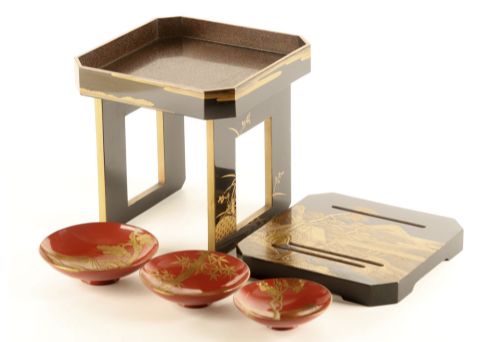
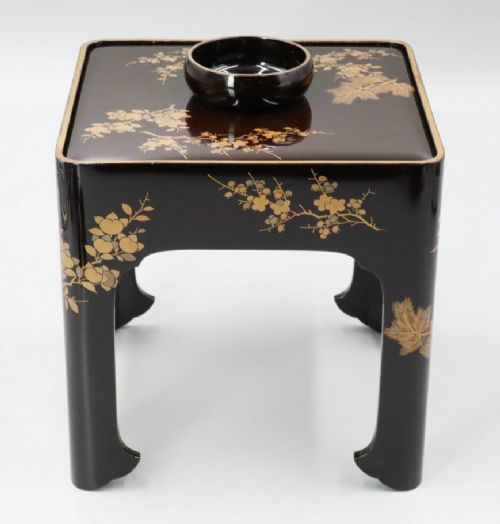
- Japanese low writing table used while sitting on tatami mats. They frequently feature intricate gold lacquer designs.
- Ebonised
- Timber stained or painted black to imitate ebony. This finish provided a dark backdrop for gilt ornamentation.
Black Lacquer Table: Frequently Asked Questions
How do I care for a black lacquer table?
Keep these surfaces away from direct sunlight and excessive heat to prevent the lacquer from drying out or cracking. Dust gently with a soft, dry cloth and avoid chemical polishes that can damage the delicate finish.
Place protective mats under any objects set on the top to guard against scratches. Gentle maintenance preserves the depth and sheen of the original polish.
Are these tables suitable for everyday use?
Many of these pieces served practical functions in historic interiors, from holding tea sets to supporting lamps. Their sturdy wood or papier-mâché frames allow for sensible modern use as side or coffee tables.
Care should be taken with moisture and heavy loads to protect the antique surface. Treating them with moderate respect ensures they remain functional furnishings.
How do I distinguish Regency from Victorian examples?
Regency pieces often display restrained neoclassical proportions, crisp ebonised surfaces, and fine gilt line work. They frequently take the form of work tables or elegant wine coasters.
Victorian and later pieces tend toward heavier ornamentation, elaborate Chinoiserie scenes, and papier-mâché tray tops on folding stands. The complexity of the painted motifs usually increases in the later nineteenth century.
What is Chinese Export lacquer?
Chinese Export lacquer refers to items produced in workshops in cities like Canton specifically for Western trade. These artisans combined traditional Asian lacquering techniques with European furniture shapes requested by foreign buyers.
The resulting objects married Eastern pictorial traditions with Western domestic habits. They represent a distinct period of cross-cultural design exchange.