



Black Gilt Vase
These black gilt vase pieces combine dark painted surfaces with bright metallic highlights, offering striking decorative contrast for your home.
Black Gilt Vase
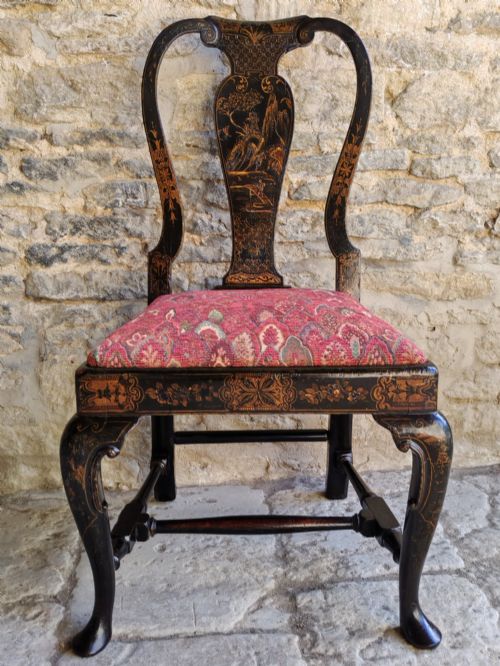
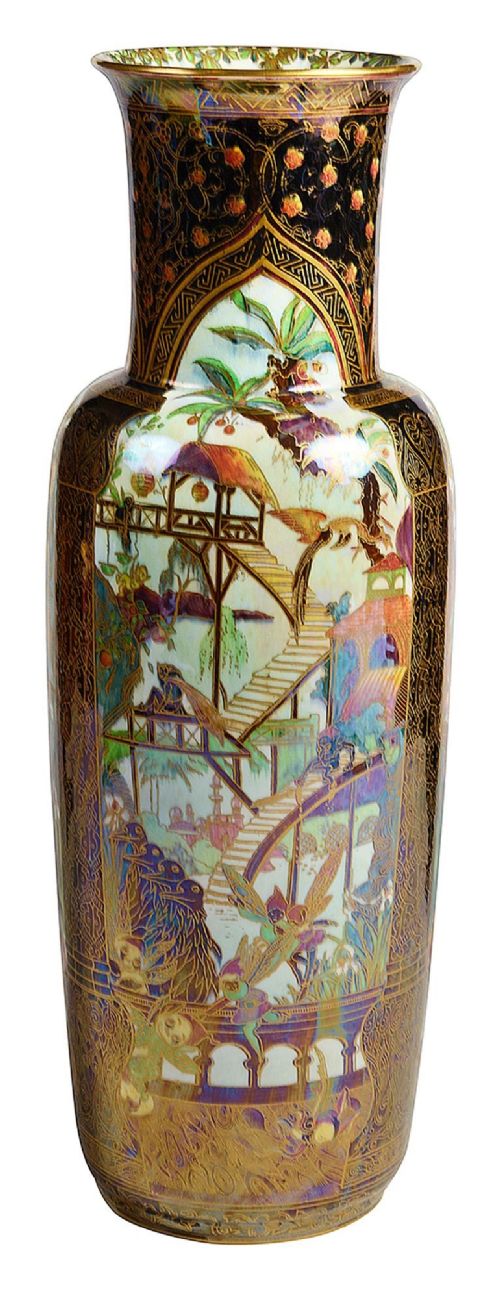
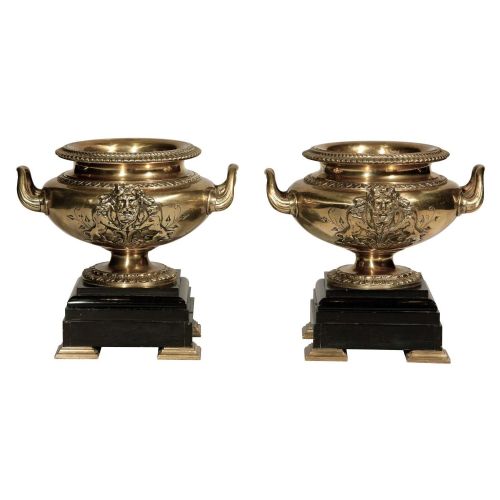
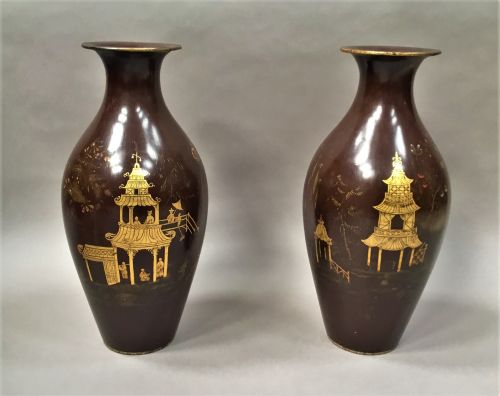
A black gilt vase search reveals decorative vessels, urns, and lamps finished in dark tones with gold leaf or metallic highlights. These items span the eighteenth and nineteenth centuries, taking forms such as Chinese export lacquer, Japanese porcelain, and Victorian glass.
The objects on this page range from monumental temple vases and floor-standing pieces to smaller table urns and converted lamps. Alongside traditional ceramic vessels, the selection includes lacquerwork and toleware reflecting styles from Chinoiserie to Empire and the Victorian Aesthetic Movement.
Buyers will encounter distinct regional interpretations, including English papier-mâché, Japanese Satsuma and lacquer wares, and French bronze-mounted pieces. Each iteration uses the contrast of black grounds and gold decoration to create a strong visual presence.
Materials and Construction
Construction relies on a foundation of porcelain, glass, papier-mâché, or wood, coated in black paint, enamel, or dark lacquer. Artisans then applied gilt decoration, gold leaf, or hand-painted details directly onto the dark sealed surfaces.
Metal components often involve cast bronze or brass, sometimes paired with marble bases or combined with fabric elements in lamp adaptations. The integration of lacquer and enamel required careful multi-layered application to achieve a durable, glossy black finish before gilding.
Listings feature items from the eighteenth and nineteenth centuries, incorporating materials such as porcelain, gilt, lacquer, and brass across various decorative styles.
Evaluating Quality and Execution
Quality rests upon the precision of the hand-painted or applied gilding and the integrity of the underlying black ground. Finer examples show crisp execution in motifs like Chinoiserie scenes or arhats, with minimal wear to the gold leaf.
The choice of base material also dictates the character of the piece, distinguishing heavy cast bronze or fine porcelain from lighter papier-mâché or wood structures. Maker signatures, such as specific stamps on papier-mâché bodies, add definitive attribution.
Jennens & Bettridge·Daisy Makeig-jones
The Black Gilt Vase Glossary
- Chinoiserie
- European decorative style reflecting Chinese artistic traditions, often featuring lacquer and gilt motifs. This aesthetic heavily influenced eighteenth-century furniture and nineteenth-century vessels.
- Cloisonné
- Enamelling technique where metal wire forms compartments on a base, which are then filled with coloured paste and fired. These surfaces frequently incorporate dark backgrounds with metallic details.
- Satsuma
- Japanese earthenware pottery characterised by a ivory-crackled glaze decorated with rich gilt and polychrome enamels. These pieces often depict figures such as arhats.
- Gilt
- Application of gold leaf or gold paint to a surface to provide metallic ornamentation. On these objects, it creates high contrast against black lacquer or glass.
Black Gilt Vase: Frequently Asked Questions
How do I clean a black gilt vase?
Dust gently with a soft, dry microfibre cloth to protect the delicate gold leaf and painted black surfaces.
Avoid liquid cleaners, chemical solvents, or abrasive cloths, which can strip away the gilding or damage the underlying lacquer and glass.
Were these vases originally made as lamps?
Many items listed as lamps started their lives as decorative vases or urns before being converted later. This conversion often involved drilling or mounting hardware to fit electrical components.
Buyers should inspect the wiring and mounting methods to determine if the adaptation respects the original antique body.
How do I distinguish lacquer from glass?
Lacquer surfaces on papier-mâché or wood offer a warm touch and slight give compared to the cold, rigid density of glass and porcelain. Close inspection under magnification reveals the layered organic resin or paint structure characteristic of Asian and European lacquer work.
Glass and porcelain bodies show greater weight and ring when lightly tapped, lacking the fibrous core found in papier-mâché pieces.
Where should I place a large floor vase?
Position large temple vases or floor urns in low-traffic areas where they remain secure from accidental bumps. Their substantial height and dark finishes anchor a room, working well in corners or against neutral walls that highlight the gold detailing.
Ensure adequate clearance so the reflective gilt surfaces catch natural light without obstruction.