


French Painted Vase
When you search for a french painted vase, you step into a world of porcelain, faience, and hand-applied floral scenes.
French Painted Vase
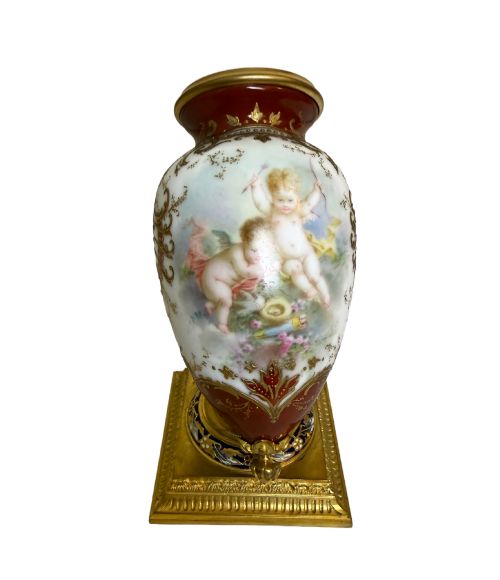
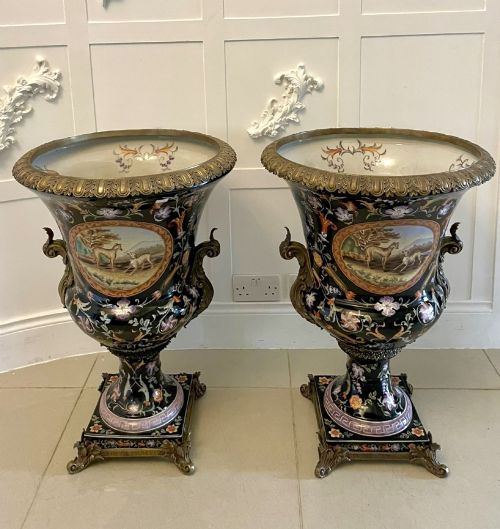
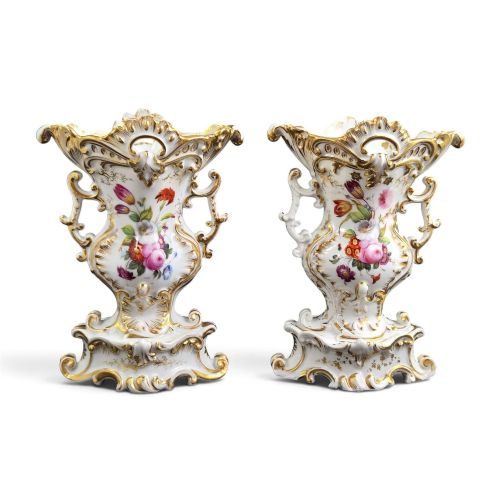
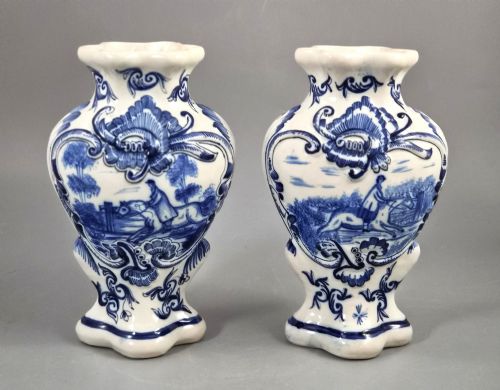
A french painted vase typically brings together glazed ceramic bodies with botanical or figurative hand-painted decoration, spanning periods from the nineteenth century onward. Buyers most often encounter nineteenth-century porcelain and faience vessels, ranging from cabinet pieces to large lidded urns.
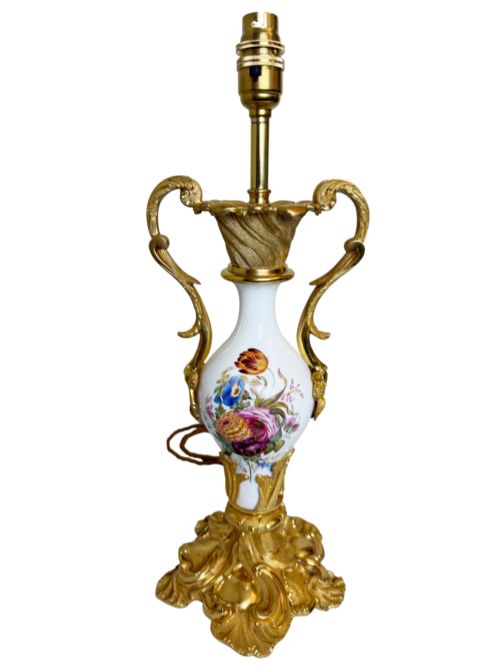
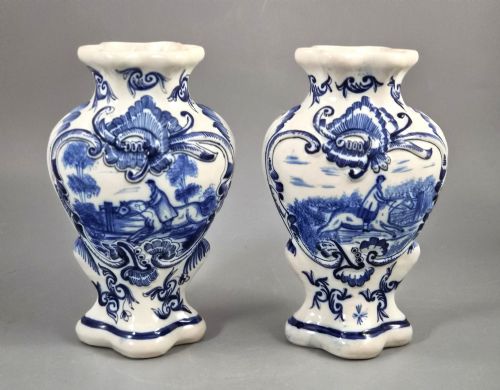
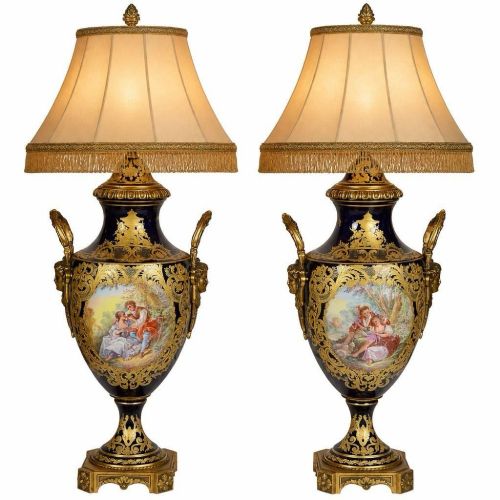
The selection encompasses diverse regional centres and workshops, including Paris porcelain bodies and provincial earthenwares like Desvres faience. Many examples incorporate gilt bronze or ormolu mounts, reflecting tastes from the Rococo Revival to the Empire style.
How they were made
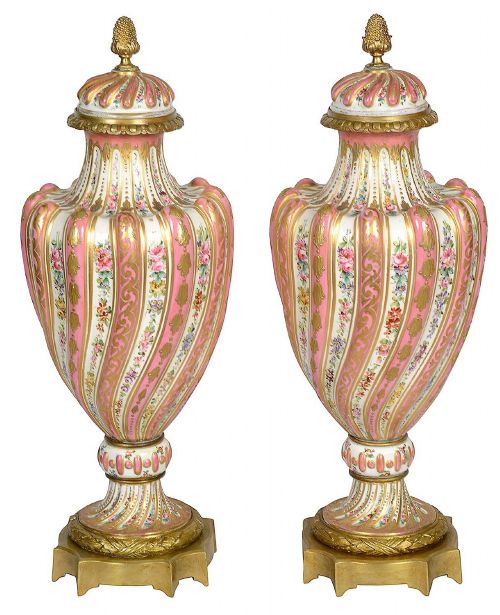
The foundation of these vessels rests on hard-paste porcelain, earthenware, or opaline glass, shaped by throwing or moulding before initial kiln firing. Artisans then applied mineral pigments and enamel colours by hand, often building up raised white enamel details or incorporating gold leaf.
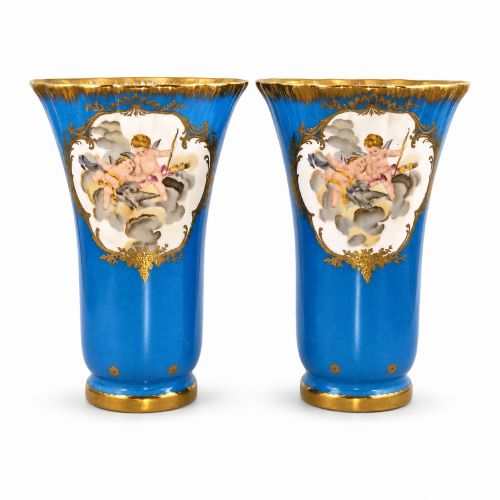
Metal mounts in ormolu, gilt bronze, and brass were cast and chased separately before being fitted to secure the ceramic bodies. Secondary decorative elements included hand-painted reserves depicting birds, putti, and landscape scenes.
Listings feature nineteenth-century French porcelain, faience earthenware, and opaline glass mounted in gilt bronze and ormolu.
What varies in quality
Quality rests primarily on the crispness of the hand-painting and the fluidity of the brushwork in the floral or figural reserves. Superior examples display finely controlled enamel work and naturalistic shading rather than mechanical transfer printing.
The weight and precision of the cast bronze or ormolu mounts also define the upper tier of production. Finer vessels show a harmonious integration between the ceramic body and its metal mounts.
Jacob Petit·Fourmaintraux-Courquin·Sceaux Faience·Samson Paris·Robert T Lallement·Jean Francois Robert
The French Painted Vase Glossary
- Ormolu
- Gilt bronze mounted onto decorative objects. This technique involves applying a gold amalgam to a bronze base and heating it to drive off the mercury.
- Faience
- Tin-glazed earthenware produced across France. This ceramic body carries an opaque white glaze that serves as a smooth ground for painted decoration.
- Opaline glass
- An opaque or translucent art glass developed in nineteenth-century France. It often appears in soft pastel shades and serves as a ground for enamel painting.
- Potpourri
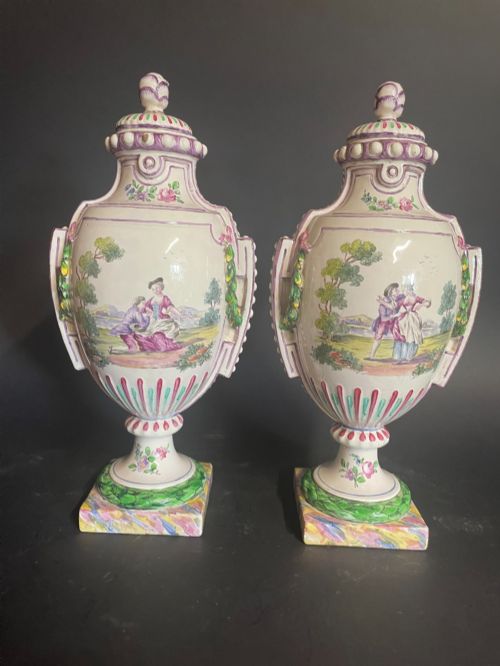
- A perforated vessel designed to hold dried scented plant material. These lidded urns often feature elaborate hand-painted panels and gilt mounts.
- Bleu céleste
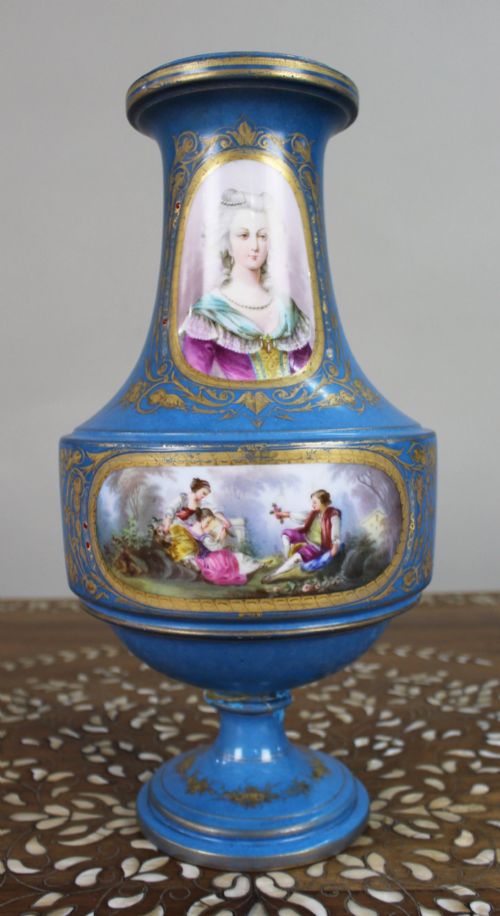
- A bright turquoise blue glaze colour associated with Sèvres porcelain. This distinctive hue forms the background for hand-painted pastoral or floral scenes.
French Painted Vase: Frequently Asked Questions
How do I identify a Sèvres style vase?
Look for rich bleu céleste grounds, finely painted figural reserves, and gilt bronze or ormolu mounts. Many pieces from the nineteenth century emulate the famous factory's palette without bearing genuine factory marks.
Examine the quality of the hand-painted details and the presence of raised enamel work. These decorative flourishes distinguish the higher quality interpretive pieces from simple mass production.
Were these vases used for flowers?
Many large nineteenth-century urns and potpourri jars served primarily as decorative garniture for mantelpieces rather than functional flower holders. Their delicate hand-painted surfaces and gilt mounts meant they were valued as ornamental centerpieces.
Smaller cabinet vases and faience vessels could hold cut stems, though surviving examples often retain pristine interiors indicating display use.
What is Old Paris porcelain?
Old Paris refers to the diverse output of numerous independent porcelain workshops operating in and around Paris during the late eighteenth and nineteenth centuries. These factories produced wares without royal patronage, leading to varied styles from Empire to Rococo Revival.
Characteristics include brilliant white porcelain bodies, generous gilding, and expressive hand-painted floral motifs. Pieces from this grouping often display strong sculptural forms and vibrant colour palettes.
How should I clean painted vases?
Dust painted porcelain and faience gently with a soft, dry brush to avoid disturbing fragile enamel or gold leaf. Moisture can damage vulnerable pigments and historical adhesives used on mounted pieces.
Keep these vessels out of direct sunlight to prevent fading of the hand-painted colours. Handle them by the body rather than by delicate ormolu mounts or handles.