

Black Bronze Figure
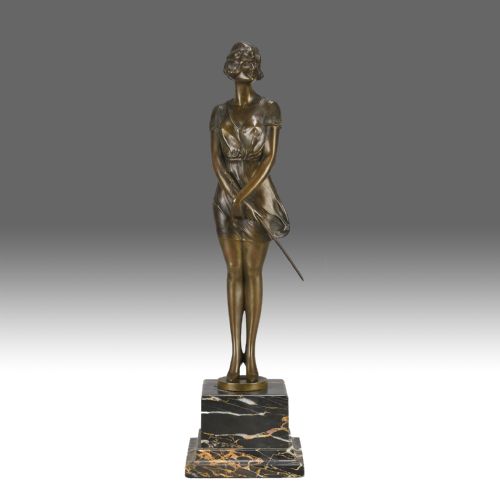
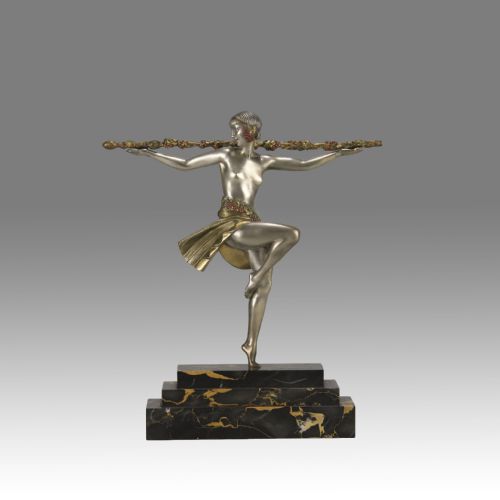
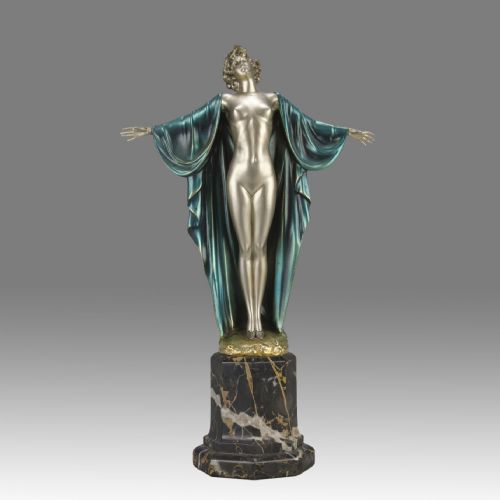
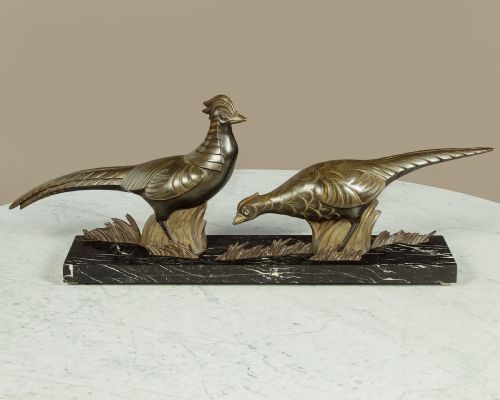
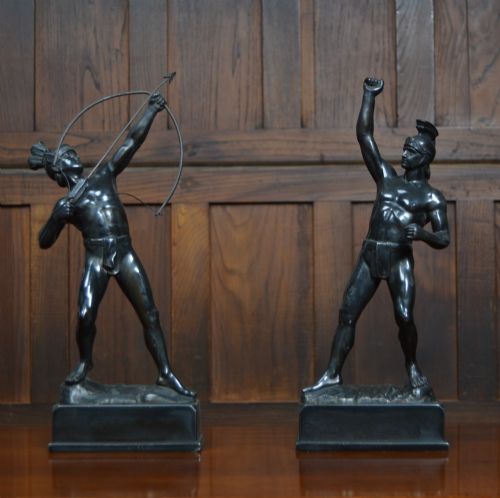
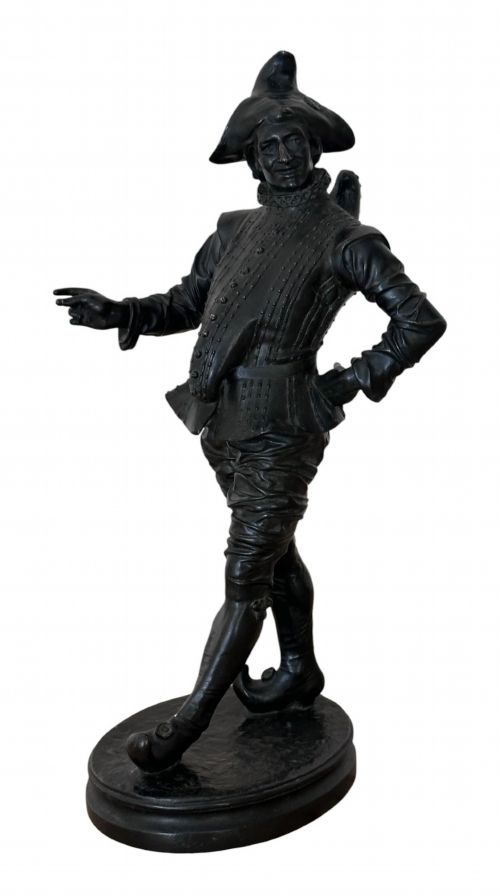
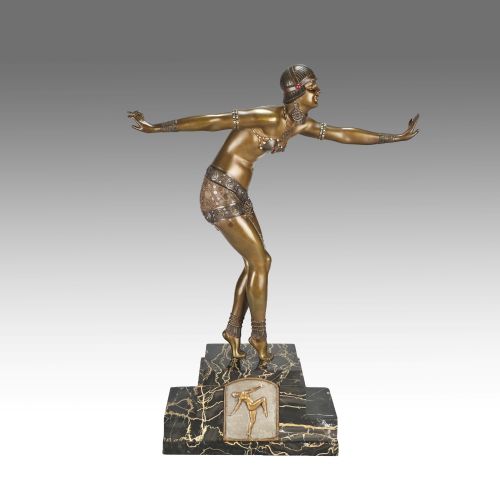
These substantial pieces of black bronze figure range from classical mythological studies to sleek Art Deco dancers.
Black Bronze Figure
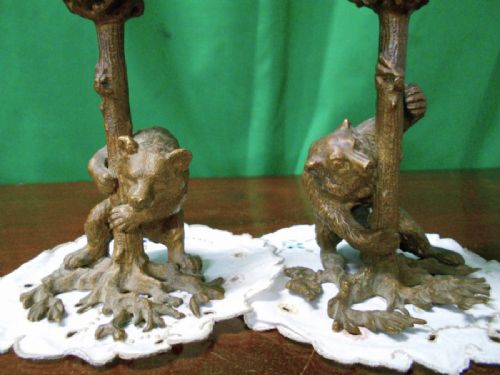
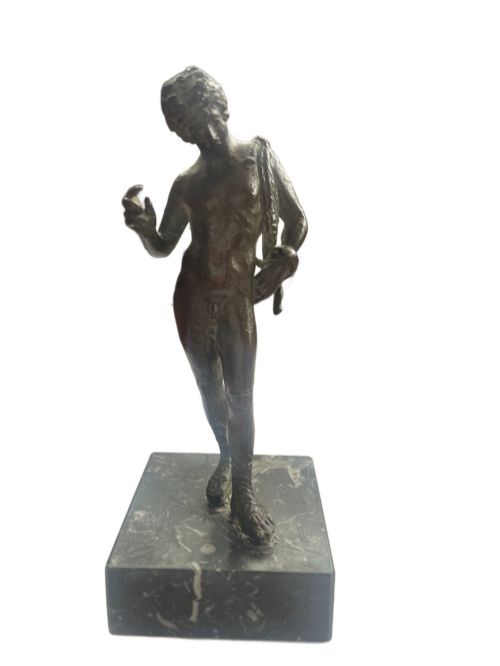
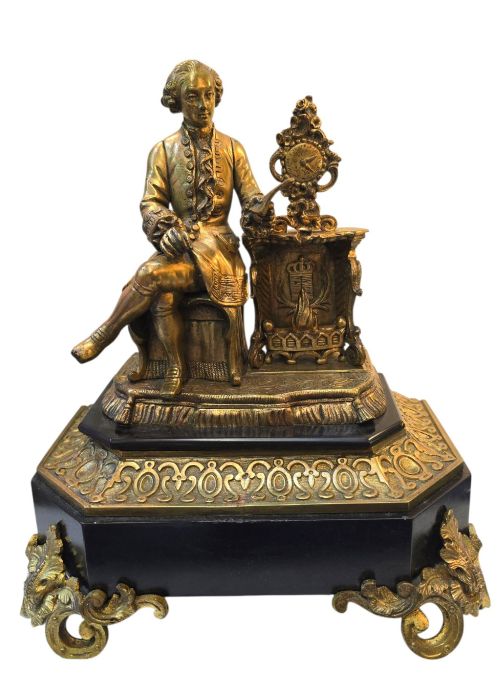
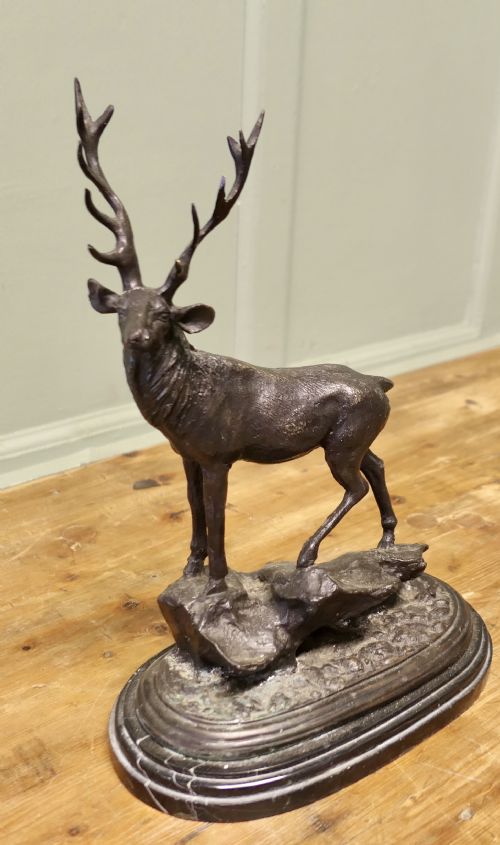
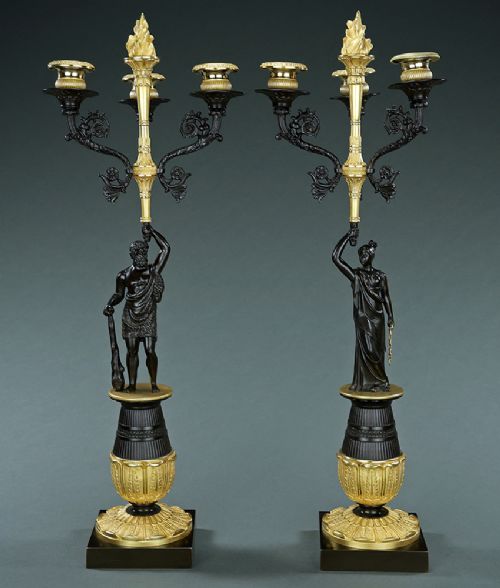
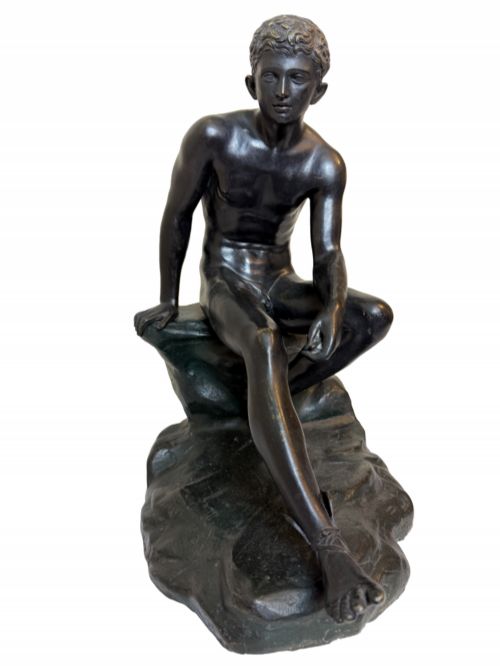
A black bronze figure brings cast metal sculpture into interior spaces through subjects spanning classical antiquity, the Grand Tour, and twentieth-century modernism. Buyers encounter diverse forms, including mantel clock garnitures, candlesticks, torchères, and freestanding animal or human studies.
The selections on this page draw heavily from nineteenth-century French and Neapolitan foundries alongside Art Deco animalier and human figures. Pieces frequently combine dark patinated metalwork with contrasting bases in fossil or black marble.
How They Were Made
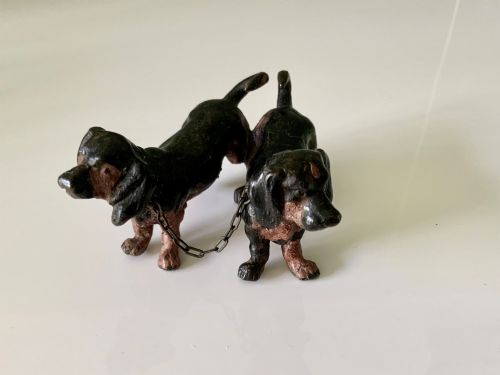
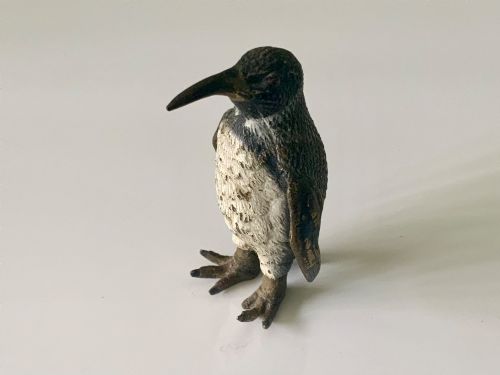
Foundries utilised traditional lost-wax casting methods to capture fine anatomical details in bronze, spelter, and silvered bronze. Many twentieth-century works incorporate cold painting techniques, applying polychrome pigments directly onto the metal surface.
Makers integrated supporting elements of carved marble, gilt bronze mounts, and enamel accents to anchor the heavier metal sculptures. Plaster and patinated metal finishes provided alternative textures for figurative and architectural designs.
A stoic St. Petersburg policeman stands ready alongside a mischievous penguin and a dancing Dachshund.
What Varies in Quality
The articulation of fine details in the casting distinguishes workshop output, particularly in the rendering of musculature, drapery, and facial expressions. Crisp chasing work after the cast stage preserves the original sculptor's intent.
The selection of base materials, such as heavy fossil marble versus simpler plinths, impacts the overall integrity of the piece. Preserved cold-painted surfaces and clear artist signatures or foundry marks further separate standard production from superior examples.
Ferdinand Barbedienne·Bruno Zach·Pierre le Faguays·Ferdinand Preiss·P Granet·Demetre Chiparus·Franz Bergman·Humphrey Hopper·Karl Hagenauer
The Black Bronze Figure Glossary
- Cold Painted Bronze
- Metal sculpture decorated with polychrome paint applied without heat after the casting process.
- Grand Tour
- Souvenir pieces purchased by nineteenth-century travellers visiting classical sites in Italy and Europe.
- Spelter
- A zinc alloy frequently utilised as a cost-effective alternative to bronze in figurative sculpture and decorative objects.
- Animalier
- A nineteenth-century artistic genre focusing on the realistic depiction of animals in sculpture.
Black Bronze Figure: Frequently Asked Questions
How do I clean a bronze figure?
Dust gently with a soft, dry brush to prevent accumulation in recessed details. Avoid commercial metal polishes that can strip the original patination.
Apply a microcrystalline wax sparingly if the surface requires protection against moisture. Buff lightly with a clean cloth to maintain a stable finish.
What is the difference between bronze and spelter?
Bronze is a durable alloy of copper and tin capable of holding sharp cast details. Spelter is a softer zinc-based material that is lighter in weight.
Spelter figures often show greater wear and require more careful handling. Magnetic tests and examination of the base metal help differentiate the two materials.
Where were Grand Tour bronzes made?
Nineteenth-century workshops in Naples, Florence, and Paris produced these portable reductions of classical antiquities. Local artisans catered to travellers touring historical European sites.
These pieces served as academic studies and decorative home ornaments. They reflect nineteenth-century enthusiasm for classical archaeology.
How do I identify Art Deco figures?
Art Deco sculptures feature stylised geometric lines, streamlined forms, and modern materials like ivory, chrome, and marble. Subjects often include dancers, athletes, and sleek animals.
Signatures from designers active in the interwar period frequently appear on the plinths. The styling prioritises dynamic movement and clean silhouettes over classical realism.