


Black and Gold Mirror
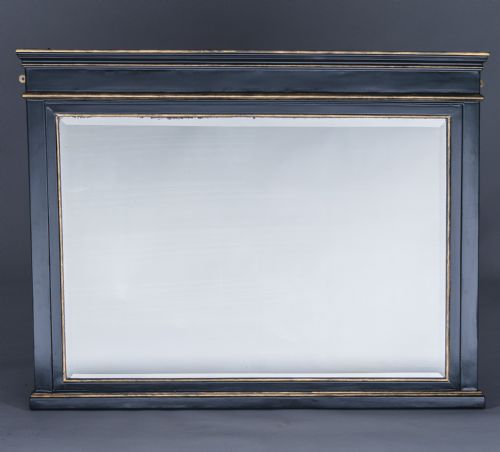
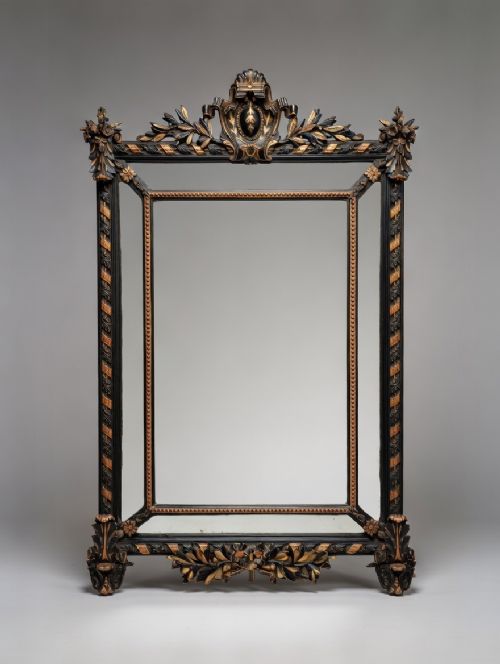
A black and gold mirror unites dark ebonised or lacquered surfaces with brilliant metallic leaf, offering a dramatic focal point for an interior.
Black and Gold Mirror
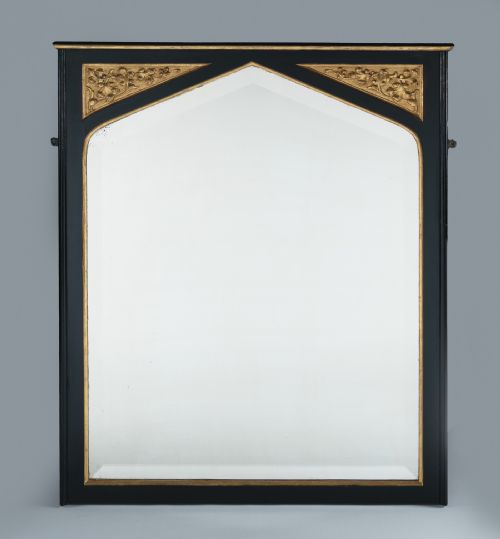
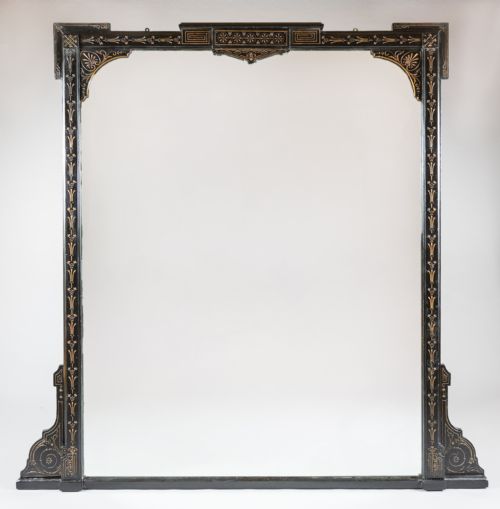
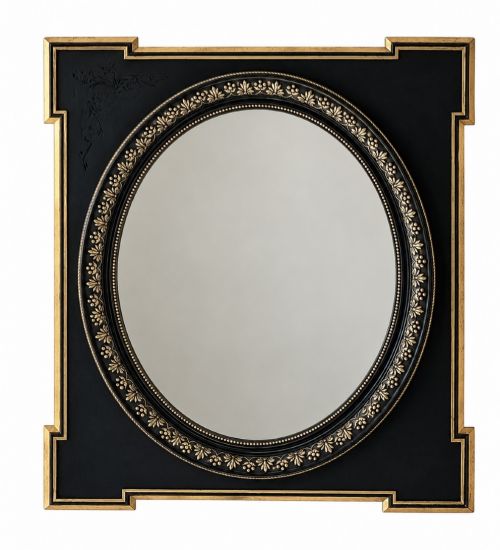
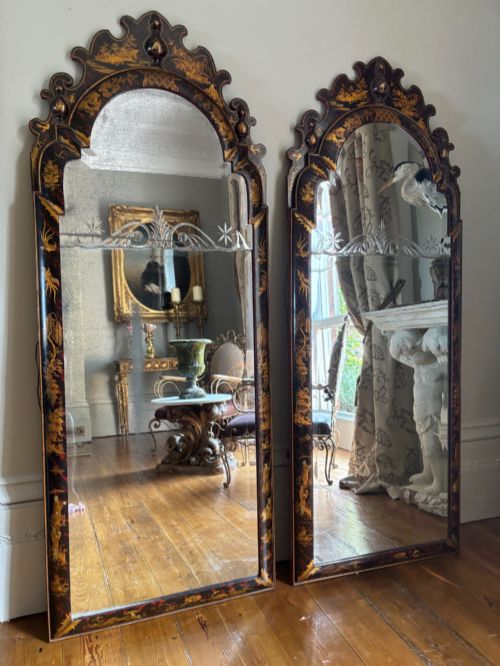
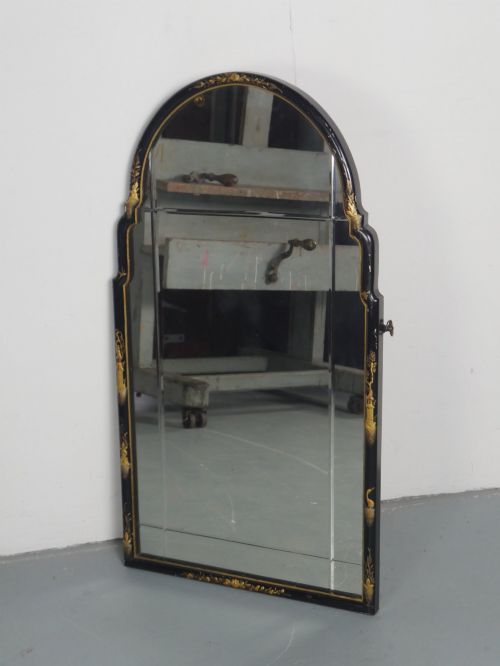
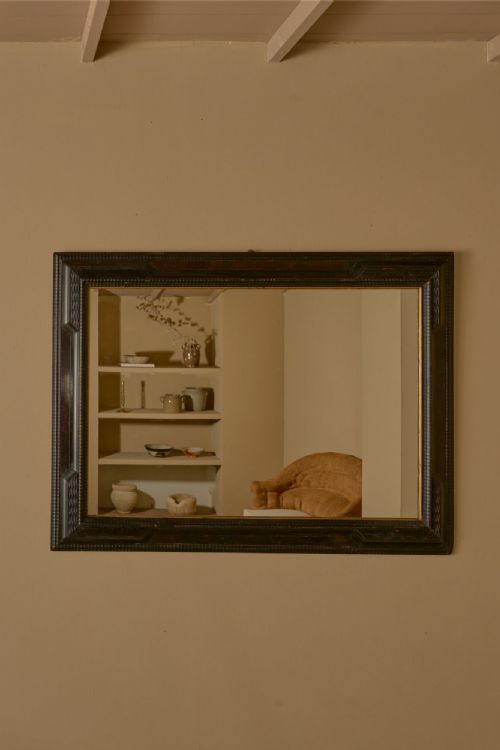
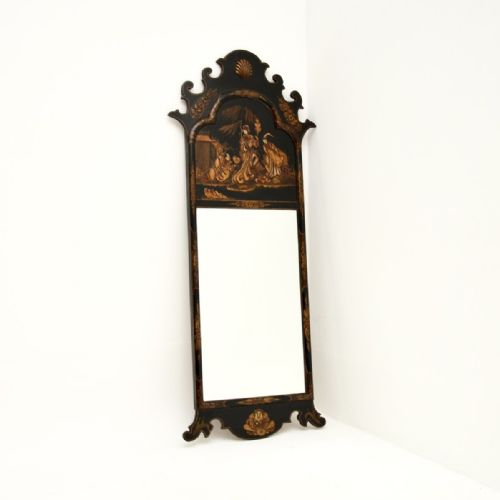
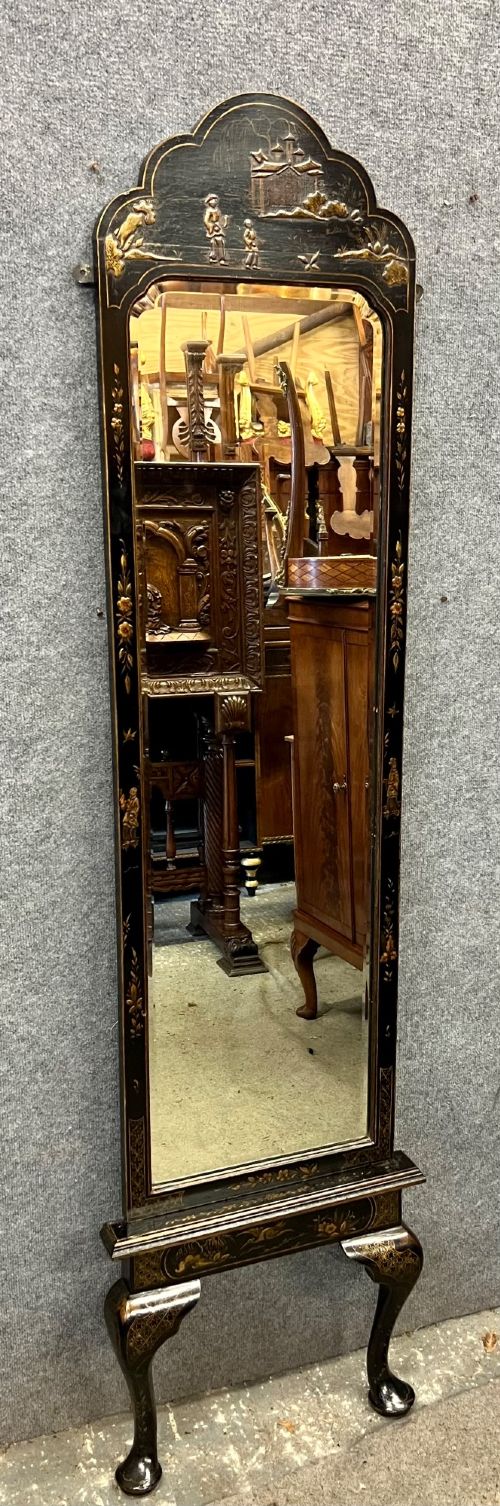
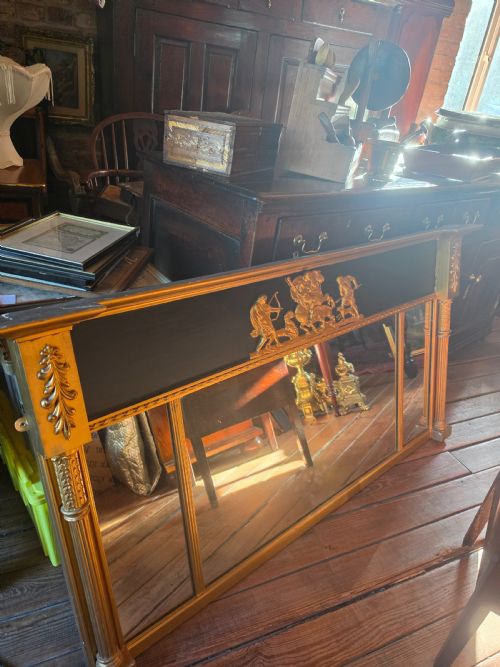
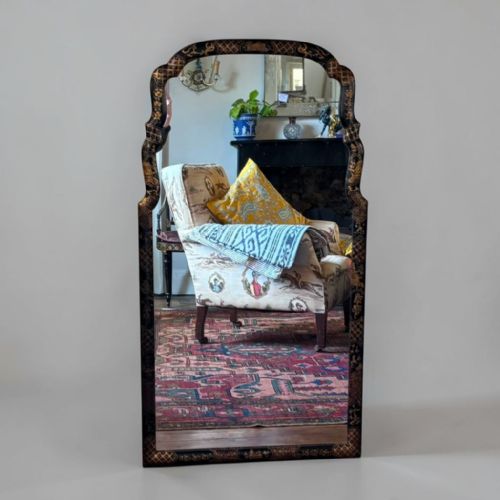
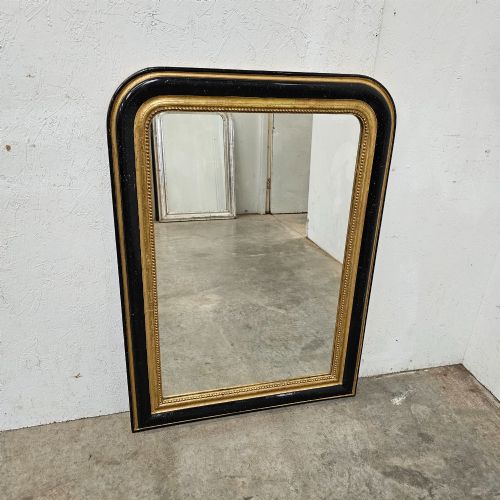
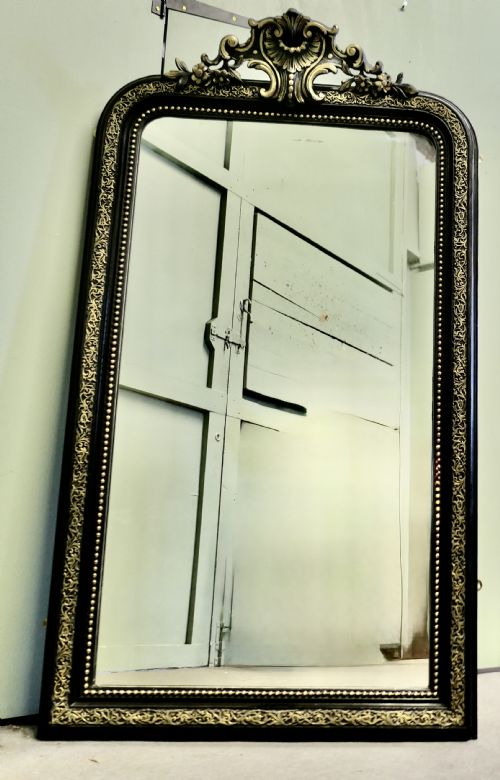
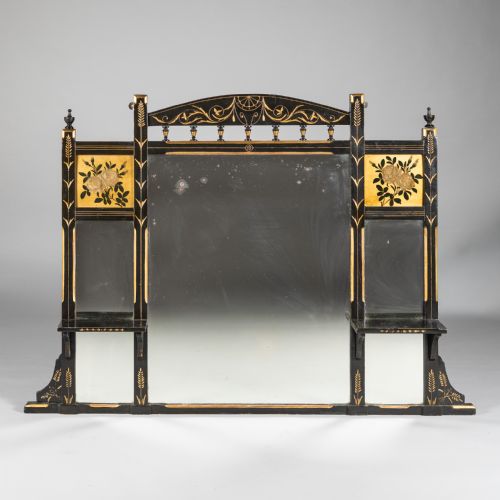
A black and gold mirror draws the eye through the strong contrast between deep dark finishes and bright reflective highlights. Buyers searching for a black and gold mirror typically encounter substantial Victorian overmantle pieces, French Napoleon III frames, and Chinoiserie wall hangings.
The selection ranges from large architectural overmantle mirrors designed to sit above a fireplace to smaller oval wall mirrors and dressing table variants. Many examples utilise ebonised wood combined with parcel-gilt details, while others adopt oriental lacquerwork and Japanned decoration.
Origins span across the nineteenth and twentieth centuries, encompassing Victorian aesthetic movement designs, Regency neoclassical interpretations, and decorative Asian-style pieces. These mirrors function equally well above a console table or as standalone wall art in a hallway.
Materials and Construction Methods
Frames are constructed primarily from wood, such as pine or hardwood, which is then prepared with layers of gesso to create a smooth surface for painting or gilding. Ebonised finishes are achieved by staining or painting the timber black to emulate costly ebony, whilst parcel-gilt accents are applied using gold leaf.
Carved wooden details and applied composition ornaments often decorate the corners and crests of larger frames, providing sculptural depth beneath the metallic leaf. Mirror glass is typically heavy plate glass, occasionally featuring bevelled edges or reverse-painted Chinese motifs depending on the period.
Black and Gold Mirror Retail Price Guide 2026
Typical asking prices for black and gold mirror among the pieces listed under this phrase on Sellingantiques today, from the lower quarter to the upper quarter. They describe what is for sale here now, not the wider market.
Listings feature ebonised wood, gold leaf, and gesso across Victorian, Regency, and Chinoiserie styles.
Assessing Craftsmanship and Condition
The distinction between standard production and superior craftsmanship lies in the crispness of the carved ornamentation and the depth of the finish. High-quality pieces display meticulously hand-applied gold leaf over properly prepared gesso, whereas lesser examples rely on flat metallic paint.
Originality of the mirror glass and the stability of the wooden frame significantly influence the standing of a piece. Retaining the original ebonised surface and untouched gilding demonstrates proper preservation over time.
The Black and Gold Mirror Glossary
- Ebonised
- Wood treated with stain, dye, or black paint to resemble genuine ebony. This technique gained immense popularity during the Victorian and aesthetic periods.
- Parcel-gilt
- A decorative method where only specific portions of an object are highlighted with gold leaf. It creates a striking contrast against the dark background of the frame.
- Japanned
- European imitation of East Asian lacquerwork, popular in Queen Anne and later revival styles. It involves building up layers of varnish decorated with raised metallic motifs.
- Overmantle
- A large mirror specifically proportioned to hang on the wall directly above a fireplace mantelpiece. These pieces often feature architectural framing and arched tops.
- Gesso
- A plaster-like mixture applied to wooden frames as a base for gilding or painting. A thick gesso layer allows carvers to achieve sharp, detailed relief work.
Black and Gold Mirror: Frequently Asked Questions
Where should I hang a large overmantle mirror?
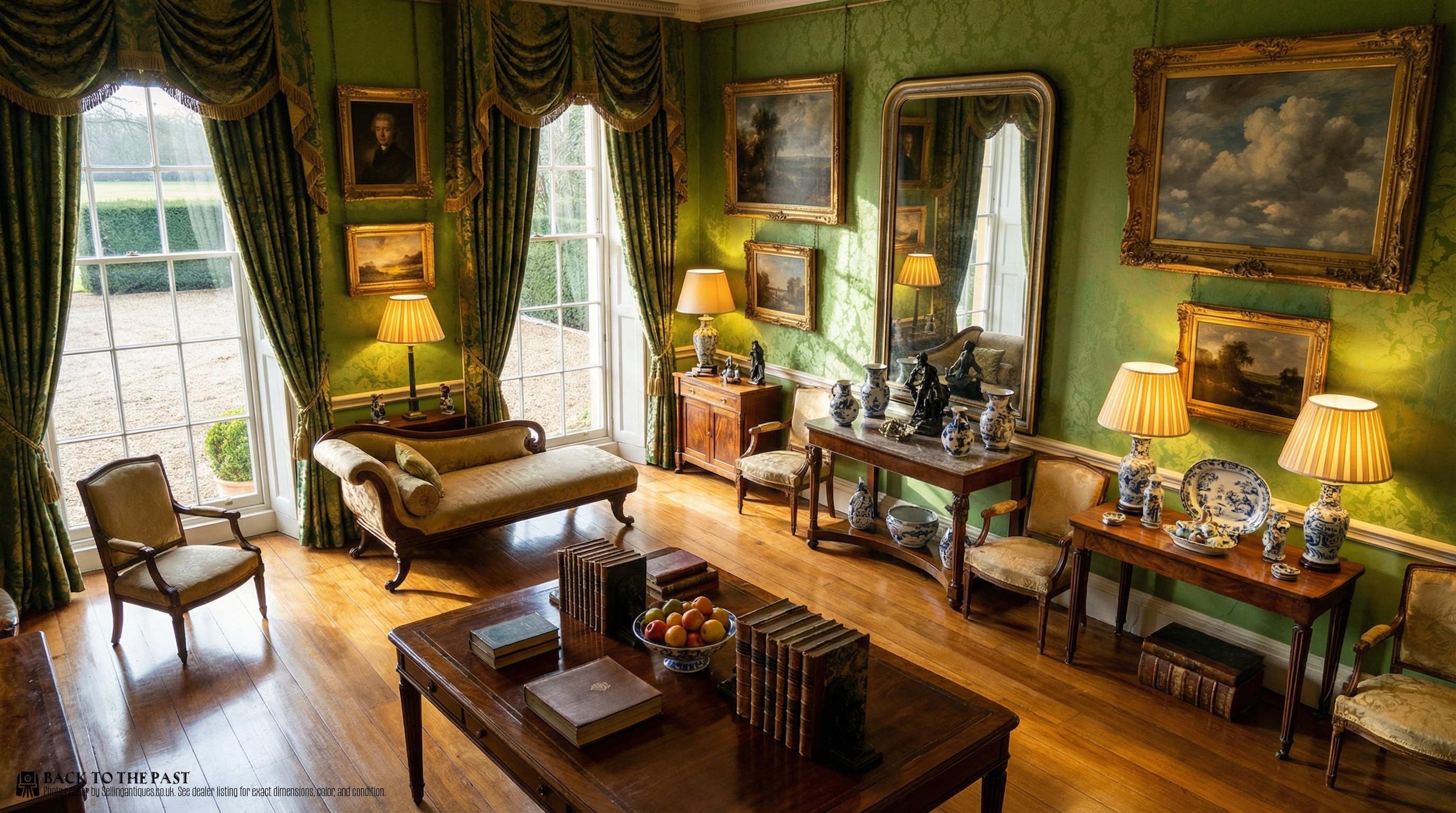
These large architectural pieces traditionally anchor the space above a fireplace, reflecting light and opening up the room. They also function effectively mounted above a low sideboard or console table in a dining area.
Ensure the wall fixings are secured directly into studs or masonry to support the substantial weight of the wooden frame and heavy glass.
How do I care for ebonised wood and gilt frames?
Dust the frame regularly with a soft, dry brush to prevent particle buildup in the carved recesses and gesso details. Avoid liquid cleaners and chemical polishes, which can damage delicate gold leaf and historical black finishes.
Keep the mirror out of direct sunlight and damp environments to protect the integrity of the wooden substrate and the silvering on the glass.
What is the difference between Victorian and Regency styles?
Regency designs lean towards restrained neoclassical geometry, often featuring crisp lines and gilded animal motifs or classical Greek influence. Victorian interpretations tend to be bolder, heavier, and more ornate, frequently combining ebonised wood with intricate parcel-gilt ornamentation.
Identifying the underlying construction and decorative motifs helps determine whether a piece belongs to the early nineteenth century or the later revival eras.
Are Chinoiserie mirrors fragile?
Chinoiserie pieces feature delicate painted lacquer or raised decoration that requires gentle handling during placement and cleaning. The lacquered surfaces respond best to stable indoor temperatures away from direct heat sources.
With careful placement and minimal handling, these decorative mirrors remain remarkably stable over generations of domestic use.