

Bevelled Gilt Mirror
A bevelled gilt mirror brings warmth and reflected light to a room, combining ornate metallic framing with angled glass edges.
Bevelled Gilt Mirror
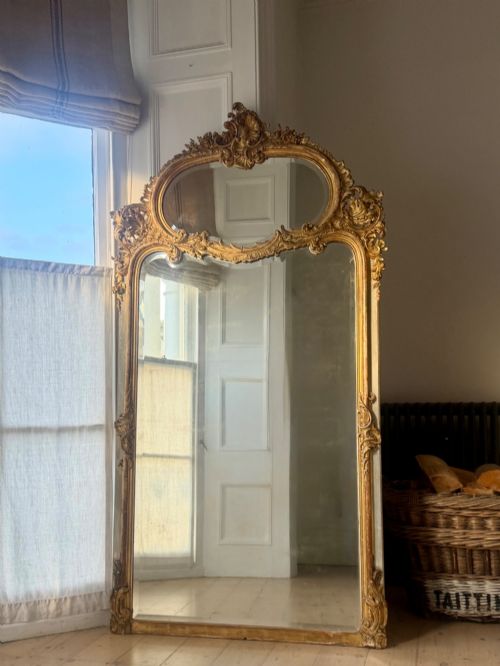
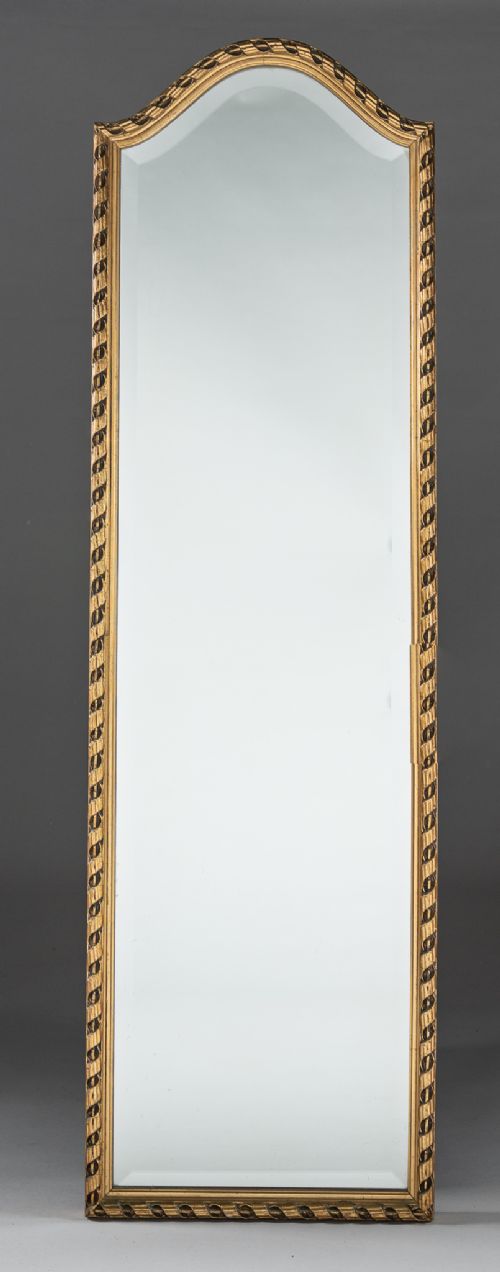
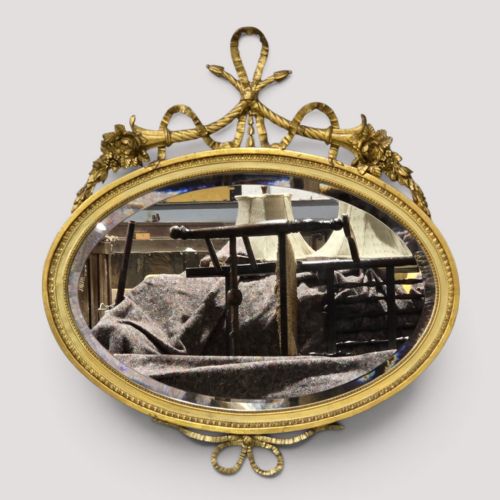
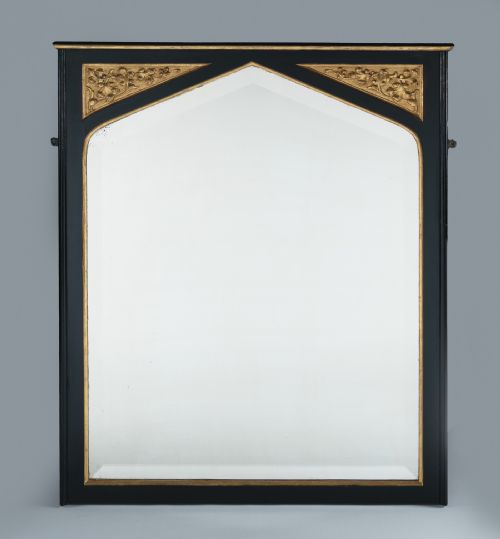
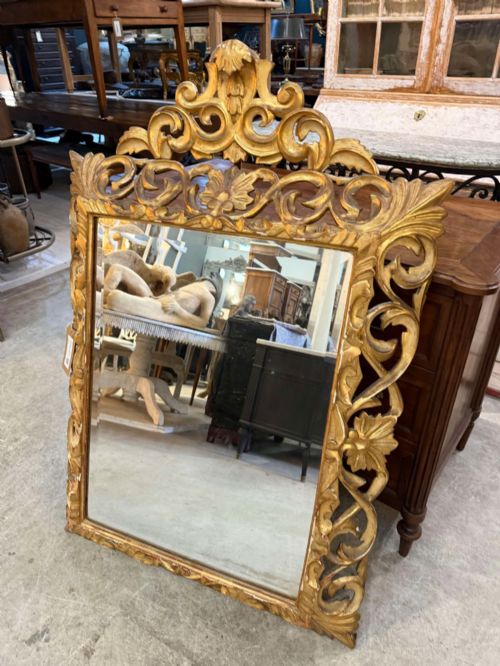
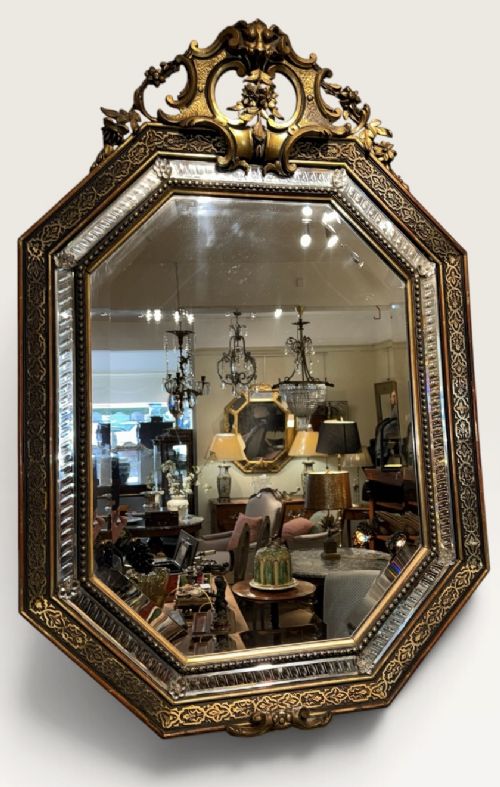
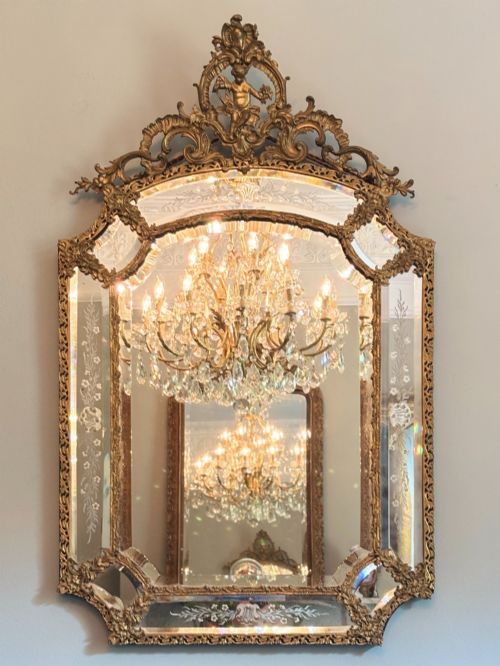
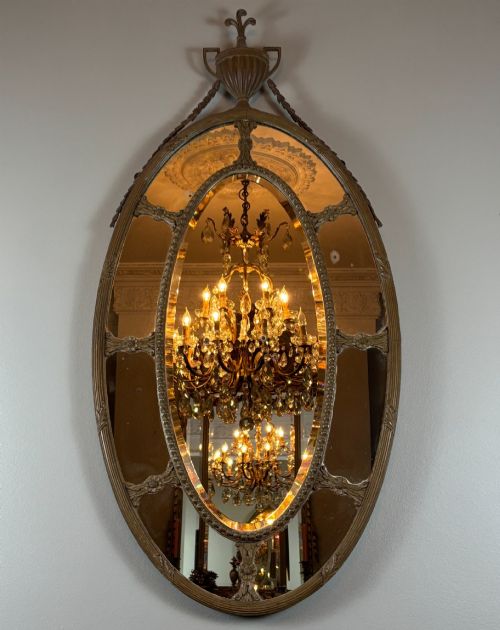
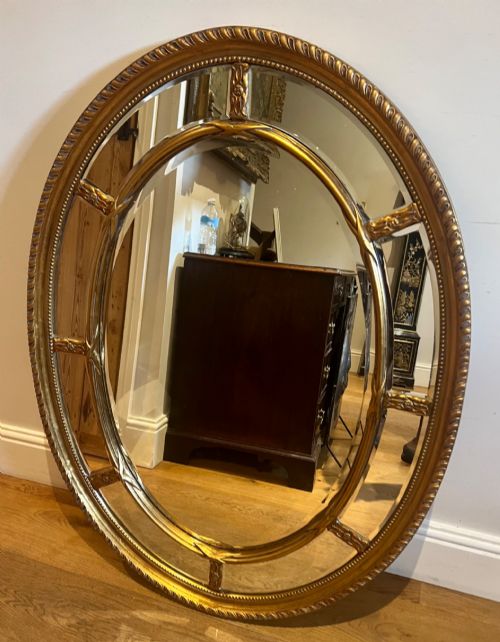
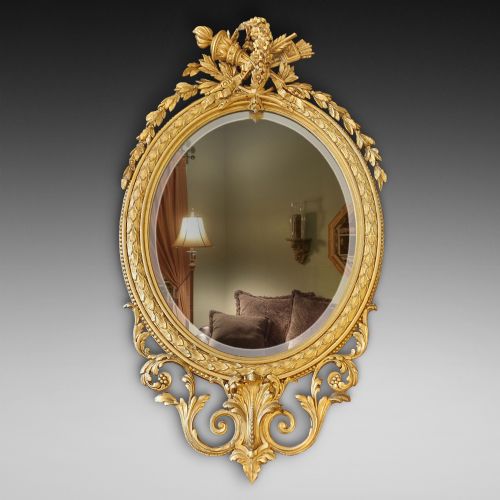
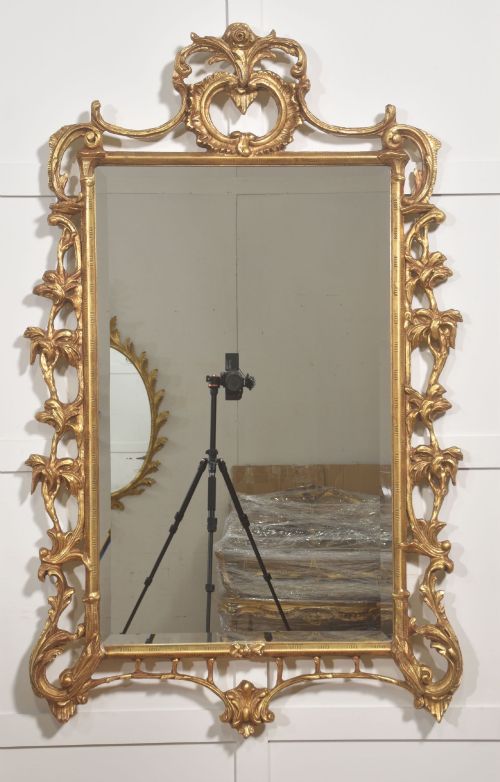
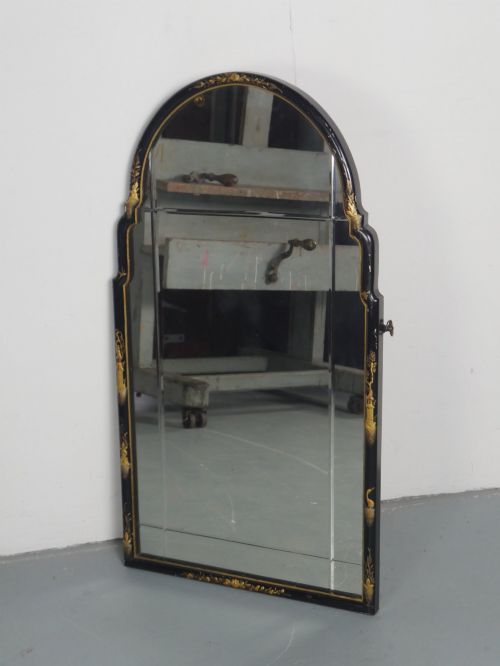
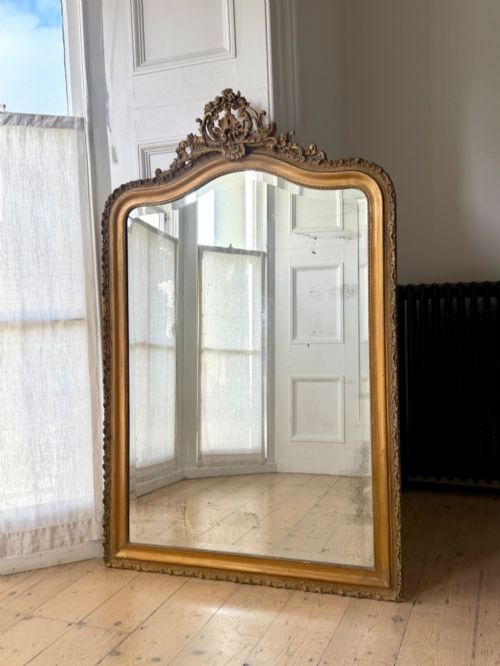
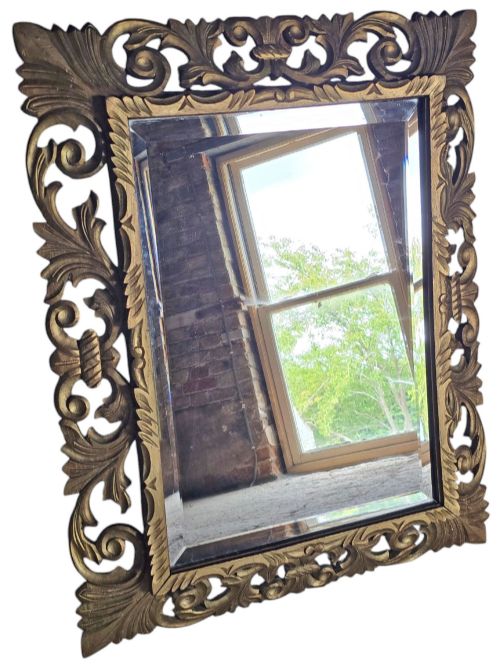
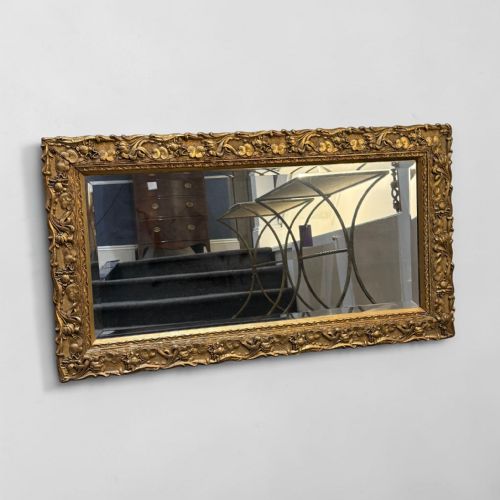
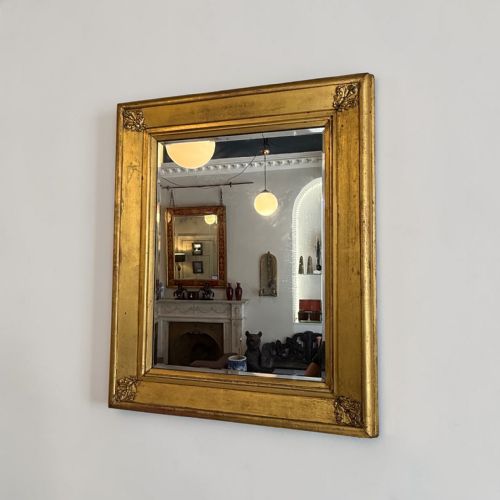
A bevelled gilt mirror takes many forms across the inventory, appearing as grand overmantle mirrors, tall dressing pieces, and compact wall hangings. These pieces span the nineteenth century through the Edwardian era and into the 1930s, drawing heavily on French Rococo Revival, Louis styles, and Florentine designs.
Makers and workshops constructed these objects for principal reception rooms, halls, and bedrooms, utilising gold leaf and gesso on timber substrates. The combination of reflective glass and gilded surfaces creates a distinct focal point within period and eclectic interiors alike.
Materials and construction methods
Craftsmen built the structural frames from woods such as oak, mahogany, walnut, and pine, often applying layers of gesso to build up intricate scrollwork, floral motifs, and moulded relief details. Giltwood finishes were achieved through water gilding or oil gilding, applying thin sheets of gold leaf over a prepared base to create a luminous metallic sheen.
The mirror plates themselves consist of heavy glass with hand-ground bevelled edges, a technique that produces a sloping border to catch the light. Earlier examples frequently utilise mercury glass, while later pieces feature standard silvered plates set securely into rebated frames.
Bevelled Gilt Mirror Retail Price Guide 2026
Typical asking prices for bevelled gilt mirror among the pieces listed under this phrase on Sellingantiques today, from the lower quarter to the upper quarter. They describe what is for sale here now, not the wider market.
Listings feature pieces spanning the Victorian, Edwardian, and Art Deco eras, alongside Georgian and Rococo Revival revivals.
Assessing quality and craftsmanship
The distinction between ordinary and superior pieces lies in the depth and crispness of the hand-carved gesso ornamentation. Finer examples display sharp, well-defined foliage and scrollwork without the blurring or filling-in that occurs when moulds are overworked.
The quality of the gilding and the clarity of the glass plate further separate tiers of production. Genuine gold leaf ages with a softer, warmer patina compared to modern metallic paint, while older bevelled plates often exhibit subtle variations and hand-worked edges that enhance their character.
The Bevelled Gilt Mirror Glossary
- Gesso
- A plaster-like mixture applied to wood frames to provide a smooth base for carving and gilding. It allows artisans to shape complex three-dimensional floral and scroll designs before applying gold leaf.
- Bevel
- The angled edge ground along the perimeter of a mirror plate. This technique creates a prismatic border that refracts light inwards.
- Overmantle
- A large mirror designed specifically to hang above a fireplace mantelpiece. These pieces often feature wide proportions to match the scale of the hearth below.
- Giltwood
- Timber that has been coated with gold leaf or metallic powder. It provides the characteristic bright, reflective surface seen on period frames.
- Pier mirror
- A tall, narrow mirror designed to hang on the wall space between windows. They maximise natural light in Victorian and Edwardian reception rooms.
Bevelled Gilt Mirror: Frequently Asked Questions
How do I hang a heavy gilt mirror?
Heavy overmantle and wall mirrors require secure fixings into structural wall studs or masonry using substantial brackets. Professional installation ensures the weight of the timber and glass frame is safely supported.
Avoid relying solely on decorative hanging loops attached to the backboards of older frames. Distributing the load evenly protects the antique structure from undue stress.
Where should I place an overmantle mirror?
Positioning an overmantle mirror above a fireplace creates a traditional focal point that anchors the room's proportions. This placement also reflects light from opposing windows deep into the interior space.
Ensure the scale of the mirror matches the width of the mantelpiece and surrounding chimney breast. A balanced proportion prevents the piece from appearing either lost or overwhelming.
How do I clean an antique gilt frame?
Dust giltwood and gesso frames gently with a soft, dry artist's brush or microfiber cloth. Moisture and chemical cleaners can dissolve historical gesso and lift fragile gold leaf.
Keep glass surfaces clean using a minimal amount of window cleaner applied to a cloth rather than directly onto the plate. This prevents liquid from seeping behind the bevelled edges and damaging the silver backing.
Are bevelled edges original to period mirrors?
Bevelled edges appear frequently on nineteenth-century and Edwardian mirrors, though plain flat plates are common in earlier Georgian designs. Examining the angle and hand-ground texture helps determine if the plate is contemporary with the frame.
Later replacements are common in antique mirrors due to breakage or silver degradation over time. A replacement plate does not diminish the decorative value of a fine giltwood frame.