

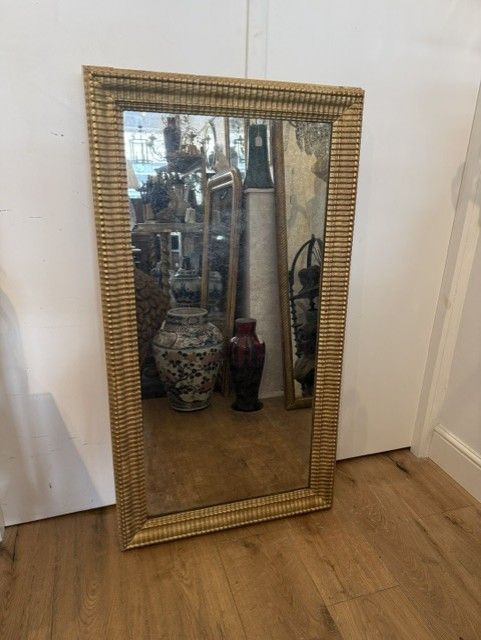
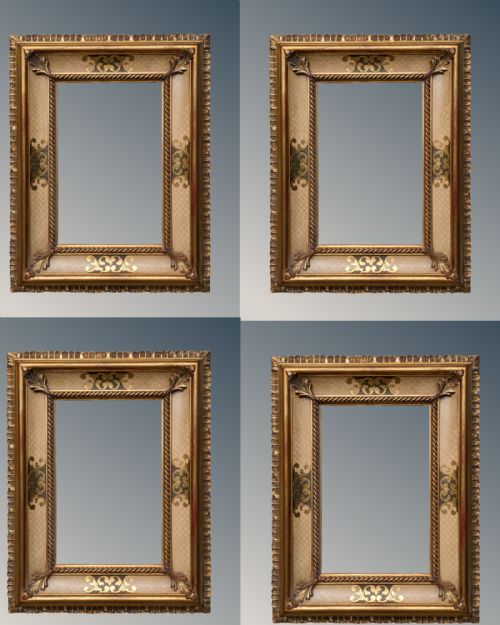
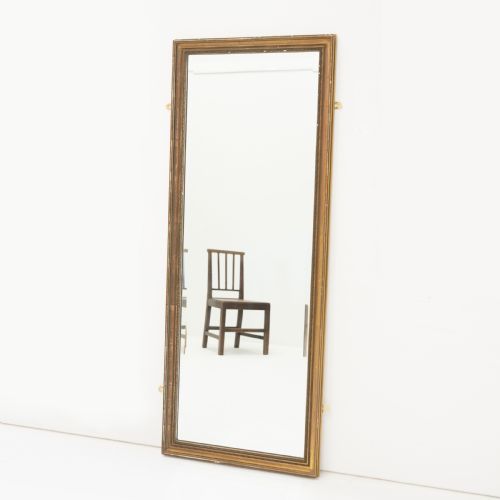

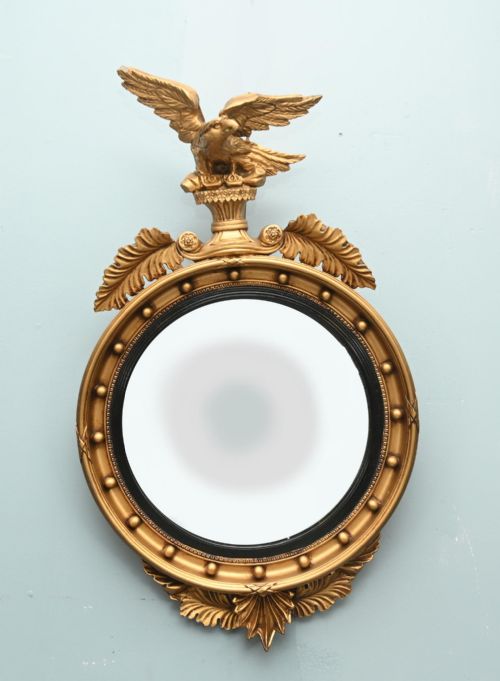


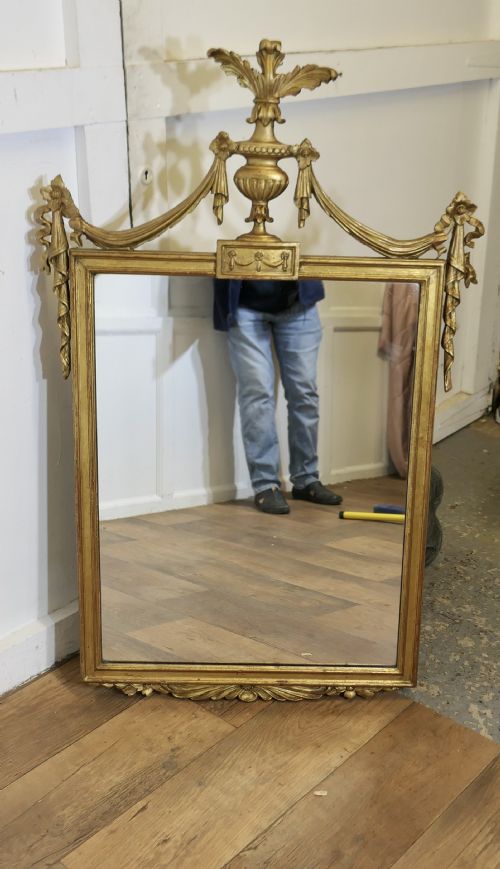


Classic Gold Leaf Mirror
A classic gold leaf mirror brings depth and light to a room through centuries-old methods of gilding timber frames.
Classic Gold Leaf Mirror
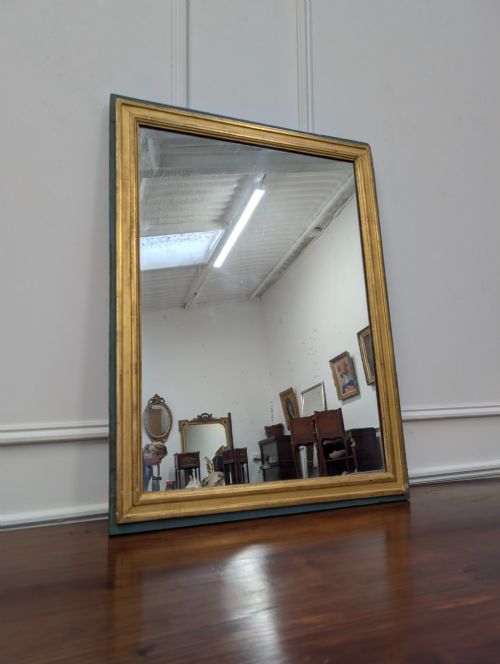
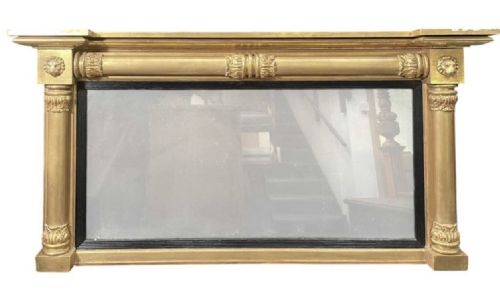
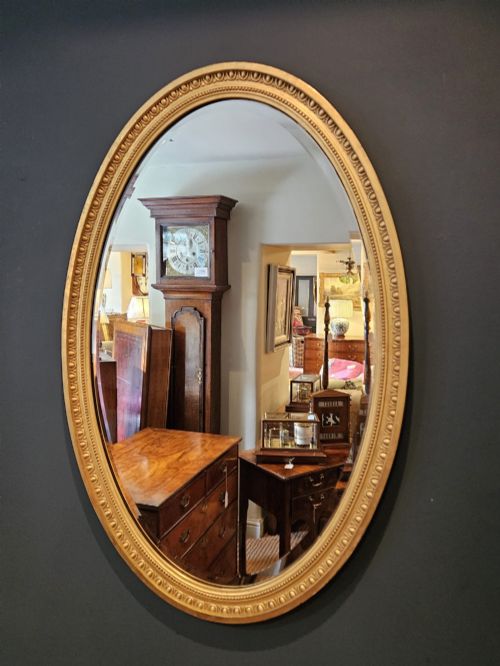
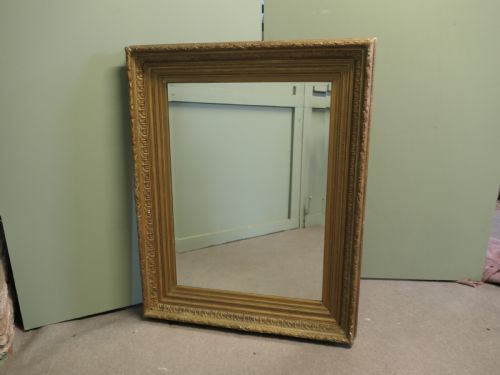
A classic gold leaf mirror encompasses wall mirrors, overmantel mirrors, and decorative picture frames dating from the eighteenth century to the early twentieth century. Buyers seeking this aesthetic encounter Victorian, Georgian, and Regency examples alongside Continental interpretations in French and Italian styles.
The prevalent forms include grand arch top overmantels, oval plaster gilt pieces, and ripple frame mirrors constructed in English and French workshops. These items serve both as functional looking glasses and architectural focal points within domestic interiors.
Materials and construction methods
Carved wood, pine, and gesso provide the foundational structure for these gilt frames, offering a stable base for intricate ornamentation. Artisans apply thin sheets of gold leaf over layers of gesso to achieve the characteristic metallic sheen.
Mirror glass is set within these frames, sometimes retaining its original silvering and imperfections that indicate age. Joinery techniques vary from simple mitred corners to elaborate carved wood and gesso assemblies.
Classic Gold Leaf Mirror Retail Price Guide 2026
Typical asking prices for classic gold leaf mirror among the pieces listed under this phrase on Sellingantiques today, from the lower quarter to the upper quarter. They describe what is for sale here now, not the wider market.
Listings feature pieces spanning from the eighteenth century through to the 1930s, utilising gesso, pine, and mirror glass.
Evaluating the craftsmanship
Quality resides in the crispness of the carved wood and the depth of the gesso application beneath the gold leaf. Superior pieces demonstrate meticulous hand-carving and careful burnishing of the metallic surface.
The integrity of the frame construction and the preservation of the original gilding distinguish finer examples from later or heavily restored pieces. Proportion and scale also dictate the visual impact of the mirror within a room.
The Classic Gold Leaf Mirror Glossary
- Giltwood
- Wood that has been coated with gold leaf or gold paint. This finish creates a luminous surface characteristic of period frames.
- Gesso
- A plaster mix applied to wood to create a smooth surface for gilding. It allows craftsmen to model intricate reliefs before applying gold leaf.
- Overmantel mirror
- A large mirror designed to hang above a fireplace mantelpiece. These pieces often feature wide proportions to reflect light across the room.
- Ripple frame
- A frame featuring concentric undulating wave patterns carved into the wood. This style creates distinct textural movement around the mirror glass.
- Louis XVI style
- A neoclassical design style characterised by straight lines, symmetry, and classical ornamentation. Mirrors in this manner reflect restraint and geometric balance.
Classic Gold Leaf Mirror: Frequently Asked Questions
How do I hang a heavy overmantel mirror?
Heavy overmantel mirrors require secure fixings into structural wall studs or masonry using heavy-duty brackets. The weight of the wood and glass demands professional installation to ensure safety.
Distributing the load evenly across the frame prevents warping of the structure over time.
How do I clean a gold leaf frame?
Dust gold leaf frames gently with a soft, dry brush to remove particles without disturbing the delicate metallic surface. Avoid using liquid cleaners, water, or commercial polishes that can strip the gold leaf.
Moisture will damage both the gesso layer and the underlying wood substrate.
Can I replace the mirror glass?
Replacing the mirror glass is possible, though many collectors prefer retaining original glass with its natural foxing and age spots. Original glass provides historical authenticity to the piece.
Modern replacement glass alters the visual character and reflection quality of an antique frame.
How do I date a gilt mirror?
Dating a gilt mirror involves examining the construction techniques, the composition of the gesso, and the style of the wooden frame. Georgian and Victorian pieces exhibit distinct joinery and decorative motifs unique to their eras.
Backboards, fixings, and the manufacturing method of the glass offer further clues to the period of origin.