

Gesso Gilded Mirror
A gesso gilded mirror brings an interior a distinct reflective depth through layered plaster and gold leaf.
Gesso Gilded Mirror
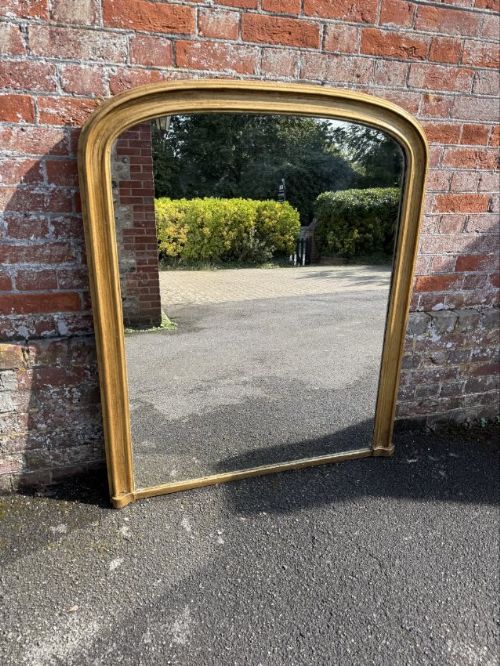
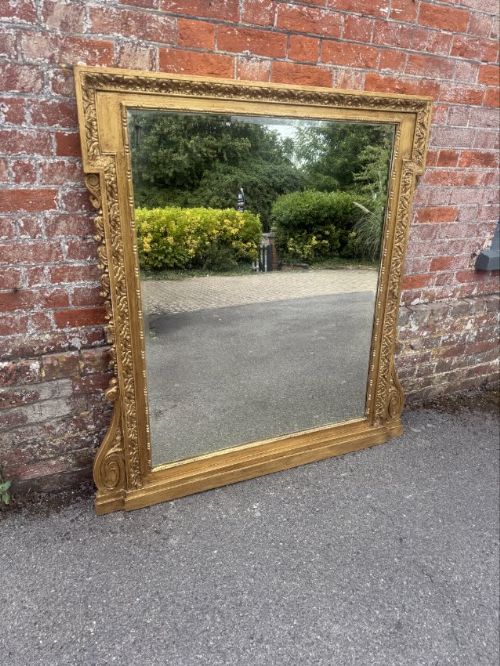
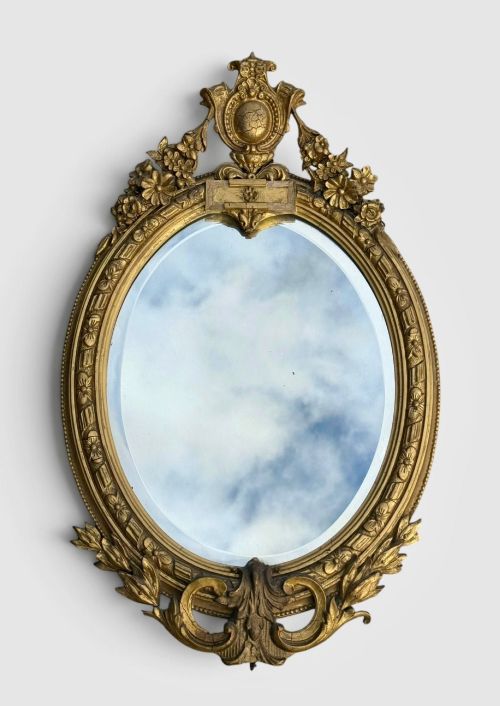
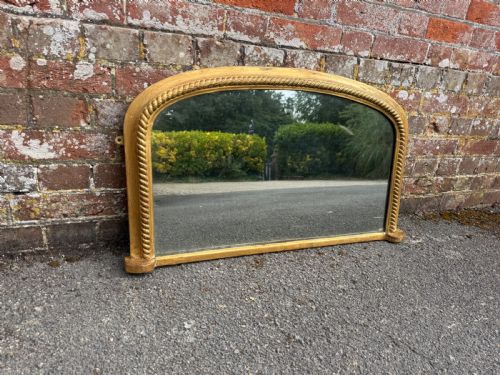
A gesso gilded mirror comprises a wooden base coated in plaster composition, shaped into ornament, and finished with gold leaf. These pieces serve as functional reflective items and decorative wall focal points.
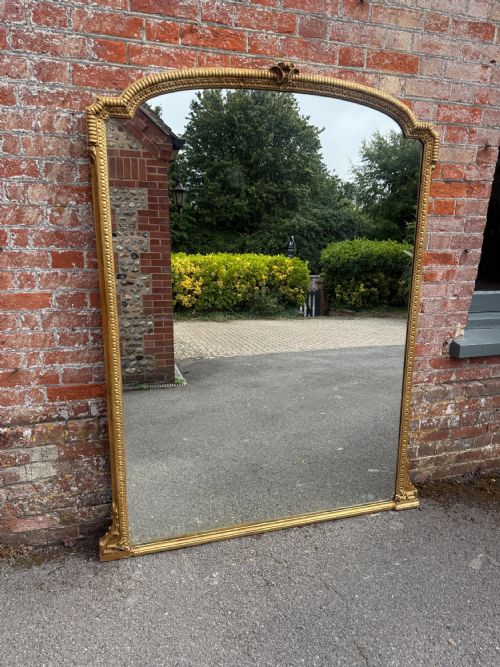
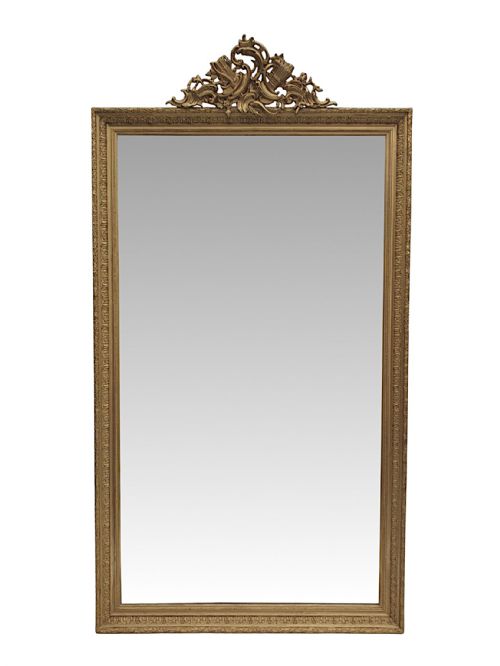
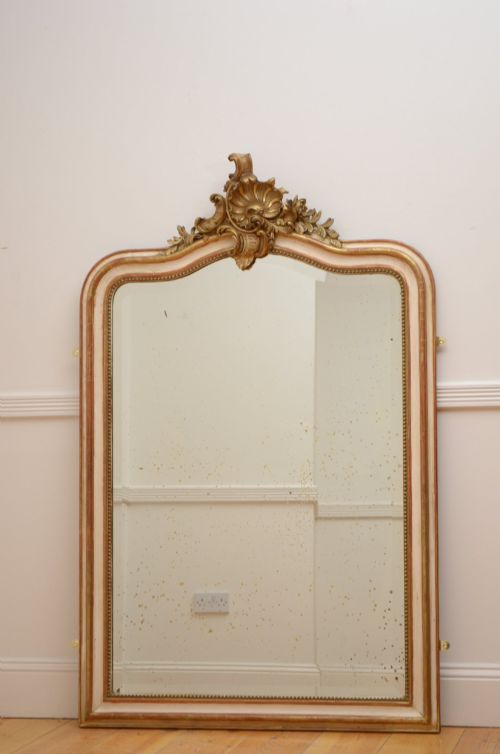
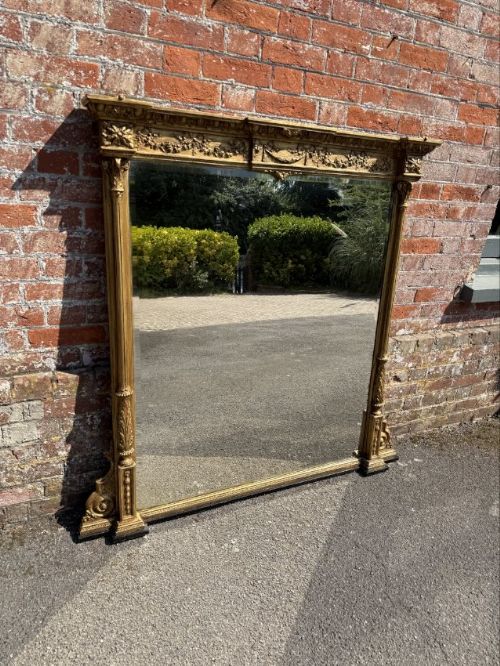
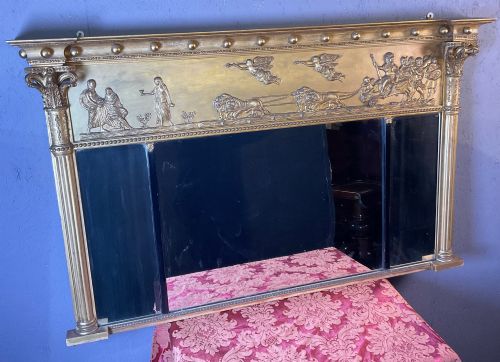
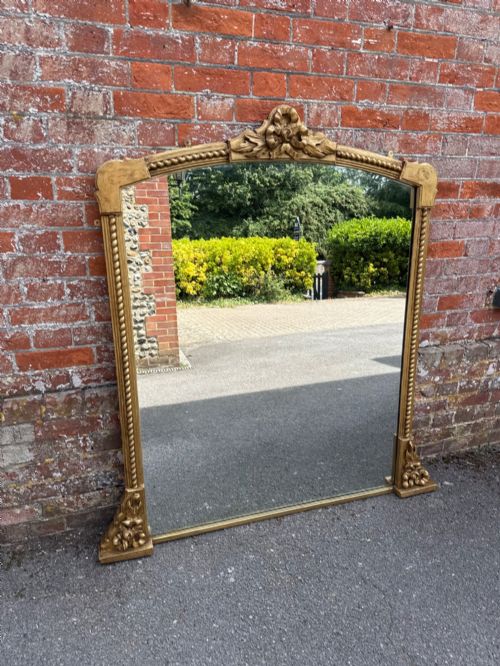
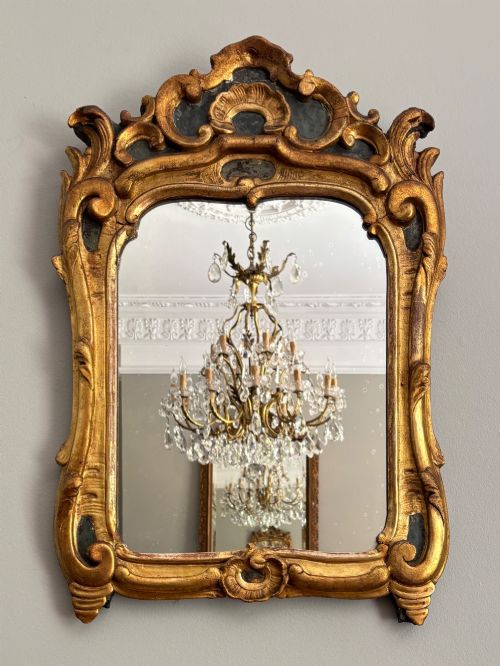
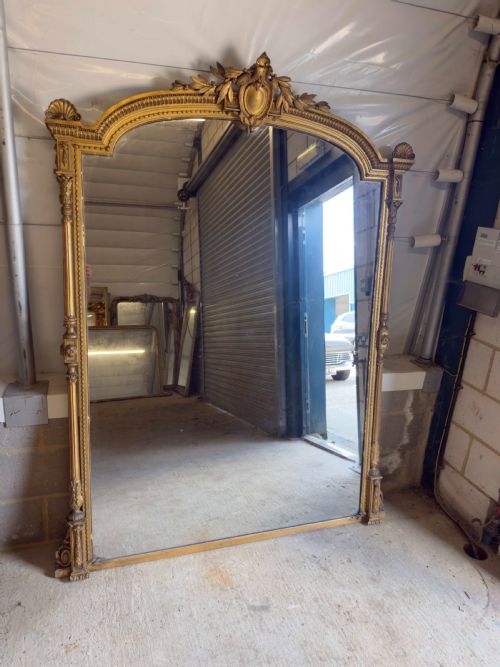
The most common form met on this page is the nineteenth century English overmantel mirror, often featuring an arched top and carved wooden frame. French variants also appear frequently, displaying Rococo or Chateau styles.
Beyond large wall pieces, the selection includes smaller toilet mirrors, table mirrors, and picture frames designed in similar decorative idioms.
How they were made
Craftsmen built a wooden carcass, typically from soft or hardwoods, then applied multiple layers of gesso to build up a smooth surface for carving and moulding. This plaster composition allowed artisans to achieve crisp relief work and ornate detailing.
Gold leaf or giltwood finishes were subsequently applied over the prepared gesso ground, sometimes utilising water gilding techniques to achieve a bright metallic sheen. Mirror glass was then set within the frame, often secured at the rear with original wooden panels.
Listings feature items spanning the eighteenth century through to the early twentieth century, utilising wood, glass, gesso, and gold leaf.
What varies in quality
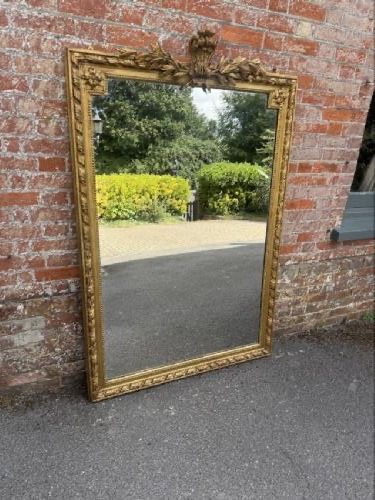
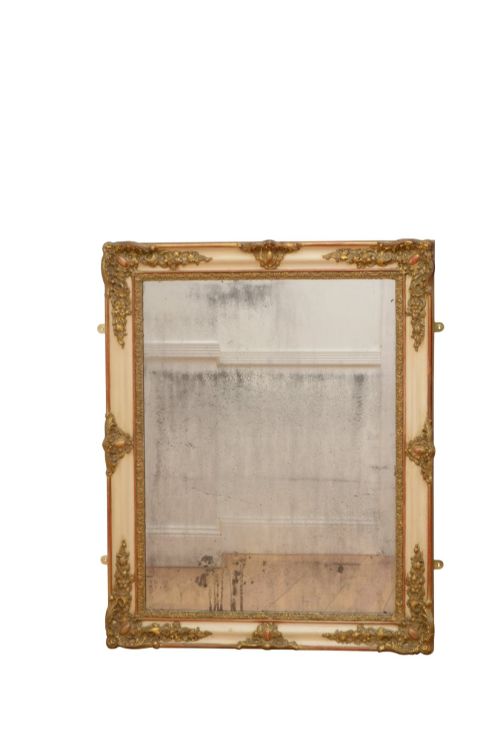
Quality rests in the depth and sharpness of the moulded gesso ornament, where finer examples display crisply defined acanthus leaves, scrolls, and classical motifs without softening of the edges. The integrity of the underlying carved wood construction also dictates durability.
The method and preservation of the gilding separate standard pieces from superior examples, with intact gold leaf showing richer tonal variation than later repaint interventions. Original mirror glass exhibiting natural foxing and silvering adds distinct character compared to replacement plates.
The Gesso Gilded Mirror Glossary
- Gesso
- A plaster mixture applied to wood frames to create a smooth base for carving and gilding. This material hardens into a durable surface capable of holding intricate relief ornament.
- Giltwood
- Timber that has been coated with gold leaf or metal leaf. It forms the structural and decorative body of many traditional mirrors.
- Overmantel mirror
- A large horizontal mirror designed specifically to hang above a fireplace mantelpiece. These pieces often incorporate arched tops and elaborate decorative friezes.
- Rococo
- An ornate design style characterised by asymmetric scrolls, shell motifs, and natural curves. It heavily influences many eighteenth and nineteenth-century mirror frames.
- Pier mirror
- A tall, narrow mirror traditionally hung on the section of wall between two windows. These items often sit above matching console tables.
Gesso Gilded Mirror: Frequently Asked Questions
Where should I hang an overmantel mirror?
These large pieces sit naturally above a fireplace mantelpiece, where their proportions balance the hearth below and reflect light back into the room.
Alternatively, hanging them on a main living room wall creates an expansive sense of space and acts as a primary focal point.
How do I clean a gilt gesso frame?
Dust the ornate surface gently with a soft, dry brush to prevent debris from settling into the intricate recesses of the gesso.
Avoid using liquid cleaners, moisture, or chemical polishes, as these substances can damage the delicate gold leaf and underlying plaster.
Are these mirrors heavy to hang?
Most pieces possess substantial weight due to the solid wood construction, thick gesso layers, and heavy glass plates.
Secure mounting into structural wall studs using appropriate hardware is essential to support the load safely.
How can I tell a nineteenth-century mirror from an eighteenth-century one?
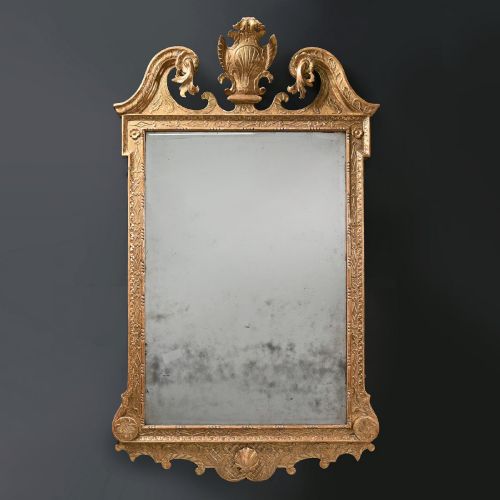
Eighteenth-century examples often exhibit hand-carved wooden details integrated directly into the gesso work, alongside specific period design traits like George II or Louis XV styling.
Nineteenth-century revival pieces tend to utilise moulded composition ornament applied to standard timber frames, reflecting Victorian manufacturing methods.