
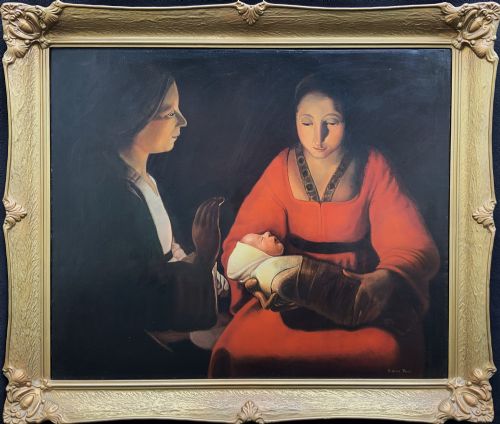

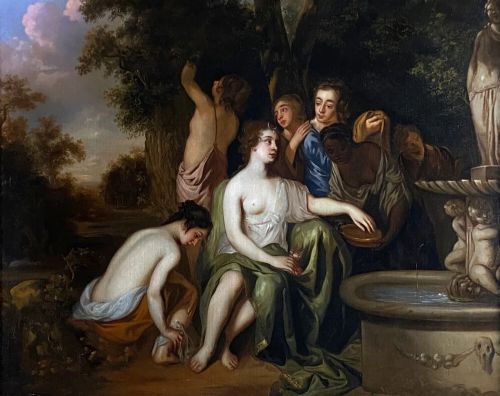


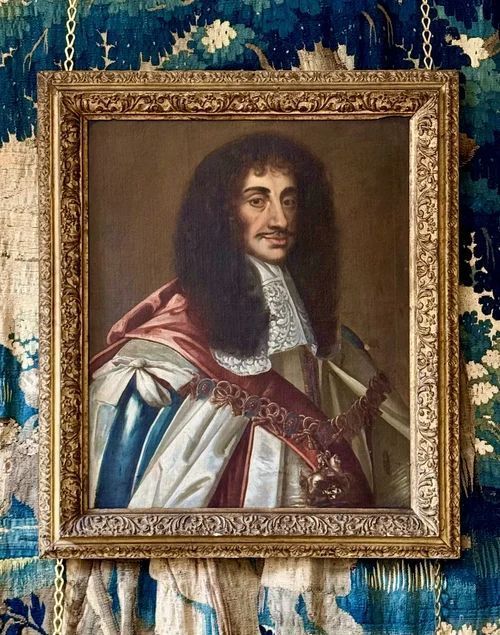
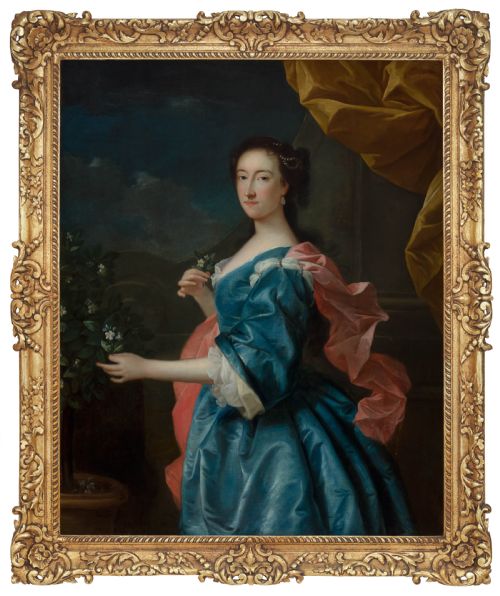
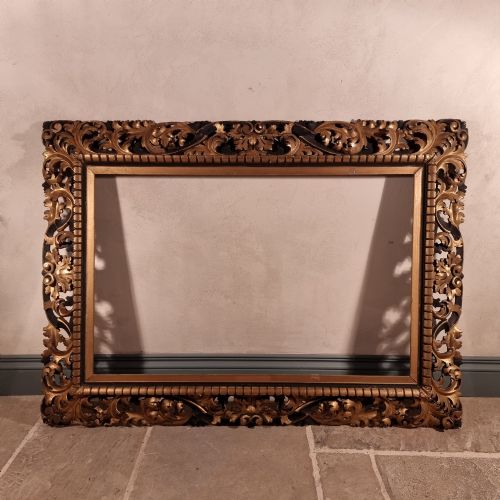
Baroque Style Frame
When you search for a baroque style frame, you encounter ornate surrounds for oil paintings and wall mirrors that bring seventeenth-century drama to any interior.
Baroque Style Frame
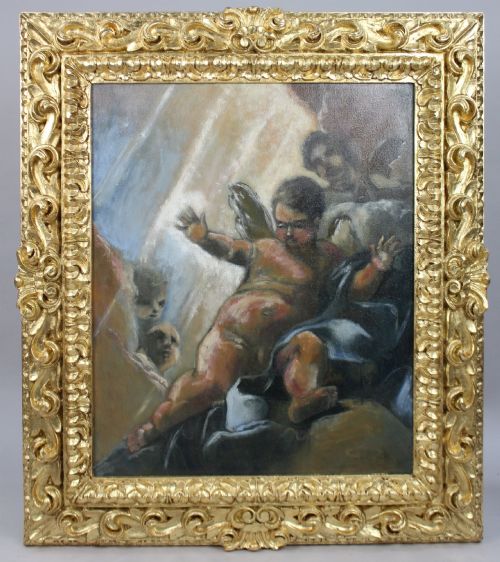
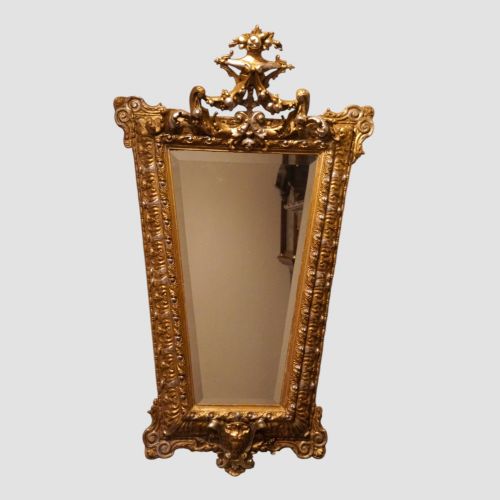
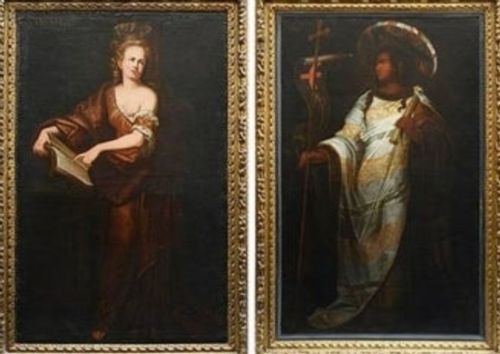
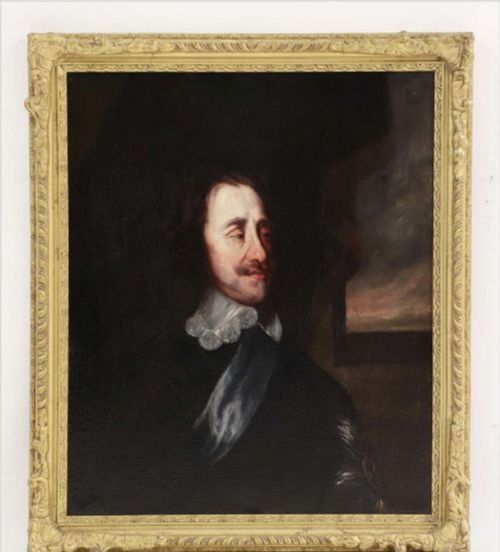
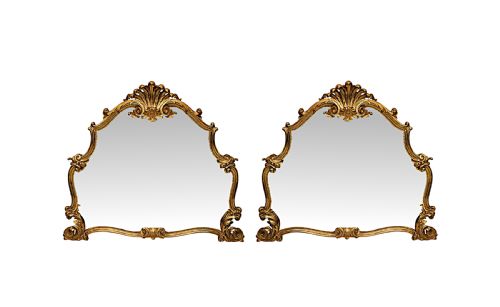
When you search for a baroque style frame, you are looking at elaborate surrounds primarily designed to house oil paintings and wall mirrors, taking forms such as large picture frames, cushion mirrors, and overmantel mirrors.
The versions you are most likely to meet on this page span from authentic seventeenth-century examples to nineteenth-century revivals and later twentieth-century interpretations.
These pieces originate from various European traditions, including Italian Florentine workshops, Dutch schools, and English or Anglo-Flemish circles, reflecting the grand aesthetic of the period.
Materials and construction
Makers constructed these surrounds using sturdy timber bases, predominantly carved wood or plain wood foundations, which were then prepared for surface decoration.
Artisans applied layers of gesso to the wooden base to create a smooth, sculptural ground capable of holding deep, intricate relief carvings.
The finished surfaces were then enriched with gold leaf, silver-gilt, or standard gilt finishes to achieve the characteristic reflective brilliance.
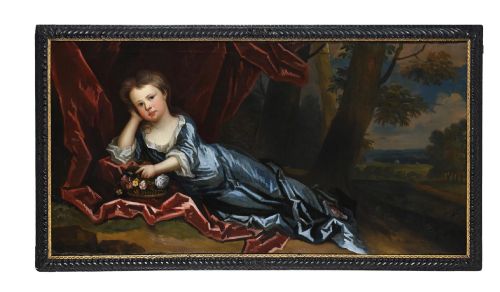
Some seventeenth-century portraits peer out from their gilt surrounds accompanied by unexpected companions, including orange trees and faithful hounds.
Assessing quality
The depth and dexterity of the carving separate standard mouldings from superior examples, with hand-carved Florentine cushion frames showing intricate botanical and scroll motifs rather than shallow press-moulded decoration.
The application of the metal leaf dictates the richness of the visual texture, where traditional water-gilding over gesso creates a warmer, burnished light compared to flat modern metallic paints.
The integrity of the underlying wooden structure and the preservation of the original gilt or ebonised surfaces determine the overall presence and historical fidelity of the piece.
Georges de La Tour·Sir Anthony van Dyck·Sir Peter Lely·John Hayls·Jeremiah Davison·Charles D'Agar·Bartholomeus van der Helst·Trajan Hughes·Pieter Borseler·Sir William III·Joseph Vivienne·Cornelius Johnson·Nicolaes Maes·Frans Hals·Godfried Schalcken·David Teniers·Simon Pietersz Verelst
The Baroque Style Frame Glossary
- Gesso
- A plaster-like mixture applied to wood frames to provide a smooth base for gilding and deep carving. It allows craftsmen to model intricate three-dimensional relief details before applying gold leaf.
- Giltwood
- Timber that has been coated with a thin layer of gold leaf or gold paint. This technique gives the frame its characteristic luminous appearance.
- Cushion mirror
- A mirror featuring a broad, rounded frame profile that swells outwards towards the edge. This form creates a dramatic, pillowed surface often embellished with tortoiseshell or heavy carving.
- Overmantel
- A large mirror or painting designed specifically to be hung above a fireplace mantel. These pieces are typically proportioned for grand architectural settings.
- Ebonised
- Wood treated with a chemical stain or finish to imitate ebony. This dark, polished surface contrasts sharply with gilded details.
Baroque Style Frame: Frequently Asked Questions
How were these frames used?
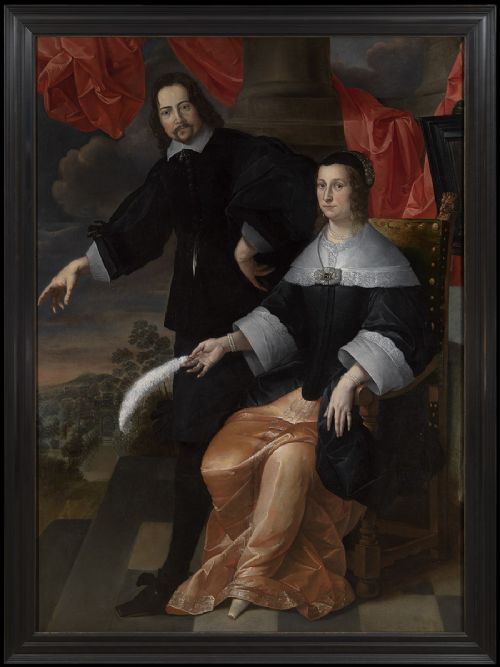
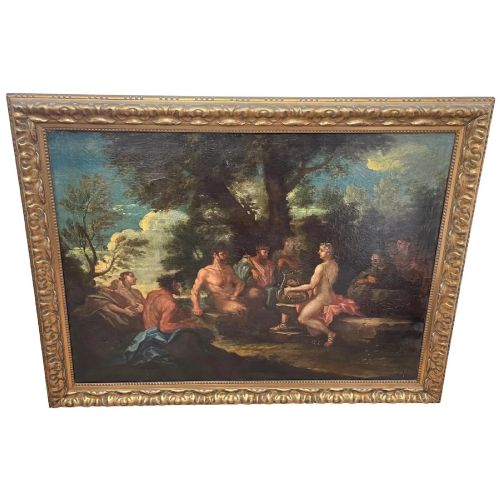
These frames were historically commissioned to display important portrait paintings, mythological scenes, and large wall mirrors in stately homes and noble residences.
They served to elevate the status of the artwork contained within, functioning as architectural statements on drawing room and gallery walls.
How do I live with one?
Living with a carved timber or gilt frame involves mounting it securely to a wall capable of supporting heavy wood and glass, often as the focal point above a mantelpiece.
They pair effectively with both period oil paintings and contemporary mirrors, bringing texture and reflective warmth to plain interior walls.
How do I tell periods apart?
Seventeenth-century originals exhibit the tool marks and material wear consistent with age, alongside specific carving styles tied to Dutch, Italian, or Flemish workshops.
Nineteenth-century revival pieces often feature heavier composition ornament or machine tooling, while retaining the overarching baroque silhouette.