


Gilded Leaf Frame
When you search for a gilded leaf frame, you are looking at mirrors and artwork edged in gold leaf, ready to anchor a room.
Gilded Leaf Frame
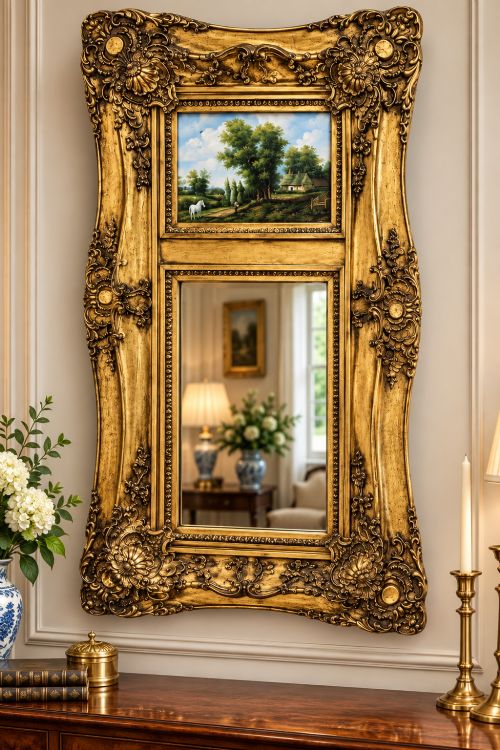
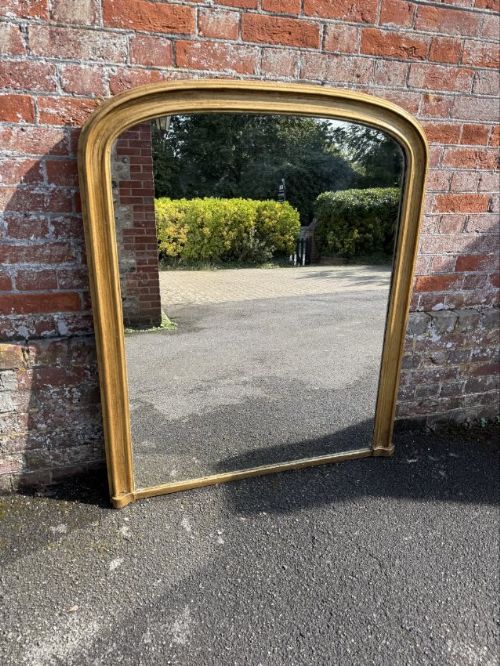
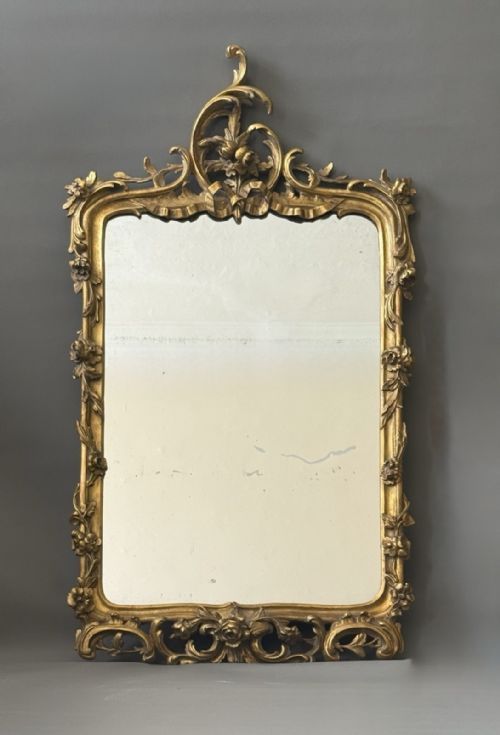
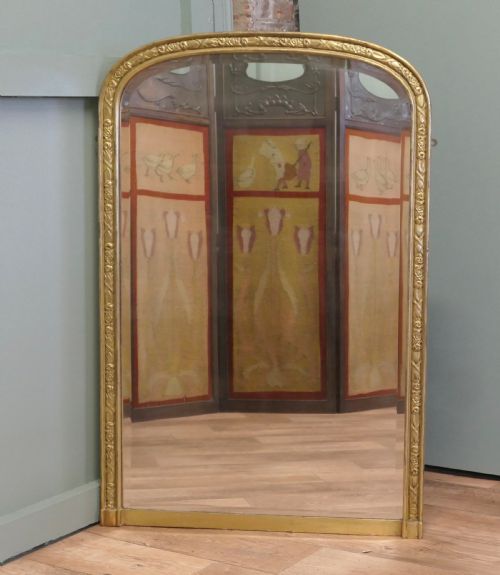
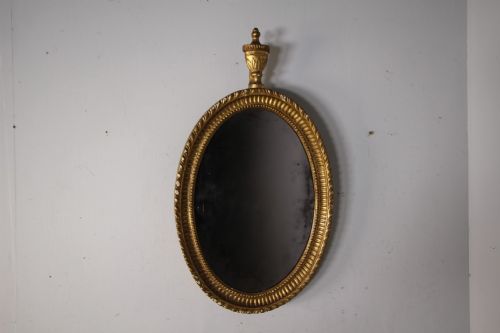
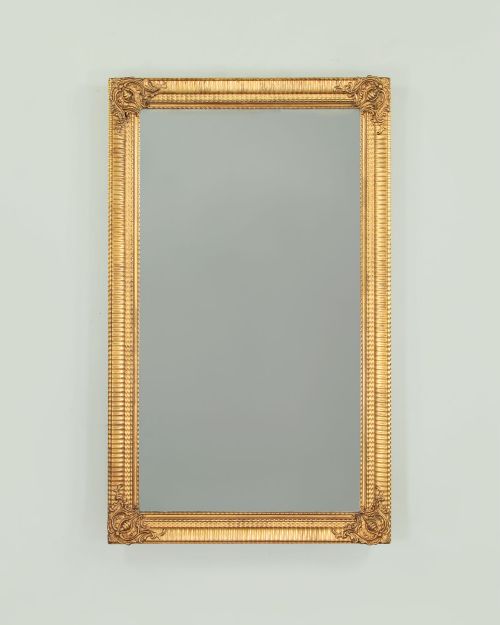
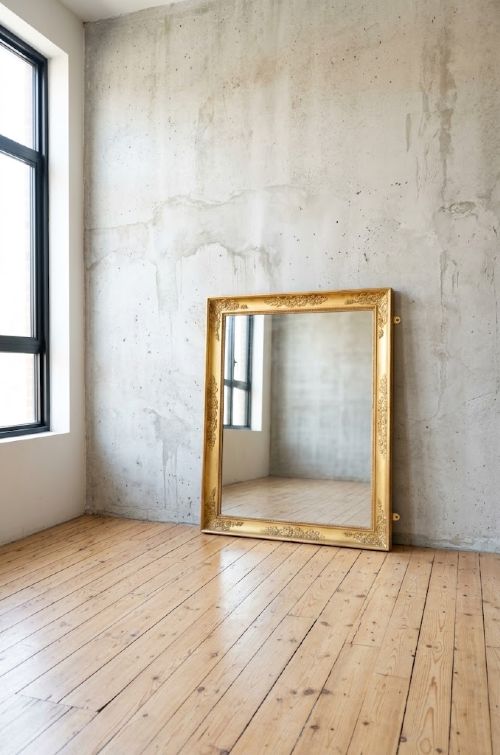
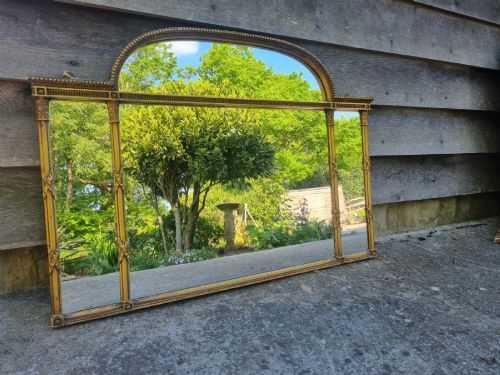
A gilded leaf frame brings a reflective or painted surface bound in gold leaf into a room, often taking the form of an overmantel mirror, wall mirror, or oil painting. These pieces range across the 18th century, 19th century, Victorian, and Regency periods, originating from English and French workshops.
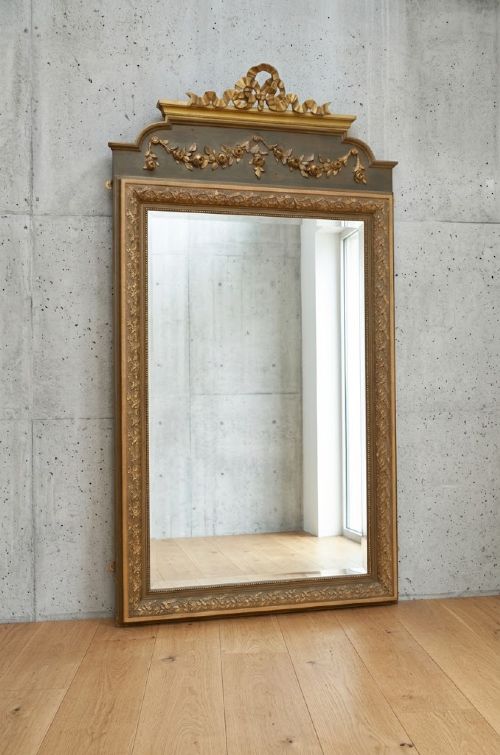
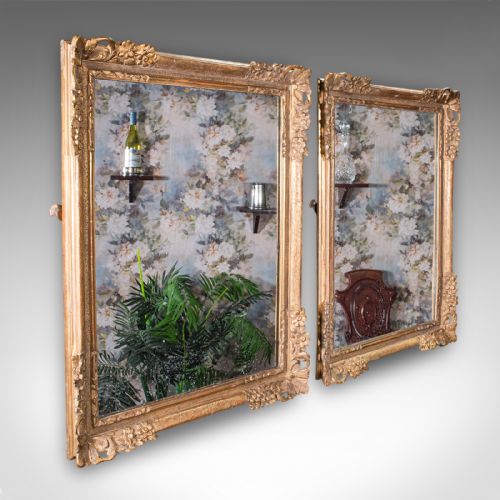
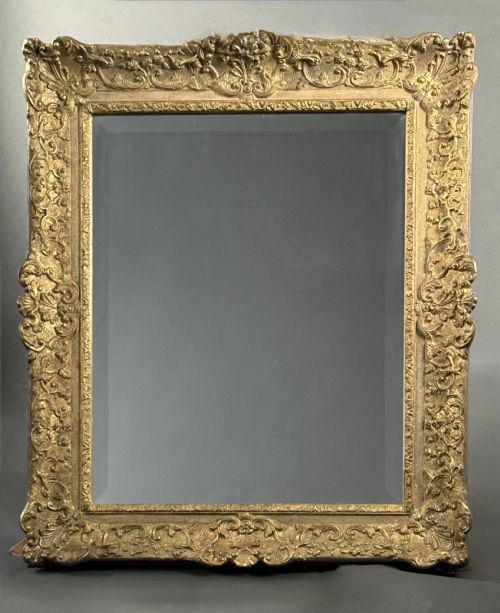
The version most commonly met on this page is the large 19th-century giltwood or gesso wall mirror, frequently featuring carved wood details such as acanthus leaves, rope twists, or ribbon crests. Such mirrors often retain antique plates, including foxed mercury glass, or bevelled mirror glass.
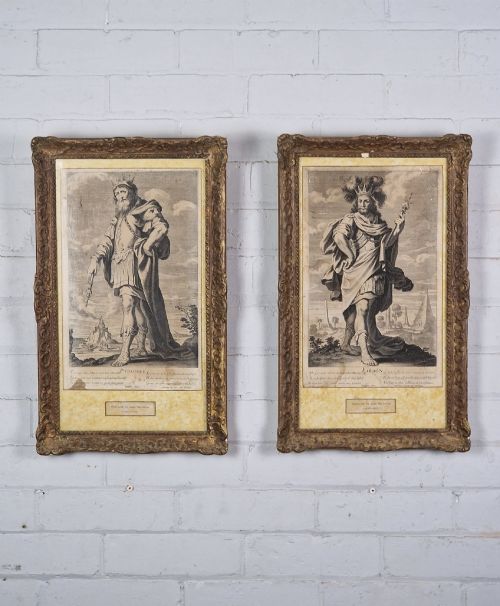
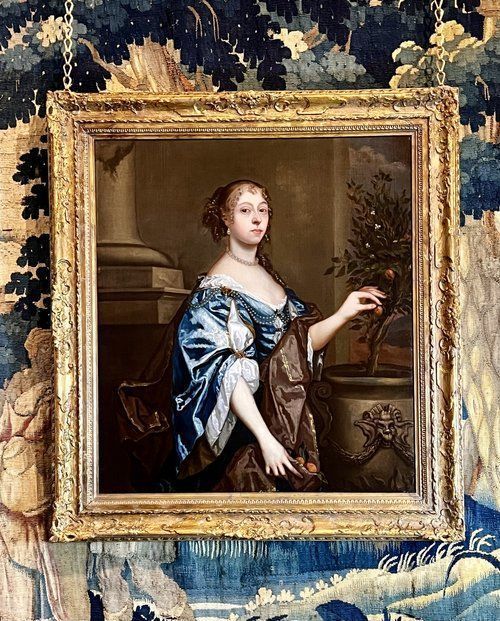
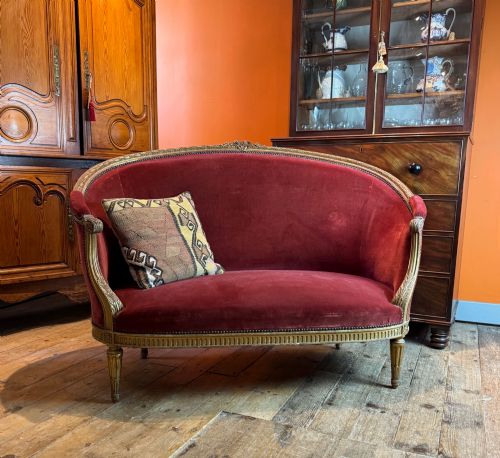
Beyond mirrors, the selection includes framed oil paintings on panel or canvas, engravings, and decorative furniture elements like parcel gilt sofas or carved panels. These objects merge functional reflection or pictorial art with ornate decorative housing.
How they were made
Makers shaped these frames from timber or wood bases, frequently applying layers of gesso to build up intricate relief patterns and smooth surfaces before gilding. Carvers worked directly into the wood or gesso to form architectural columns, arched tops, and floral or mythological motifs.
Layers of gold leaf were then applied over the prepared ground, often using traditional water gilding or oil gilding techniques to achieve a bright or burnished metallic finish. Artisans also utilised parcel gilding on walnut or timber substrates to highlight specific carved details while exposing the natural grain beneath.
One 19th-century mirror frame proudly incorporates Masonic symbols for those who like their reflection with a secret handshake.
What varies in quality
Depth and crispness of the carving distinguish pieces across the range, with deep, hand-carved acanthus leaves, floral scrolls, and rope twists showing superior artisanal skill over shallow or moulded decoration. The complexity of the frame construction, such as large overmantel mirrors with crested tops or column frames, also indicates higher ambition.
The integrity of the surface finish and the glass plate further separate examples, where original mercury glass plates with natural foxing or clear bevelled glass retain greater historical authenticity. Smooth application of gold leaf over well-preserved gesso grounds maintains the visual depth intended by the original maker.
Joseph Clover RA·Jean Mariette·Pieter Borsseler·Frederick Morgans
The Gilded Leaf Frame Glossary
- Giltwood
- Wood that has been coated with gold leaf or gold paint. This material forms the primary structure of many antique mirrors and picture frames.
- Gesso
- A plaster-like mixture applied to wood frames to create a smooth surface for carving and gilding. It allows artisans to shape intricate relief details before applying gold leaf.
- Overmantel mirror
- A large mirror designed to hang above a fireplace mantel. These pieces frequently dominate a wall with architectural framing and ornate crests.
- Foxed glass
- Mirror glass that exhibits dark spots and degradation due to age and the oxidation of the backing. This characteristic appears on antique mercury glass plates.
- Parcel gilt
- A finishing technique where only specific parts of an object are gilded while the rest reveals the underlying wood. This method highlights particular carved motifs.
Gilded Leaf Frame: Frequently Asked Questions
How do I hang a heavy overmantel mirror?
Heavy overmantel mirrors require secure anchoring directly into wall studs using heavy-duty brackets and fixings suited to the weight of the timber and glass.
Professional installation is often recommended to distribute the load safely across the wall structure.
What periods do these frames come from?
The listings span the 18th century, Regency period, 19th century, and Victorian era, alongside specific French styles like Louis Philippe and Rococo Revival.
Each period brings distinct carving styles, from neoclassical symmetry to ornate Victorian floral motifs.
Are the mirror plates original?
Many pieces retain their original glass plates, which often display historical characteristics such as foxed mercury glass or hand-bevelled edges.
Descriptions specify whether a piece includes an antique plate or has been reglazed.