

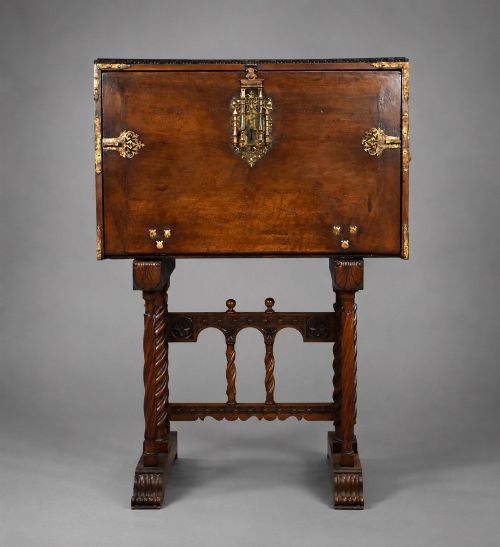

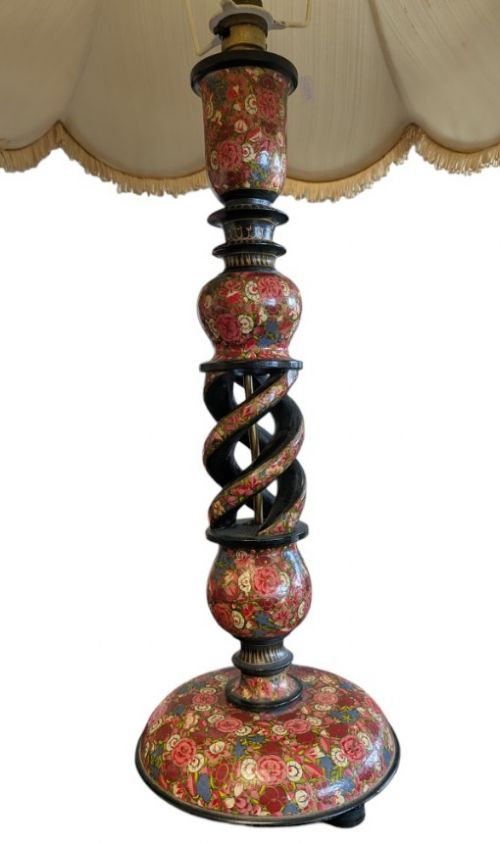
Barley Twist Desk
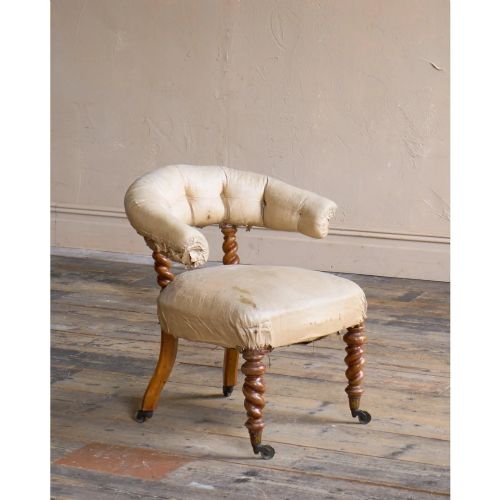
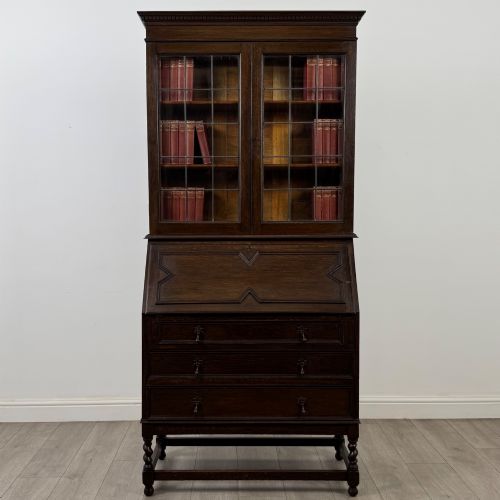
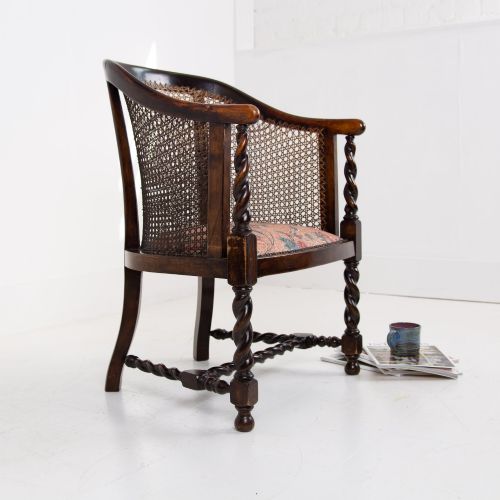
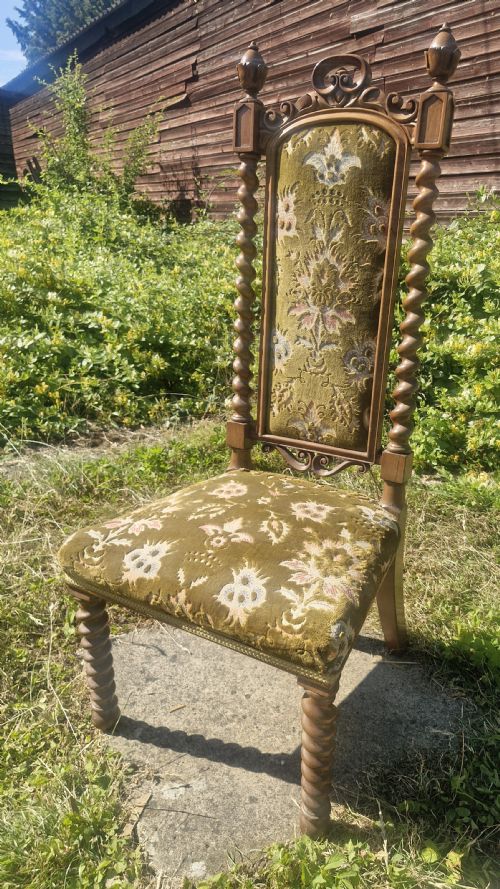
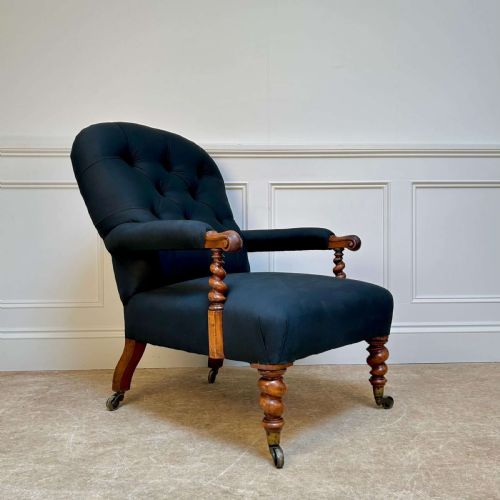
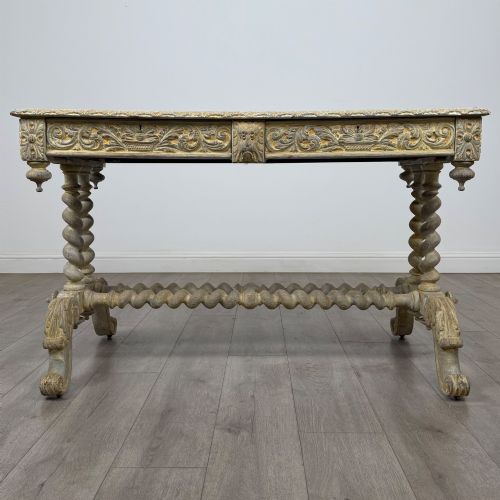
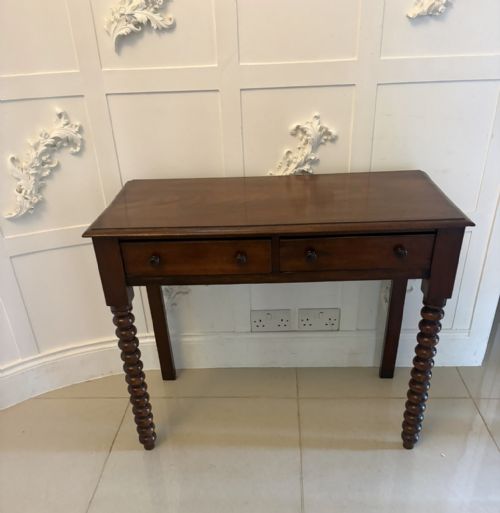
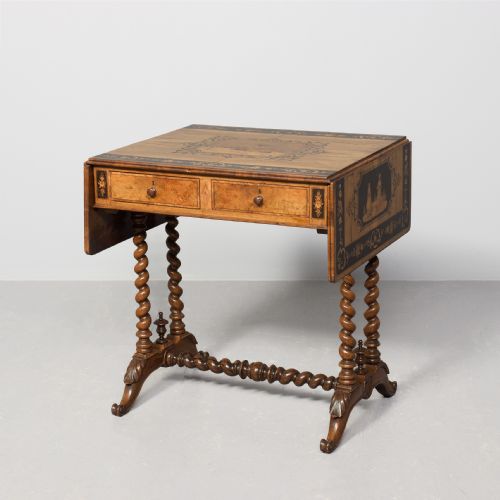
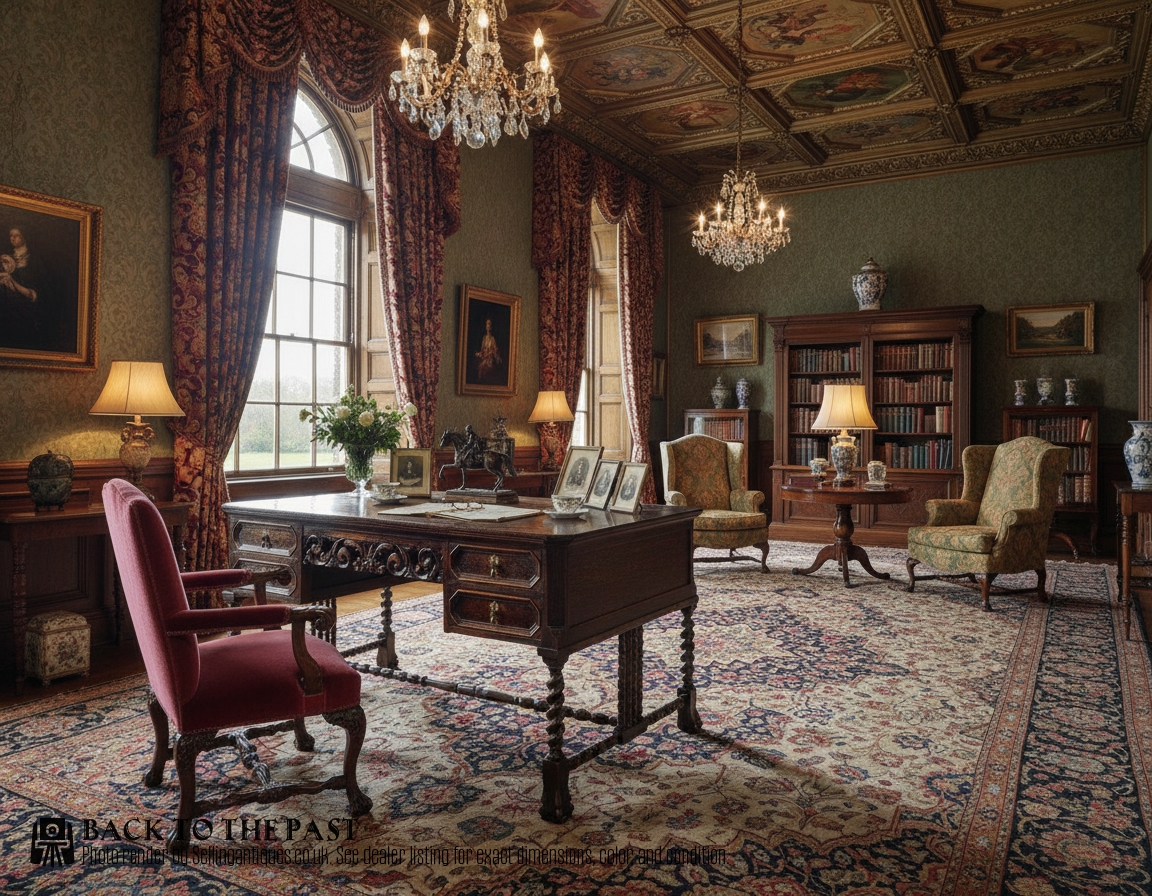
When you search for a barley twist desk, you are looking at solid timber writing tables shaped with signature helical turned legs.
Barley Twist Desk
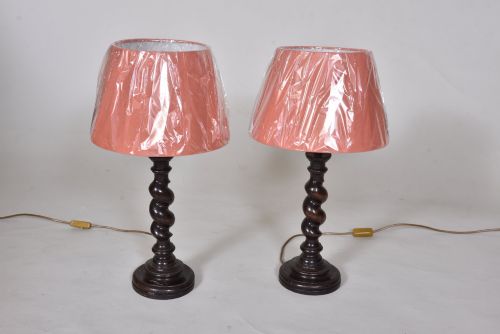
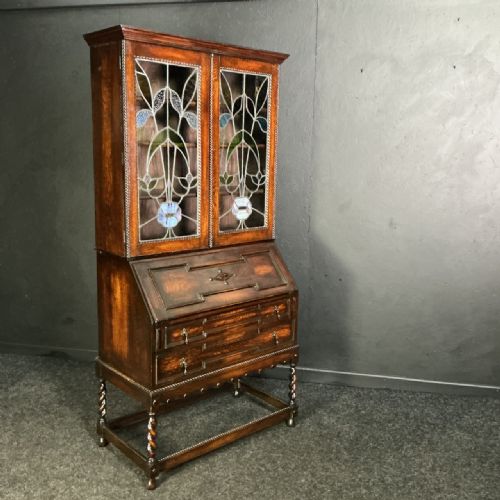
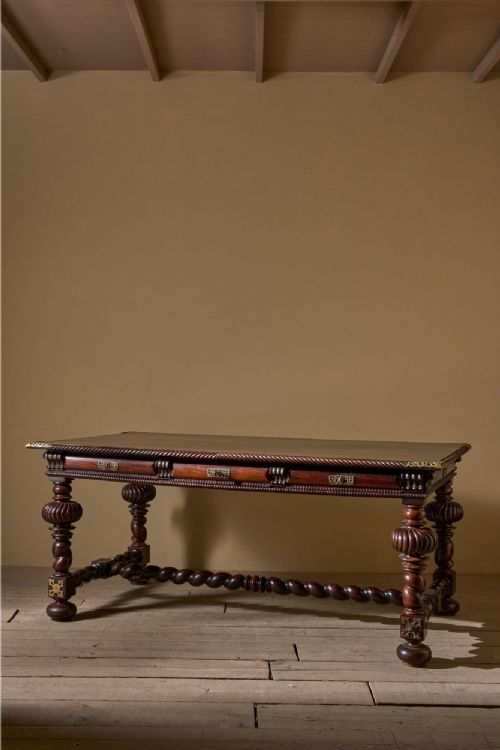
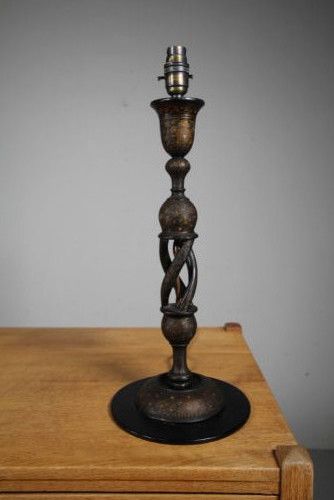
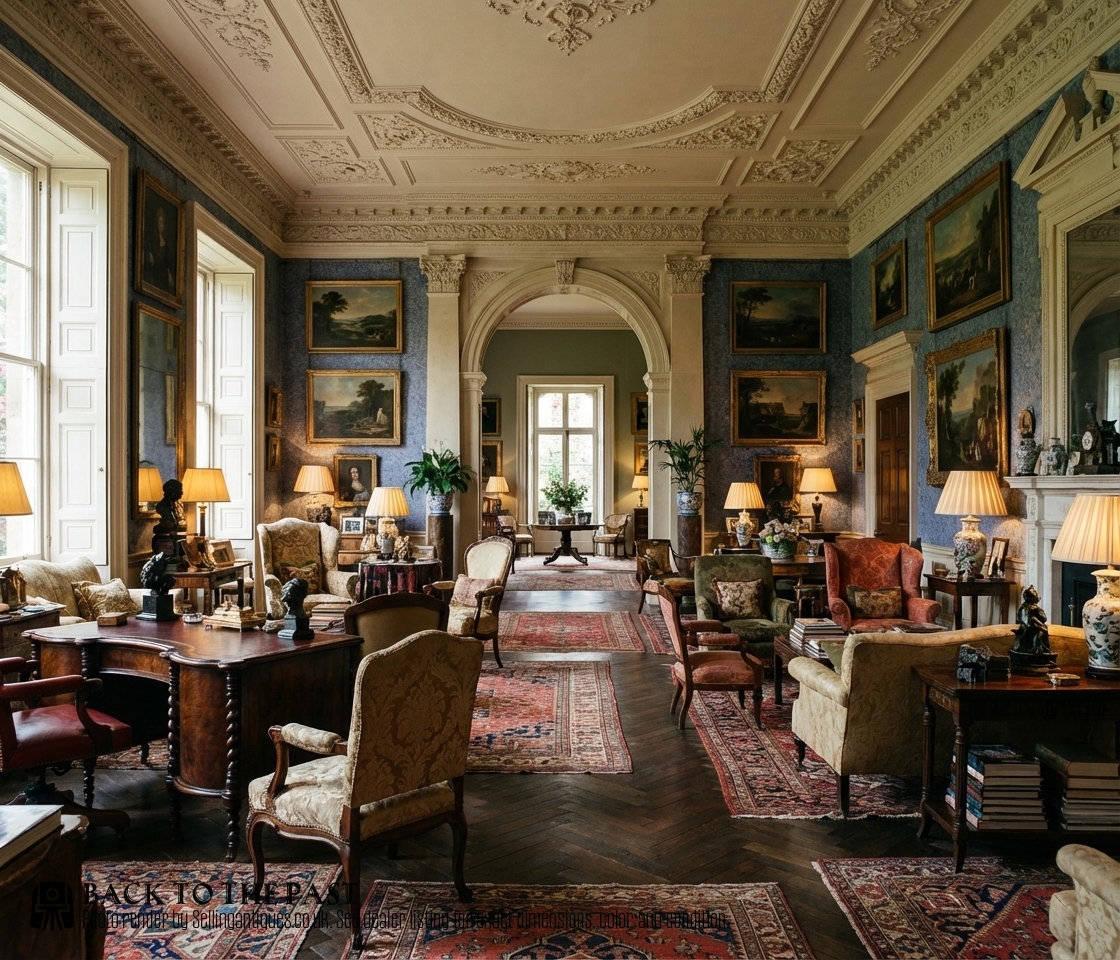
A barley twist desk brings tactile, turned wooden supports to a traditional writing surface, whether set upon a compact writing table or a larger library model. Buyers seeking a barley twist desk often find robust oak or rich walnut examples originating from the Victorian and Edwardian eras, alongside revivals inspired by earlier centuries.
The form ranges from simple two-drawer writing tables to architectural kneehole desks fitted with leather writing inserts. These pieces combine practical workspace with the distinctive rhythmic carving of the legs, establishing a strong presence in a study or library.
Materials and construction
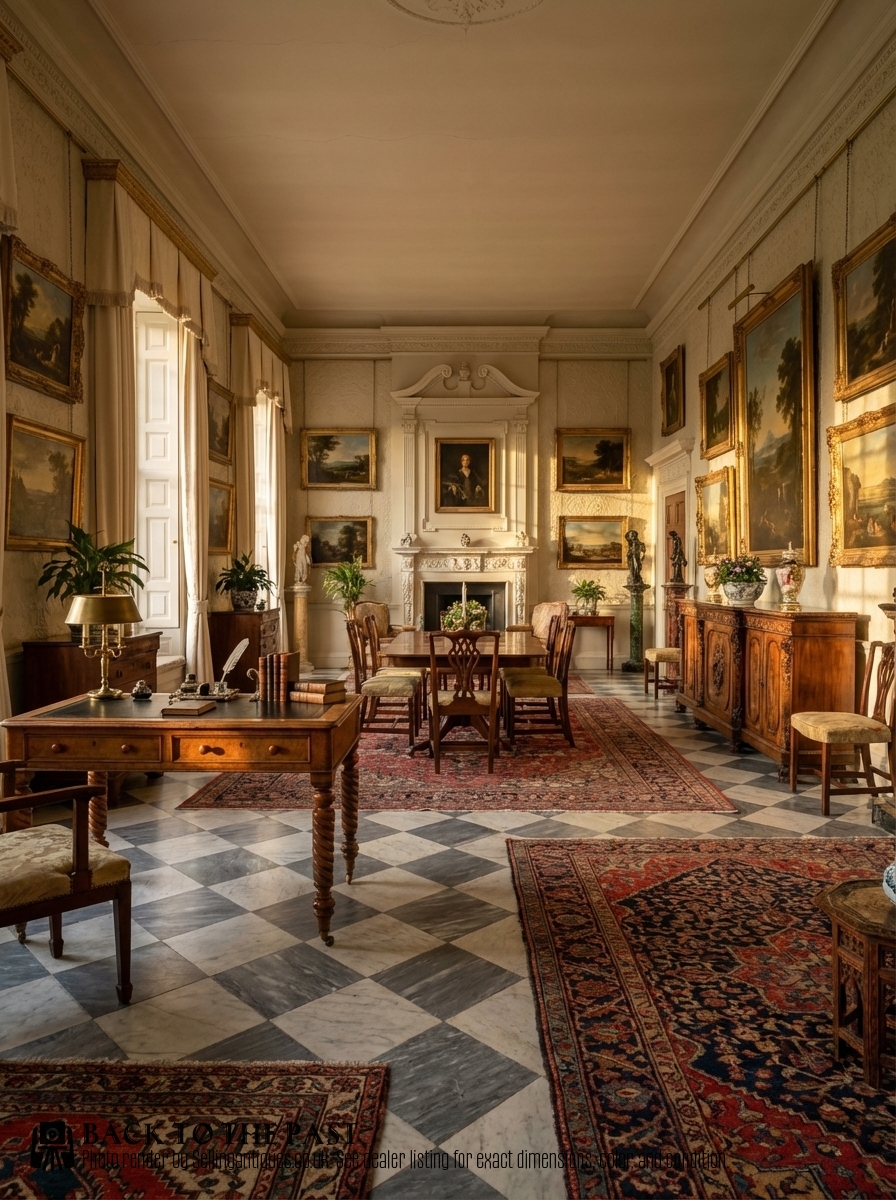
Craftsmen built these desks primarily using native and imported hardwoods like oak, walnut, and mahogany, shaping the distinctive helical legs on a lathe or by hand carving. The turning technique requires precise removal of wood to create a uniform, spiralling rope effect along the vertical supports.
Surfaces often feature inset leather panels, moulded drawer edges, and traditional joinery such as dovetails for the internal compartments. Secondary timbers line the drawers, while brass handles and escutcheons secure the fittings.
Barley Twist Desk Retail Price Guide 2026
Typical asking prices for barley twist desk among the pieces listed under this phrase on Sellingantiques today, from the lower quarter to the upper quarter. They describe what is for sale here now, not the wider market.
Some desks hide stationery compartments behind falling fronts, ready for Victorian correspondence.
Distinctions in quality
Quality rests upon the crispness of the timber turning and the depth of the carving on the legs and frieze. Superior examples display tight, symmetrical spirals carved directly from solid timber rather than applied mouldings.
The selection of the primary wood grain and the integrity of the structural joints dictate the durability of the desk. Desks retaining original brass hardware, fitted interiors, and well-preserved leather writing surfaces command greater regard.
C. Hindley & Sons
The Barley Twist Desk Glossary
- Barley twist
- A helical turned wooden column resembling the shape of a twisted rope or barley sugar. This decorative turning style appears frequently on table legs and desk supports.
- Kneehole desk
- A writing desk featuring a central recess for the legs, flanked by pedestals of drawers on either side. This form provides substantial storage beneath the writing surface.
- Writing table
- A freestanding desk designed primarily for correspondence, typically featuring one or more drawers beneath a flat top. They often stand on four legs rather than pedestals.
- Dovetail
- A traditional interlocking joint used to construct drawer boxes securely. Fine, tight pins and tails indicate careful cabinetmaking.
- Escutcheon
- A protective metal plate surrounding a keyhole. They are commonly made of brass and match the drawer pulls.
Barley Twist Desk: Frequently Asked Questions
What is a barley twist desk?
A barley twist desk is a traditional writing table defined by legs or supports carved into a spiralling, rope-like helical shape. These desks utilise solid timbers such as oak or walnut to support the working surface.
They appear across various periods, combining practical drawer storage with distinct decorative turning that originated in seventeenth-century furniture design.
How do I date an oak desk?
Dating an oak desk involves examining the construction methods used in the drawers, such as hand-cut dovetails, alongside the timber grain and style of the carving. Revival pieces from the early twentieth century often interpret seventeenth-century forms using machine-assisted joinery.
Hardware styles, secondary woods, and wear patterns on the feet and pulls also help distinguish Victorian and Edwardian interpretations from earlier originals.
Are these desks suitable for daily use?
These desks offer sturdy writing surfaces and practical drawer configurations suited to modern study or office environments. Solid hardwood construction provides the durability required for everyday writing and computer work.
Preserving the leather writing surface and maintaining the wood with appropriate wax keeps the timber protected against daily wear.
How do I care for antique wood?
Antique wood surfaces benefit from application of natural beeswax to nourish the timber and maintain a soft lustre. Avoiding direct sunlight and stable room humidity prevents the solid wood from drying and splitting.
Leather writing inserts require gentle cleaning with specialised conditioners to keep the hide supple without damaging the surrounding woodwork.