

Astragal Glazed Vitrine
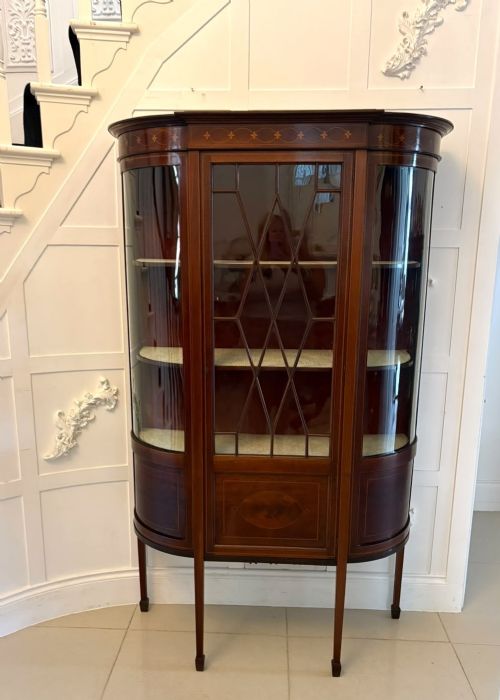
An astragal glazed vitrine brings together fine timber frames and delicate glass panes to display treasured objects.
Astragal Glazed Vitrine
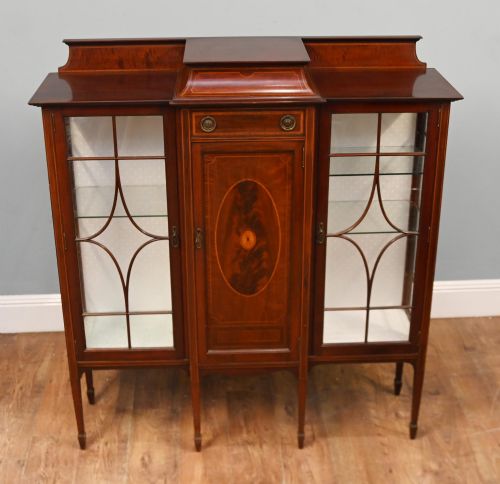
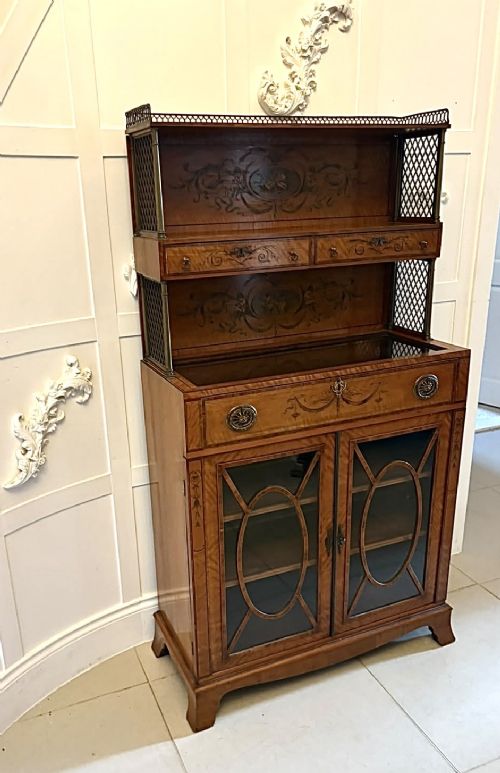
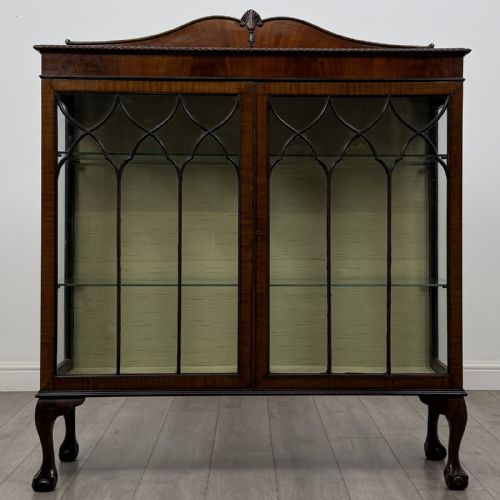
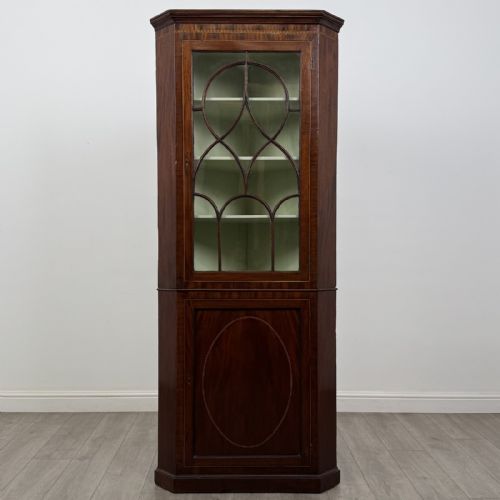
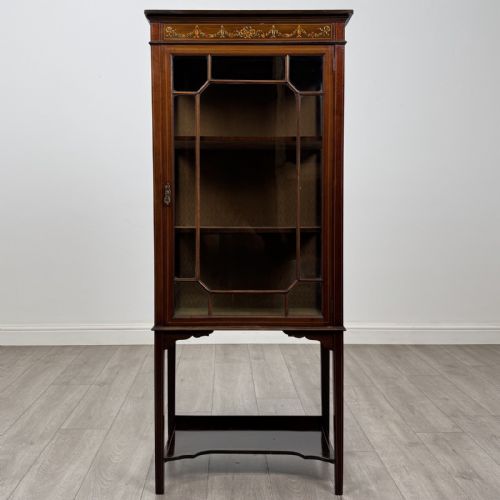
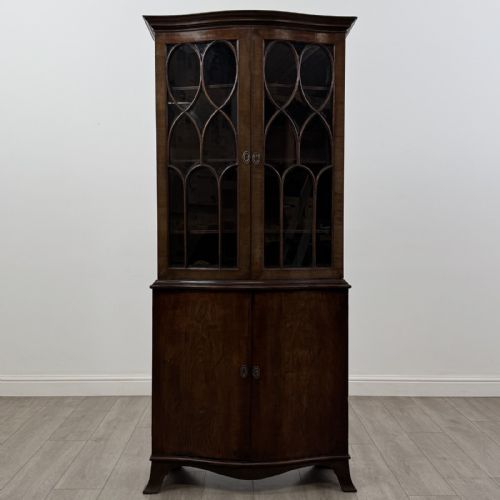
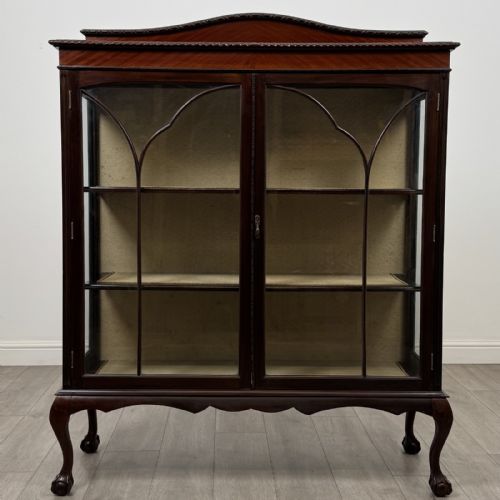
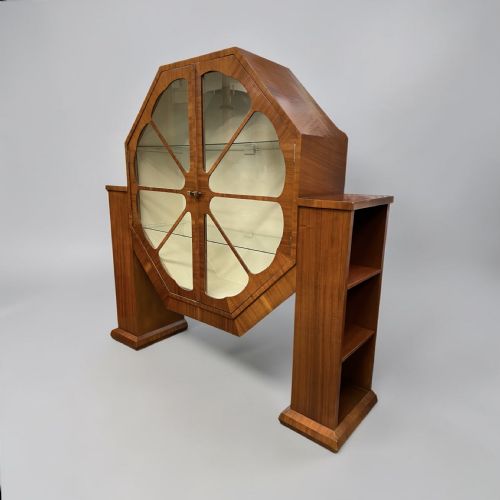
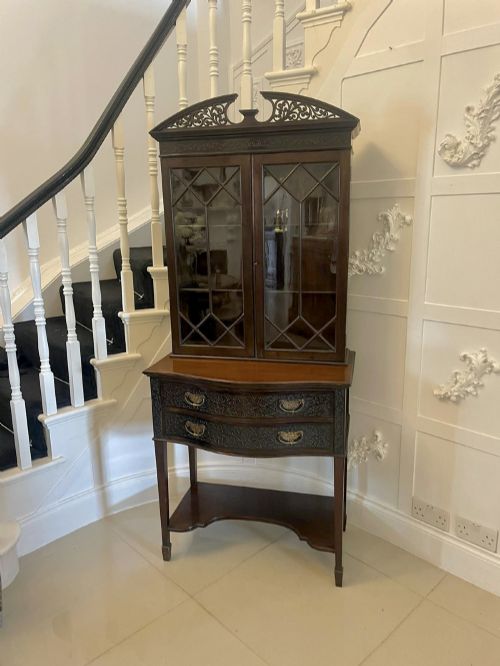
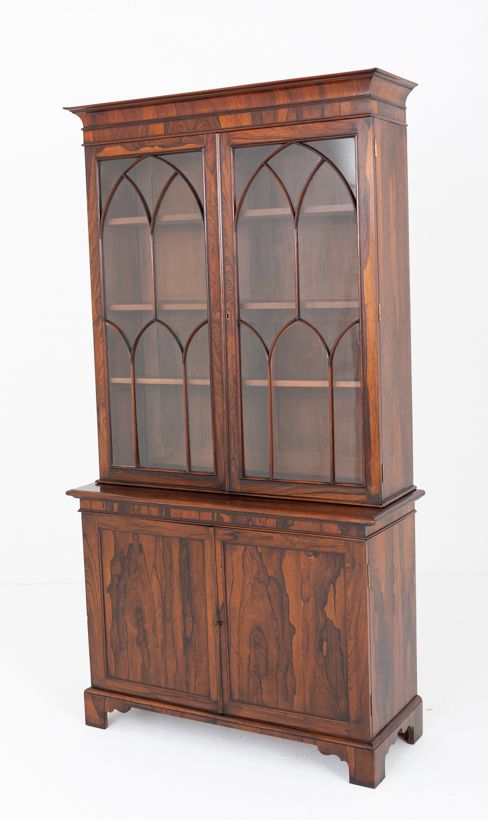
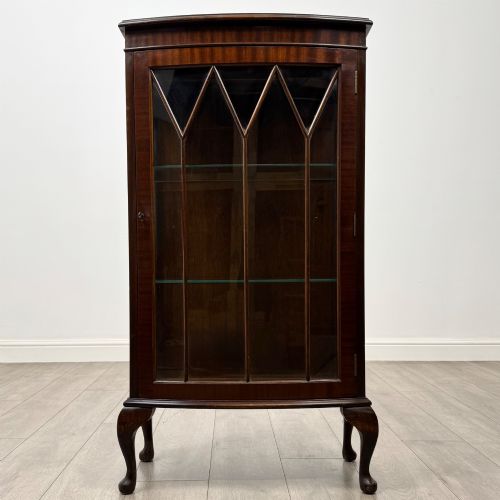
When you search for an astragal glazed vitrine, you encounter tall display cabinets, corner units, and bookcase combinations designed to showcase china and books. These pieces originate from periods spanning the Georgian era through to the Edwardian and Art Deco decades.
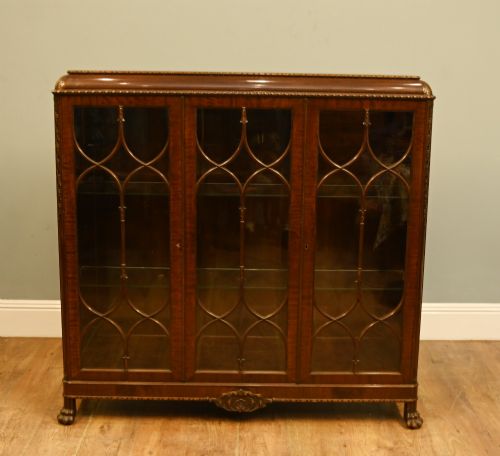
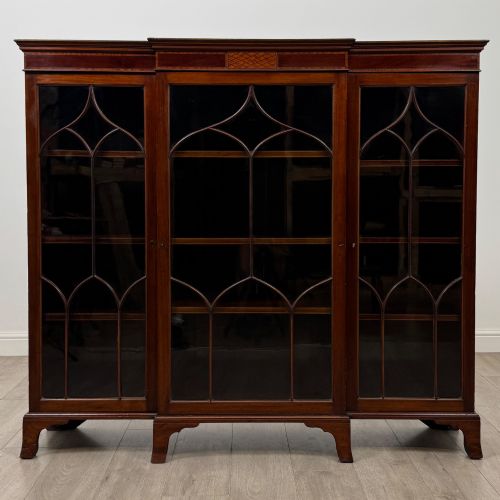
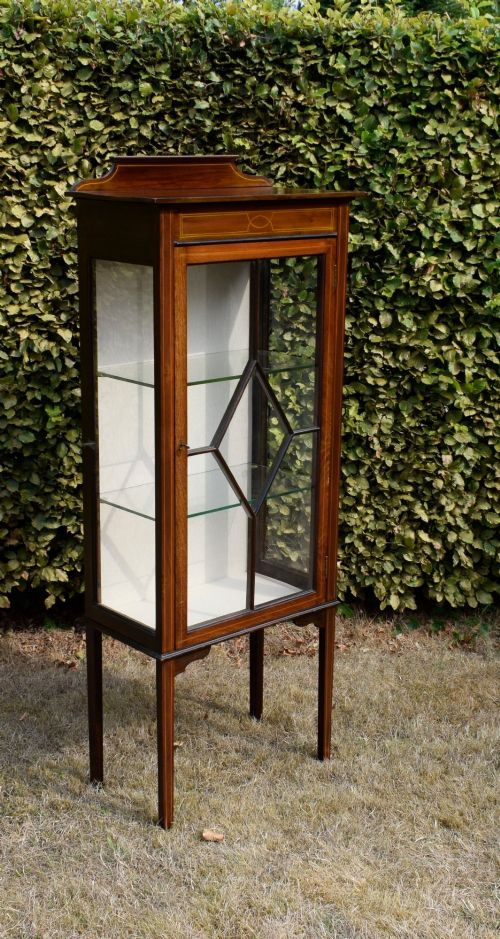
The Edwardian examples and Sheraton Revival pieces dominate this selection, frequently featuring inlaid mahogany woodwork and slender proportions. Buyers also find substantial Victorian breakfront bookcases alongside compact corner cabinets adapted for smaller rooms.
Makers recorded in these listings include Jas Shoolbred and Maple & Co., representing standard cabinet-making traditions of their respective times. The primary forms function equally well as standalone display furniture or library storage.
Materials and construction methods
Makers constructed these cabinets predominantly using solid and veneered mahogany, supplemented by walnut, oak, and rosewood. Satinwood inlay provides decorative contrast on Edwardian and Sheraton Revival surfaces.
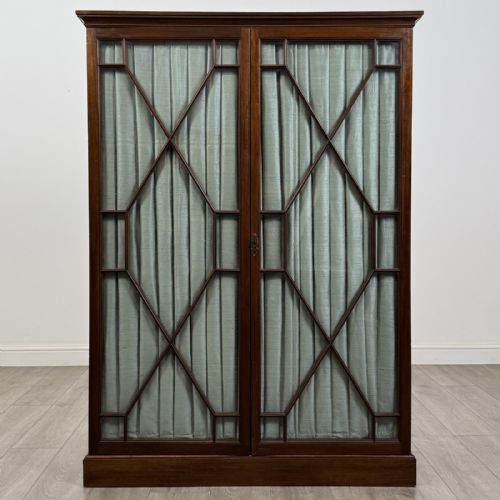
The characteristic glazing bars, known as astragals, divide the glass panes into geometric or Gothic patterns while supporting the window weight. Brass fittings secure the doors, and fabric linings occasionally back the interior shelving.
Astragal Glazed Vitrine Retail Price Guide 2026
Typical asking prices for astragal glazed vitrine among the pieces listed under this phrase on Sellingantiques today, from the lower quarter to the upper quarter. They describe what is for sale here now, not the wider market.
Several Edwardian cabinets include hidden pull-out slides originally intended for serving tea near the display.
Distinctions in craftsmanship
The finesse of the timber selection and the precision of the inlay determine the standing of each piece. Superior examples exhibit tightly figured mahogany grain and meticulous hand-cut astragal bars that meet with absolute accuracy.
Carved ornamentation and well-executed revival styling separate standard utility furniture from pieces commissioned for formal drawing rooms. The structural integrity of the glazed doors and the crispness of any applied satinwood details reveal the original maker's skill.
Jas Shoolbred·Maple and Co
The Astragal Glazed Vitrine Glossary
- Astragal
- A moulding profile used to divide glass panes within a window or cabinet door. These bars form the characteristic lattice work on vitrines.
- Vitrine
- A glass-fronted cabinet or display case designed for exhibiting porcelain, curiosities, or books. Such pieces emerged in various revival styles during the nineteenth and twentieth centuries.
- Breakfront
- A cabinet design where the central section projects forward from the flanking wings. This architectural arrangement creates depth and visual interest in large bookcases.
- Bijouterie
- A small display table or cabinet featuring a glazed top and sides for small ornaments and jewellery. Edwardian makers adapted this form for drawing room display.
- Satinwood
- A pale, lustrous timber utilised extensively for stringing, banding, and marquetry inlay on late Victorian and Edwardian furniture.
Astragal Glazed Vitrine: Frequently Asked Questions
What is an astragal glazed vitrine?
An astragal glazed vitrine is a display cabinet featuring glass doors divided by wooden moulding bars. These pieces serve to exhibit books, ceramics, and decorative objects while protecting them from dust.
Most examples found in current selections date from the Victorian and Edwardian periods, utilising mahogany and satinwood in various revival styles.
How do I date an antique display cabinet?
Dating relies upon timber selection, construction methods, and stylistic cues such as inlay patterns or revival motifs. Georgian pieces display simpler, heavier proportions, whereas Edwardian items frequently incorporate delicate satinwood stringing.
Makers' stamps or labels located inside drawers or on the backboards provide definitive origin details when present.
Where should I place a corner cabinet?
Corner cabinets utilise underused room junctions, making them practical for smaller interiors or dining spaces. Floor-standing models anchor a room corner while providing vertical display height.
They pair effectively with other mahogany furniture from matching design traditions.
How do I care for inlaid mahogany furniture?
Maintain timber moisture by keeping cabinets away from direct heat sources and strong sunlight. Dust regularly with a dry cloth and apply occasional natural wax to nourish the polish.
Avoid excessive moisture on veneered surfaces and delicate satinwood inlay work.