

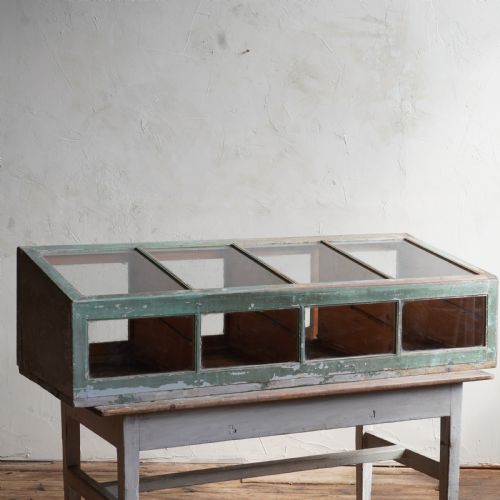
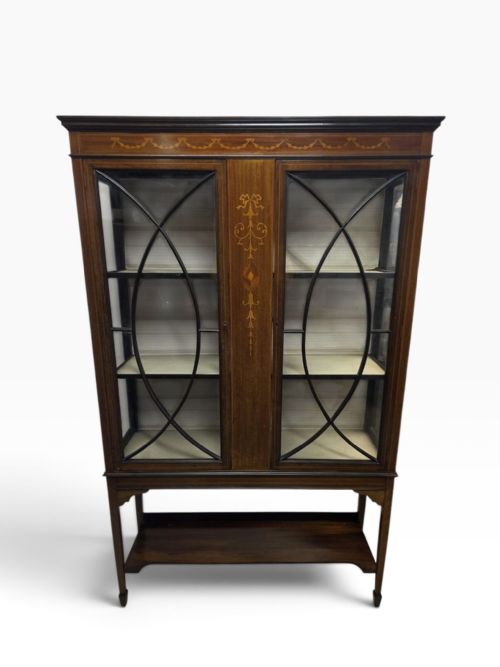
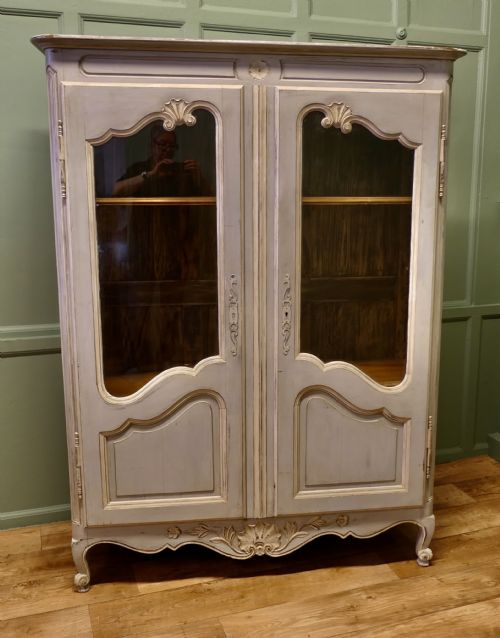
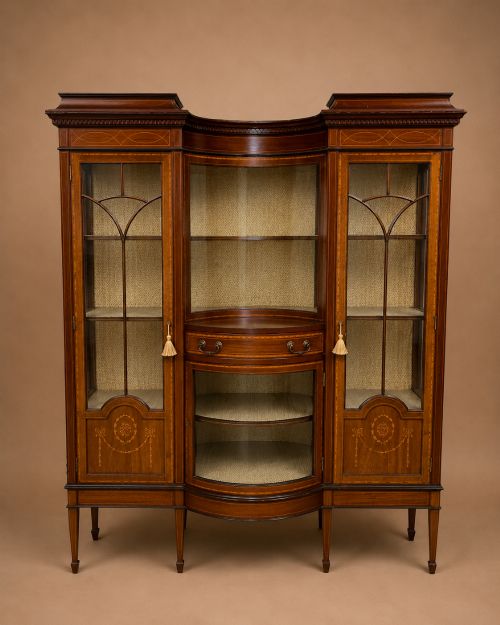
Vintage Glazed Vitrine
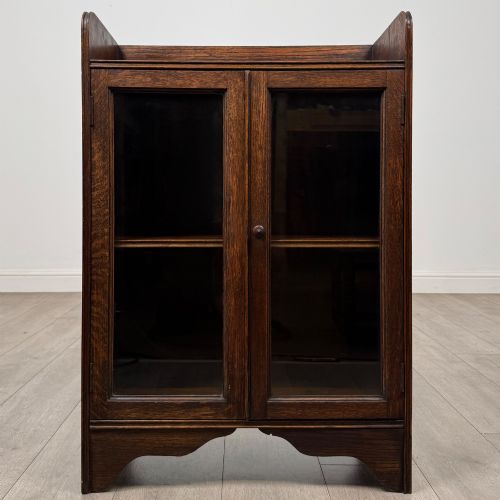
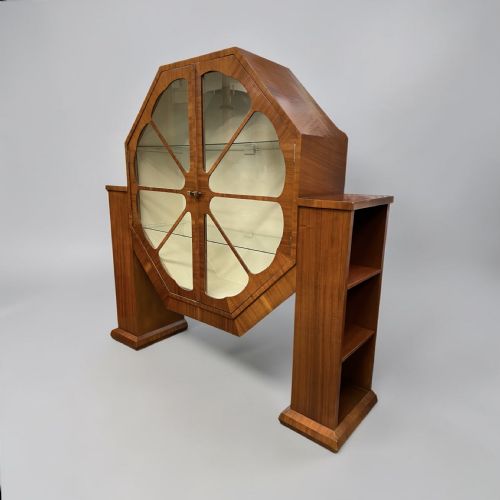
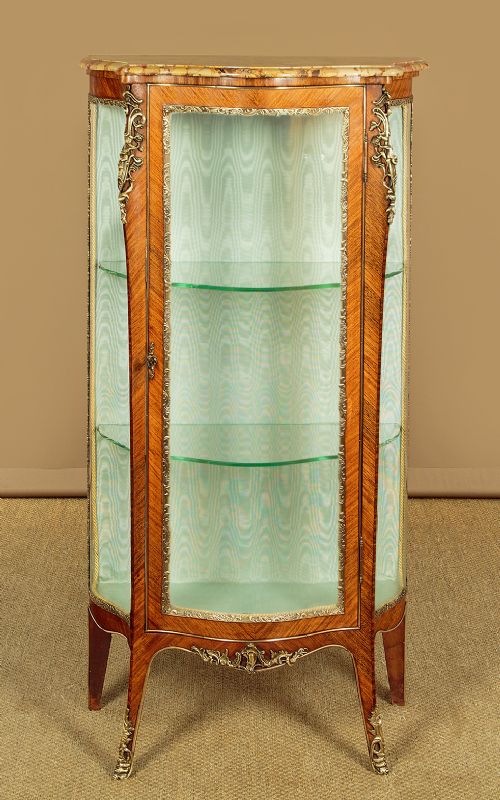
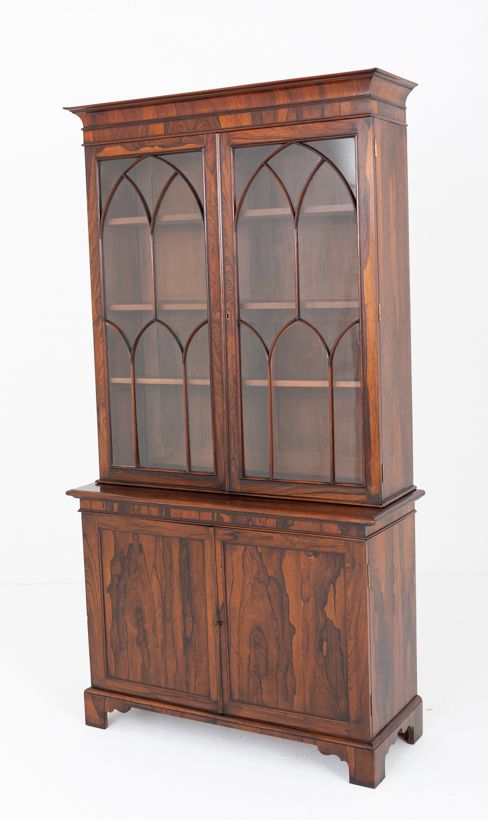
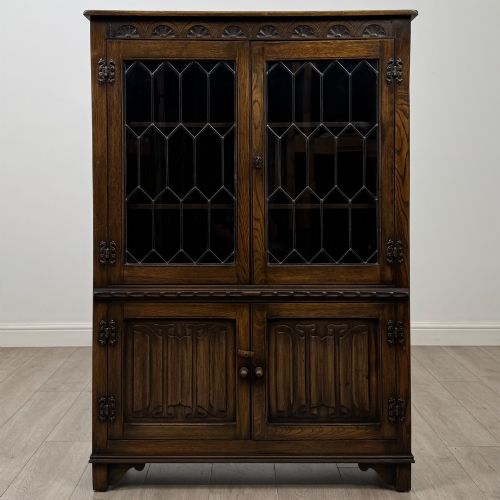
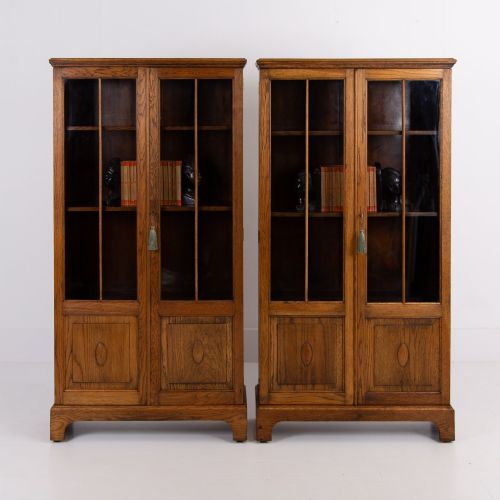
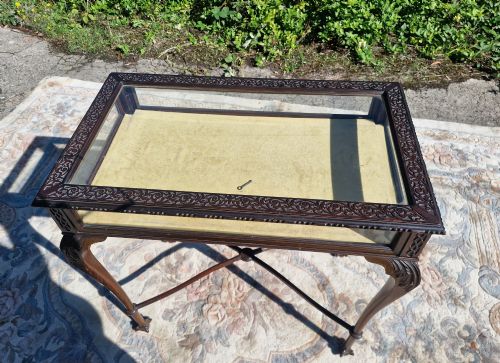
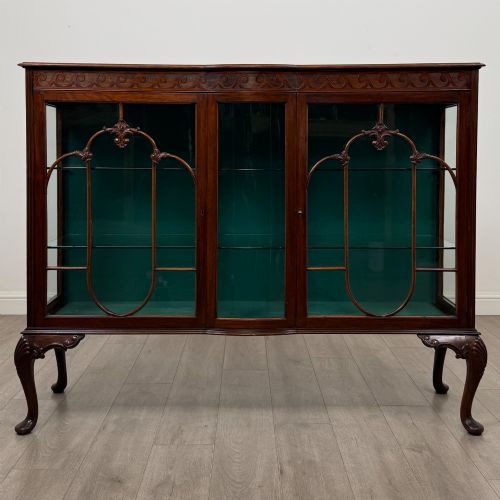
These vintage glazed vitrine cabinets provide elegant display space for curated collections, combining classic timber frames with large glass panels.
Identifying Vintage Glazed Vitrine Pieces
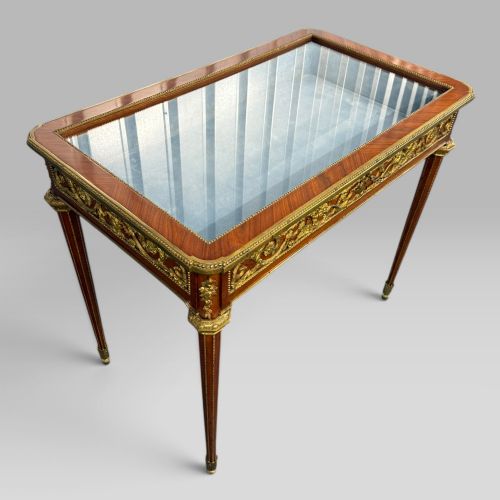
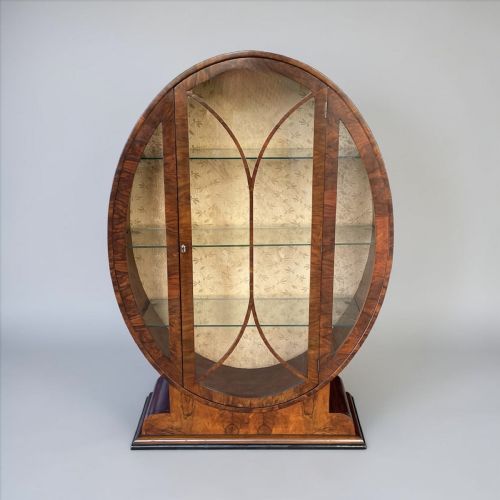
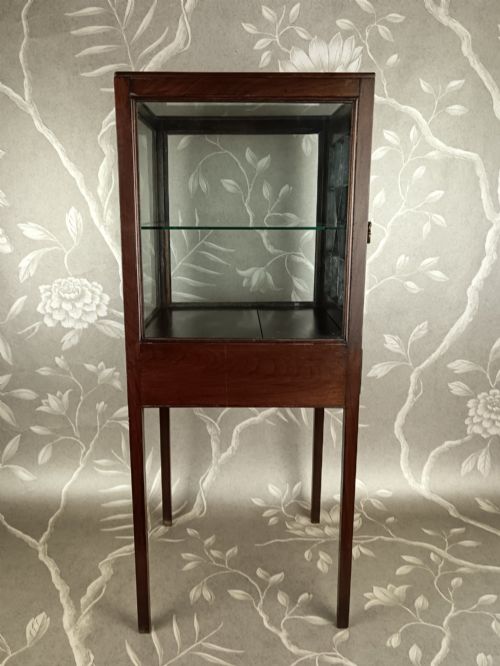
A vintage glazed vitrine is primarily built as a display cabinet or bookcase designed to showcase precious items behind glass doors. The pieces listed under this search phrase span multiple eras, including the Edwardian period and the eighteenth, nineteenth, and twentieth centuries. Cabinets often adopt historical revivals such as Louis XVI, Neoclassical, Chippendale, and Dutch Rococo styles.
Buyers frequently encounter mahogany frames, sometimes enhanced by satinwood, walnut, or brass mounts, reflecting traditional cabinet-making priorities. Forms range from bow front display cabinets to tall bookcases with glazed sections. These structures serve both functional storage and decorative exhibition purposes within a room.
Construction and Materials
Construction relies heavily on timbers like mahogany, walnut, and oak, frequently paired with inlaid details and brass mounts for decorative contrast. Fabric linings occasionally feature within the interior compartments to backdrop displayed objects.
Glazing is integrated into the doors to allow maximum light penetration, supported by sturdy wooden framing characteristic of periods from the eighteenth century to the 1930s. Joinery techniques align with the specific revival styles of each piece, such as Neoclassical or Chippendale.
Retail Price Guide 2026
Typical UK retail prices for vintage glazed vitrine, calculated from the Sellingantiques database of over a million retail prices indexed since 2003. This retail price guide relies exclusively on Sellingantiques data; no external sources or auction records are used, so the figures do not describe the wider market.
Current listings span from the eighteenth century through the Edwardian period to the 1930s, featuring mahogany, oak, walnut, and satinwood.
Judging Quality and Craftsmanship
Quality rests upon the refinement of the timber selection, such as figured mahogany or satinwood, and the precision of inlaid details. Superior examples exhibit harmonious proportions within styles like Louis XVI or Dutch Rococo, where decorative brass mounts and framing integrate seamlessly.
The sophistication of the joinery and the clarity of the glazed panels distinguish finer cabinets from simpler utilitarian bookcases. Finer pieces maintain structural integrity alongside intricate stylistic revivals that reflect the craftsmanship of their respective eras.
The Vintage Glazed Vitrine Glossary
- Vitrine
- A glass-fronted cabinet specifically built for displaying objects of curiosity or fine porcelain. This term originates from the French word for glass.
- Bow front
- A convex curved cabinet front that swells outward in the centre. This shape adds visual softness and depth to furniture facades.
- Satinwood
- A durable, yellowish timber often used for decorative inlay and banding on mahogany furniture. It provides a bright contrast against darker woods.
- Brass mounts
- Decorative cast metal fittings attached to cabinet exteriors to enhance stylistic periods like Louis XVI. They accent corners, key escutcheons, and legs.
Frequently Asked Questions
What is a vintage glazed vitrine used for?
These cabinets are designed to display and protect valuable collections, ceramics, or books behind clear glass doors. They allow owners to exhibit items safely while keeping dust accumulation to a minimum.
Historically, such furniture functioned as a focal point in formal rooms, combining storage utility with decorative presentation.
How do I date a vintage glazed vitrine?
Dating relies on identifying stylistic revival cues, construction materials, and hardware typical of periods like the Edwardian era or the 1930s. Examining the timber types, such as mahogany or oak, helps narrow down the timeframe.
Comparing structural details against documented cabinet-making traditions provides further chronological context.
How do I style a vitrine in my home?
A vitrine works well as a standalone display piece in living rooms, dining rooms, or hallways, housing curated groups of small objects. The glass panels allow natural or artificial room light to illuminate the contents.
Balancing the density of displayed items prevents visual clutter and highlights the craftsmanship of the cabinet frame.
What styles are common in these cabinets?
Common styles include Neoclassical Revival, Louis XVI, Chippendale Revival, and Dutch Rococo interpretations. These designs borrow classical motifs and proportions from earlier centuries.
Maker choices often reflect regional preferences across different British and continental European periods.