



Asian Metal Figurines
Asian metal figurines bring centuries of ritual, courtly and domestic sculpture into your home in bronze, brass and gilt metal.
Asian Metal Figurines
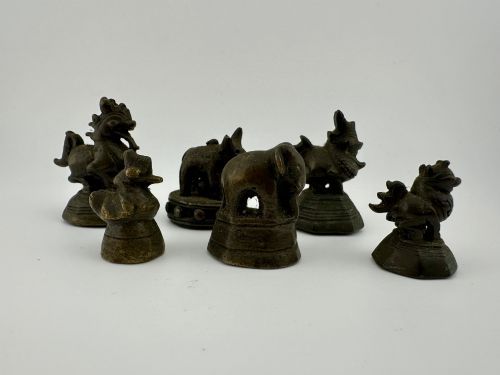
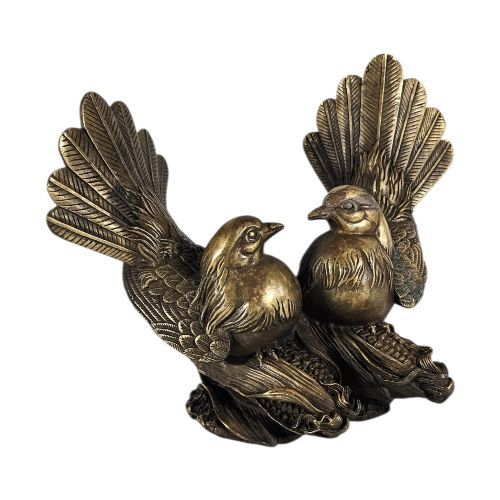
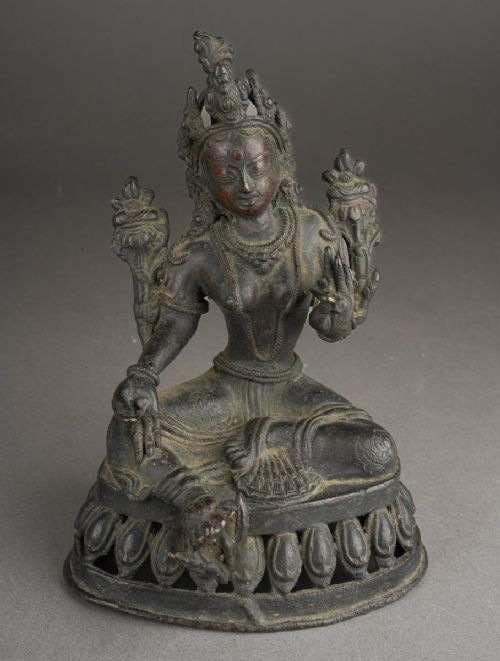
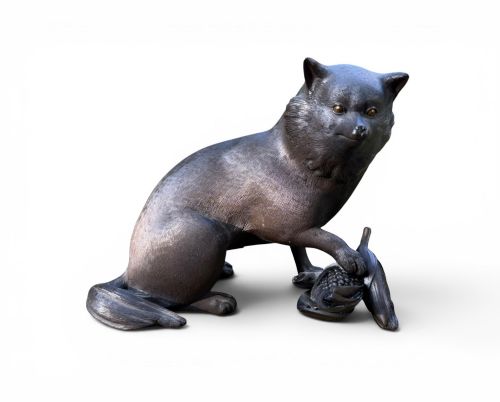
Asian metal figurines encompass statues, sculptures, animal figures and trade weights originating from China, Japan, India, Thailand, Burma and Java. You will most frequently encounter nineteenth-century bronzes alongside earlier temple figures and regional animal forms.
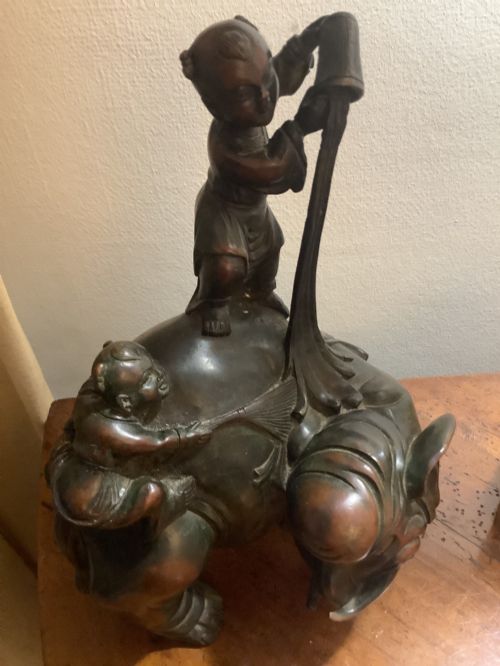
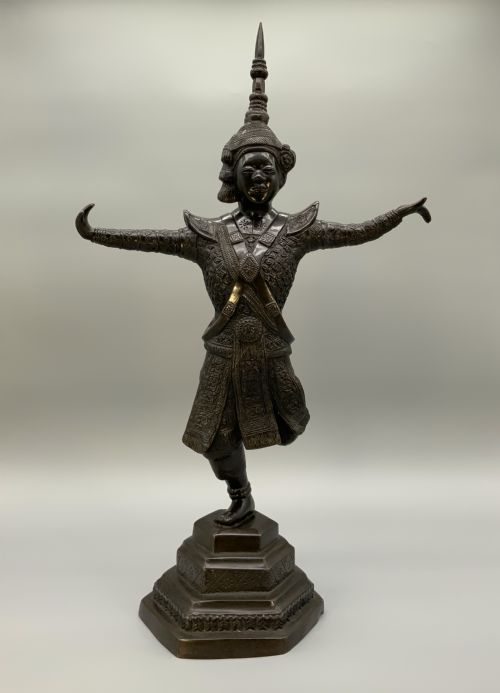
The objects range from small opium weights and incense burners to substantial standing deities and court dancers. Makers utilised diverse regional styles including the Meiji period, Late Qing dynasty, Ayutthaya and Rattanakosin traditions.
Materials and construction
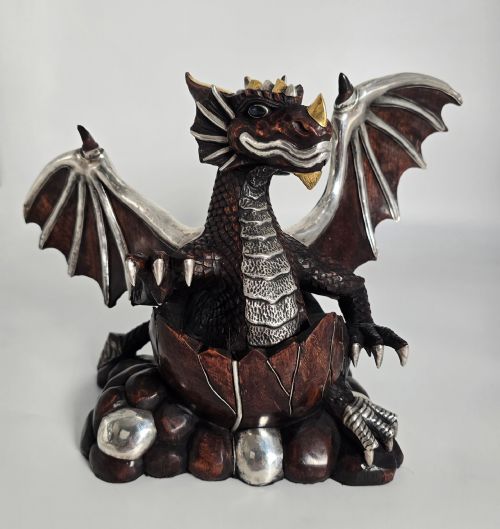
Cast metal is the primary medium, utilising bronze, brass and silvered or gilded metal worked into intricate forms. Artisans also combined mixed metals with carved hardwood in specific decorative sculptures.
Surface finish is achieved through patination, gold leaf and gilt applications. Many pieces display detailed hand-chasing and polishing directly upon the solid bronze or brass base.
Asian Metal Figurines Retail Price Guide 2026
Typical asking prices for asian metal figurines among the pieces listed under this phrase on Sellingantiques today, from the lower quarter to the upper quarter. They describe what is for sale here now, not the wider market.
Listings feature bronzes and brasses spanning from pre-sixteenth century temple pieces to nineteenth-century Japanese okimono and Burmese animal weights.
Assessing quality and execution
Quality rests in the crispness of the casting and the sensitivity of the hand-finishing work. Finer examples display precise facial expressions, fluid drapery and well-defined anatomical details.
The depth and richness of the original patina or the intact preservation of gold leaf and gilding contribute significantly to a piece's visual weight and integrity.
The Asian Metal Figurines Glossary
- Bronze
- An alloy consisting primarily of copper, commonly used for durable statuary and ritual objects throughout Asian metalwork traditions.
- Patina
- The surface coloration and sheen developed naturally over time or applied chemically by the maker to enhance visual depth.
- Okimono
- A Japanese ornamental figurine designed for display, typically placed in a domestic setting.
- Opium weight
- A small cast metal weight, frequently cast in animal forms, used in trade across Burma and Thailand.
- Gilt bronze
- Metalwork treated with a thin layer of gold or gold leaf applied to the bronze surface.
Asian Metal Figurines: Frequently Asked Questions
What are Asian metal figurines made of?
These pieces are predominantly cast in bronze and brass, sometimes enhanced with gold leaf, gilding, or silvered finishes.
Certain items also incorporate mixed metals mounted on carved hardwood bases.
Were these figurines meant for daily use?
Many figures served ritual, religious, or decorative purposes in temples, courts, and homes, ranging from Buddhist deities to incense burners.
Others, such as trade weights, fulfilled functional roles in commerce.
How should I care for antique bronzes?
Keep metal figures away from excessive moisture and direct sunlight to preserve the patination and surface finishes.
Dust gently with a soft, dry cloth without applying commercial metal polishes that can strip historical surfaces.