



Chinese Bird Figurine
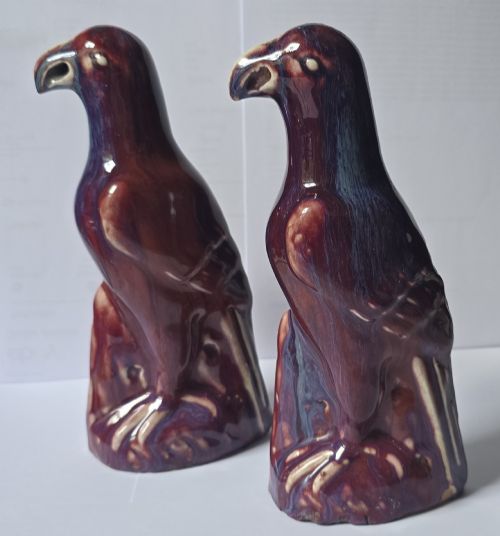
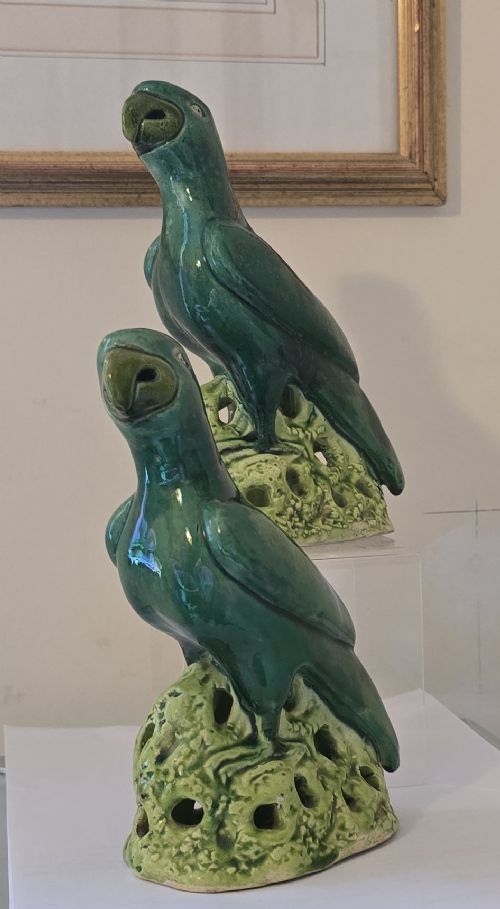
These Chinese bird figurine examples span bronze, jade, porcelain, and cloisonné enamel, offering finely modelled ducks, cockerels, and quails.
Chinese Bird Figurine
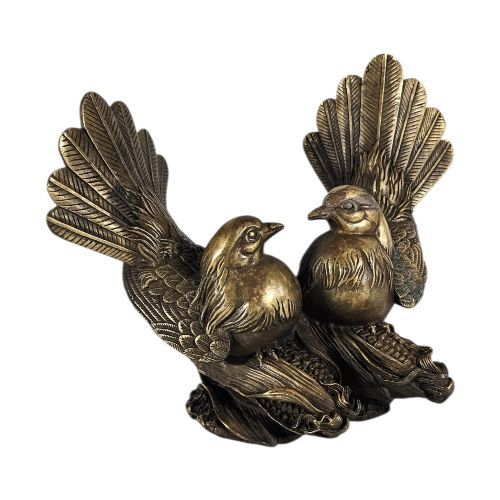
A Chinese bird figurine brings together traditional animal subjects and specialist craft traditions across periods from the nineteenth century into the mid twentieth century. Buyers seeking a Chinese bird figurine find forms ranging from pairs of bronze pigeons and mandarin ducks to single turquoise glazed cockerels and famille rose pheasants.
The selection here encompasses porcelain, bronze, carved jade and hardstone, hardwood, and cloisonné enamel. Pieces often reflect Qing dynasty and Republic period aesthetics, alongside Ming style revivals executed with sancai or lead glazes.
Materials and technique
Potters and sculptors shaped these figures using porcelain with famille verte and famille rose enamels, or lead glazes such as sancai. Bronze castings and carved hardstones like pale green jade further demonstrate the diversity of workshop output.
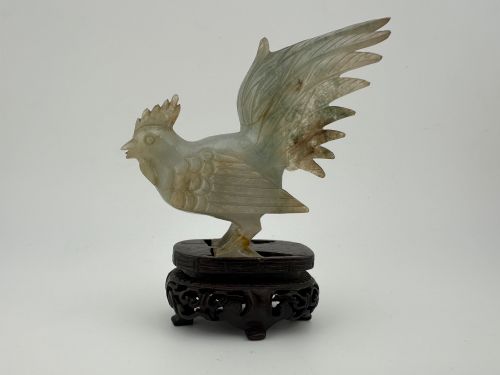
Many sculptures incorporate fitted wooden elements, including carved hardwood stands that complement the primary material of the bird.
Chinese Bird Figurine Retail Price Guide 2026
Typical asking prices for chinese bird figurine among the pieces listed under this phrase on Sellingantiques today, from the lower quarter to the upper quarter. They describe what is for sale here now, not the wider market.
Materials across the selection include porcelain, bronze, jade, hardwood, hardstone, wood, lead glaze, and cloisonné enamel.
Assessing quality
Quality rests upon the precision of the carving or moulding and the crispness of surface detail, whether in the feather rendering of a bronze dove or the translucency of a jade cockerel. Superior examples display harmonious proportions and confident handling of glaze or enamel.
The integration of secondary elements, such as custom hardwood stands for jade carvings, also distinguishes finer works within the broader field.
The Chinese Bird Figurine Glossary
- Famille Verte
- A green-dominant palette of enamel colours used on Chinese porcelain. It developed during the Qing dynasty and characterises many decorative figures.
- Sancai
- A three-colour lead glaze tradition associated with Chinese ceramics. It typically employs amber, green, and cream tones.
- Cloisonné
- A metalwork technique where enamel paste is applied within compartments created by soldered wires. It appears on decorative bird sculptures from around nineteen hundred.
- Qing Dynasty
- The final imperial dynasty of China, lasting from sixteen forty-four to nineteen twelve. Pieces from the late nineteenth century often carry this attribution.
Chinese Bird Figurine: Frequently Asked Questions
What birds do these figures represent?
The listings feature a range of avian subjects including cockerels, roosters, ducks, pigeons, doves, quails, and pheasants.
Each species is rendered in materials specific to the maker's workshop and period.
How were these figures displayed?
Many figures, particularly jade carvings and hardwood sculptures, were created with dedicated wooden stands.
Such stands elevate the object and anchor the sculpture for interior display.
What materials are most common?
Porcelain, bronze, jade, hardstone, and cloisonné enamel are the primary materials found across the selection.
Glazes range from sancai and turquoise to multi-coloured enamel palettes.
How do periods differ?
Items span the nineteenth century, the Qing dynasty, and the Republic period.
Stylistic markers shift between traditional imperial revivals and export-oriented decorative objects.