



Asian Lacquered Chest
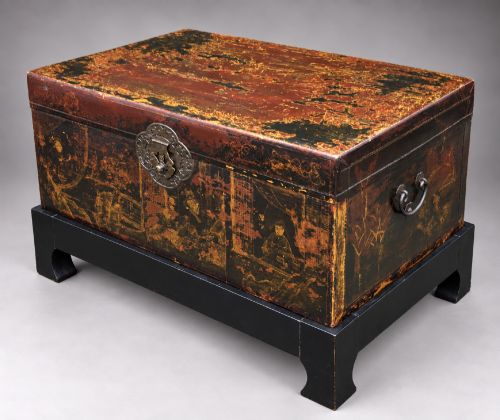
An asian lacquered chest brings rich surface depth and enduring storage into a room, spanning centuries of Asian and European craftsmanship.
Asian Lacquered Chest
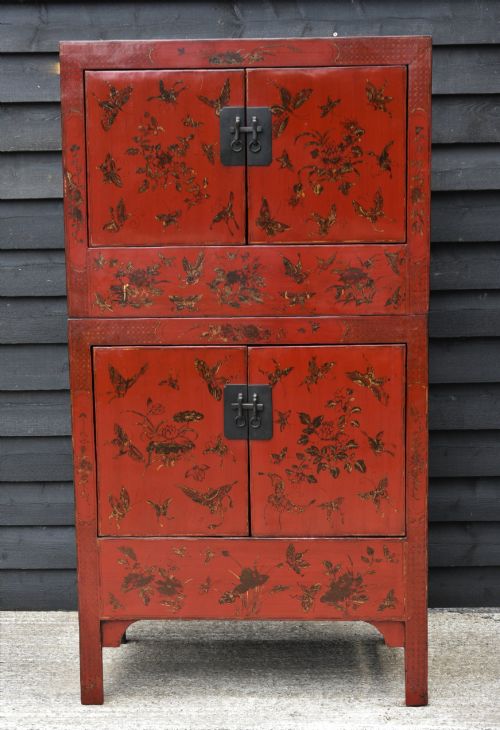
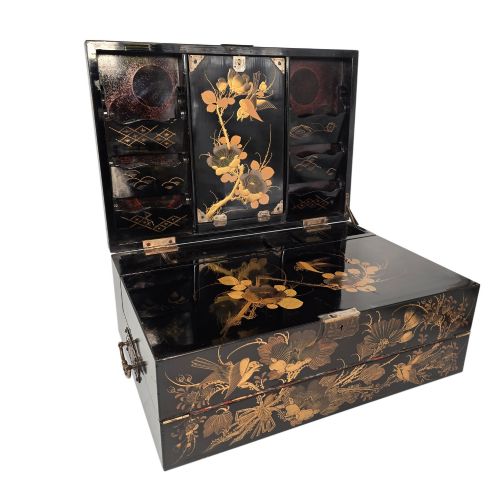
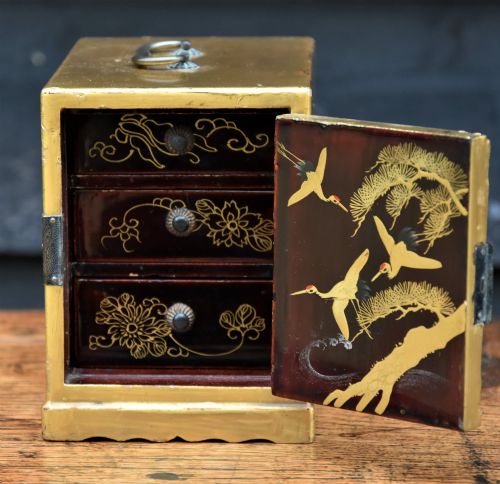
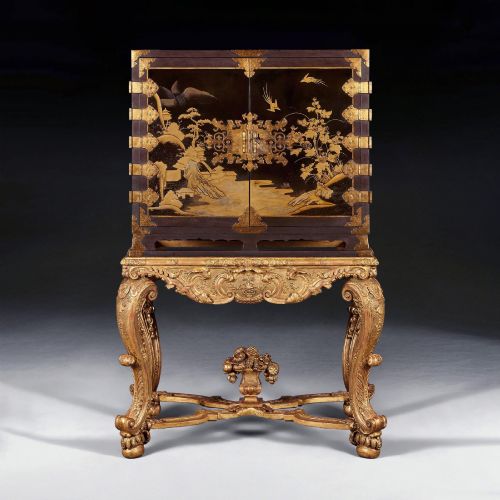
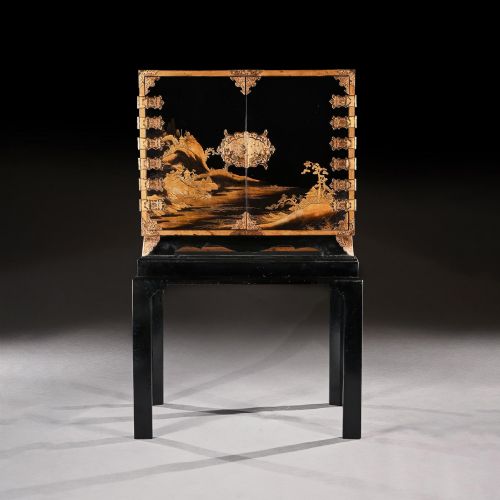
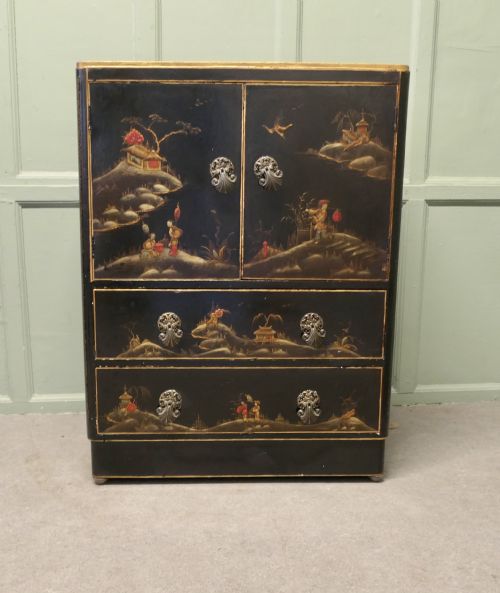
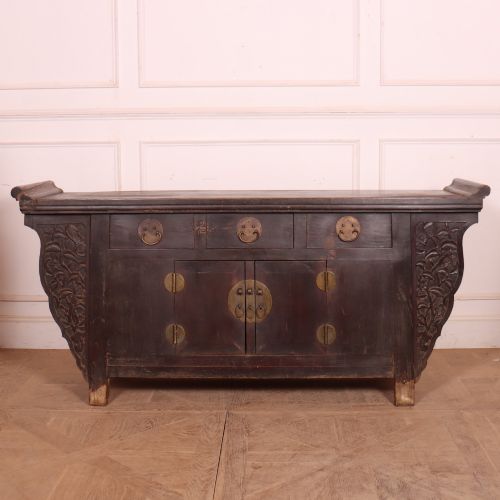
An asian lacquered chest encompasses diverse storage forms including table cabinets, large cupboards, trunks, and apothecary chests. Pieces range from compact jewellery boxes and table cabinets to monumental storage cupboards and sideboards.
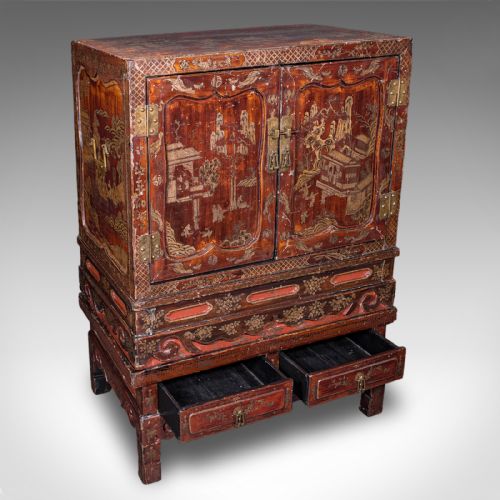
The selection draws heavily from nineteenth-century pieces alongside examples from the seventeenth and early twentieth centuries. Makers and workshops across China, Japan, and Korea produced these works using traditional regional construction methods.
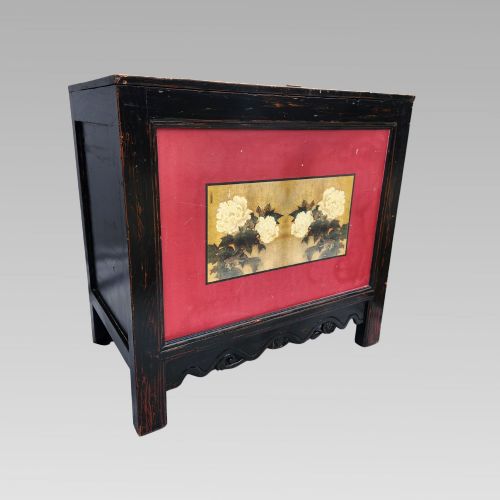
Chinoiserie styles and export designs sit alongside native Edo period Japanese pieces and Chinese provincial cabinets. Buyers encounter both black and red lacquered finishes, often accented with floral decoration or gold leaf.
How They Were Made
Wood serves as the primary structural foundation, utilising timbers such as elm and camphor wood beneath decorative surfaces. Artisans applied layers of lacquer derived from tree sap to build a durable, smooth exterior finish.
Surface ornamentation frequently incorporates gold leaf, delicate paintings of birds and flowers, and inlaid details. Hardware cast in brass, iron, and other metals secures corners, doors, and drawers while adding structural contrast.
Asian Lacquered Chest Retail Price Guide 2026
Typical asking prices for asian lacquered chest among the pieces listed under this phrase on Sellingantiques today, from the lower quarter to the upper quarter. They describe what is for sale here now, not the wider market.
Materials record traditional wood, lacquer, and gold leaf alongside metal, iron, and brass hardware components.
What Varies in Quality
The integrity of the lacquer surface distinguishes superior examples, noting how evenly the material cures and adheres to the underlying wood. Finer items retain crisp details in their gold leaf work and painted motifs rather than worn or muddy decoration.
Construction quality shows in the weight of the timber, the snugness of drawer joints, and the retention of original brass or iron hardware. Pieces raised on dedicated stands or retaining their period stands demonstrate higher craftsmanship and original design intent.
The Asian Lacquered Chest Glossary
- Chinoiserie
- European decorative style inspired by Chinese artistic traditions, featuring motifs like landscapes, figures, and floral patterns. This aesthetic heavily influenced cabinets and cupboards produced for Western export.
- Kodansu
- A small Japanese table cabinet or portable chest with multiple internal drawers used for storing valuables. These miniature pieces often feature intricate lacquer and metal fittings.
- Tansu
- Traditional Japanese mobile storage chest built from wood with iron hardware and handles for transport. These functional pieces range from simple single sections to multi-tiered drawer arrangements.
- Apothecary chest
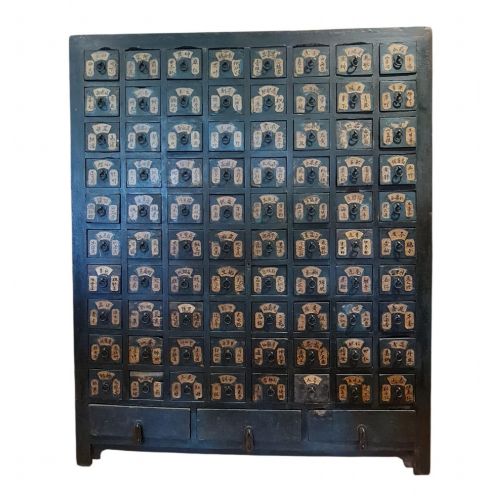
- Multi-drawer cabinet originally designed to hold medicinal herbs, powders, and remedies in traditional pharmacies. The numerous small drawers create a distinctive facade across Shanxi province and other regional examples.
- Regence
- French decorative style bridging the classical Baroque and rococo periods, notable for light, curved lines. Pieces from this European tradition occasionally served as custom stands for imported Asian lacquer cabinets.
Asian Lacquered Chest: Frequently Asked Questions
What is a tansu chest?
A tansu chest is a traditional Japanese mobile storage unit featuring robust wooden construction and visible iron handles. These pieces were designed for practical relocation within the home and often contain multiple banks of drawers.
Craftsmen built them to serve specific domestic storage needs, ranging from clothing to merchant records. Their utilitarian origins give them a sturdy architectural presence that contrasts with more decorative export cabinets.
How do I care for lacquer furniture?
Lacquer surfaces require gentle handling to preserve the glossy resin finish and delicate gold leaf details. Keep these pieces away from direct sunlight and dramatic humidity shifts to prevent the wood underneath from moving.
Dust them lightly with a soft, dry cloth without applying modern chemical polishes or abrasive cleaners. Proper placement in a stable indoor environment protects both the structural timber and the historic surface layers.
Where were apothecary chests used?
Apothecary chests originated in traditional medical dispensaries and pharmacies to organise large quantities of dried herbs, roots, and ingredients. The numerous small drawers allowed practitioners to sort and locate specific remedies quickly.
Today, these multi-drawer cabinets function well in domestic settings for organising small items or as striking focal points in a room. Their dense grid of drawer pulls offers a unique visual texture found in few other furniture forms.
What is the difference between Chinese and Japanese pieces?
Chinese and Japanese storage pieces diverge significantly in their construction forms, hardware styles, and surface decoration. Japanese pieces often focus on functional Tansu designs or refined table cabinets like the kodansu, utilising meticulous black or red lacquer.
Chinese examples frequently embrace bolder proportions, seen in monumental cupboards, wedding chests, and elm sideboards with pictorial Chinoiserie scenes. Each regional tradition employs distinct joinery methods and local wood species beneath the lacquer.