

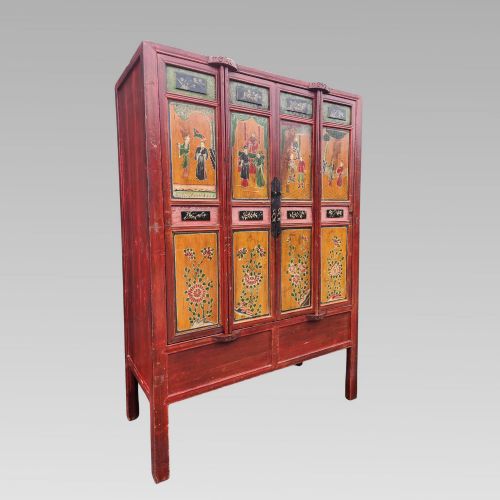


Oriental Red Sideboard
An oriental red sideboard brings vibrant colour and striking form into a room, drawing the eye with rich layers of pigment and lacquer.
Oriental Red Sideboard
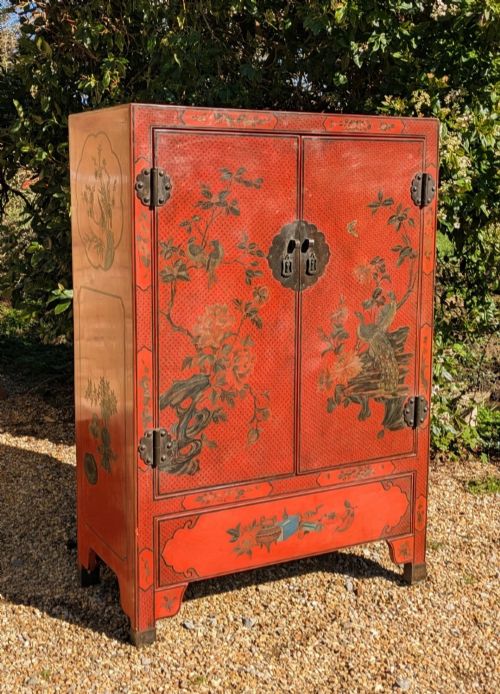
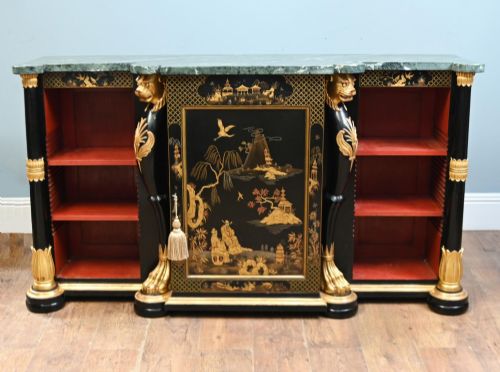
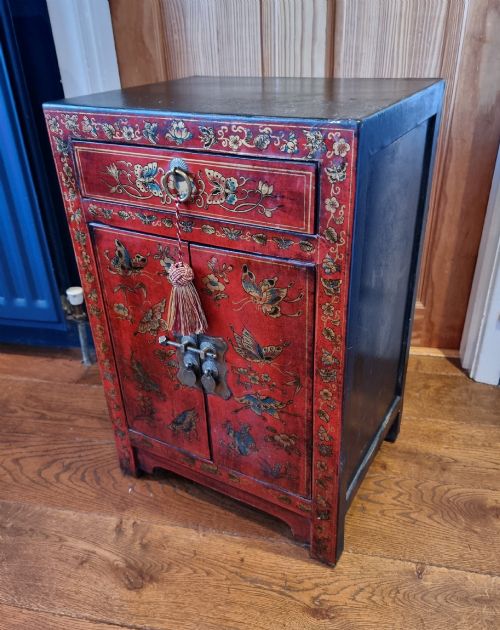
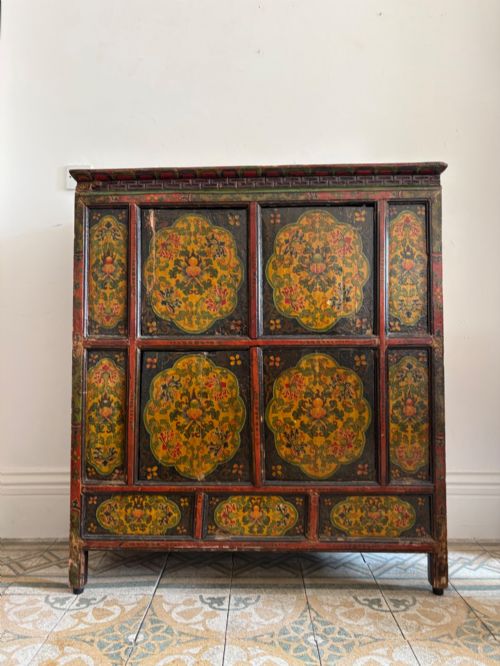
An oriental red sideboard encompasses striking storage pieces, consoles, and altar tables finished in vivid crimson tones. When seeking an oriental red sideboard, buyers encounter striking examples from the nineteenth and early twentieth centuries, including pieces reflecting Chinese Qing Dynasty and Tibetan traditions.
These items range from large marriage cabinets and side cupboards to console tables and side tables on stands. Makers utilised softwoods and pine as foundations for elaborate painted or lacquered surfaces, often enhanced with brass hardware or giltwood highlights.
Materials and construction methods
Constructed primarily from pine and softwood, these pieces rely on traditional joinery methods suited to cabinet making. Artisans then applied layers of lacquer or mineral pigment to achieve the signature red surface finish.
Detailing often involved hand-painted floral decoration, carving, and gilding, sometimes complemented by brass mounts and fittings.
Oriental Red Sideboard Retail Price Guide 2026
Typical asking prices for oriental red sideboard among the pieces listed under this phrase on Sellingantiques today, from the lower quarter to the upper quarter. They describe what is for sale here now, not the wider market.
Many storage cabinets secretly house hidden internal compartments designed for safekeeping family treasures.
Assessing quality and finish
Quality rests in the preservation of the original lacquer and pigment surfaces, alongside the crispness of any carved or gilded ornamentation. Pieces with intact hand-painted floral motifs and harmonious proportions stand apart from heavily restored alternatives.
The sophistication of the underlying joinery and the integration of brass hardware further distinguish finer examples within the range.
The Oriental Red Sideboard Glossary
- Lacquer
- A durable resin finish applied in multiple layers to seal and decorate wooden surfaces. It provides a smooth, glossy sheen that deepens in colour over time.
- Chinoiserie
- European interpretations and adaptations of Chinese artistic traditions, popular in decorative arts and furniture design. This style often incorporates motifs of landscapes, figures, and floral patterns.
- Qing Dynasty
- The final imperial dynasty of China, spanning from the mid-seventeenth to the early twentieth century. Furniture from this era is noted for varied regional styles and sophisticated surface treatments.
- Giltwood
- Wood that has been treated with a thin layer of gold leaf or gold paint. This technique highlights carved details and adds luminosity to cabinet work.
Oriental Red Sideboard: Frequently Asked Questions
How do I clean a red lacquer cabinet?
Dust gently with a soft, dry microfibre cloth to remove everyday particles. Avoid using chemical sprays, abrasive cleaners, or excess water, which can damage the delicate surface layers.
Keep the piece away from direct sunlight and radiators to prevent the lacquer from drying out or cracking over time.
Where should I place a console table?
These tables work well in entrance halls, living rooms, or dining spaces where surface space is needed without a heavy visual footprint. Pair them with a simple mirror or lamp to create a balanced focal point.
Ensure the room humidity remains stable, as wood and lacquer react to drastic environmental changes.
What is the difference between a marriage cabinet and a side cabinet?
Marriage cabinets are typically taller, larger storage pieces traditionally given to brides, featuring interior shelving and distinctive hardware. Side cabinets are lower in profile, designed for general storage or display.
Both serve practical storage roles while introducing strong colour and historical character to an interior.
How can I tell a nineteenth-century piece apart from later work?
Examine the timber construction, tool marks, and the ageing of the lacquer and mineral pigments. Nineteenth-century examples display wear patterns and joinery consistent with traditional workshop practices.
Comparing the hardware fittings and carving depth also helps place a piece within its correct historical period.