

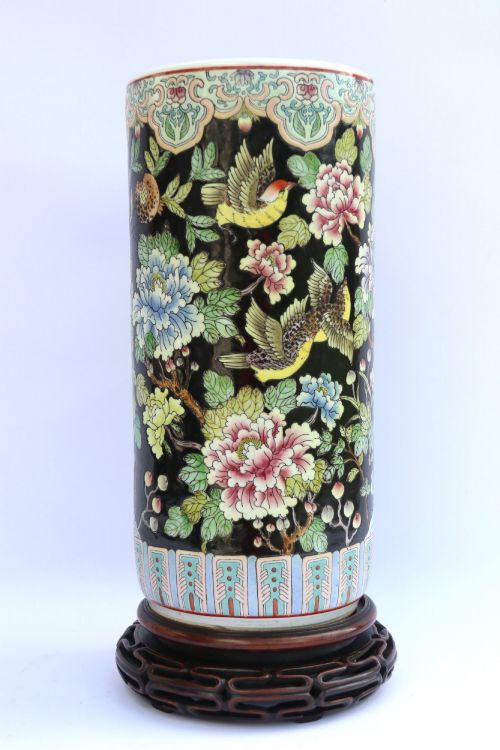

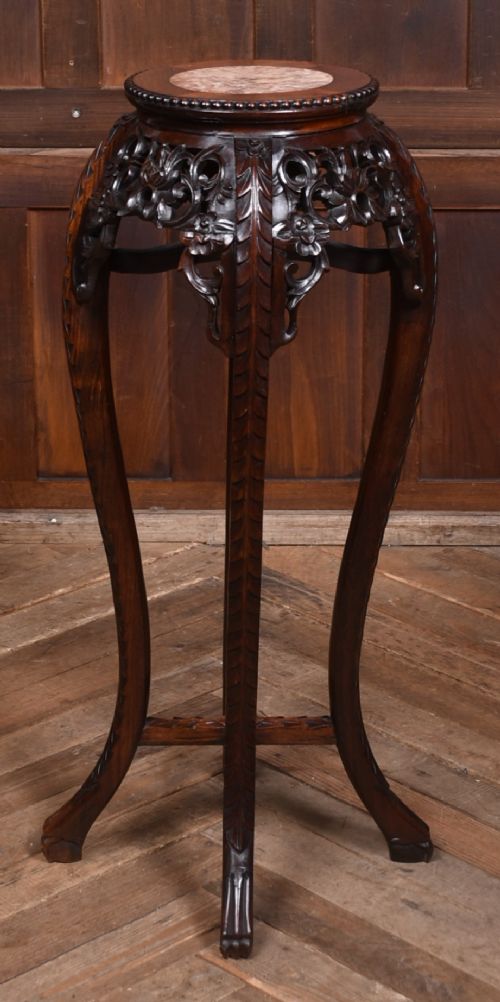
Asian Hardwood Stands
Asian hardwood stands are solid timber supports designed to elevate porcelain vessels, plants, and decorative objects, offering functional elevation and intricate craftsmanship.

Asian Hardwood Stands
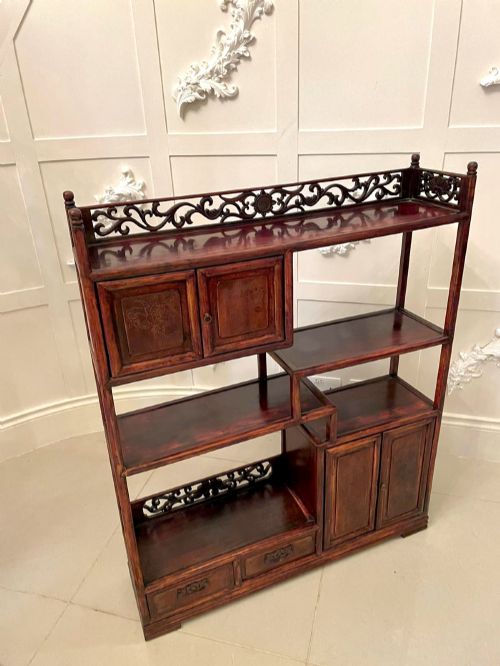
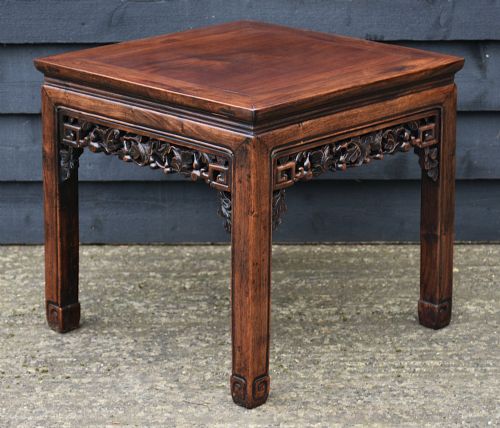
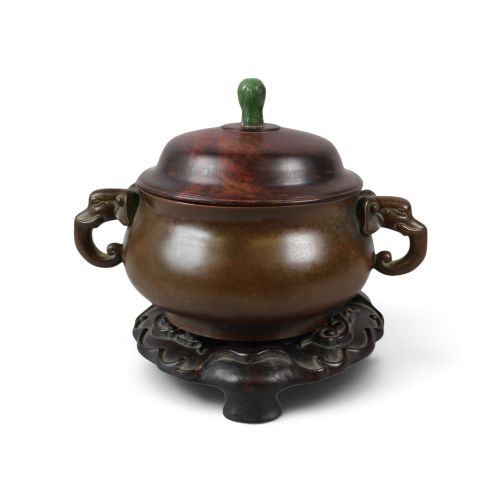
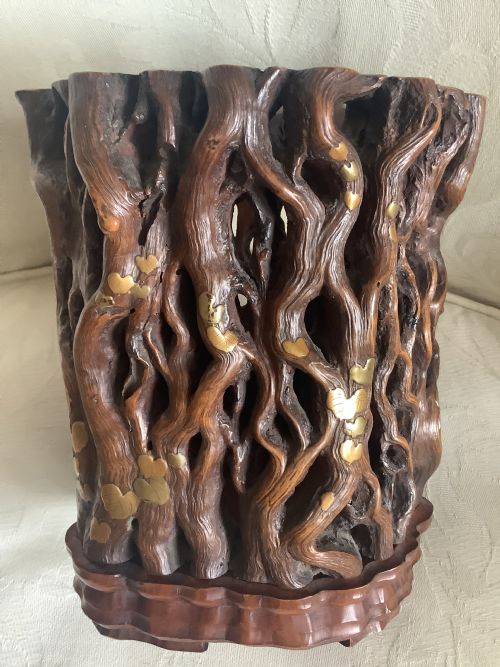
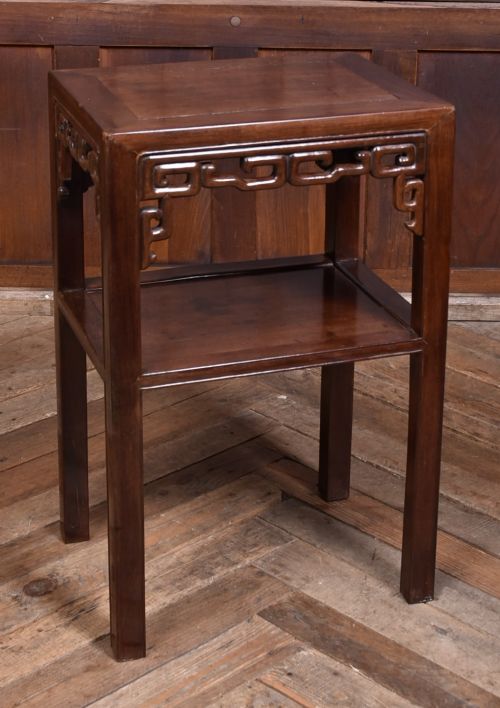
Asian hardwood stands encompass a variety of elevated supports, ranging from low tables and jardiniere holders to specific vase and plant stands. When searching for asian hardwood stands, buyers encounter pieces originating from traditional Chinese and Japanese workshops, with many dating from the nineteenth century.
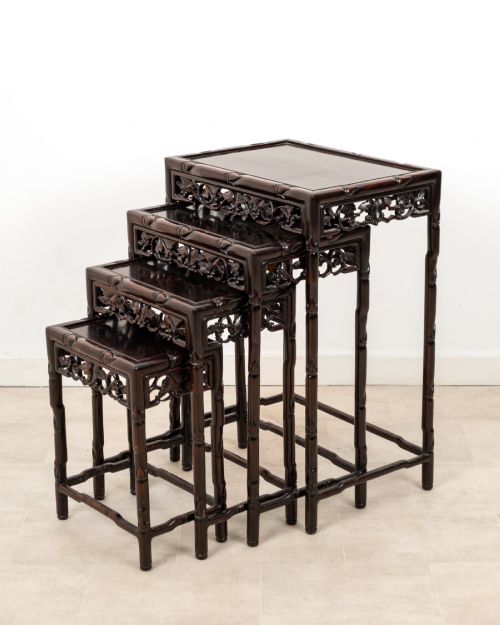
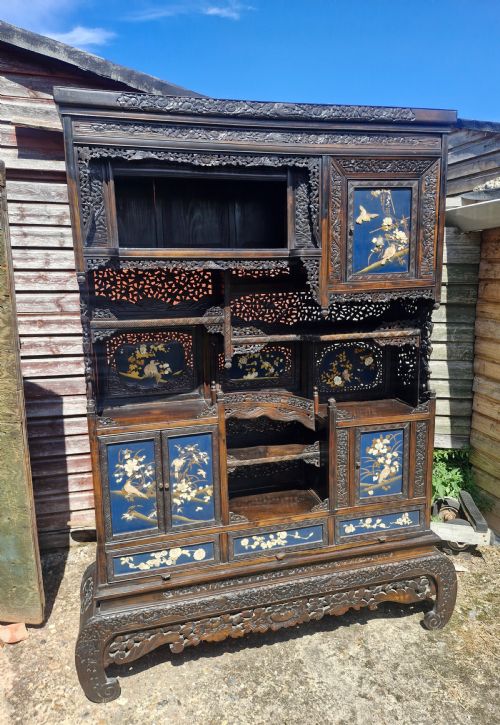
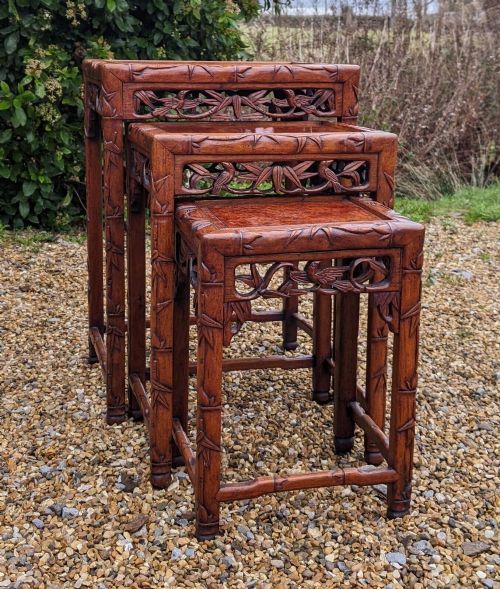
Makers shaped these utilitarian objects with considerable artistry, employing forms like nested tables, altar tables, and torcheres. The resulting pieces serve both practical display functions and decorative roles within domestic interiors.
Judging Quality
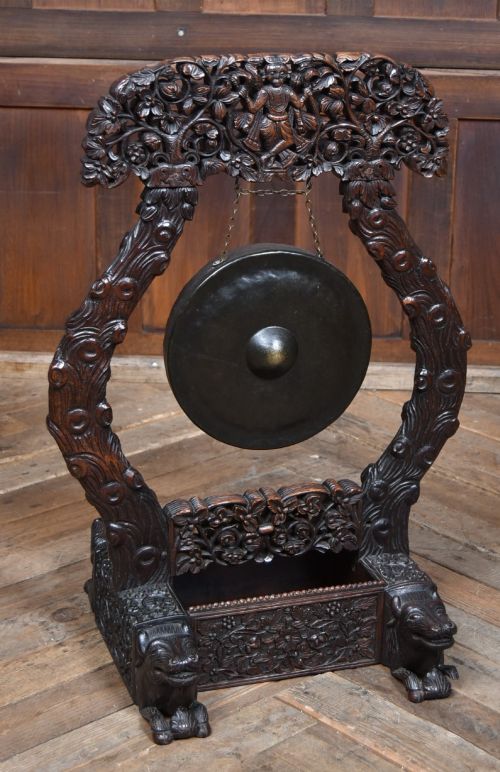
Quality rests upon the density and grain of the timber, alongside the crispness of the hand-carving. Denser woods like hongmu and rosewood command attention for their weight and capacity to hold sharp, deep relief details without splintering.
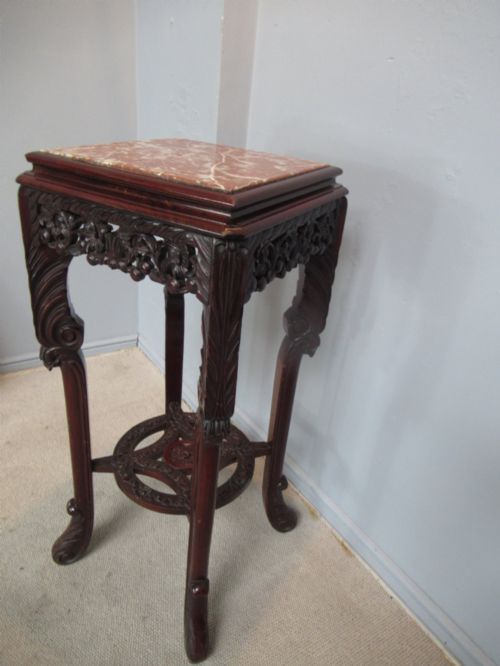
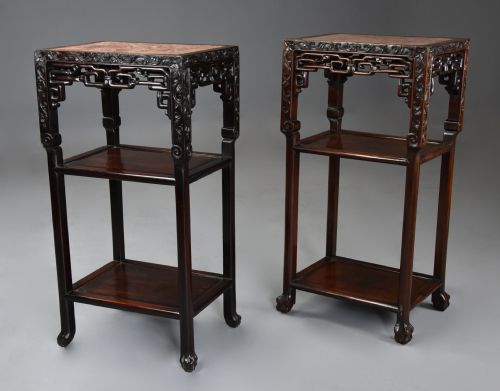
The integration of inset materials, such as veined marble tops or precise mother-of-pearl inlay, distinguishes finer pieces from simpler utilitarian items. Superior construction involves tight, invisible joinery that preserves stability across centuries of environmental change.
Materials recorded across the inventory include rosewood, hongmu, marble, mother-of-pearl, brass, and lacquer.
The Asian Hardwood Stands Glossary
- Hongmu
- A dense, dark Asian hardwood frequently used in Qing Dynasty furniture and stands. It translates literally as red wood and is prized for its substantial weight.
- Jardiniere stand
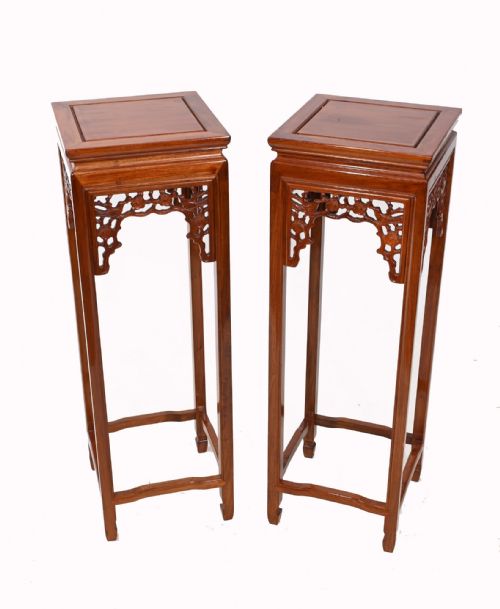
- A tall, slender piece of furniture specifically designed to elevate potted plants or floral arrangements. These stands often feature circular marble inserts to protect the wood from moisture.
- Torchere
- A tall stand or pedestal originally intended to hold a candle or lamp. In Asian furniture traditions, these pieces evolved into elaborate display supports.
- Archaistic
- A design style that consciously imitates ancient forms, bronzes, or motifs from earlier historical dynasties. It reflects a scholarly interest in antiquity.
Asian Hardwood Stands: Frequently Asked Questions
What were asian hardwood stands used for originally?
These stands served primarily to elevate important decorative objects, including porcelain vases, bronze censers, scholars' rocks, and indoor plants. By lifting them from the floor or table, owners protected delicate items and granted them visual prominence in the room.
They also functioned as low tables, side tables, and display surfaces for household ceremonies or everyday appreciation. The specific height and top shape usually dictated whether a stand held a large jardiniere or a small incense burner.
How do I identify a Qing Dynasty stand?
Qing Dynasty pieces typically feature dense hardwoods like hongmu or rosewood, coupled with deep, undercut carving depicting traditional motifs such as dragons, foliage, or auspicious symbols. The joinery is often complex and executed without metal nails.
Examination of the timber's patina and tool marks helps differentiate genuine period pieces from later reproductions. The inclusion of original inset marble panels or specific regional carving styles further confirms the era.
Can these stands support heavy modern items?
Most Asian hardwood stands were built using dense, heavy timbers designed to bear the considerable weight of large bronze vessels, stone sculptures, or substantial ceramic planters. Their robust construction generally accommodates heavy modern objects securely.
However, one must consider the delicate nature of protruding carved elements and inset marble tops when placing heavy loads. Ensuring balanced weight distribution prevents accidental tipping or structural strain on ancient joints.
How should I care for antique hardwood furniture?
Maintenance requires keeping the timber away from direct heat sources and rapid humidity fluctuations, which can cause the dense wood to split or warp. Regular dusting with a soft, dry cloth preserves the natural surface sheen without the need for heavy chemical polishes.
Occasional application of appropriate natural waxes helps nourish dry hardwood over time. Care must be taken around inset marble or mother-of-pearl panels to avoid moisture accumulation in the surrounding joints.