


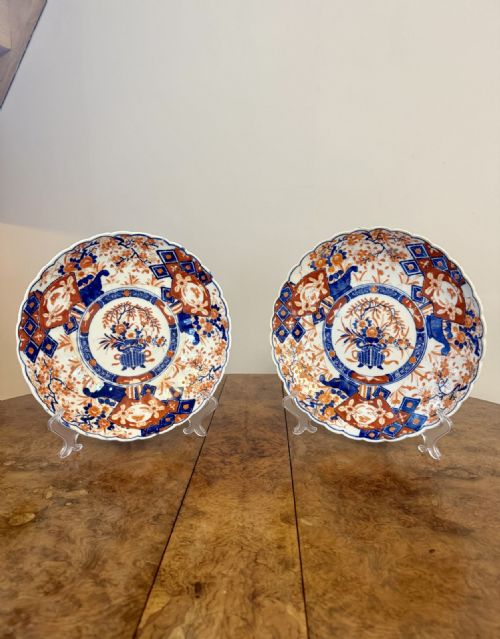


Asian Export Porcelain Plate
An asian export porcelain plate brings together centuries of global trade and kiln mastery, offering distinct decorative forms shaped for Western markets.
Asian Export Porcelain Plate
When searching for an asian export porcelain plate, collectors encounter a diverse range of wares made in China and Japan for international trade. The pieces on this page span several centuries, reaching from the seventeenth century through to the Edwardian era and the early twentieth century.
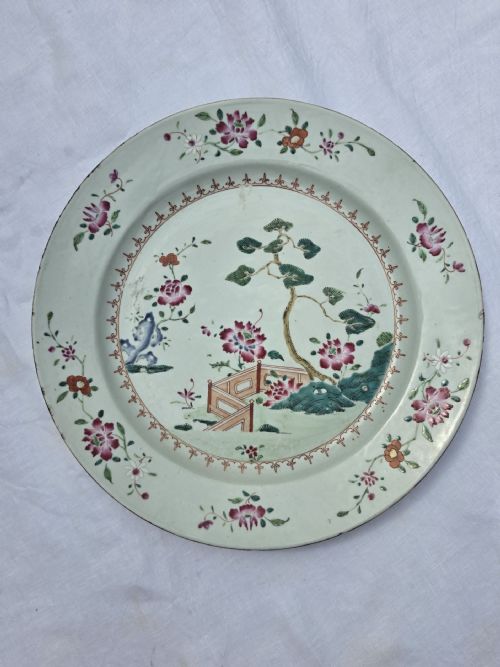
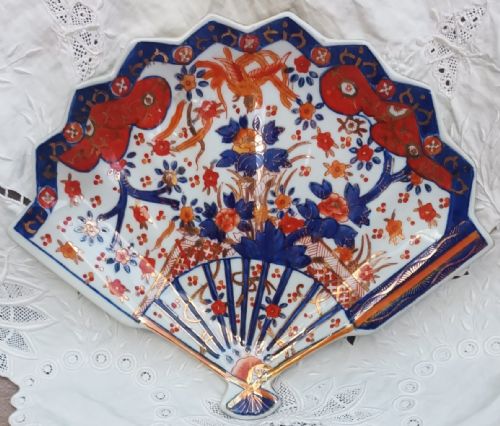
Japanese Imari figures prominently among these listings, alongside Chinese export wares such as Famille Rose and Kraak porcelain. Forms vary from small decorative dishes to large chargers and platters intended for display.
The objects reflect specific historical periods including the Meiji period, the Qing dynasty, and the Edo period. Buyers will find both individual items and matched pairs bearing hand-painted motifs.
Materials and production techniques
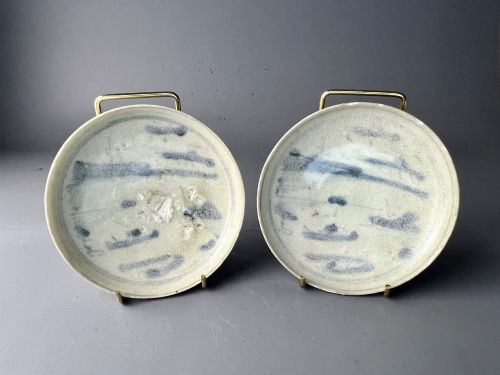
The physical basis of these items lies in hard-paste porcelain and ceramic bodies, fired at high temperatures to achieve vitrification. Cobalt underglaze provides deep blue decoration beneath a clear protective glaze.
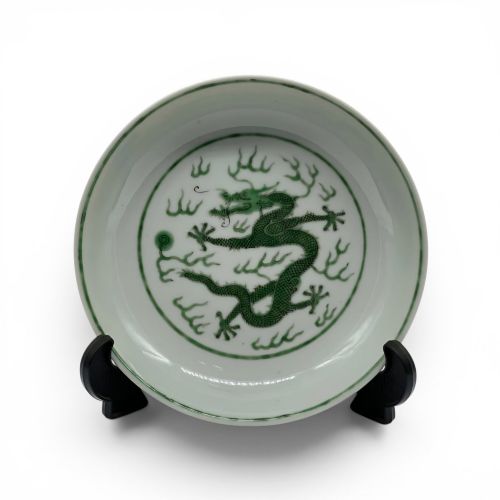
Enamel, gilt, and gold leaf are applied over the glaze in secondary firings to build up rich polychrome schemes. Artisans utilise hand-painting techniques to execute intricate bird, floral, and imperial dragon motifs.
Listings span seventeenth-century Arita wares through to Edwardian Japanese Imari, utilising hard-paste porcelain, enamel, and gold leaf.
Distinguishing the finer examples
Quality in these ceramics rests upon the precision of the brushwork and the vibrancy of the cobalt underglaze or overglaze enamels. Finer examples display meticulous detail in hand-painted scenes and secure application of gold leaf.
The weight, resonance, and integrity of the hard-paste porcelain body also separate standard commercial output from exceptional imperial-style or early period wares.
The Asian Export Porcelain Plate Glossary
- Imari
- A style of Japanese porcelain featuring a palette of cobalt blue, iron red, and gold, named after the port of export. These wares gained immense popularity in Europe during the seventeenth and eighteenth centuries.
- Famille Rose
- A major palette of Chinese ceramic glazes introduced in the Qing dynasty, distinguished by opaque pink or rose enamels. This style allowed for nuanced shading in floral and figural depictions.
- Kraak porcelain
- Chinese export porcelain produced mainly during the Wanli period, typically characterised by panelled borders and central botanical or animal motifs. It frequently appeared in European seventeenth-century still-life paintings.
- Hard-paste porcelain
- A dense, vitrified ceramic composed of kaolin and petuntse fired at very high temperatures. This material forms the durable foundation for traditional East Asian export wares.
- Cobalt underglaze
- A blue pigment applied to the raw clay body before glazing and firing, capable of withstanding extreme kiln heat. It creates deep, permanent designs beneath the glossy surface.
Asian Export Porcelain Plate: Frequently Asked Questions
How do I date an Imari plate?
Dating relies on stylistic shifts in the cobalt blue and iron red pigments, alongside the quality of the paste and glaze. Earlier pieces from the Edo period show different potting characteristics compared to Meiji or later export items.
Examining the foot rim and the application of gold leaf also provides clues to the era of production.
What is Chinese export porcelain?
Chinese export porcelain encompasses ceramics manufactured in China specifically for overseas markets in Europe and the West. These pieces often combined traditional Chinese kiln techniques with shapes and motifs requested by foreign buyers.
Wares range from utilitarian tableware to decorative chargers made for display.
How were these plates used historically?
Many large chargers and platters served as decorative display pieces on sideboards or walls in affluent European households. Smaller dishes functioned as part of formal table service or tea sets.
Their intricate painted designs made them status symbols of global trade.
How should I care for antique porcelain?
Antique porcelain requires gentle handling and should be washed by hand in lukewarm water using mild soap when necessary. Avoid harsh scrubbing, particularly on pieces with overglaze enamel or gold leaf decoration.
Display them away from direct sunlight and areas prone to sudden temperature changes.