



Asian Decorative Charger
An asian decorative charger brings bold pattern and weight to a wall or table.
Asian Decorative Charger
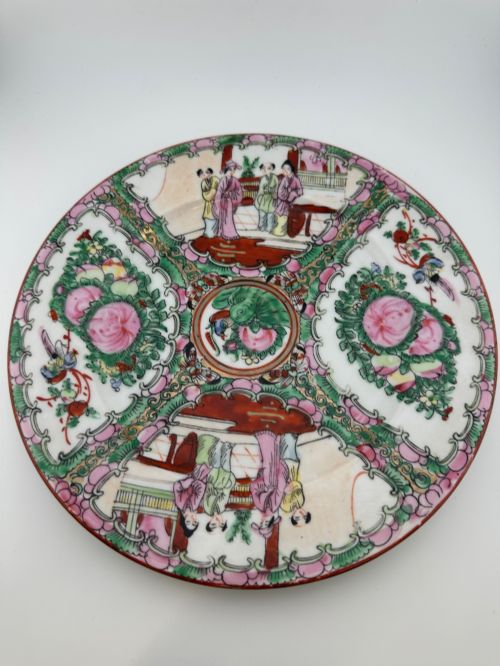
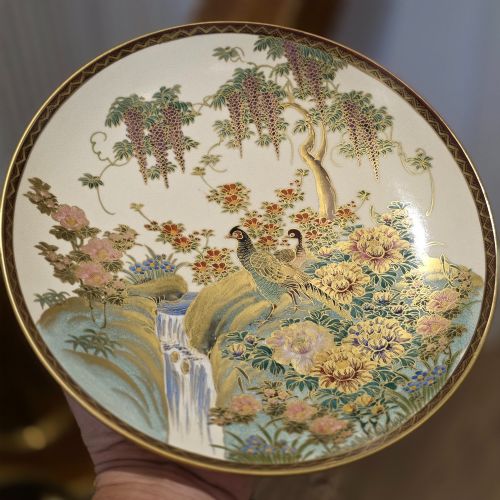
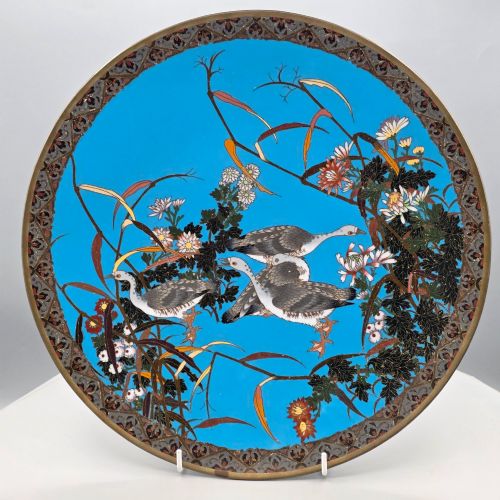
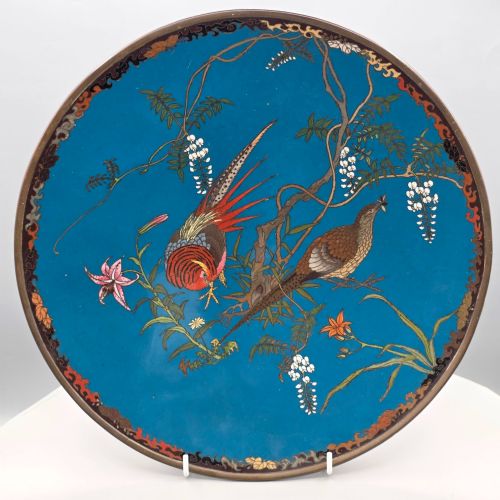
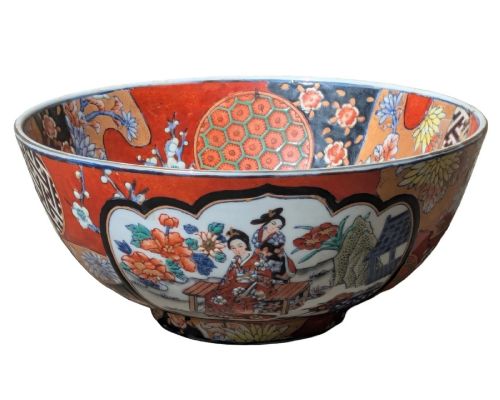
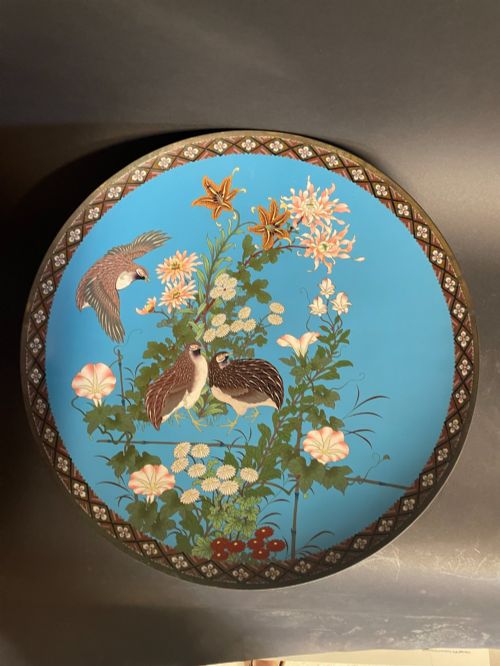
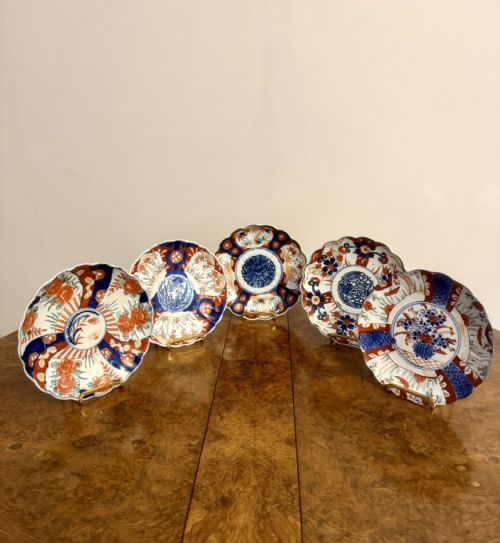
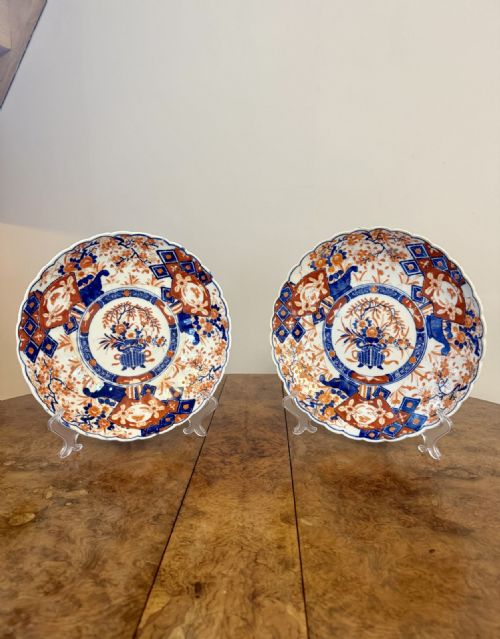
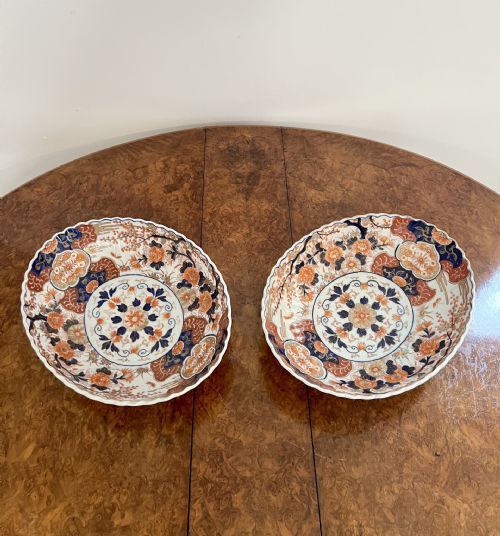
An asian decorative charger is a large display plate or dish made for visual impact rather than dining. The examples seen here include porcelain and metal pieces created across the nineteenth and twentieth centuries.
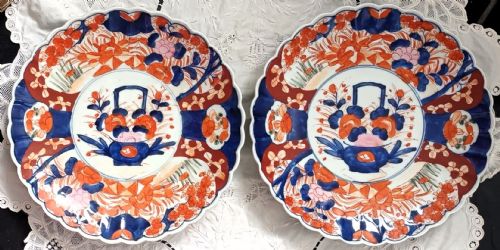
Most entries belong to the Meiji period and the decades around nineteen hundred. These pieces lean heavily towards Japanese Imari porcelain and cloisonne enamel forms.
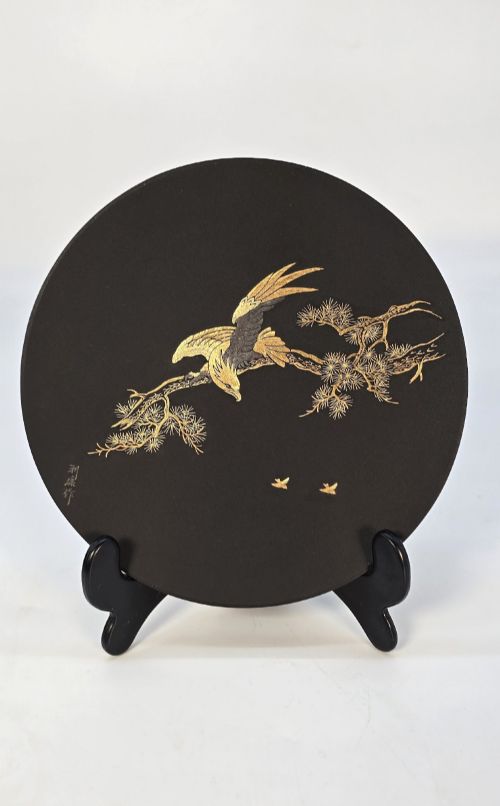
Makers shaped these items as wide bowls, plaques, and scalloped plates decorated with birds, deities, and natural scenes. The forms serve primarily as centrepieces for interior decoration.
How they were made
Makers constructed metal pieces using copper or brass as a base, applying cloisonne enamel by soldering thin wire cells to the surface before filling them with coloured paste and firing the piece. Other metal works utilise patinated iron inlaid with gold and silver.
Ceramic pieces rely on porcelain bodies shaped on the wheel or in moulds, then painted with mineral glazes. Many items combine hand-painted pigments with blue and white glazes or added gold leaf highlights.
Shrimps, owls, and leaping koi rub shoulders with mythical dragons and lucky gods across these metal and ceramic surfaces.
What varies in quality
Quality rests on the precision of the hand painting and the complexity of the design. Dense, controlled linework in enamel or porcelain sets the finer examples apart from simpler production.
The weight and finish of the metal or ceramic body dictate the substance of the piece. Smooth enamel surfaces without pitting and crisp, deep porcelain glazes indicate superior craftsmanship.
Koshida
The Asian Decorative Charger Glossary
- Charger
- A large display plate intended for decorative presentation rather than table service. These wide vessels command attention on walls or stands.
- Cloisonne
- A technique where thin metal wires are affixed to a metal body to create compartments, which are then filled with enamel paste. The object undergoes firing and polishing to achieve a smooth finish.
- Imari
- A style of Japanese porcelain featuring cobalt blue and iron red underglazes, frequently enriched with gold leaf. This ware originated in Hizen province and gained immense popularity for export.
- Meiji
- The period in Japanese history spanning from eighteen sixty-eight to nineteen twelve, characterised by openness to international trade and exceptional decorative arts production.
- Kutani
- A style of Japanese porcelain known for vibrant, multicoloured painted scenes and figures. These pieces often depict nature and traditional narratives.
Asian Decorative Charger: Frequently Asked Questions
How do I hang a heavy charger safely?
Heavy chargers require specialised wall brackets that support the base evenly without putting stress on the rim.
Spring-loaded wire hangers work well for lighter plates, but solid brass or coated metal claws are safer for thick cloisonne or porcelain pieces.
What is the difference between a plate and a charger?
A charger is substantially larger than a standard dining plate, generally measuring over thirty centimetres across.
While smaller plates served various household functions, chargers were designed primarily for display on sideboards or walls.
Can these chargers be used for serving food?
Most decorative chargers are intended strictly for display and may contain materials unsuited for food contact.
Older glazes and metal inlays can wear down or react poorly when exposed to moisture and acidic foods.